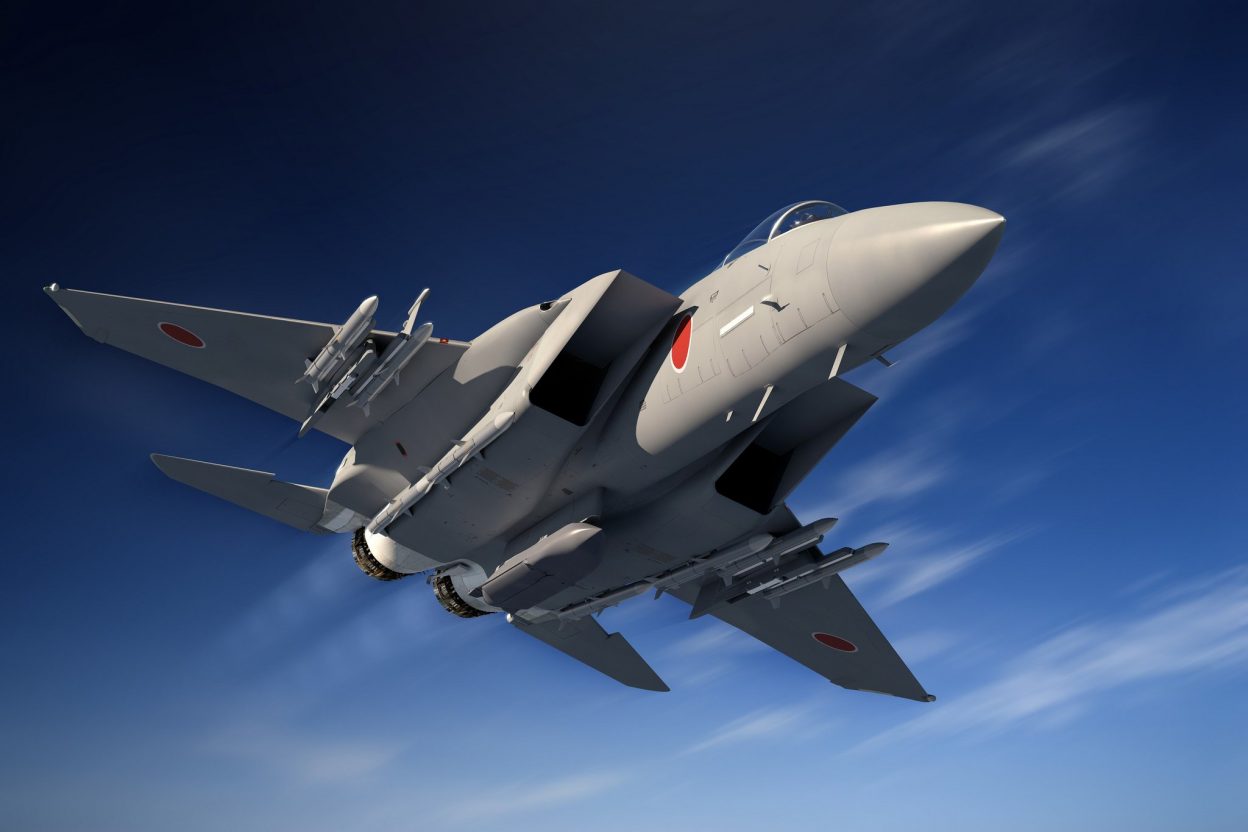
The United States (US) floated a pitch to supply India with advanced Lockheed Martin F-35 stealth fighter jets. US President Donald Trump publicly stated that Washington was paving the way to provide India with the fifth-generation aircraft.
In February 2025, during Indian PM Modi’s visit to the US, Trump told a joint news conference, “Starting this year, we’ll be increasing military sales to India by many billions of dollars. We’re also paving the way to ultimately provide India with the F-35 stealth fighters.”
Later, Vice President JD Vance said: With regular joint military exercises, it’s only natural for India to buy more of our defense equipment, including the F-35s,” pitching the stealth aircraft to cement US-Indian defense relations.
Some believe that the statement(s) were meant to please India, but much more, the American arms lobby.
Meanwhile, some new prospective customers of F-35 have emerged. Qatar has reportedly begun exploratory talks with Washington. Saudi Arabia has pursued the acquisition of up to 48 Lockheed Martin F-35 Lightning II stealth fighters to modernize its air force and counter regional threats. Turkey is lobbying hard to get back into the F-35 program.
Turkey was earlier removed from the program in 2019 and hit with CAATSA sanctions after purchasing the Russian S-400 missile defense system, but renewed diplomatic push and potential shifts in U.S. policy have reopened discussions.
However, the US is insisting that Turkey will have to dispose of the S-400 units, which Ankara could sell, as per reports, to either the UAE or Qatar.
While countries like Saudi Arabia, the UAE, and Turkey, among others, have been desperately trying to seek the F-35 stealth jets, why did India not aggressively pursue the US aircraft?
India Needs a Fifth Generation Fighter
The IAF is already down to 29 fighter squadrons. Pakistan could possibly receive its first initial batch of Chinese Shenyang J-35 stealth fighter jets by 2027.
Reports indicate an expected first delivery of 4 to 12 export-grade J-35 (or J-35E/A) aircraft. Pakistan plans to acquire up to 40 units by 2029. However, there are some reports that the timelines may slip.
Notwithstanding, this could change the air-combat dynamics in the subcontinent.
There are reports that China has already built nearly 500 J-20 fifth-generation fighters, and over 350 are in service with the PLA Air Force (PLAAF). Some have been deployed close to India’s Ladakh, in Xinjiang.
They have also been exercising over Tibet. Both Pakistan and China operate in collusion.
There will thus be pressure on India’s security establishment to acquire interim fifth-generation aircraft. The Sukhoi Su-57 has been offered with full technology transfer, and the F-35 is still at the “mind-games” stage.
F-35 Best in the Class
The Lockheed Martin F-35 Lightning II is widely considered the best fifth-generation multirole fighter because it combines extreme, low-observable stealth with revolutionary sensor fusion, acting as a flying computer and “quarterback of the skies” that networks data seamlessly with friendly platforms.
The low radar cross-section lets it bypass modern air defense networks undetected, as demonstrated in Iran. Around 1,400 F-35s have been built. 12 countries already operate them. Another eight countries have ordered them.
The U.S. and its major international partner nations have already committed to acquire over 3,100 F-35 stealth aircraft through 2035. The United States intends to purchase 2,456 jets.
Undoubtedly, it is the best fifth-generation fighter currently.
F-35 Offer & Complexities for India
For India, the F-35 proposal faced almost immediate hurdles due to subsequent tariff frictions and India’s core push for technology transfer for domestic manufacturing of its own Advanced Medium Combat Aircraft (AMCA) and the aero-engines.
There have been tremendous delays by GE Aerospace on its 2021 contract to supply 99 F404-IN20 engines to Hindustan Aeronautics Limited (HAL) for the Tejas Mk1A fighter program. Only six out of the promised engines have been delivered instead of the targeted 12-plus a year, prompting HAL to invoke contractual penalty clauses.
The tariffs on “friend” India and delayed engines for AMCA badly strained the Indo-US ties.
India also operates Russian-supplied S-400 systems, a factor that previously caused frictions between the US and Turkey.
India already operates the S-400 and Su-30MKI. The U.S. fears these networks could compromise classified F-35 stealth data. The jet relies on the U.S.-controlled Operational Data Integrated Network for software and logistics.
The US is perhaps already accessing such data through many other American platforms on Indian soil.
Meanwhile, introducing a complex new Western platform adds severe maintenance challenges to an already diverse military fleet. Even in the US, there are very few airbases where the stealth coatings can be serviced.
Buying foreign fifth-generation jets risks diverting funds from India’s indigenous AMCA project. Putting too many military aviation eggs in the unreliable US basket will also be an issue. Americans can be “very unreliable” when it comes to putting sanctions and freezing spares and maintenance support.
While operationally, the F-35 could present major strategic advantages for the IAF, any potential deal involves deep geopolitical, logistical, and financial complexities. Acquisition costs range from $80 to $110 million per jet alongside very high hourly operational expenses, creating budgetary issues for New Delhi.

Su-57 Offer and Complexities
Russia has been aggressively marketing and bidding for India’s interim fifth-generation fighter. Due to Western sanctions, its military sales have slowed down considerably in the last few years.
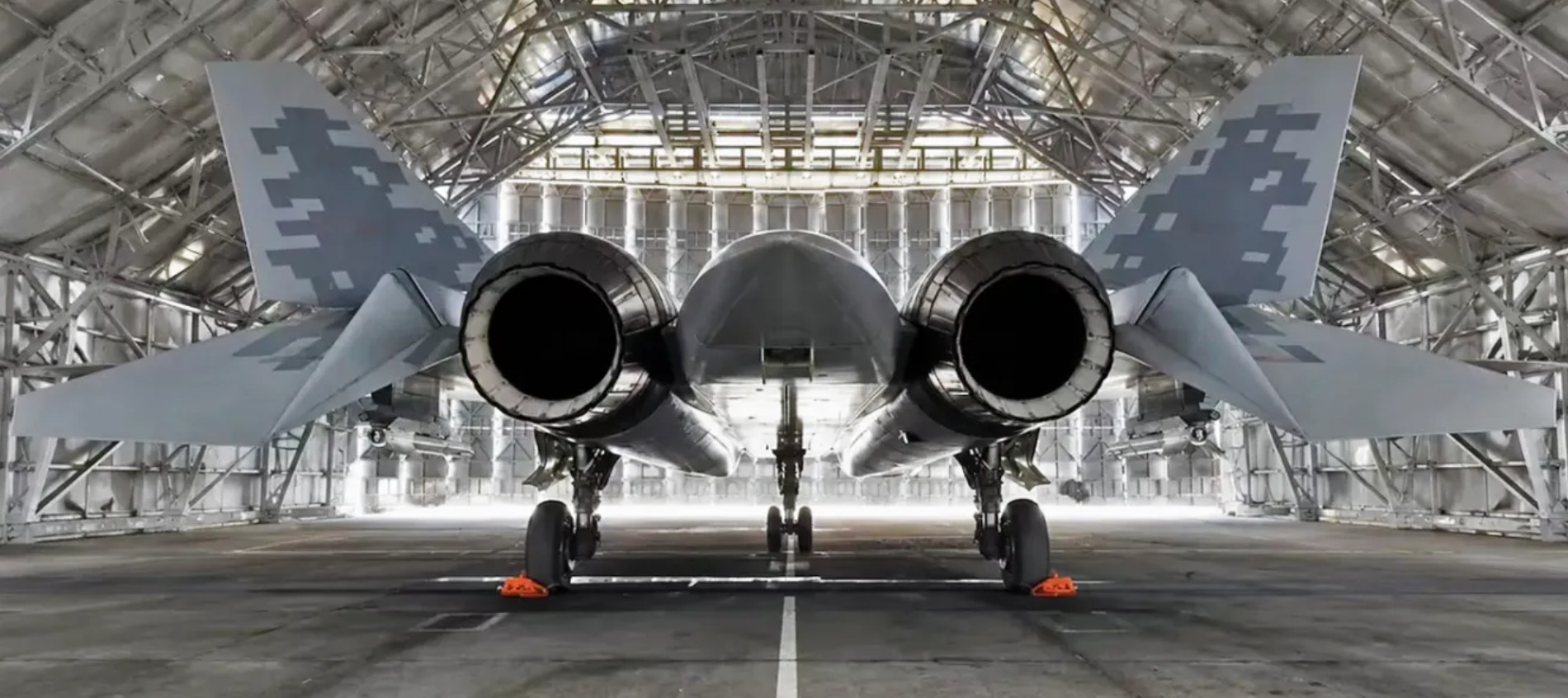
It has offered India complete technology transfer and local licensed production of the Su-57 fifth-generation stealth fighter jet.
Russian leadership has pitched the deal with no restrictions. The full technology offer includes access to stealth design, engines, AESA radar, optics, and AI elements. A phased transfer of production to Indian facilities, using existing Su-30MKI infrastructure, is proposed.
There is willingness to co-develop a twin-seat variant and integrate Indian weapons. As the IAF faces a growing stealth gap, the offer looks attractive.
But unfortunately, only 42 Su-57 have been built to date. Even the Russian Air Force has ordered only around 72 aircraft. Yearly production is still around 10-12 aircraft.
Unlike the F-35, Su-57 is unlikely to get large orders. Russia is still in a major war, and its military industrial complex is busy producing for its front lines. Delivery of Su-57 could be 5-6 years after signing the contract, as not many fly-away units are available.
There is normally a big gap between publicly stated offers of technology vis-à-vis when being penned on paper or actually delivered. While the Su-57 is very impressive during displays, some are questioning the quality of its stealth.
Not many Su-57s have been heard of attempting to penetrate the Ukrainian air defenses. The Indian establishment has thus not made any statements on Su-57 acquisition.
Su-57 For IAF: India Rules Out New Sukhoi Fighter Jets, To Prioritize Su-30 MKI Upgrades
Accelerating AMCA the Best Bet
India’s AMCA program is in the critical stealth validation and prototype manufacturing preparation phase. The three consortiums led by private sector conglomerates have been short-listed. These include Tata Advanced Systems, Larsen & Toubro, and Bharat Forge. Bids are being prepared for the ₹15,000 crore ($1.57 billion) development-cum-production contract.
A full-scale engineering model recently underwent specialized Radar Cross Section (RCS) testing at the ORANGE facility in Dundigal, Hyderabad. The prototype rollout is anticipated around late 2026 or early 2027, with the first flight planned roughly within 30 months of contract finalization. Serial production and initial induction into the Indian Air Force (IAF) are targeted for the mid-2030s.
A clean internal stealth layout would involve carrying about 1.5 tons of weapons for initial penetration, and a non-stealth “beast mode” payload carrying up to 7 tons across 14 stations. The Twin-engine, all-weather platform is built for deep strikes, electronic warfare, and low radar cross-section operations.
Considering that the IAF has still to receive the first LCA Mk1A, due to delayed GE-404 engine deliveries and some integration issues, the timelines for the very technology-intensive AMCA are very optimistic.
To accelerate the AMCA, India has shifted from a single-agency monopoly to a competitive public-private consortium model, engaging shortlisted private industrial heavyweights such as L&T with BEL, Tata Advanced Systems, and Bharat Forge, alongside the Aeronautical Development Agency (ADA), to build five prototypes.
All these consortia have industrial and project management capability and have been in the defense production ecosystem for quite some time. They will handle development, manufacturing, and future series production with dedicated capacity and speed.
Core specialized flight-testing and integration centers have been established (such as the facility in Puttaparthi, Andhra Pradesh), and dedicated airspace commitments have been secured from civil aviation authorities to streamline flight trials. Procuring interim GE-414 engines for prototype testing while simultaneously engaging with global partners like France’s Safran and Rolls-Royce for high-thrust indigenous engine development to avoid power plant bottlenecks.
India has set up high-level monitoring committees chaired by top defense officials to shrink timelines from the drawing board to the first scheduled prototype flights. However, I feel that a national project of this kind must be monitored directly by the PM Office.
The decision-making has to be much faster. Some risks will have to be factored and taken. More funds would have to be put on the table. Private sector commercial connections and national diplomacy must be used to acquire critical technologies. Reverse-engineering must no longer be a taboo word. AI needs to be extensively used for design and manufacturing to cut timelines.
Supply chain redundancy and diplomatic, secure sourcing are required. Aero-engine has to be a national priority project. India needs to invest more in critical minerals and special metals manufacturing.
Our manufacturing excellence has to reach the levels to make single-crystal blades with high-precision cooling ducts. The best talent has to be nurtured. The exodus of the kind that happened from ISRO must be prevented through more attractive opportunities. A few dedicated aerospace universities should be set up. A skilled manufacturing force has to be built.
Can India Trust USA?
After two decades of relationship ascendancy, in the last two years, there has been a level of distrust between the largest and oldest democracies of the world.
While it is hoped that it is a transitory phase, it is becoming clear that the US is not interested in India’s rise as a global power. U.S. Deputy Secretary of State Christopher Landau stated at the last Raisina Dialogue in New Delhi that Washington will not repeat its past approach (read mistake) with China by granting India unfettered market and tech access that could lead to strong commercial competition.
The US wants India to be strong enough only to be a bulwark against China and not become an independent power center or a technology and economic power.
The US seems keen only to supply platforms to India through large contracts. Even for aero-structures and smaller components, they prefer make-in-India “Build to Print” and not any significant technology sharing.
Even the proposed India-USA deal to co-produce GE Aerospace F414 engines with HAL faces major hurdles. The primary complications involve a nearly threefold cost surge, alongside intense disputes over sensitive hot-end technology transfer and the risk of delays to India’s Tejas Mk2 and AMCA programs.
Many Indians are wondering if we have invested too much in a partner with whom there is a high trust deficit and who has a vacillating foreign policy. US is known to have “dumped” friends and allies for immediate national interests. The way the Trump administration has publicly threatened or admonished its own NATO allies in the recent past further strengthens Indian concerns.
USA has already gotten deep into India’s airborne platforms and supplied India with transport aircraft (C-17, C-130), maritime patrol aircraft (P-8I), UAVs (MQ-9), and helicopters (Chinook, AH-64 Apache, and MH-60R).
U.S. Marine Corps Pilot Ejects From 47,000 Feet — Meet “The Man Who Rode the Thunder” 67 Years Ago
For a long time, the US was trying to sell the F-16 ‘Viper’ (renamed F-21) and the F-18 Super Hornet as part of India’s Multi-Role Fighter Aircraft (MRFA) proposal. Later, it offered the F-15EX. The F-35 was never officially on offer.
Despite being the oldest democracy, the US finds it easier to deal with dependent military Generals, and West Asian Sheikhs, rather than growing democracies. The US has a poor opinion of India’s “Non-Alignment” and “Strategic Autonomy.”
Washington continues to prefer unstable Pakistan, which helps it connect with China and West and Central Asia, and is willing to toe the American line for a few bucks. This Pakistan connection causes further distrust in India.
Most analysts feel that allowing the USA into India’s fighter aircraft ecosystem is not a great idea. Any F-35 deal, like the other aircraft deals, will be just a supply and support contract. There will be no transfer of technology, and no “Make-in-India” element.
While India pushes its own AMCA program, if at all, the better choice for an interim fighter may still be the Su-57.
- Air Marshal Anil Chopra (Retired) is an Indian Air Force veteran, fighter test pilot, and ex-director-general of the Center for Air Power Studies. He has been decorated with gallantry and distinguished service medals during his 40-year tenure in the IAF.
- THIS IS AN OPINION ARTICLE. VIEWS PERSONAL OF THE AUTHOR
- He tweets @Chopsyturvey
- Follow EurAsian Times on Google News