

Italy is advocating observer status—rather than immediate full partnership—for Germany in the sixth-generation Global Combat Air Program (GCAP).
Over the weekend, Italy refuted earlier media reports that it opposed Germany’s entry into the GCAP, the next-gen aircraft program it is pursuing alongside the UK and Japan.
Earlier, The Financial Times reported that Italian Defense Minister Guido Crosetto told his British and Japanese counterparts in an online meeting that he strongly opposed giving Germany an equal role in the GCAP and instead advocated observer status.
“Italy confirmed its willingness to accept Germany . . . but to speed up the process it was suggested that Germany be an observer,” an official was quoted as saying in the FT report. The official also said Rome would be pleased for Berlin to become a full member later and encouraged Berlin to accept observer status “immediately.” “The observers will be able to join the program once the project is fully consolidated.”
However, the Italian Defense Ministry dismissed these claims, saying it has always been open to Germany joining GCAP and suggesting Berlin first join as an observer to facilitate information exchange and expedite its transition to full membership. The Ministry said the plan was not meant to limit Berlin’s future engagement but to speed up its involvement while protecting the program’s schedule and progress.
German Chancellor Friedrich Merz had earlier raised the prospect of his country joining the GCAP and received a favorable response from Italian Prime Minister Giorgia Meloni.
The latest episode comes as Germany explores a role in the GCAP program after withdrawing from the Future Combat Air System (FCAS) it was pursuing with France and Spain. The exit followed months of stalemate over irreconcilable differences between Airbus (representing Germany and Spain) and French Dassault Aviation on work-sharing and design philosophy, among other issues.
British Prime Minister Andy Burnham invited Germany into the three-member grouping last month.
“I’ve indicated to the Chancellor … our openness to Germany joining GCAP,” Burnham told reporters at the time. “That is something that we seek to progress in the coming period, working with our other partners, Italy and Japan.”
This was followed by Germany holding “exploratory talks” or preliminary discussions on GCAP’s fundamental requirements and program substance, as the EurAsian Times reported.
Earlier this month, Merz officially revealed for the first time that the country is examining whether it could play a role in the GCAP fighter jet program, during his visit to Japan. Meanwhile, German Defense Minister Boris Pistorius has reportedly indicated that a directional decision is expected by the end of March 2027.
For its part, the UK said it will discuss including new countries in the program with its GCAP partners, as Bloomberg noted in its report. “We are open to exploring credible options for future participation by other nations, while keeping the program on track and delivering our future military capabilities,” a spokesperson for the UK Defense Ministry said in a statement, further contributing to the prevailing ambiguity.
Italy’s Pragmatic Solution to Germany’s GCAP Entry
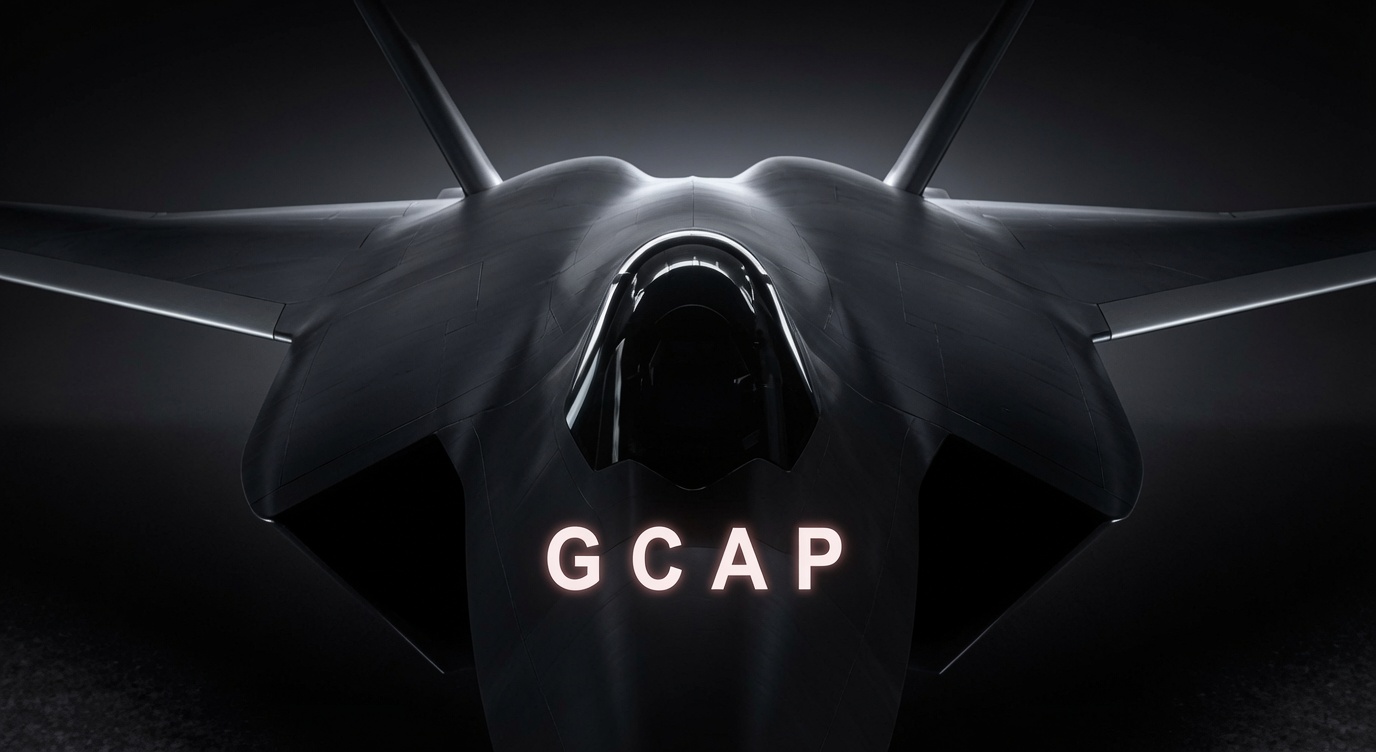
GCAP is led by the industrial joint venture “Edgewing,” composed of Leonardo (Italy), Mitsubishi Heavy Industries (Japan), and BAE Systems (the UK), and is tasked with designing and developing the next-generation aircraft and related systems. The partners have already negotiated contracts, divided responsibilities, and are now set to develop the aircraft as they strive to meet the 2035 rollout deadline.
The program is structured to prioritize delivery speed, and adding a major new full partner mid-stream risks delaying that schedule and diluting the industrial shares already allocated. This is perhaps why Italy has pitched Germany’s entry into GCAP via “observer” status instead of immediate full membership.
Italy’s proposed solution may reflect concerns that reopening delicate talks on industrial participation, production shares, and intellectual property could cause friction, especially since Berlin and Airbus might want more than the existing industry partners are willing to concede. Italy’s priority, as restated in its official response, is to keep the program on the agreed calendar while still creating a pathway for new partners.
Moreover, multinational combat aircraft programs are hard to expand once the basic partnership and industrial structure are fixed. It took years for the three founding nations to align requirements, funding, intellectual-property rules, and governance to get to the current stage. Now, bringing in a major new full partner at this stage risks new national requirements, new layers of bureaucracy, and potential disagreements over access to technology or even the design philosophy.
Japan has shown similar reluctance, expressing concern that admitting another member would delay the program and derail its plan to replace the F-2 jets with a next-generation fighter in the 2030s.
The Italian position is to admit Germany in an observer capacity now so information can flow immediately, then move to full partnership once the project is more consolidated.
Earlier this year, the GCAP grouping similarly opened the program to Canada via the “observer route” instead of a full-time partner, as the EurAsian Times reported in detail.
GCAP for Germany?
Germany’s observer position does not automatically translate into a partnership. Instead, it will allow it access to critical information about the technologies and pave the way for a potential acquisition of the system.
Typically, an observer member in a multinational weapon development program might obtain restricted but insightful access, without the full obligations, expenses, or decision-making authority of full-time members.
If it accepts the observer position, Germany would gain restricted access to classified or private information on the aircraft concept, design, systems-of-systems architecture, technology, performance, development process, and the realism of the schedule for the next-generation fighter. This could help plan future integration into the Luftwaffe, assess the system, or inform domestic defense plans.
Italy has described this as an “immediate facilitator of information-sharing” that accelerates the conditions for eventual full membership.
Joining the program as an observer would allow Germany to evaluate the GCAP without financial obligation. It could assess operational suitability, industrial opportunities, industrial collaborations, cost-sharing implications, and risks before deciding whether to pursue full partnership.
Moreover, joining the program as an observer would allow Germany to explore collaboration with GCAP’s industry partners, although Airbus has already collaborated with BAE Systems on the development of Eurofighter Typhoon and reportedly had a negative experience, as noted in internal German Defense Ministry documents earlier accessed by POLITICO. Nonetheless, German industry, particularly Airbus, would gain advance knowledge of requirements, interfaces and potential supply-chain opportunities.
Even without a formal design or development role, this knowledge may prove to be valuable for preparing proposals or identifying complementary contributions later.
Notably, a full membership would require renegotiating governance, intellectual-property rules, decision-making processes and industrial shares among the existing partners, which could be disruptive and time-consuming. In contrast, observer status avoids that disruption while still placing Germany inside the program, alongside Canada.
“What we’re ready to do is to join something or to build something where we have a significant portion of the work and the leadership. That’s currently being explored,” head of Airbus’s defense division in Munich, Michael Schoellhorn, stated earlier.
Germany exited the FCAS because it was dissatisfied with Dassault hogging the work on developing the next-generation fighter. It is unlikely it will join the GCAP with no decision-making power or a limited role in the program.
Germany needs a project that sustains and advances its industrial base, and full membership is the only route that could secure contracts, technology access, and jobs for German companies.
Moreover, accepting observer status could lock Germany into a subordinate track and reduce its leverage in later negotiations over full membership.
Berlin prefers to negotiate entry terms from a position of strength rather than enter as a junior partner and then try to upgrade.
The German government has an alternative option: to form an all-new alliance with Sweden, its defense-aerospace company Saab, and Spain. This route would offer Germany industrial influence and an equal partnership from the start, better alignment with continental European operational needs, and a more balanced industrial starting position.
For now, it remains to be seen whether Berlin would accept the observer position as a bridge to a full partnership, seek better terms from the GCAP, or look for alternate options.
- Contact the author at sakshi.tiwari13 (at) outlook.com
- Follow EurAsian Times on Google News