Israel’s Rafael Advanced Defense Systems (RADS) has signed a landmark agreement with Romania worth approximately 2 billion euros (US$2.3 billion) to supply the Spyder air defense systems.
Notably, this is the largest contract in RADS history and the second-largest defense deal in the Israeli defense industry, following the 2023 sale of the Arrow 3 missile defense system to Germany for US$3.5 billion.
The agreement covers the supply of the SPYDER system, including a complete solutions package with launchers, interceptors, radar systems, training arrays, and logistical support.
“Delivery of the systems is expected to begin within 36 months of the signing of the agreement, achieving initial operational capability based on extensive industrial cooperation and local production in Romania,” Rafael said in a press release.
“Romania’s acquisition of Rafael’s SPYDER system reinforces its commitment to procuring advanced air defense solutions in line with NATO standards, while strengthening the industrial and strategic partnership between the two nations,” it added.
Rafael CEO Yoav Tourgeman said, “Rafael is honored to sign the largest deal in the company’s history and to provide another NATO nation with an advanced air defense system. Romania’s selection of the SPYDER system reflects the growing confidence of European nations in Rafael’s operationally proven air defense systems.”
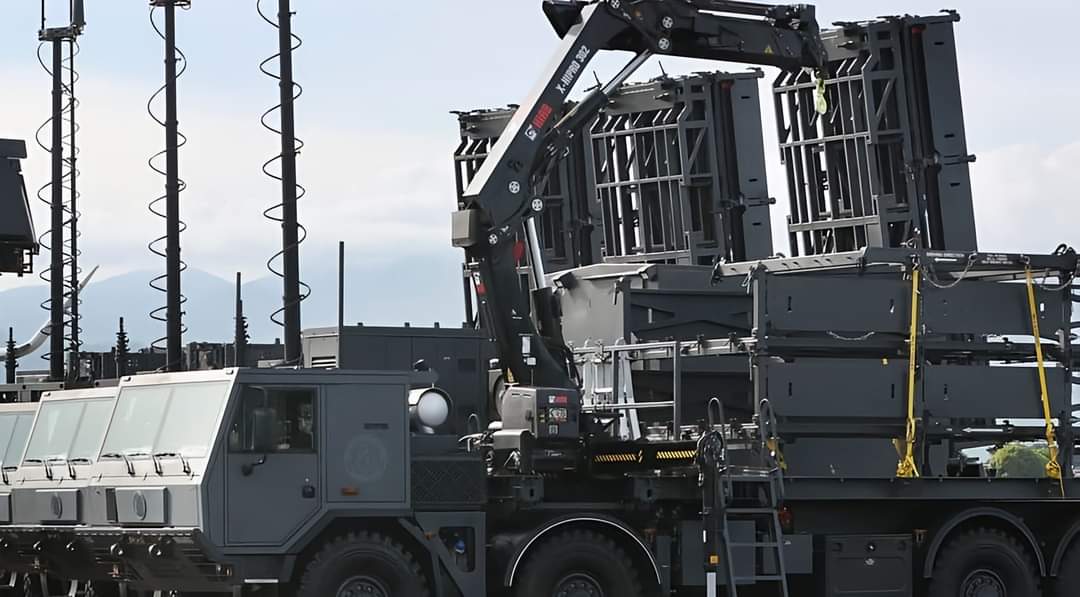
The SPYDER system is a mobile air defense system based on Rafael’s PYTHON and DERBY air-to-air missiles, operating as part of a multi-layered defense concept. The system is designed to intercept a wide range of aerial threats, including aircraft, helicopters, unmanned aerial vehicles, and precision-guided munitions.
Romania is one of several countries in Europe and Asia that have acquired the Spyder system in recent years. Previous customers include the Czech Republic, India, Vietnam, the UAE, Morocco, the Philippines, Kenya, Singapore and Cyprus.
The mega deal also shows that despite repeated calls for the boycott of Israeli arms, the country’s air defense systems are in high demand.
In fact, earlier this month, the EurAsian Times reported that Israel’s defense exports surged to a new all-time record in 2025, reaching US$19.2 billion despite widespread boycott calls and the exclusion of Israeli firms from several international arms exhibitions.
In fact, Israeli defense exports had surged nearly 30% in 2025.
Notably, this surge in Israeli defense exports is led by missiles, rockets, and air defense systems.
“Missile, rocket, and air defense systems continued to lead in 2025, accounting for over a quarter (29%) of total deal volume,” according to Israel’s defense ministry. In contrast, missile, rocket, and air defense systems made up 48 percent of deals in 2024 and 36 percent in 2023.
The data also revealed that Europe is the largest market for Israeli arms exports, accounting for as much as 36% of Israel’s defense exports. In 2024, Europe accounted for 54% of Israeli arms exports, and for 35% in 2023. Israeli air defense systems, in particular, have been a big success in Europe, and since 2023, many European nations have signed deals with Jerusalem.
Secret India-Pakistan Talks in Colombo & Bangkok Raise Hope of Peace — But Delhi Calls them Futile
Israeli Air Defense Systems Big Hits in Europe
In 2023, Germany signed a historic US$3.5 billion deal with Israel for the Arrow 3 missile defense system, marking the largest defense deal in Israeli history.
The deal with Romania for supplying the Spyder air defense system, worth US$2.3 billion, is the second-largest in Israeli history.
Israel also signed a 2023 deal with Finland worth US$345 million for the supply of the David’s Sling (also manufactured by Rafael) Medium- to long-range air defense system.
Again, in 2024, Israel signed a US$583 million deal with Slovakia to supply the Barak MX air defense system.
In December, 2024, Cyprus took delivery of the Barak MX air defense system, capable of intercepting threats up to 150 kilometers (95 miles) away.
Meanwhile, according to the Jerusalem Post, Switzerland began talks last week with Israeli air defense manufacturers for a second air defense system, possibly Rafael’s David’s Sling.
Greece is also in advanced talks with Israel to purchase a large, multilayered air defense system combining Spyder, Barak MX, and David’s Sling.
Greek parliamentary committee approved the framework in March 2026, but a final deal is yet to be signed.
Notably, this deal could be worth US$3.5 billion and could become the largest defense deal in Israel’s history.
However, the US is the silent third party in most of these deals, as many of the Israeli air defense systems, from Iron Dome to David’s Sling and Arrow 3, have been developed in close cooperation with the US.
Why Israeli AD System Export Deals Require U.S. Approval
For instance, while Rafael is the developer and manufacturer of the Iron Dome and David’s Sling defense systems, export deals for those systems require prior approval from the U.S. State Department because of the significant American funding involved in their development.
In fact, Raytheon (now part of RTX) was a co-developer of David’s Sling AD system.
This partnership was created specifically to allow US funding for the Israeli system.
In fact, the system’s launcher, fire control unit, and stunner interceptors were developed by RTX.
Similarly, the US has massively funded the development of Israel’s Iron Dome missile defense system.
According to the US State Department, “Since FY 2009, the United States has provided Israel with US$3.4 billion in funding for missile defense, including US$1.3 billion for Iron Dome support starting in FY 2011.”
In 2021, the U.S. House of Representatives voted to provide Israel with US$1 billion in new funding for its Iron Dome missile system.
Notably, the US also purchased two Iron Dome batteries in 2019. These Iron Dome batteries were tested in Guam. Plans for more batteries were canceled in 2020 due to integration issues with the US IBCS system and Israel’s refusal to share source code.
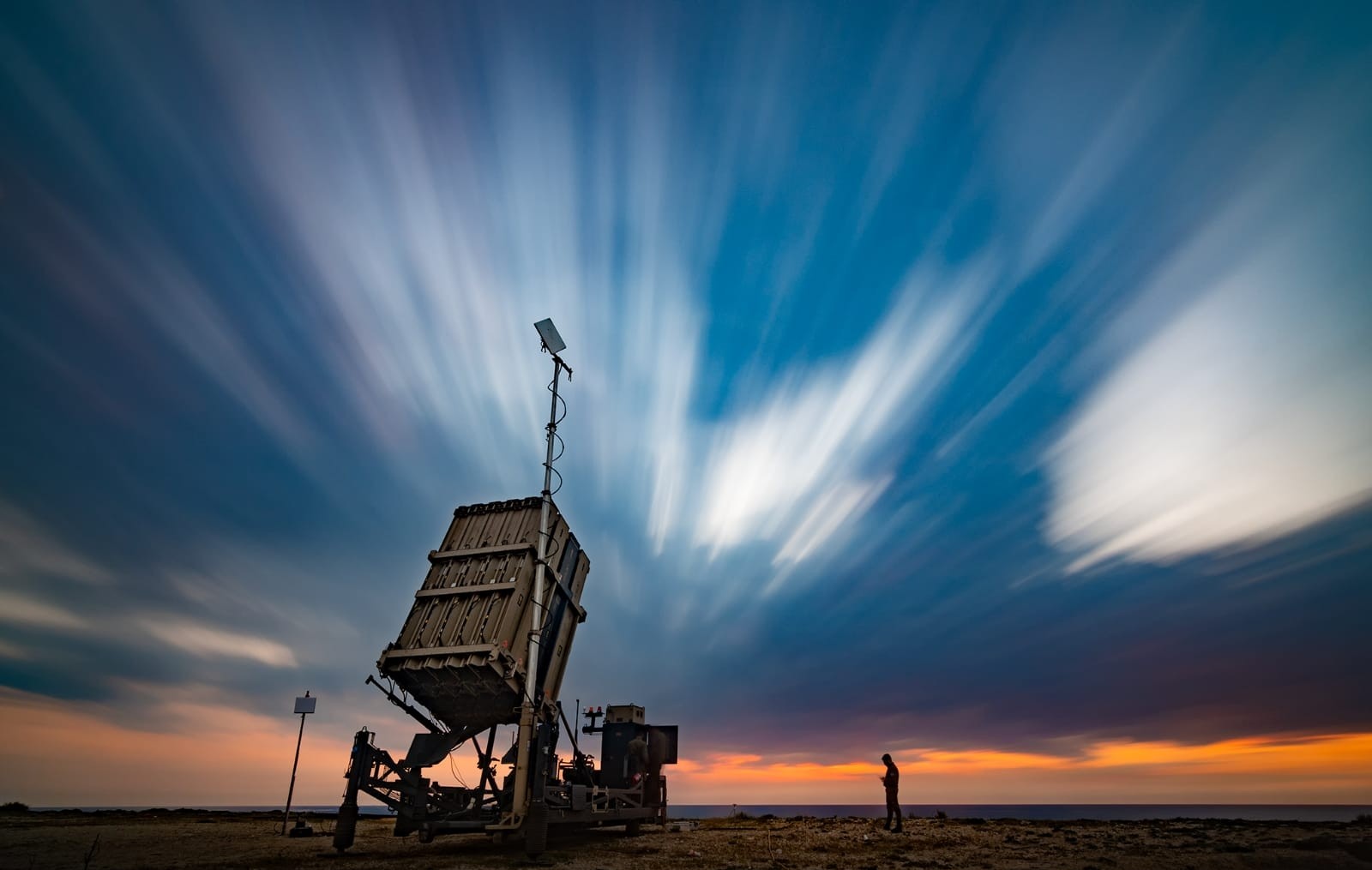
In 2023, the US decided to send these two batteries to Israel. However, the current status of these two batteries is not known.
Similarly, export of the Arrow 3 AD system requires prior US approval.
Boeing is the principal co-developer and primary production partner for the Arrow 3 exo-atmospheric ballistic missile defense system, working alongside Israel Aerospace Industries (IAI).
Boeing co-developed the overall architecture and guidance capabilities of the Arrow 3 kill vehicle alongside IAI. Boeing is responsible for 40% to 50% of the missile’s production content.
Boeing was also a partner in developing the Arrow 2 AD system, a precursor to the Arrow 3.
The US also funded the development of both the Arrow 2 and Arrow 3 AD systems.
In the case of Spyder, however, the system is based on technology developed in Israel without US funding, which simplifies its export process for Rafael.
According to the company’s website, Spyder can launch up to four interceptors simultaneously, reaching a maximum range of 40 kilometers (25 miles) and a maximum interception altitude of 12 kilometers (7 miles).
A major reason for the success of Israeli air defense systems is their combat performance against drones, missiles, and rockets launched by Hamas, Hezbollah, Houthis, and Iran during the last three years of war.
Meanwhile, European countries are trying to strengthen their air defenses in light of Russia’s war in Ukraine and fears of a wider war with NATO countries in the coming years.
Romania has also faced multiple drone incursions inside its territory during the war.
The integration of the Spyder air defense system will significantly strengthen Romania’s short- and medium-range air defenses, enhance interoperability with NATO forces, and support the modernization of its air defense architecture.
- Sumit Ahlawat has over a decade of experience in news media. He has worked with Press Trust of India, Times Now, Zee News, Economic Times, and Microsoft News. He holds a Master’s Degree in International Media and Modern History from the University of Sheffield, UK.
- He can be reached at ahlawat.sumit85 (at) gmail.com