For the first time in the last eight decades, Japan is looking beyond the US for security and enhancing defense capabilities, as concerns mount over its munitions shortages, Washington’s ability to boost production of critical weapons systems, and the Trump administration’s commitment to protecting its allies.
Japan is increasingly seeking new security partners in the Indo-Pacific, and countries such as Australia and India are emerging as key players for deeper defense cooperation, joint industrial projects, and regional deterrence.
In fact, Japan, along with Australia, India, and the US, is also part of the QUAD alliance. However, as the US commitment to the QUAD wanes, Tokyo is forging independent defense partnerships with both Australia and India.
Japanese Defense Minister Shinjiro Koizumi is on a three-day visit to both countries this week, where he is expected to sign new defense deals, including on naval warships, stealth technology, and drones.
Koizumi embarked on his three-day trip on August 18.
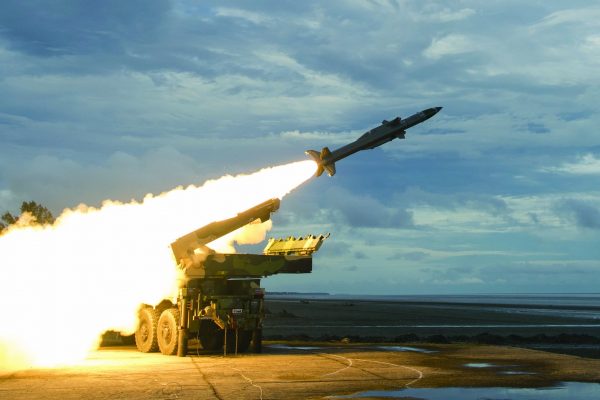
This assumes significance as multiple reports are warning that as much as 80% of US long-range precision weapons and air defense missile stockpiles, including Tomahawks, Patriots, THAAD interceptors, Army Tactical Missile Systems (ATACMS), and Precision Strike Missiles (PrSM), have been expended in the Iran War, and Washington is struggling to boost production of critical munitions.
This has raised questions over Washington’s ability to fight a protracted war with near-peer adversaries such as Russia and China, or supply its allies such as Japan, South Korea, or Taiwan, in case of a conflict in the South China Sea.
In Europe, Ukraine is already struggling with Patriot supplies, as most of its Patriot launchers are empty even as it is facing an almost daily barrage of Russian ballistic missiles on its cities.
Rintaro Inoue, a research fellow at the Institute of Geoeconomics think tank in Tokyo, said that until recently, Japan assumed it could rely heavily on America as part of a contingency plan.
“But given the limits of US production capacity, insufficient stockpiles and long waiting lists, [Washington] may not be able to meet Japan’s demand quickly enough,” Hong Kong-based South China Morning Post reported.
“This is why cooperation with like-minded countries such as Australia and India is becoming more important.”
He said Tokyo could work with partners to co-produce missiles, drones and other systems that would be quickly depleted in wartime but would be difficult to sustain through domestic peacetime demand alone.
According to Inoue, the wars in Ukraine and the Middle East have shown that protracted wars of attrition are possible in the modern era as well, which could put enormous pressure on missile and munitions stockpiles, and might be difficult to sustain through peacetime demand alone.
“Japan therefore needs to prepare for a protracted conflict if it wants to maintain credible deterrence,” he said.
Amid these concerns, Japan is seeking to enhance defense cooperation with Australia and India.
In Australia, Koizumi is expected to hold a trilateral defense ministers’ meeting with his Australian and New Zealand counterparts to discuss the proposed export of an upgraded Japanese Mogami-class frigate to Wellington.
Notably, in August last year, Australia selected the Mitsubishi Heavy Industries (MHI) upgraded Mogami-class frigate to replace its aging Anzac-class ships and expand the Royal Australian Navy’s surface fleet.
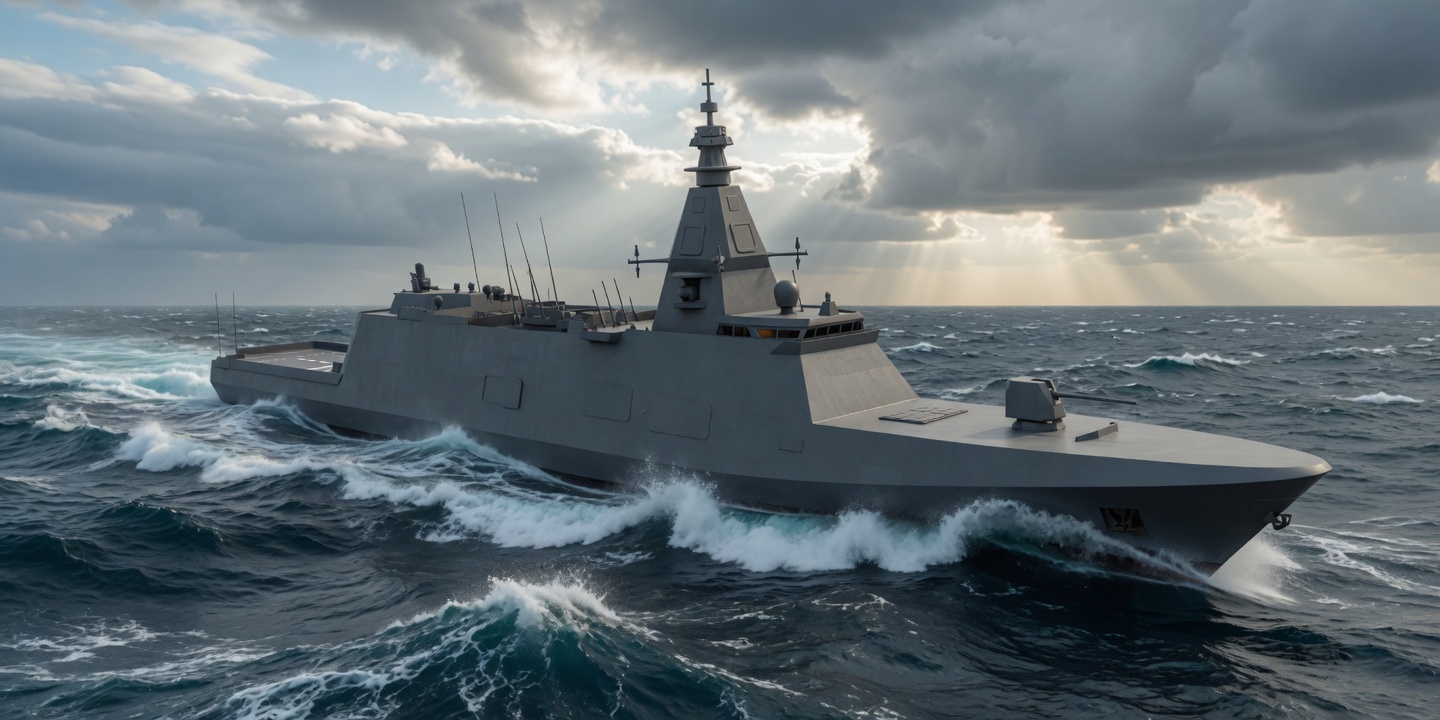
Australia will buy 11 Mogami-class frigates from Japan. MHI will build the first three ships in Japan, and Australia will build the remaining 8 frigates.
Australia’s selection of the Mogami-class frigate will heavily influence New Zealand’s decision, as it would allow New Zealand to share a common platform with the Australian Navy.
Wellington depends heavily on Canberra for the repair and maintenance of its naval ships and places strong emphasis on interoperability with its Australian counterpart.
Yoichiro Sato, an international relations professor at Japan’s Ritsumeikan Asia-Pacific University, said Tokyo was working on both diplomatic coordination and capacity-building with maritime middle powers in the region.
“The move has been driven by both China’s assertive maritime actions and claims in the East China Sea, South China Sea, and the Western Pacific,” he said.
“[It’s also driven by] America’s unstable rhetoric, which has damaged the credibility of the US commitment to collective defense throughout the Indo-Pacific.”
In India, Koizumi will meet Indian Defense Minister Rajnath Singh to discuss defense cooperation, including Japan’s planned export of its Unicorn stealth communication system.
In November 2024, India and Japan signed a Memorandum of Implementation (MoI) to co-develop the UNICORN (Unified Complex Radio Antenna) Nora-50 integrated mast for the Indian Navy’s warships. The Japanese UNICORN Nora-50 integrates multiple communication antennas into a single piece (mast).
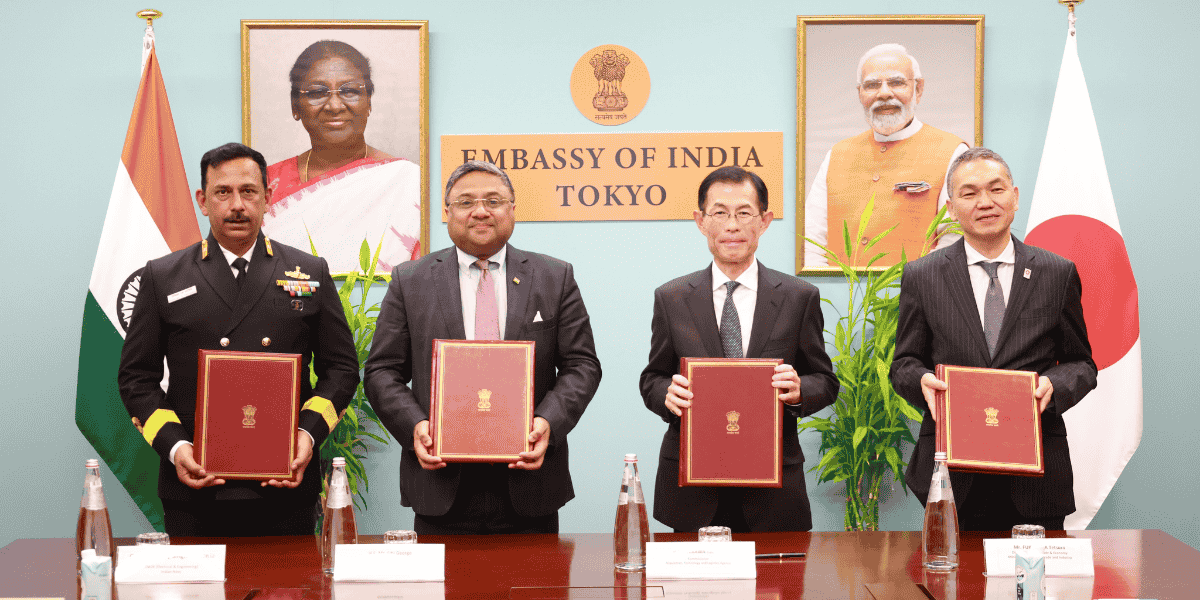
Furthermore, at the 16th India–Japan Annual Summit in New Delhi in July 2026, India and Japan announced their first-ever joint defense co-development project to manufacture the UNICORN together.
This development signaled the expansion of bilateral defense-industrial cooperation, said Purnendra Jain, an emeritus professor of Asian studies at the University of Adelaide specializing in Japan.
Besides, Japan and India could also cooperate on a host of other weapons systems, including drones and fighter aircraft.
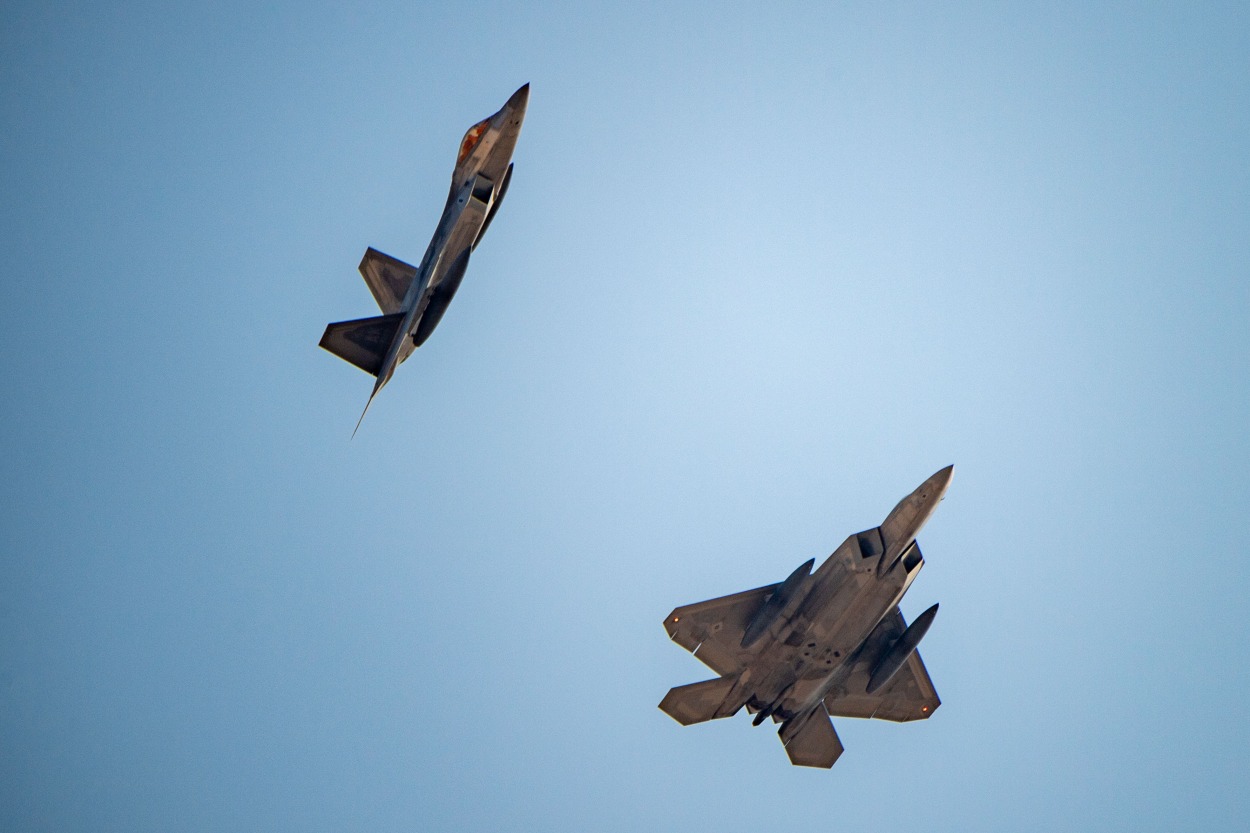
Japan plans to dispatch F-2 fighter jets to India for the first time to participate in a joint exercise, according to Japanese media reports citing government sources.
“As it is unlikely that India will be buying F-35s, F-2s may possibly attract India’s interest for the model’s versatile ability as a fighter-attack plane,” Sato said.
Notably, in April this year, Japan enacted a historic overhaul of its defense export policies, formally ending decades-old post-WWII restrictions that had limited military shipments to non-combat categories.
Earlier, Japan had restricted most military exports to five categories: rescue, transport, warning, surveillance, and mine-sweeping equipment.
The changes remove these self-imposed restrictions on military exports, a move widely welcomed by countries as diverse as Poland, the Philippines, and Australia.
Even in its latest Defense White Paper, released last week, Japan underscored that while it still views its defense partnership with the United States as fundamental to its security, it recognizes it cannot rely blindly on the US alone and must develop its own capabilities and cultivate new security partnerships with like-minded countries in the Indo-Pacific, primarily India, Australia, and the Philippines.
For instance, the White Paper said that “by FY2027, Japan will strengthen its defense capability to the point where Japan is able to take primary responsibility for dealing with invasions against its nation, and disrupt and defeat such threats with the support of its ally and others.”
The paper noted that while the U.S., the most powerful country on earth, remains the most valuable ally, Tokyo must also explore defense partnerships with other like-minded countries.
“What should be prioritized the most in protecting the lives and livelihoods of the people of Japan is carrying out active diplomacy. With the Japan-U.S. Alliance as the cornerstone, it is essential to work along with like-minded countries and promote multilateral cooperation,” it said.
Further, “As efforts toward realizing FOIP (Free and Open Indo-Pacific), Japan will actively promote bilateral/multilateral exercises with its ally and like-minded countries throughout the Indo-Pacific region,” it said.
Additionally, in the foreword to the White Paper, Defense Minister Koizumi Shinjiro wrote, “To realize a ‘Free and Open Indo-Pacific,’ we are advancing bilateral efforts as well as multilateral efforts such as minilateral cooperation of Japan-U.S.-Australia, Japan-U.S.-ROK, and Japan-U.S.-Australia-Philippines…”
The White Paper also highlighted the landmark sale of 11 Mogami-class frigates to Australia and the joint production of the UNICORN Integrated Communication Antenna System for warships with India.
Taken together, Japan’s latest Defense White Paper, Defense Minister Shinjiro Koizumi’s visits to Australia and India, the export of advanced combat naval ships, and collaborative production of stealth communication systems send a clear signal: Tokyo no longer believes that credible deterrence in the Indo-Pacific can rest solely on the United States.
Deepening partnerships with Canberra and New Delhi will also be essential to sustaining a free and open Indo-Pacific.
- Sumit Ahlawat has over a decade of experience in news media. He has worked with Press Trust of India, Times Now, Zee News, Economic Times, and Microsoft News. He holds a Master’s Degree in International Media and Modern History from the University of Sheffield, UK.
- He can be reached at ahlawat.sumit85 (at) gmail.com