In a blunt warning, Pakistan has threatened that any spillover of the ongoing conflict between the Iran-backed Houthi militia and the Saudi-backed Yemeni government into Saudi territory will inevitably trigger the Makkah Joint Defense Agreement.
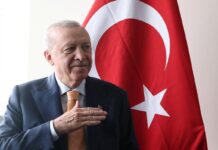
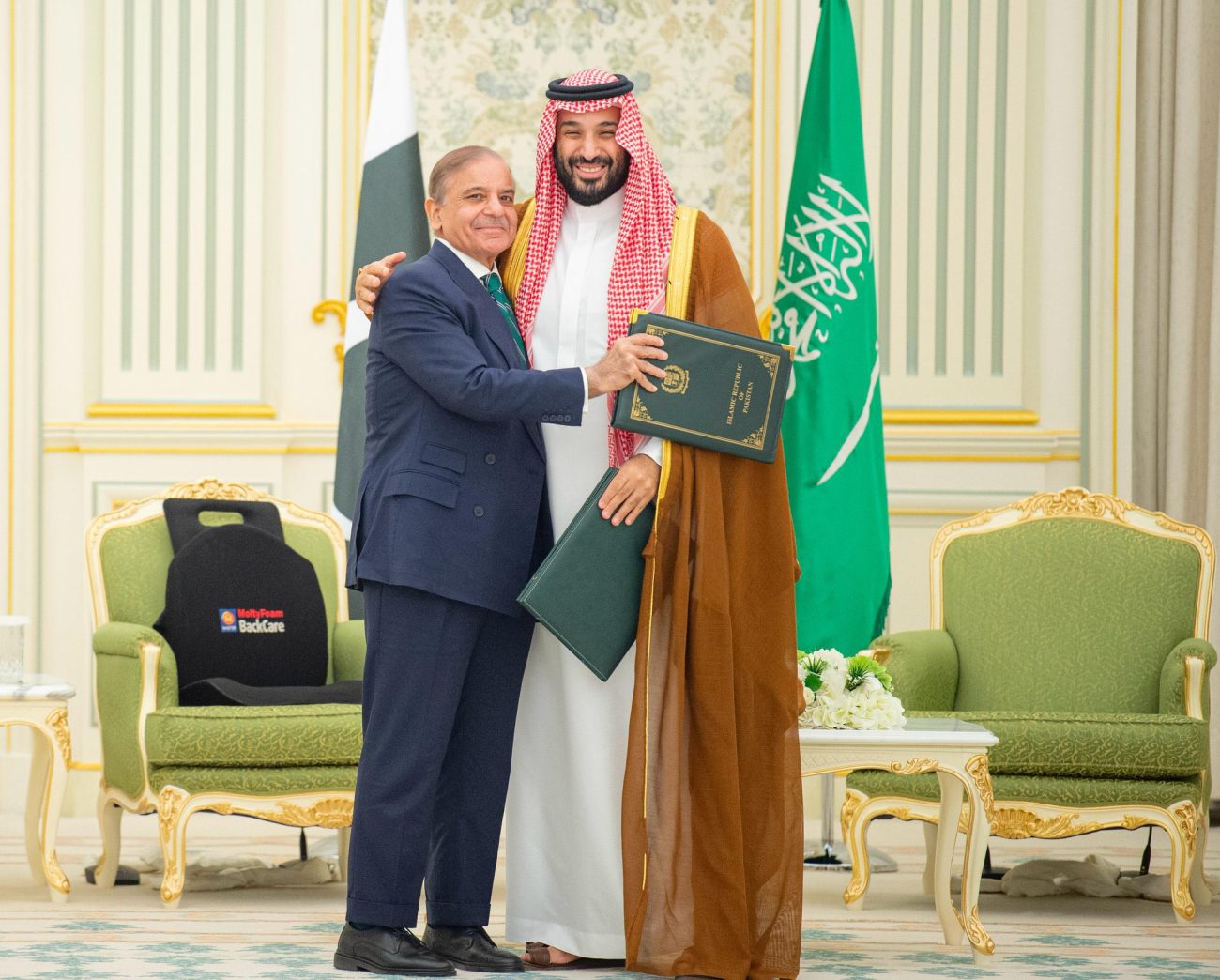
Last month, Pakistan, Saudi Arabia, and Turkey signed the Makkah pact, which enshrines the principle that “an attack on one is an attack on all,” similar to NATO’s Article 5 on collective security, as the EurAsian Times reported earlier.
“This is a joint defense pact. And unprovoked aggression or spillover of whatever is happening in Yemen into Saudi Arabia, definitely, the pact will become operational; there should be no doubt in this,” Pakistan’s Defense Minister Khawaja Asif said at a show hosted by Geo News, when asked whether the pact would come into force if the conflict reached Saudi territory. “We are bound by the terms and conditions of this pact, and we will honor them in case there is a need,” the Defense Minister added.
The warning—the clearest by any Makkah Agreement member—comes as the Houthi rebels are fighting an intense battle with the Saudi-led coalition that backs Yemen’s government.
In addition to fighting Yemen’s security forces for territory in the country, the Houthis have also launched direct missile and drone attacks on Saudi Arabia, particularly after the 2022 ceasefire between the two sides broke down earlier this year.
In fact, the rebel group targeted energy facilities in Saudi Arabia this week, injuring at least 73 people.
The Houthis have claimed that their direct attacks on Saudi Arabia are in response to Saudi air strikes on the Yemeni provinces and “grave crimes” committed by the kingdom. Houthi military spokesman Yahya Saree said the group had merely responded to this “brutal aggression” with “dozens of ballistic missiles and drones” that caused “significant damage.”
Saudi Arabia has warned of a major retaliation, but the fighting in Yemen and attacks on Saudi territory have sparked concerns of a “spillover” in the intense conflict to Riyadh, which makes Islamabad’s blunt warning even more significant.
Interestingly, the Pakistani Defense Minister denied any communication between Saudi Arabia and Pakistan after the strikes, despite his bold claims about the Makkah agreement. However, he reaffirmed that Pakistan “is bound to react under the pact because it is [aimed at] joint defense and collective help in case of aggression.” “This is a trilateral pact [..], but even if it were bilateral, we would have responded,” the Defense Minister stated.
He said he hoped that the situation would “come under control and die down,” and that he hoped “the Houthis will realize that if [..] they attempt to export their internal matters, then the clauses of this pact on confronting aggression will become operative.”
More importantly, though, the Pakistani Defense Minister stressed the agreement’s purely defensive character: “This is not an aggressive agreement under which the three countries would, on their own initiative, attack another country. But if there is any aggression against one member state, all three member states will respond.”
Pakistan Ready To Help, But Will It?
The Pakistani Defense Minister did not say how his country would assist Saudi Arabia. He also did not say whether the three members had discussed the nitty-gritty of how to join forces against a non-state actor like the Houthis.
The activation of the pact depends on political decisions, consultations among the three, the scale and nature of the attacks, and Saudi Arabia formally invoking it by determining that the Houthi strikes qualify as “aggression” that warrants a full-scale response.
As for Pakistan, it has a precedent of turning down Saudi Arabia’s request to join forces against the Houthis, which may or may not influence its current position.
In 2015, Saudi Arabia launched a military intervention against the Houthis—who had seized the capital Sanaa in 2014 and advanced toward Aden—in an attempt to restore the internationally recognized Yemeni government.
At the time, Riyadh requested Pakistani contributions of ground troops, aircraft, and ships for the Saudi-led coalition, invoking the times when Pakistan sent troops to help Saudi Arabia, including the Gulf War. It also reminded Pakistan of Saudi Arabia’s repeated assistance to Islamabad amid its financial crises.
This put Pakistani leadership in a conundrum, as the Pakistani military in 2015 was already stretched and public opinion opposed sending troops to a foreign country when its own border areas were highly inflamed. Finally, Pakistan’s National Assembly unanimously passed a resolution on April 10, 2015, stating that Pakistan would maintain neutrality in the Yemen conflict. Instead of sending troops, Islamabad provided limited political and conditional defensive support while expressing solidarity with the Saudi kingdom.
The two sides have come a long way from signing a strategic partnership to entering a mutual defense pact. Even so, significant obstacles remain before Pakistan would join Saudi Arabia and Turkey in open conflict with the Houthis.
For one, Iran backs the Houthis. Pakistan shares approximately a nine-hundred-kilometer border and an amicable relationship with the Islamic Republic of Iran. Therefore, if Pakistan went to war against the Houthis, it would potentially upset ties with Tehran, which could then retaliate by stripping Pakistan of its mediator role in the US-Iran war, emboldening Houthis to directly attack Pakistani forces in Saudi Arabia, or even by encouraging the Baloch separatists (who remain at war with Pakistan) in the bordering Baluch-Sistan province, among a host of other things.
With a rise in Baloch militia attacks in recent times, Pakistan may choose to be more cautious.
Another factor that may influence Pakistan’s decision is that the Houthis are a Shia group, which means a Sunni-led charge against them could cause domestic unrest and strife in Pakistan, which hosts the world’s third-largest Shia population.
Moreover, Pakistan’s military is already heavily committed. Even as it is still recovering from last year’s intense conflict with India, the Pakistani military remains engaged in managing western-border instability with Afghanistan and conducting counter-insurgency operations in Balochistan. Thus, deploying significant additional combat assets to Yemen or the Red Sea would strain logistics, readiness, and domestic security.
Any escalation in the Middle East could draw Pakistan deeper into the wider Middle East conflict, undermining its preference for strategic autonomy and mediation.
More significantly, a prolonged military campaign would impose high costs, including fuel, munitions, maintenance, and potential casualties, at a time when resources are limited amid economic pressures.
Even if Islamabad chooses to participate, the public text of the Makkah Agreement does not prescribe the form or scale of response. Pakistan could limit its role to drones, air-defense systems, intelligence sharing, maritime protection, or reinforcing existing Saudi deployments—options that let it honor the pact while managing risk.
For now, it remains to be seen whether the Makkah Pact members are willing to test their agreement and partnership against the Houthis so soon after entering the arrangement.
- Contact the author at sakshi.tiwari13 (at) outlook.com
- Follow EurAsian Times on Google News