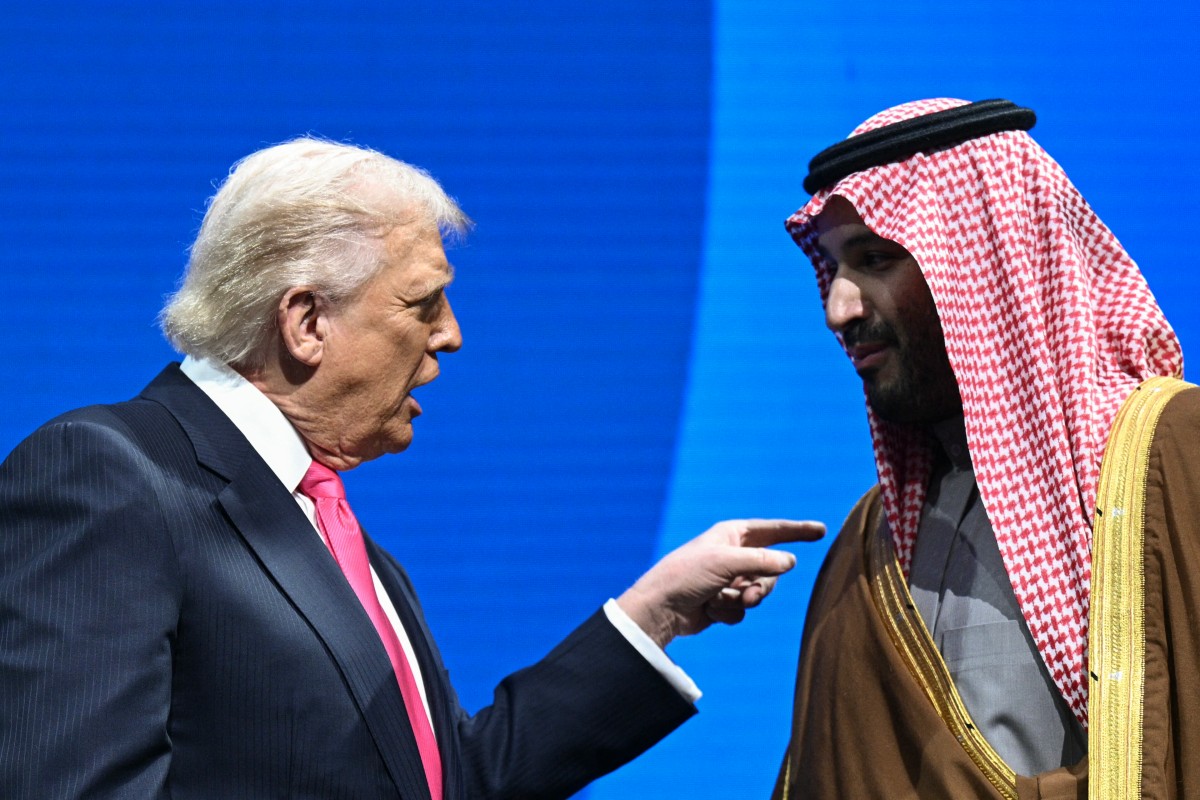
President Donald Trump said the US and Israel had decided to hold off on new strikes on Iran — provided that a deal to end the ongoing conflict is reached quickly.
Meanwhile, a report published by a US-based think tank recently warned that American inventories of key air defense interceptors have fallen sharply, raising the prospect that US and coalition forces may need to accept greater risks in future missile defense operations.
When the US launched Operation Epic Fury in February 2026, President Donald Trump said the hostilities would last only a few days, a deadline that was subsequently moved to a few weeks. However, five months later, there is no end in sight to the war, which has now spilled over into much of West Asia.
During the war, the US has severely drawn down its air defense interceptors, as documented by the US-based think tank CSIS (Center for Strategic and International Studies). The CSIS report estimates that stockpiles of the Patriot and THAAD (Terminal High Altitude Area Defense) have been greatly reduced in the ongoing conflict.
Published on July 27, 2026, the report—“Renewed Iran War Would Test Diminished Interceptor Inventories” authored by Mark F. Cancian and Chris H. Park—updates an earlier CSIS assessment released around the ceasefire agreed to by both sides on April 8, 2026.
“The air defense campaign has been largely successful with high—though not perfect—interception rates. While some Iranian attacks got past defenses, causing casualties and extensive base damage, these attacks have been unable to diminish U.S. and coalition operations. This has required extensive use of interceptors, with Patriot inventories now under 1,000 and THAAD inventories at about 250,” states the report.
The previous report had estimated that the US Patriot interceptor inventory shrank by 55%. However, the updated figures suggest the stockpile has further shrunk by an additional 10% since the truce, and that approximately 65% of US Patriots have now been lost since the war began.

The report estimates that Patriot inventories now stand at under 1,000 (the most recent figures place the range at 759–827) and that THAAD inventories stand at about 250 (the latest figures put it at roughly 234–278).
Both systems have been heavily used to defend US bases, Gulf partners, and Israel against Iranian ballistic missiles, cruise missiles, and related threats. CSIS apparently draws its estimates from publicly available legislative and Pentagon budget documents, supplemented by open-source data on rounds expended in the Gulf.
“Diminished stockpiles may force the United States and its coalition partners to take more risks with interceptions. There are no good alternatives to Patriot and THAAD for ballistic missile defense. Navy ships, with Standard Missiles that can intercept such threats, generally are too far away,” the report warned.
Notably, an NBC report recently stated that US commanders are choosing not to take down Iranian projectiles that are headed into uninhabited regions of US sites in the vicinity because they do not want to squander their interceptor missiles.
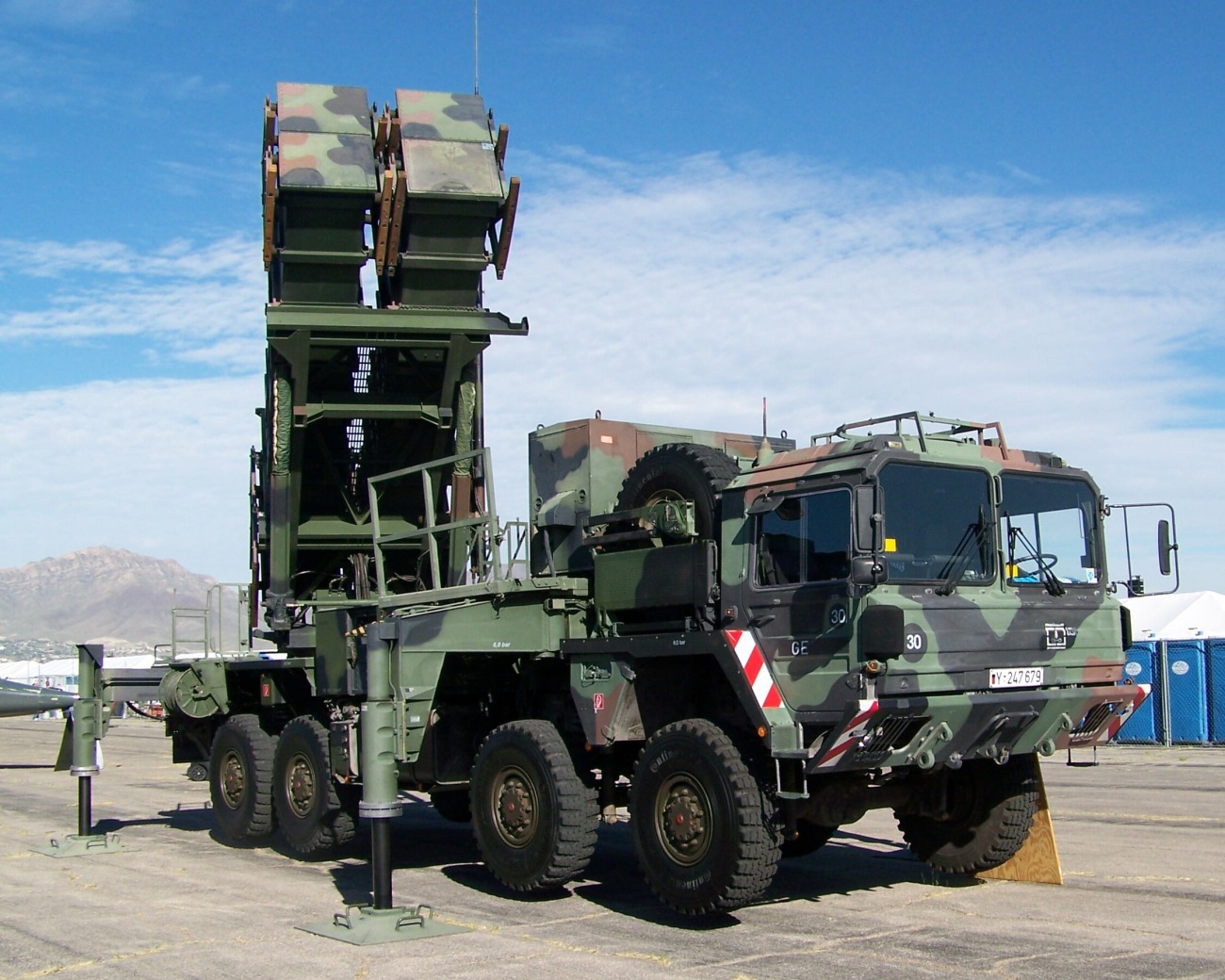
This alleged tactic, if true, marks a shift from previous air and missile defense procedures in the region, such as when a US-manned Patriot detachment protected a mostly evacuated Al-Udeid Air Base in Qatar from a barrage of Iranian ballistic missiles in response to Operation Midnight Hammer in June 2025.
Despite a dearth in air defense interceptors, the US has vowed to hit Iran very hard, a move that will almost certainly trigger Iranian retaliation and further cause depletion in Patriot and THAAD interceptors. The situation may become dire, given that the production of these missiles takes woefully long—Lockheed delivered just about 600 interceptors in 2025, and only 96 THAAD interceptors are manufactured per year.
The United States is therefore consuming its most valuable air-defense munitions far faster than industry can replace them. Some analysts have suggested that depleting offensive and defensive stockpiles contributed to the Trump administration’s decision to accept a ceasefire, including the latest one where the U.S. and Israel agreed to hold off on new strikes on Iran.
Other reports indicate Trump may have changed the offensive plans after talking with Saudi Arabia and after Iran also spoke to Riyadh, besides Pakistan and Turkey.
Trump insisted the US was still “locked and loaded and ready to go against the Islamic Republic of Iran,” but added that Tehran and other Middle Eastern countries had asked him to hold off on fresh strikes. “Based on this request, I have agreed, for the future benefit of the WORLD and, likewise, the survival of a successful and prosperous Iran, to cancel the attack, subject to being able to rapidly make a DEAL,” Trump posted on his Truth Social platform.
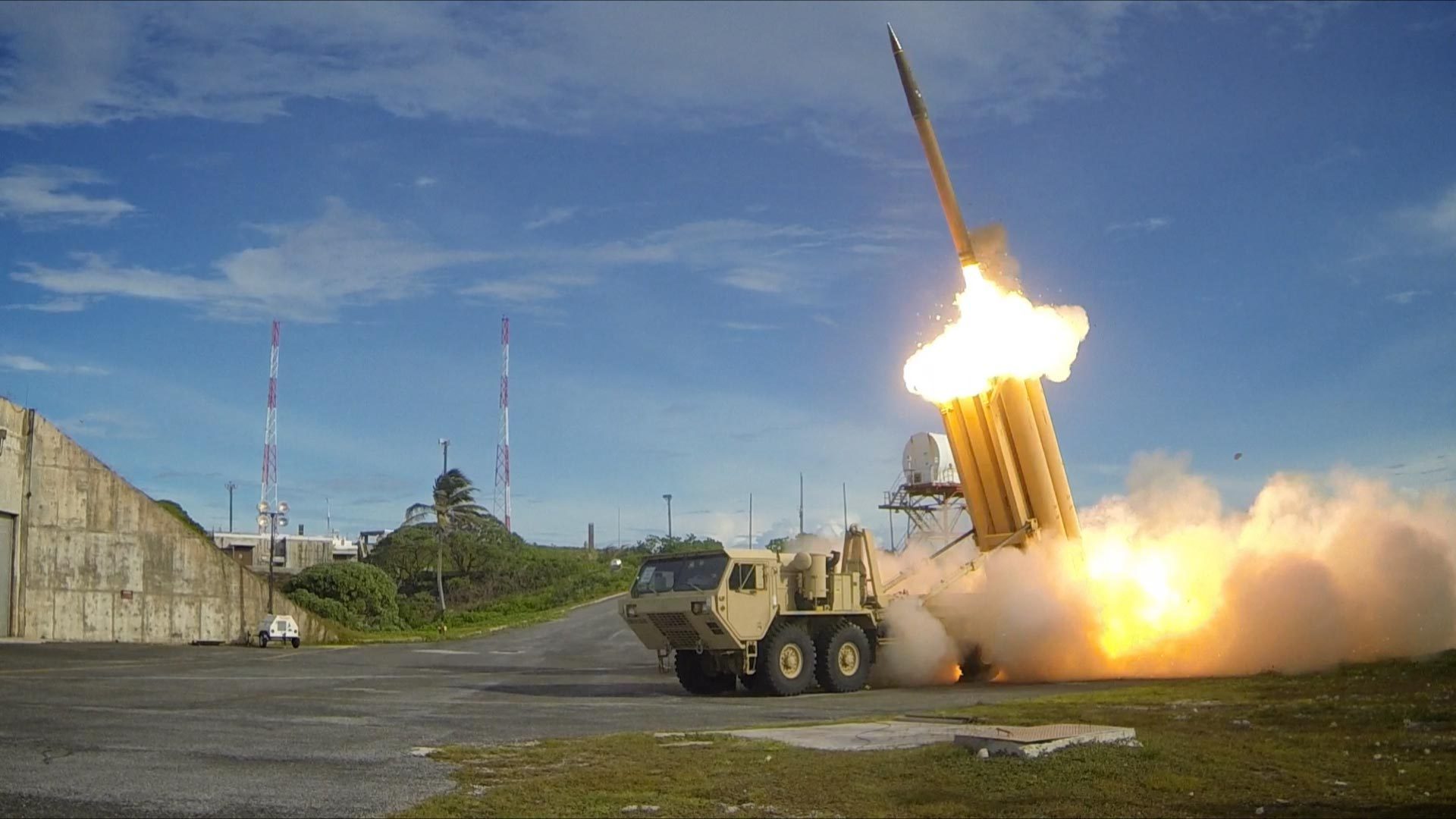
Meanwhile, Strategists also warn that the shortages create near- to medium-term risks for U.S. readiness in other theaters, particularly a potential conflict with China in the western Pacific. “Expended munitions create a near- to medium-term risk for U.S. readiness to fight a war against China in the western Pacific,” the report stated.
In the near term, Washington is unlikely to spare Patriots for Ukraine, which continues to face intense Russian attacks and has repeatedly requested additional interceptors. Russia has been exploiting the vacuum in air defense coverage to strike Kyiv with lethal ballistic and hypersonic missiles, as the EurAsian Times reported.
Pentagon Boosting Interceptor Production
Noteworthy steps have been taken in 2026 to rapidly expand production of Patriot (primarily PAC-3 MSE) and THAAD interceptors.
These efforts use a new “Acquisition Transformation Strategy” approach that emphasizes multi-year framework agreements, undefinitized contract actions (UCAs), long-term demand signals, and parallel investments in facilities, the workforce, and bottleneck components.
For instance, the US Army awarded Lockheed Martin a contract on July 29 worth up to $58.6 billion to produce Patriot interceptor missiles.
This comes after the US awarded Lockheed Martin a $4.7 billion contract in April 2026 to accelerate the production of the Patriot Advanced Capability-3 (PAC-3) Missile Segment Enhancement (MSE) interceptors. The agreement stipulated that the annual output of PAC-3 MSE interceptors would be increased from nearly 600 to 2,000 units.
The Army states that the latest contract establishes a multiyear procurement strategy for the interceptors from fiscal 2026 through 2032 by converting a prior one-year deal awarded in April into a seven-year draft agreement.
The Pentagon Munitions Acceleration Council (MAC) also reportedly signed an emergency procurement agreement with key vendors to boost production.
Meanwhile, Lockheed has stated that it is investing $8–9 billion through 2030 across more than 20 sites in the United States.
Additionally, the US has agreed to grant Ukraine a license to produce Patriot interceptors, making it the latest European country to manufacture these prized munitions, alongside Germany, Romania, and Poland.
Not just that, Lockheed Martin announced the introduction of the PAC-3 Adapted Capability Effector (PAC-3 ACE), a low-cost interceptor built to defeat a wide range of threats for less than half the cost of a PAC-3 MSE.
As for THAAD, the Pentagon signed a framework with Lockheed Martin to quadruple annual production from 96 to 400 interceptors.
The framework was intended to lead to a formal contract award (subject to congressional appropriations). This was later executed in June 2026 with an undefinitized contract action (UCA) valued at up to $35 billion to increase manufacturing through 2030.
The Pentagon, in collaboration with L3Harris and Lockheed Martin, announced two historic seven-year framework agreements earlier this week to increase production capacity for critical components of the Terminal High Altitude Area Defense (THAAD) and the Patriot Advanced Capability-3 (PAC-3) Missile Segment Enhancement (MSE) interceptors.
- Contact the author at sakshi.tiwari13 (at) outlook.com
- Follow EurAsian Times on Google News