Russian strikes on Ukraine have killed at least seven people as Kyiv said it had hit several Russian tankers, in fresh attacks just hours ahead of a meeting between US President Donald Trump and Ukraine’s Volodymyr Zelensky in Ankara.
Russia has struck Kyiv with several large, deadly attacks over the last week — killing more than 50 this month in a spate of ballistic missile and drone strikes.
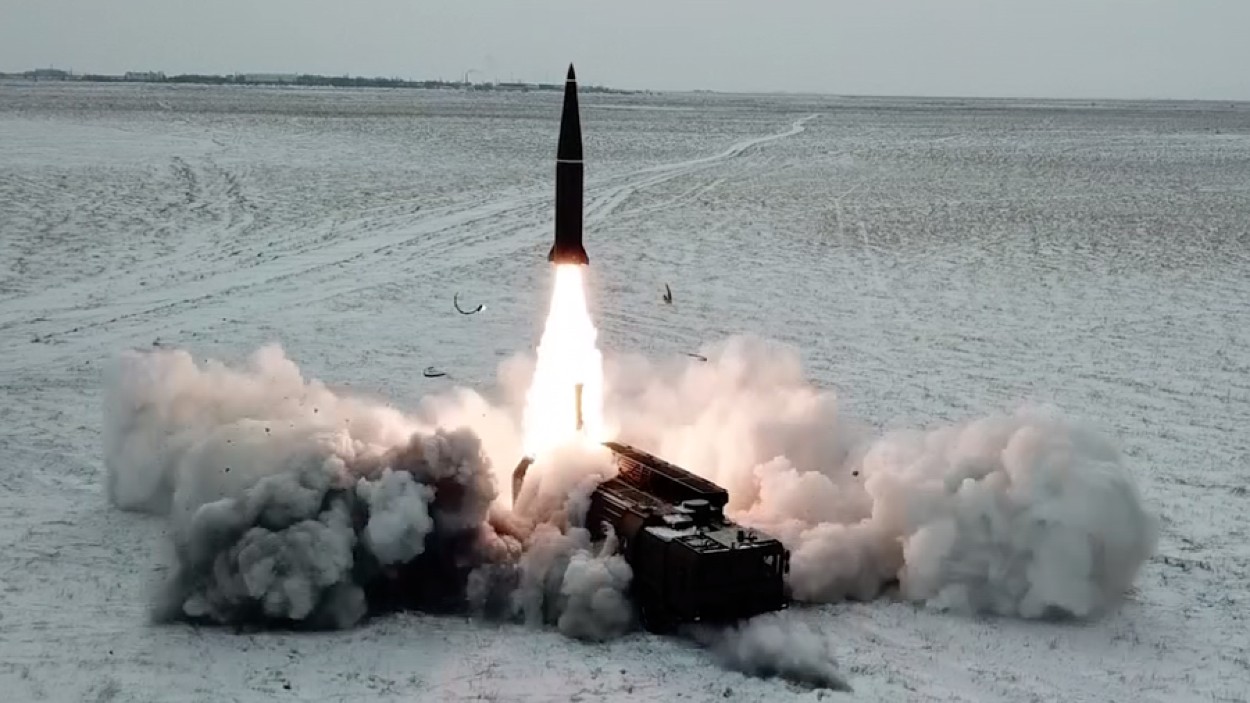
Earlier, Zelensky said that the country’s air defense units were unable to shoot down Russian Zircon hypersonic missiles and Iskander ballistic missiles.
Although the Ukrainian defenders were able to down drones and cruise missiles, all of the sophisticated missiles launched by Russia struck their targets, causing extensive damage and civilian casualties.
“Our warriors showed good results today in shooting down drones and cruise missiles, but, unfortunately, not against Russian ballistics. And the reason is precisely the insufficient supplies of interceptor missiles,” Zelenskyy wrote on X.
All six Zircon hypersonic cruise missiles and 23 short-range Iskander ballistic missiles penetrated Ukrainian air defenses, according to the Ukrainian Air Force.
Notably, the 3M22 Zircon is a scramjet-powered hypersonic cruise missile capable of exceeding Mach 8 and performing exceptional maneuvers, making it extremely difficult for most air defense systems to track and intercept.
Meanwhile, the Iskander-M is a quasi-ballistic missile that performs evasive maneuvers in the terminal phase. In fact, the Iskander has been upgraded with an updated 9B899 module, which makes it harder to detect by employing decoys, dipole reflectors, and heat traps during the terminal phase of flight, as EurAsian Times reported at the time.
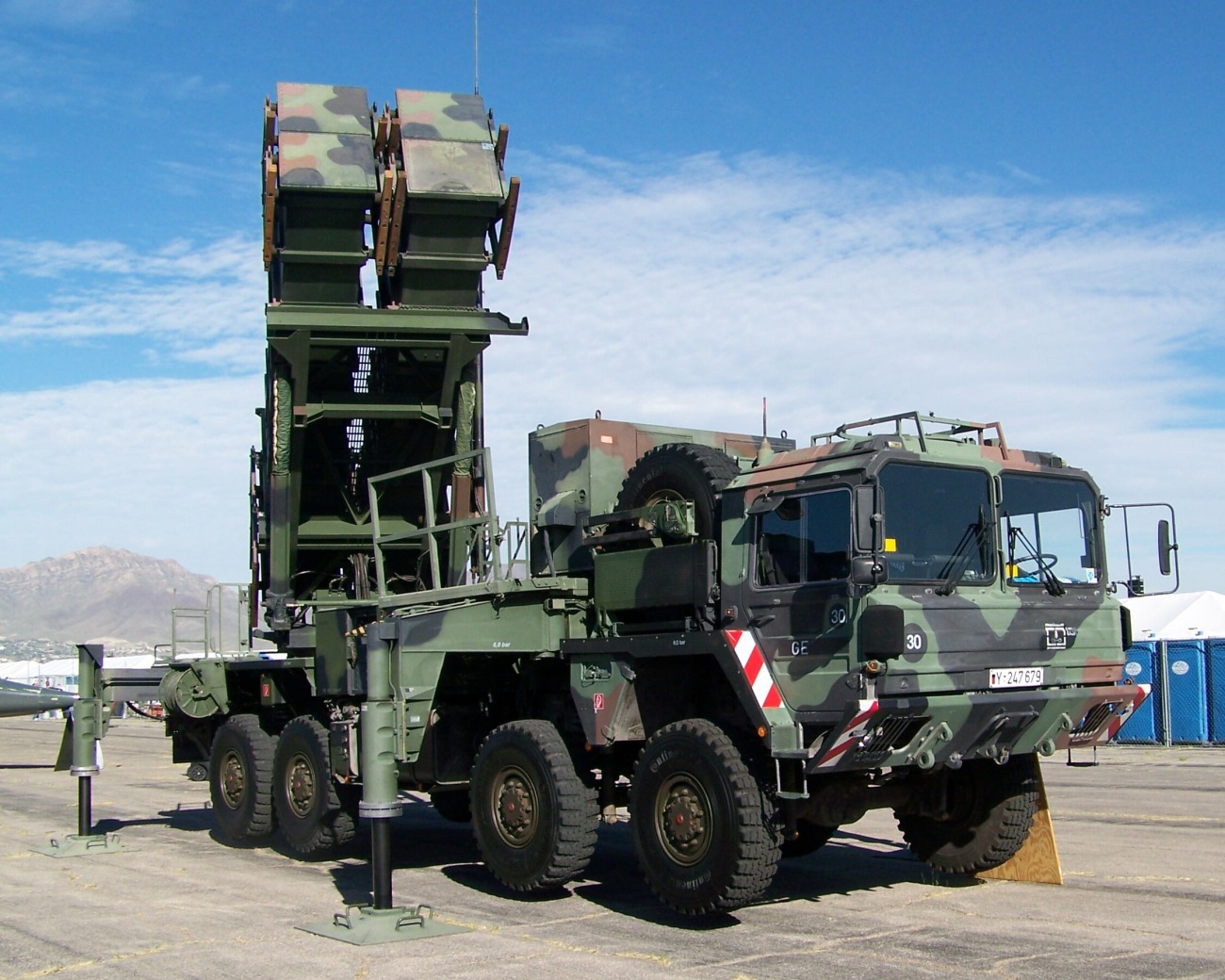
Ukraine’s primary reliable counter to these threats is the Patriot interceptors, which means their shortage leaves Ukraine undefended against a Russian onslaught.
In fact, the spokesperson for the Ukrainian Air Force, Yuriy Ignat, has alleged the Russian military “is deliberately exploiting Ukraine’s shortage of Patriot interceptor missiles by relying heavily on ballistic weapons, which are far more difficult to intercept than cruise missiles or drones.”
Notably, the US has been sending Patriot missiles to Ukraine, among other weapons and munitions—including through the Prioritized Ukraine Requirements List (PURL), a new system wherein NATO nations pay for the transfer of weapons from the US. However, Zelenskyy has repeatedly warned that the current delivery pace under the PURL program is not keeping pace with Russian attacks.
In May 2026, Zelenskyy told the White House and Capitol Hill in a letter that Ukraine urgently needs additional Patriot missile systems amid intensifying Russian ballistic missile attacks on Ukrainian cities. Additionally, he offered to set up Patriot production under license in Ukraine amid global shortages and production-related constraints.
However, these calls have mostly gone unheeded as the US grapples with the shortage of key interceptors after its high-voltage war with Iran, and other allies stare at uncertainties.
The US spent about 1,060 to 1,430 Patriot interceptors from its pre-war inventory of 2,500, as noted in a report published by the US-based think tank, the Center for Strategic and International Studies (CSIS). Meanwhile, other NATO allies are apprehensive about parting with their own stockpiles to help Ukraine amid looming security threats in the region.
Earlier this year, the Pentagon and Lockheed Martin signed a historic seven-year framework agreement to more than triple the yearly production capacity of PAC-3 Missile Segment Enhancement (MSE) interceptors, from about 600 to 2,000 by 2030. Boeing, on the other hand, is tripling production of the critical active radar seekers for PAC-3 MSE missiles.
Despite these measures, missile production is expected to take time.
On its part, Ukraine does realize that relying solely on donations and purchases from the US and other NATO allies is unsustainable. In fact, the country is reportedly developing a new air defense system called Freya in collaboration with Europe, which it has positioned as a lower-cost alternative to the US’s MIM-104 Patriot system,
“If everything goes well, we will have the first interceptions by the end of the year,” Ukrainian arms maker Fire Point, developer of Freya, stated.
In the short term, Ukraine needs Patriots, especially since it has itself upped the ante by intensifying long-range attacks on Russia’s energy infrastructure. Patriots are central to Kyiv’s defense because they can intercept everything from aircraft to tactical ballistic and cruise missiles, depending on the interceptor used.
Ukraine, on its part, has made some impressive kills with Patriot missiles, such as the Kinzhal hypersonic missile, which Russian President Vladimir Putin positioned as invincible. Additionally, the Patriots have been credited with downing the Su-34 Fullback, Su-35 Flanker-E, and A-50 radar aircraft, among others.
However, the Patriot shortage in Ukraine’s arsenal means that Russia could use all these assets with near impunity, creating a dangerous “window of vulnerability” for Ukraine.
It is noteworthy that Ukraine’s public complaints come ahead of the NATO Summit to be held in Ankara, Turkey, on July 7 and 8, 2026, where Zelenskyy is expected to make fresh calls to its allies to expedite deliveries.
“It is extremely important for the world, first and foremost America and our European partners, to emerge from the NATO summit in Ankara with strong decisions to support our air defense, and thus the protection of ordinary people’s lives. “As long as missiles for ‘Patriots’ remain in the warehouses of allies, it only encourages Russia to continue ‘defeating’ residential buildings. The United States and Europe have enough power to stop this terror,” the Ukrainian President wrote on X.
Trump says Ukraine can make Patriot missiles
US President Donald Trump said on Wednesday that Washington would grant Kyiv “the right to make” prized Patriot air-defense systems to repel deadly Russian strikes, without providing a timeline for the pledge.
Ukraine has been struggling to down Russian ballistic missiles since this year’s US-Israeli war against Iran hit supplies of the crucial US-made Patriot interceptors.
“So one of the things we’re going to be talking about is we’re going to give a license to you to make Patriots. That’s pretty cool, right,” Trump told Ukrainian President Volodymyr Zelensky on the sidelines of the NATO summit in Ankara.
“We haven’t informed the company of that yet, but that’ll work out all right,” he said, without elaborating.
Given the lengthy production times, the license to make the Patriot, one of the world’s most sophisticated air defense missiles, may not immediately solve Ukraine’s problems. According to the US Foreign Policy Research Institute, it would take up to 24 months to produce the air defense missile and 30 months to produce its engine.
Trump said that those strikes could help to end the war.
“It’s an escalation, but it’s also an escalation that can help lead to an end,” Trump said.
Trump and Zelensky appeared to strike a more cordial tone at the meeting, marking a departure from the acrimonious clash in the Oval Office last year. “It’s hard to believe, from the Oval Office to now, we’ve developed a very good relationship,” the US president said.
Poland Sent Patriots To Ukraine
While Zelensky chastised NATO allies for not doing enough and not sending Patriots from their stockpiles, a controversy has erupted in Poland over secretly supplying Patriots to Ukraine.
Deputy Marshal of the Sejm and co-leader of Poland’s far-right, anti-Ukrainian Confederation party, Krzysztof Bosak, asserted on July 4 that the Polish government had covertly sent Patriot interceptor missiles to Ukraine in March 2026.
He alleged that they were the only missiles in the Polish Armed Forces capable of intercepting Russian Iskander missiles, adding that “Poland purchased them from the US to build a layered air defense system.”
On July 6, the Polish defense minister reportedly pushed back against the narrative that Poland had compromised its own security by arming Ukraine with Patriot interceptors. Władysław Kosiniak-Kamysz defended the delivery by asserting that it “represents a margin” of Poland’s defense capacity and “does not impact Poland’s air defense capabilities.”
Kosiniak-Kamysz stated that the delivery was made at the request of NATO allies, notably the US European Command and the alliance’s secretary general.
In response to questions about transparency regarding the shipment, the defense minister stated that the National Security Bureau and the office of Poland’s president received reports on the transfer. However, the controversy has prompted Kosiniak-Kamysz to order the publication of information on all military donations to Ukraine.
- Contact the author at sakshi.tiwari13 (at) outlook.com
- Follow EurAsian Times on Google News