US President Donald Trump has hinted that a peace deal with Iran was all but done. In a social media post, Trump hailed a “GREAT AND BRILLIANT DAY FOR THE WORLD!”
The celebratory tone continued with a series of shout-outs to mediator Pakistan and Gulf allies — and a rebuke to NATO to “STAY AWAY” as he rejected an offer from the Western alliance to help secure the strait.
Iran had earlier said it would open the Strait of Hormuz for the duration of the ceasefire, while the UK and France announced they would lead a multinational mission to ensure freedom of navigation in the strait.
“Iran has agreed to never close the Strait of Hormuz again. It will no longer be used as a weapon against the World,” Trump said in one of around a dozen posts on his Truth Social network.
Trump also said that Iran was removing sea mines from the strait, with US help.
He had earlier said “THANK YOU!” to Iran over the Hormuz reopening, while insisting that an American blockade of Iranian ports would remain in “full force” until the culmination of a peace deal. “This process should go very quickly in that most of the points are already negotiated,” Trump said.
US-Iran talks led by Vice President JD Vance last weekend in Pakistan failed to reach a deal, but Trump has repeatedly hinted that a breakthrough was imminent. He had said earlier that Tehran had agreed to give up its uranium stockpile, that a second round of talks in Islamabad was likely, and that he himself might go to Pakistan to sign the landmark deal.
On Friday, Trump again talked up the likelihood of a nuclear deal while insisting that no money would change hands after an Axios report that Washington was considering a $20 billion cash-for-uranium exchange. “The U.S.A. will get all Nuclear ‘Dust,’ created by our great B2 Bombers – No money will exchange hands in any way, shape, or form,” Trump said in another post.
Trump, meanwhile, also talked up a 10-day ceasefire between Israel and Lebanon, saying Israel was now “prohibited” by Washington from bombing its neighbor.
The Lebanon conflict, triggered when Iran-backed Hezbollah struck Israel in response to the US-Israeli war on Iran, was widely regarded as a roadblock for any Iran deal.
“Israel will not be bombing Lebanon any longer. They are PROHIBITED from doing so by the U.S.A. Enough is enough!!!” said Trump, who had first announced the truce on Thursday.
Referring to a possible Iran deal, Trump added: “This deal is not tied, in any way, to Lebanon, but we will, MAKE LEBANON GREAT AGAIN!”
Trump’s hints at a deal continued as he thanked Pakistan’s “fantastic” Prime Minister Shehbaz Sharif and powerful army chief Asim Munir for brokering the Iran negotiations.
He also thanked Saudi Arabia, the United Arab Emirates, and Qatar for their “great bravery and help” after Iranian strikes on the region since the February 28 start of the US-Israeli operation against Iran.
NATO got another savaging from the US president over its refusal to join the Iran war or to contribute to opening the Strait of Hormuz. “Now that the Hormuz Strait situation is over, I received a call from NATO asking if we would need some help. I TOLD THEM TO STAY AWAY, UNLESS THEY JUST WANT TO LOAD UP THEIR SHIPS WITH OIL,” Trump said on Truth Social.
“They were useless when needed, a Paper Tiger!”
Meanwhile, oil prices plunged more than 10 percent after Iran said the Strait of Hormuz would be “completely open” for the rest of the ceasefire with the United States, and stock markets surged.
Iran’s Foreign Minister Abbas Araghchi said on X that “passage for all commercial vessels through the Strait of Hormuz is declared completely open for the remaining period of the ceasefire”.
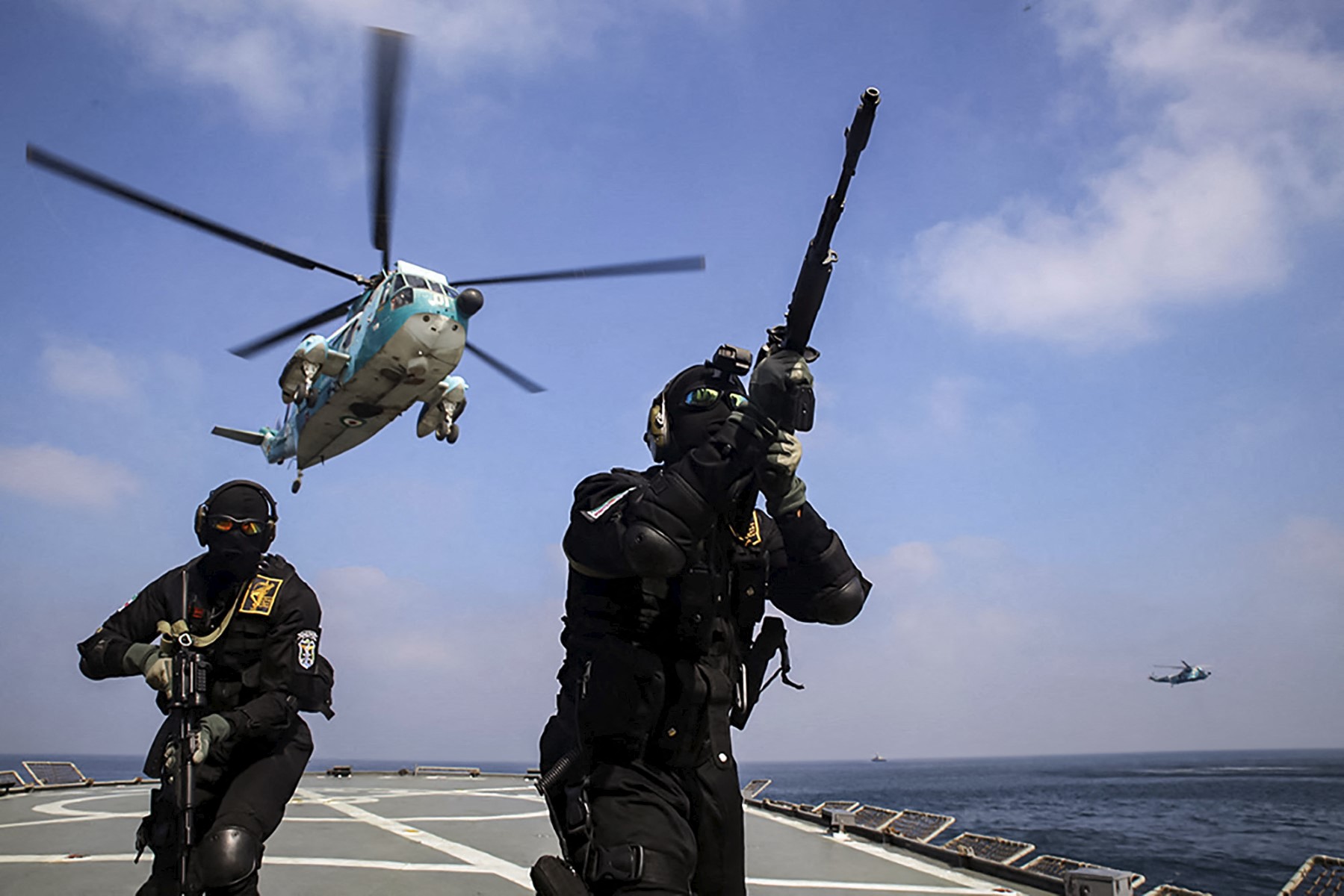
The strategic waterway, through which one-fifth of the world’s crude oil normally flows, has been disrupted by Iran since the US-Israeli offensive began, at one point sending oil prices to a peak of nearly $120 a barrel and threatening to disrupt the global economy.
Both Brent, the benchmark international contract, and its US equivalent WTI fell below $90 per barrel following Tehran’s announcement.
“This news is having an immediate impact on markets,” said Kathleen Brooks, research director at XTB.
Wall Street’s main stock indices jumped higher, with both the S&P 500 and the Nasdaq Composite building on record highs struck Thursday.
“This is the biggest development so far during the ceasefire, and it gives hope that the war will end soon, and supply chains will return to some normality,” Brooks said.
It was not clear whether Araghchi was referring to the 10-day truce agreed to by Lebanon and Israel, which went into effect late Thursday, or to an earlier two-week truce between Iran and the United States that began on April 8.
But Araghchi’s declaration bolstered hopes for further peace talks and a renewal of the ceasefire, despite US President Donald Trump saying that the US blockade of Iran’s ports remains in force.
Trump said that Iran and the US were cooperating in removing mines from the strait, and asserted that Iran had pledged not to close it again.
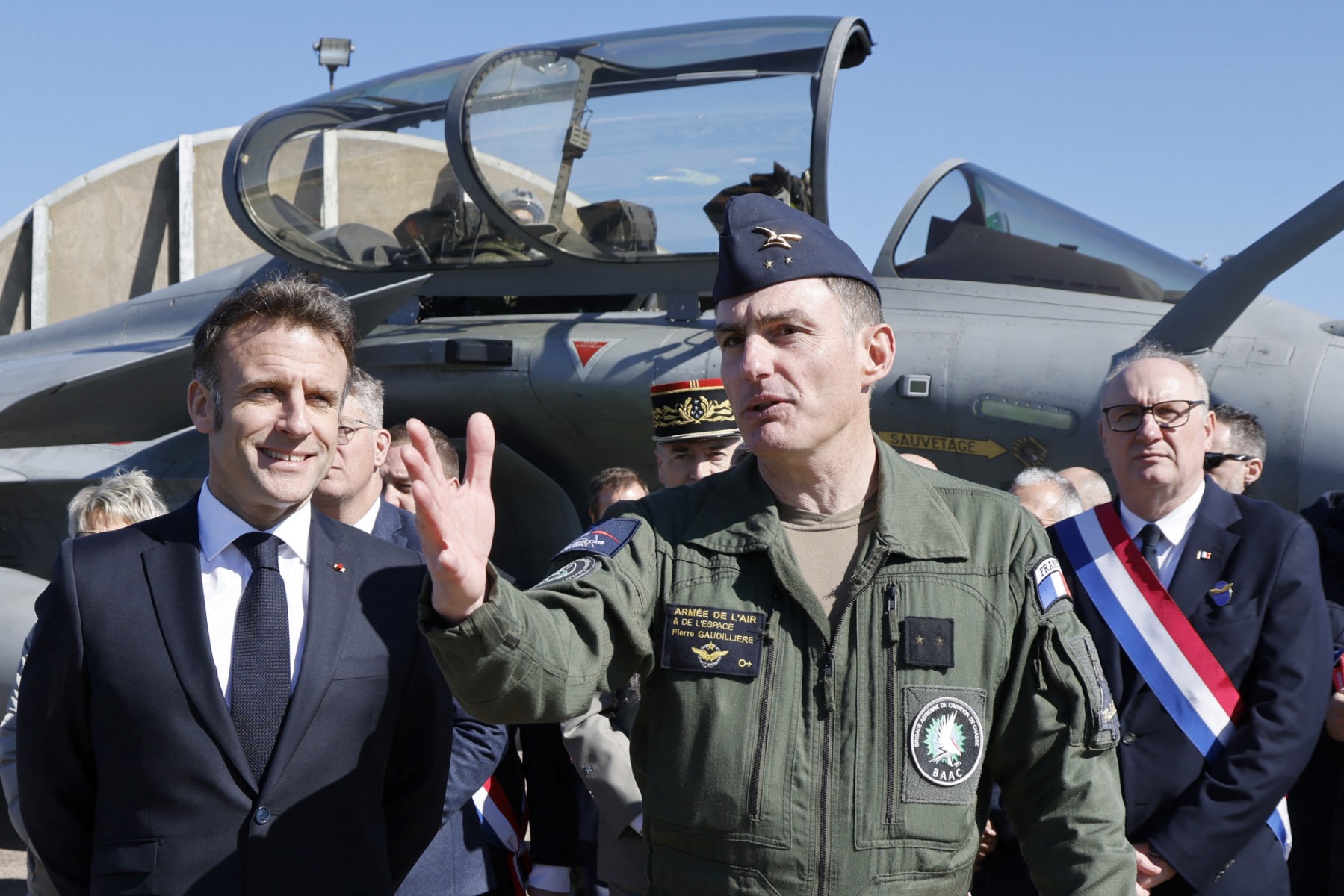
Meanwhile, France and Britain announced they will lead a multinational mission to ensure freedom of navigation in the Strait of Hormuz. They stressed the force would be entirely defensive — and only deployed once a peace in the region was agreed.
David Morrison at Trade Nation noted that the speed and magnitude of the S&P 500’s rebound — nearly 12 percent in just over two weeks — were reinforcing the rally.
“The sharpness of the move has caught many investors offside, particularly those who sold during the first few weeks of the war, either to flatten their exposure or go net short,” he said.
“Now these investors are having to pay up to re-establish their existing positions, or cover their shorts and suffer painful losses.”
He said the “fear of missing out” effect was also back as stock indices moved into record territory, especially as the first-quarter reporting season showed strong earnings growth.
By Agence France-Presse (AFP)