Despite the Makkah Defense Pact with Pakistan and Turkey, Saudi Arabia is now reportedly seeking help from Israel and Britain as Houthi forces push toward the Bab el-Mandeb Strait.
Israel and Saudi Arabia held talks mediated by US Central Command (CENTCOM) aimed at helping Riyadh defend itself against the Houthi military through intelligence assistance, Middle Eastern news outlet Walla reported, citing diplomatic sources.
According to the report, the Saudi request focused largely on intelligence support to build a broader picture of Houthi military deployments in the area and identify potential plans for future operations.
The Saudi-Israeli talks come at a delicate time when the war between Saudi Arabia and the Houthis has escalated to a dangerous level.
The Houthis captured several strategic coasts and islands close to the Bab-el-Mandeb Strait in the Red Sea, threatening a complete naval blockade of Saudi Arabia and suffocating its oil supplies. Riyadh launched air strikes on Houthi positions.
According to Houthi sources, on September 14, Riyadh launched nearly 60 airstrikes on their positions.
Furthermore, on the night of September 14-15, Riyadh reportedly also launched a Chinese ballistic missile, DF-15, in Yemen at a Houthi position. However, the missile missed its target.
The Houthis, meanwhile, are targeting Saudi oil facilities and border towns. On September 14, the Houthis also targeted the King Khalid Air Base in Khamis Mushait, Saudi Arabia, with dozens of ballistic missiles and drones.
The rapid Houthi advance has left Riyadh with little room to maneuver, as it directly threatens Saudi Arabia’s own security, oil facilities, and crude exports.
On September 11, Axios reported that Saudi Crown Prince Mohammed bin Salman called President Trump twice and urged him to launch U.S. strikes on the Houthis as they advanced on Mokha and the Bab al-Mandeb Strait. Trump declined and offered intelligence support instead.
Meanwhile, Pakistan, a Saudi ally under the Mecca pact, also refused any military involvement, saying it is not considering any military action against the Houthis.
In utter desperation, Riyadh is now reaching out to new partners, Israel and the UK.
Bloomberg reported that Saudi Arabia asked Britain for aid in both repelling the Houthis from the Bab al-Mandeb Strait and helping defend against strikes on its oil infrastructure.
UK Prime Minister Andy Burnham reportedly agreed to send British military advisors to assist Saudi Arabia, but had not yet committed to sending any additional aid.
Riyadh has also reached out to Jerusalem for intelligence support.
Why Helping Riyadh Benefits Israel
Israel could provide significant support to Saudis, as Houthis are also a security threat to Jerusalem.
Since the October 7, 2023, Hamas terror attacks on Israel and its subsequent war in Gaza, Houthis have targeted Israeli shipping in the Red Sea and have even launched drone and missile attacks against the country.
Israel has also launched attacks against Houthi positions regularly since 2024.
At the same time, downgrading Houthi war-waging capabilities is also important for Israel to weaken Iran and its negotiating position.
By helping Saudis, Jerusalem could also expose the limits of the recent Mecca pact, signed between Saudi Arabia, Pakistan, and Turkey.
When the Mecca Pact was signed, it was assumed to be directed at three countries: India, Iran, and Israel.
The Mecca Pact has a mutual defense clause similar to NATO’s Article 5, which says that any armed attack against one country will be considered an attack against all three.
However, despite the Houthi attacks on Saudi Arabia, Pakistan and Turkey have so far refused to come to Riyadh’s help.
By helping Riyadh at this moment, Israel could expose the fault lines in the alliance, break its unity, and undercut Turkey’s rising influence in the region.
The message from Israel is clear: Gulf countries should turn to Jerusalem and not Ankara for safeguarding their security.
Earlier, Israel also helped the UAE during the Iran War.
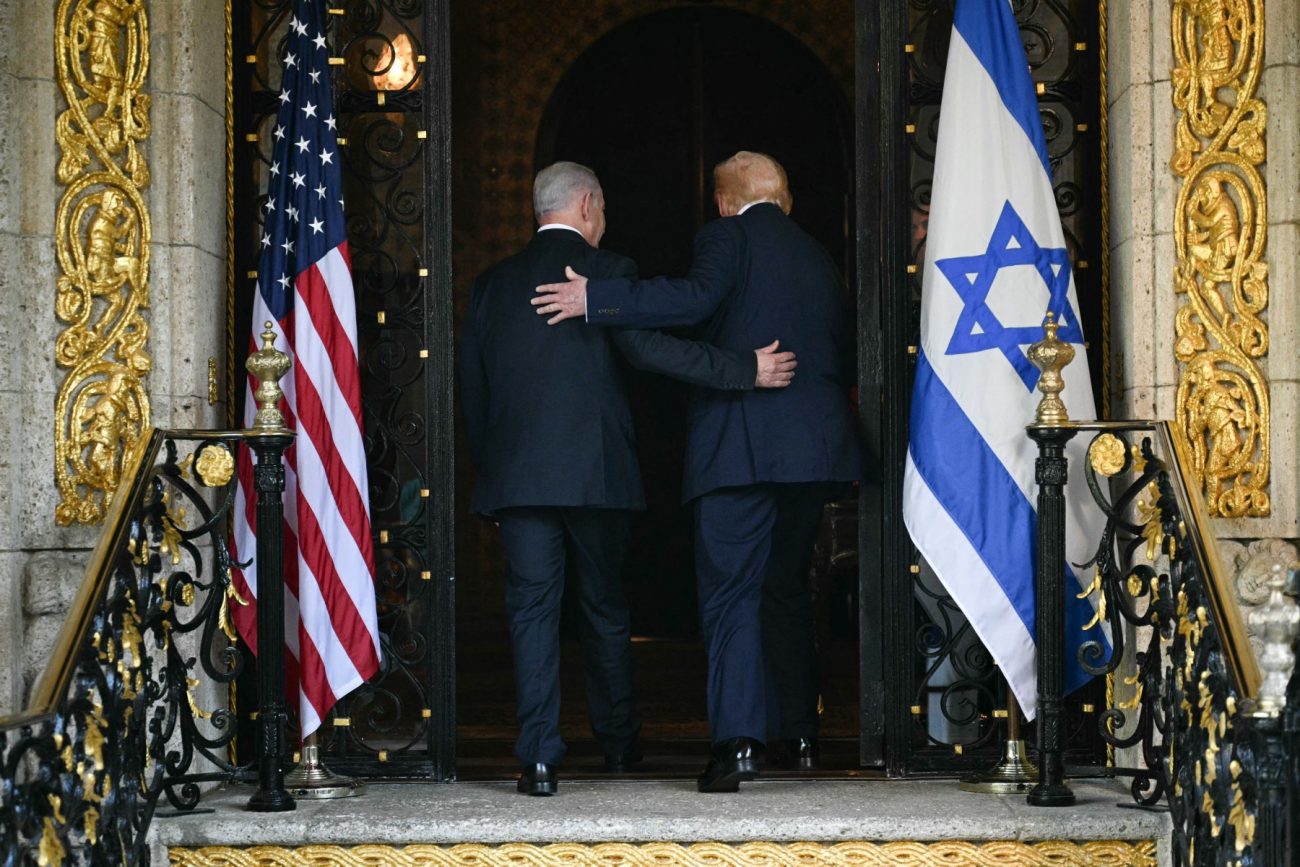
Israel provided several forms of military assistance to the UAE during the 2026 Iran war.
Notably, Iran disproportionately targeted the UAE during the war, launching thousands of drones and missiles at the country.
Israel deployed an Iron Dome system to the UAE early in the war, along with several dozen IDF troops to operate it. This was the first operational use of Iron Dome outside Israel and the United States. It intercepted dozens of Iranian missiles.
Israel also sent a version of its Iron Beam high-energy laser system to help intercept short-range rockets and drones.
Israel also provided the Spectro drone detection system, which can detect incoming drones, including Shahed types, from up to 20 km away.
Israel also shared real-time intelligence with Abu Dhabi. More importantly, several IDF troops were also present on the ground in the UAE to help operate the Israeli air defense system and other weapons platforms.
Now, Israeli help to Saudi Arabia will further cement Jerusalem’s reputation as a credible security provider in the region.
However, Israel’s ultimate goal could be to bring Saudi Arabia into the Abraham Accords.
Before the October 7, 2023, Hamas terror attacks, four Islamic countries — the UAE, Bahrain, Morocco, and Sudan — had already signed the Abraham Accords, granting diplomatic recognition to Israel.
Kazakhstan joined it in 2025.
Before the 2023 terror attacks, Saudi Arabia was also moving to sign the Abraham Accords; however, the October 2023 terror attacks disrupted the process.
If Saudi Arabia, as the custodian of two of the holiest shrines in Islam, joins the Abraham Accords, then it would be a big diplomatic victory for Israel, as it would also pave the way for other Islamic countries to sign the accords.
Therefore, providing military and other intelligence support to Saudi Arabia against the Houthis is in Israel’s own self-interest.
However, analysts are warning that as long as the Iran War continues, Riyadh will not move forward on the Abraham Accords.
Israel is unlikely to find the opportunity to improve relations with Saudi Arabia despite Riyadh’s efforts to expand intelligence sharing and military assistance in its fight against the Houthis, Dr. Brandon Friedman, director of research at the Moshe Dayan Center for Middle Eastern and African Studies at Tel Aviv University, told The Jerusalem Post.
Dr. Friedman noted that while it would be logical for Israel to collaborate with Saudi Arabia, given their shared enemy in the Iranian axis, Jerusalem is unlikely to extend significant support to Riyadh till October elections are over in Israel.
Any support Riyadh would receive from Israel would need to happen “quietly,” because of their “own domestic political needs,” Friedman said.
At the same time, Israeli help is critical to Saudi Arabia, especially at a time when its traditional ally, the US, and Mecca Pact allies are refusing to come to its aid, and Houthis are advancing at lightning speed.
Checking Houthi advances is critical for Saudi security, oil exports, economy, and its diplomatic standing in the region. Additionally, monitoring Houthi advances is critical for balancing Iran.
Meanwhile, helping Riyadh in its fight against the Houthis serves Israel’s own security and diplomatic interests.
This rare overlap in Saudi and Israeli strategic interests creates a strong opportunity for the two countries to cooperate.
- Sumit Ahlawat has over a decade of experience in news media. He has worked with Press Trust of India, Times Now, Zee News, Economic Times, and Microsoft News. He holds a Master’s Degree in International Media and Modern History from the University of Sheffield, UK.
- He can be reached at ahlawat.sumit85 (at) gmail.com