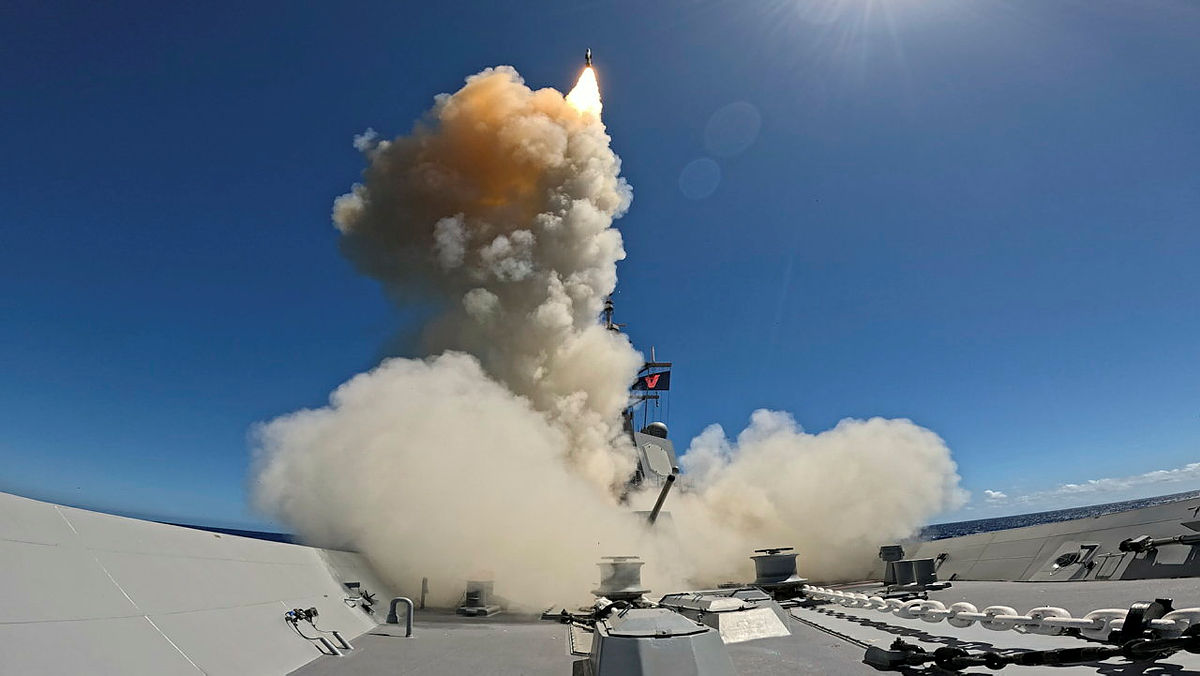
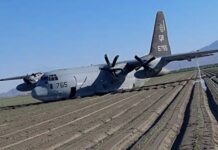
The recent summit between US President Donald Trump and Chinese President Xi Jinping may have projected an image of renewed engagement; however, while two Presidents negotiated above the surface, their navies were preparing for a contest in which nuclear-powered attack submarines (SSNs) could play a decisive role.
The strategic rivalry between Washington and Beijing seems to be moving on a very different track—especially under the waters of the Indo-Pacific.
At the moment, the United States may have a substantial lead in the number of SSNs, technology, and operational experience, but China is rapidly catching up by expanding its undersea capabilities.
In its quest to narrow the gap with the US, China has entered a race for undersea advantage across the Indo-Pacific, which could shape deterrence, sea control, and the strategic balance of power for decades to come.
For maritime domination, both SSNs and SSBNs (nuclear-powered ballistic missile submarines) play critical roles.
SSBNs primarily provide nuclear deterrence by ensuring a credible second-strike capability, whereas SSNs are essentially designed to conduct hunter-killer missions, including tracking and, if necessary, engaging adversary SSBNs, as well as escorting carrier strike groups (CSGs) for sea control missions.
As Korean scholar Dongkeun Lee points out, in the context of the Indo-Pacific, SSN operations can be broadly classified into two primary missions: (1) countering SSBN capabilities and (2) escorting CSGs. The former is closely associated with nuclear deterrence, whereas the latter reflects the traditional sea power function of controlling and protecting key sea lines of communication (SLOCs).
Both missions are particularly important in this part of the world as its principal flashpoints, including the East China Sea, the South China Sea, and the Taiwan Strait, are all maritime domains. Maintaining credible naval capabilities, therefore, is essential to advancing both deterrence and broader strategic objectives in the region.
Incidentally, around one-third of global shipping traverses the South China Sea. The maritime gateways here are critical not only for China but also for Taiwan, South Korea and Japan.
American CSGs continue to play a major role in controlling and protecting these critical SLOCs. Consequently, SSNs play an equally crucial role in escorting CSGs. By providing lethal undersea capabilities that can silently target threats across multiple domains, including surface and subsurface targets, SSNs can effectively eliminate threats to aircraft carriers.
The United States permanently deploys an aircraft carrier to the Seventh Fleet, based in Yokosuka, Japan, and it is common for more than one CSG to be present in this region at any given time. SSNs’ presence here serves both to protect US carrier groups and to create the possibility of threatening Chinese nuclear submarines.
Likewise, the PRC is rapidly developing its own CSG capability to counterbalance that of the United States in the South China Sea. China’s Yulin naval base on Hainan Island is an important center for its nuclear submarine forces.
Until recently, the undersea dominance tilted heavily in favor of the US. But the alignments are fast changing.
Though the US Navy still leads with an all-nuclear fleet of 71 active submarines (including 51–53 SSNs/SSGNs), China has now surpassed Russia to command the world’s second-largest nuclear submarine fleet with an estimated 9 to 12 SSNs (such as the Type 093 and Type 093A/093B Shang-class) and 6 SSBNs (Jin-class Type 094), totaling roughly 32 active nuclear submarines across its entire naval forces that operate primarily in the Indo-Pacific region.
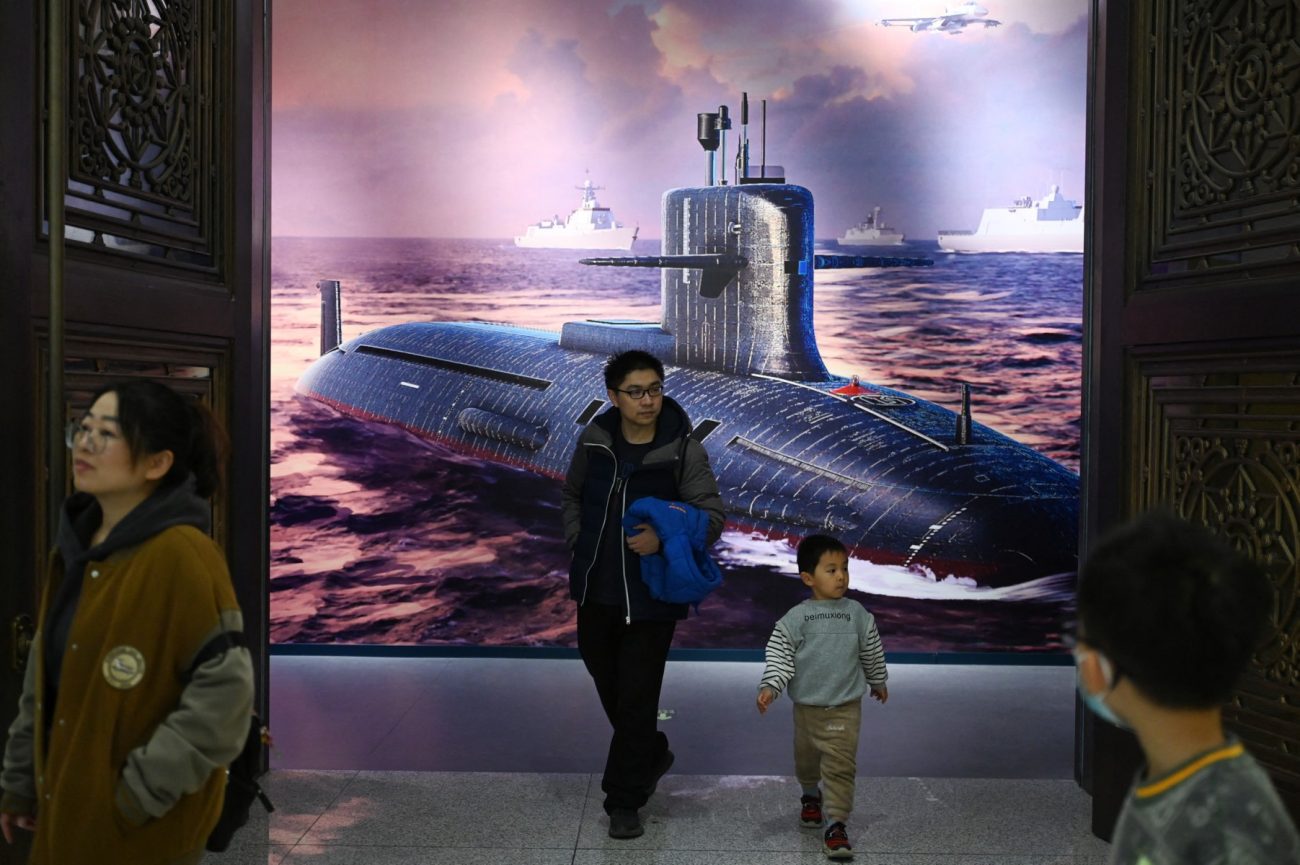
In a recent IISS assessment, China launched 10 nuclear-powered submarines between 2021 and 2025, totaling 79,000 tonnes, against America’s 7 boats at 55,000 tonnes. For the first time, China out-built the US in both numbers and tonnage in a five-year window, it is argued.
“Most significantly, this includes the seventh and eighth Type 094 (Jin) nuclear-armed ballistic-missile submarines (SSBNs), which come as part of the emergence of Beijing’s nuclear triad,” the IISS study says.
It noted that commercially available satellite imagery taken in early 2026 showed six Type 094s in total, spread between the Bohai Shipbuilding Heavy Industry Co (BSHIC) shipyard in Huludao, the 1st Submarine Base at Jianggezhuang, the Xiaopingdao test facility and the 2nd Submarine Base at Yalong Bay on Hainan Island.
“Allowing for additional boats either on deterrence patrol or under cover for refit during this period, it is almost certainly the case that China has launched a seventh and eighth Type-094 in 2024 and 2025, respectively,” the IIISS study concludes.
In addition to the Type 094s, Bohai is also producing nuclear-powered guided-missile submarines (SSGN) for the People’s Liberation Army, with the study suggesting that nine Type 093B (Shang III) boats have been launched between 2022 and this year, based on commercial satellite imagery of the facility and US government assessments.
Incidentally, in March this year, the US Navy’s intelligence chief, Rear Admiral Mike Brookes, testified before the US-China Economic and Security Review Commission (USCC) that China is undertaking a major shift toward building an all-nuclear submarine fleet as part of a broader effort to strengthen its undersea warfare capabilities and expand blue-water naval power.
According to Brookes, the People’s Liberation Army Navy (PLAN), which operates more than 60 submarines in total, including roughly 50 conventional diesel-electric boats (SSK) and a smaller number of SSNs and SSBNs, is transitioning away from conventional submarines toward a predominantly nuclear construction program to support sustained operations, strategic deterrence and sea-lane interdiction.
Brookes also pointed out that China had expanded submarine production infrastructure across three major shipyards, tripling construction hall capacity and more than doubling production capability to sustain higher output of advanced nuclear boats through the 2030s.
By 2027, China’s submarine force is projected to reach roughly 70 submarines, adding up to six SSGNs, three smaller-class SSNs, and two SSBNs while retiring older Chinese and Russian-built submarines. By 2035, continued expansion could yield up to 80 submarines, with about half nuclear-powered—a major shift in force composition—and projections for the early 2040s include around 20-30 new-class SSGNs and SSBNs.
These platforms will be designed from the keel up for blue-water operations and persistent presence beyond the first island chain, representing an evolution in PLA Navy undersea operational capabilities. China will likely field a more survivable and numerous ballistic missile submarine force equipped with longer-range, more accurate SLBMs, enabling patrols in bastions closer to home waters while holding the US homeland at risk.
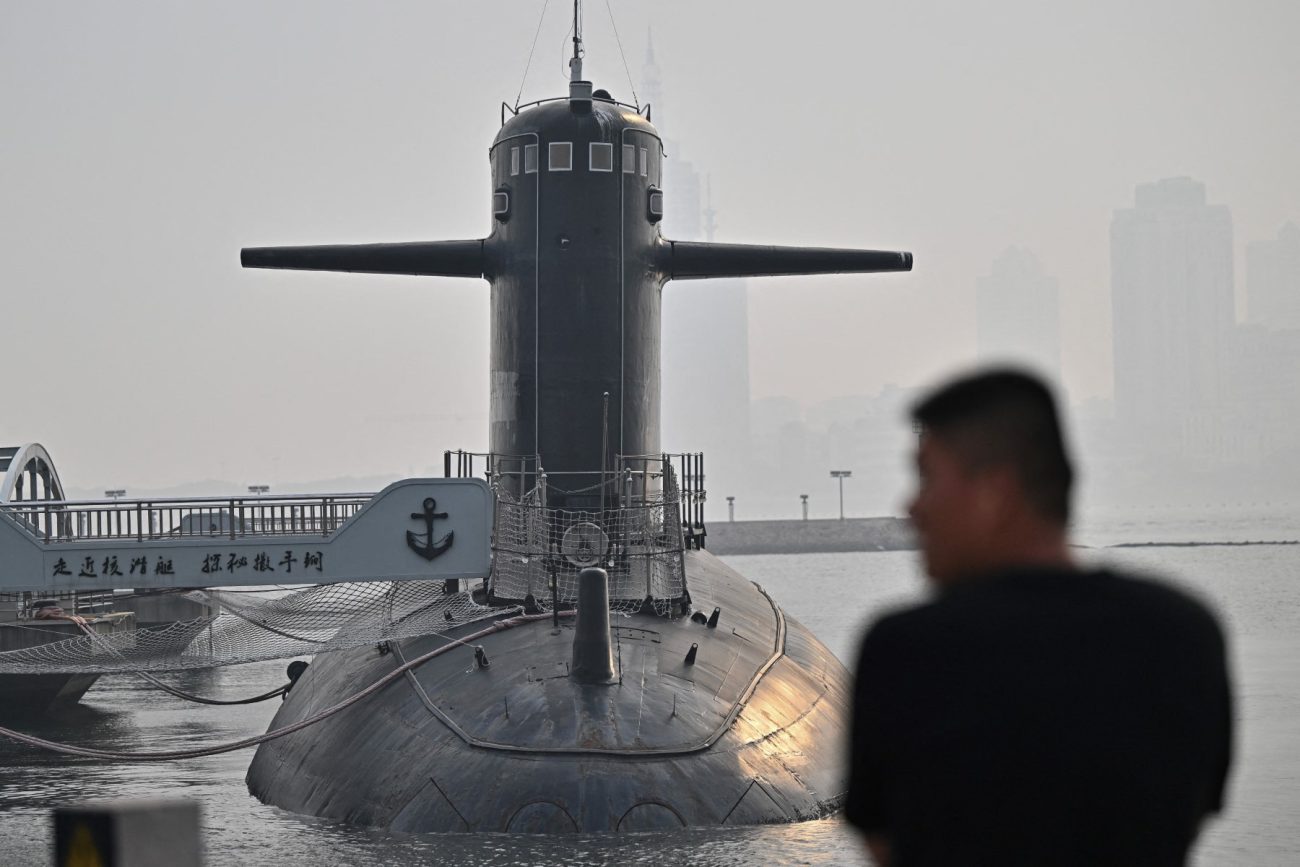
Broader deployment of long-range, potentially hypersonic anti-ship and land-attack missiles from undersea platforms is anticipated, along with more sophisticated torpedoes and unmanned vehicles for ISR, mine warfare, and strike missions. Substantial investments in seabed sensors, undersea cables, and unmanned systems will enhance China’s situational awareness while creating vulnerabilities for the US and allies in crisis or conflict.
The Indo-Pacific will remain the PLA Navy’s primary focus, but by 2040 routine submarine deployments to the Indian Ocean, Arctic approaches, and possibly the Atlantic are likely, Brookes cautions.
However, as noted above, the US Navy currently has superior acoustic quieting, combat experience, and highly advanced Virginia-class SSNs. But as the EurAsian Times once explained, the US has a backlog of 12 Virginia-class submarines, in addition to three Columbia-class ballistic submarines.
Its production rate of 1.2 per year falls far short of the required 2.33 per year to meet its own needs and those of its allies (under the AUKUS pact, it is supposed to provide at least three Virginia-class submarines to Australia in the early 2030s).
Only three US shipyards can build nuclear-powered attack submarines (Groton, Connecticut; Quonset Point, Rhode Island; and Newport, Virginia). Only two of them are functional at the moment.
While the US defense industrial base is severely strained, China’s naval shipyards are said to be outperforming. With about 9 older Shang I/II boats plus an estimated 16 Type 093B hulls in service, in trials, or under construction, China is said to have the largest SSN series under construction anywhere.
The 093B reportedly features a vertical launch system for 24 YJ-12/YJ-18 anti-ship cruise missiles and six torpedo tubes, shifting China from torpedo brawls to long-range strike.
In the Indo-Pacific, the undersea race seems to change three fundamentals.
First, the era of uncontested US undersea dominance is over. US SSNs have long hunted Chinese SSBNs inside their bastion, keeping Beijing’s deterrent vulnerable. But now, China can sustain continuous at-sea deterrence patrols from Hainan’s Yalong Bay, protected by surface fleet and seabed sensors. That forces US SSNs to operate closer to Chinese waters, at higher risk, stretching ASW resources thin.
Second, the proliferation of quiet Chinese SSNs with VLS—at least six SSGN hulls launched in the past five years with vertical launch systems that could fire high-speed anti-ship missiles displayed in Beijing—means every US carrier entering the Taiwan Strait or South China Sea now faces a multi-axis underwater missile threat. The carrier’s sanctuary beyond the first island chain, once assumed, is no longer safe.
Third, China’s rapid maritime expansion has fundamentally altered the Indo-Pacific security landscape, prompting Australia and Japan to aggressively build strategic counterweights. Rather than acting in isolation, Canberra and Tokyo have pivoted toward minilateral security alliances, military modernization, and supply chain diversification to offset Beijing’s growing naval dominance.
Australia and Japan, alongside the United States and the Philippines, have formalized a security grouping explicitly designed to counter Beijing’s aggressive maneuvers in the South and East China Seas. This alliance focuses on joint maritime patrols, intelligence sharing, and military interoperability to safeguard freedom of navigation under international law.
Driven by the need to project power across its vast northern approaches, Australia has fundamentally reshaped its defense posture. This is anchored by the AUKUS pact—enabling Australia to acquire conventionally armed, nuclear-powered submarines—positioning the nation as a formidable southern anchor against Chinese naval projection.
For India, which has no SSNs in service (it previously leased from Russia and now plans indigenous production) and operates only three SSBNs (Arihant, Arighaat, and Aridhaman), the implications are significant.
Against India’s slow naval expansion, Chinese nuclear submarines, including intelligence-gathering vessels, now regularly traverse the Indian Ocean.
Overall, one could say that “the silent service” in the Indo-Pacific is becoming loud.
During the Cold War, the submarine race was primarily fought in the Atlantic. Now, it is shifting to the Indo-Pacific, raising uncertainties over whether it will remain free and open.
- Author and veteran journalist Prakash Nanda is Chairman of the Editorial Board of the EurAsian Times and has been commenting on politics, foreign policy, and strategic affairs for nearly three decades. He is a former National Fellow of the Indian Council for Historical Research and a recipient of the Seoul Peace Prize Scholarship.
- The author can be reached at prakash.nanda (at) hotmail.com