Nearly four decades after the Soviet Union withdrew from Afghanistan in humiliation—driven out by fierce mujahideen resistance—Russia is staging a notable comeback in Kabul. This time, however, the roles have reversed: it is the Taliban regime itself that is actively welcoming Moscow back into the country.
After delisting the Taliban as a terrorist organization and becoming the first and only country to formally recognize the Taliban as Afghanistan’s official government, Russia has now signed a military agreement with the Taliban, deepening its military and security cooperation with the country.
The deal was signed on May 27 by Sergei Shoigu, secretary of Russia’s Security Council, and the Taliban’s defense minister, Mohammad Yaqub, on the sidelines of a security forum in Moscow, dubbed the “International Security Forum,” hosted by Russia.
This was the first high-level summit attended by Taliban officials after Russia recognized the group as the official government of Afghanistan in July 2025. Notably, no other nation in the world has done so.
Yaqoob said the Taliban and Russia have expanded their bilateral relations, and the group views cooperation with Moscow as carrying “important meaning”.
“Afghanistan and Russia have long and historical relations; in this direction, we want to move further. We have expanded bilateral relations,” Yaqoob, the son of the Taliban movement’s founder, Mullah Mohammad Omar, said at the meeting.
Russia and Taliban Sign Military-Technical Cooperation Agreement in Moscow
During an official visit to Moscow, the Taliban’s Defense Minister, Mullah Yaqoob Mujahid, signed a military-technical cooperation agreement with the Russian side at the inaugural International Security… pic.twitter.com/6iV4GUOjE3
— Aamaj News English (@aamajnews_EN) May 28, 2026
However, neither Russia nor the Afghan side has released the text of the military cooperation agreement or offered details about its scope.
In the absence of any publicly disclosed information about the terms and conditions of this military cooperation agreement, it is difficult to gauge whether the deal represents a significant historical shift or is merely political signaling by the Kremlin to the West.
Military-technical cooperation agreements can cover a wide range of activities, including joint military training, arms sales, training, maintenance, logistics support, intelligence sharing, or technical assistance.
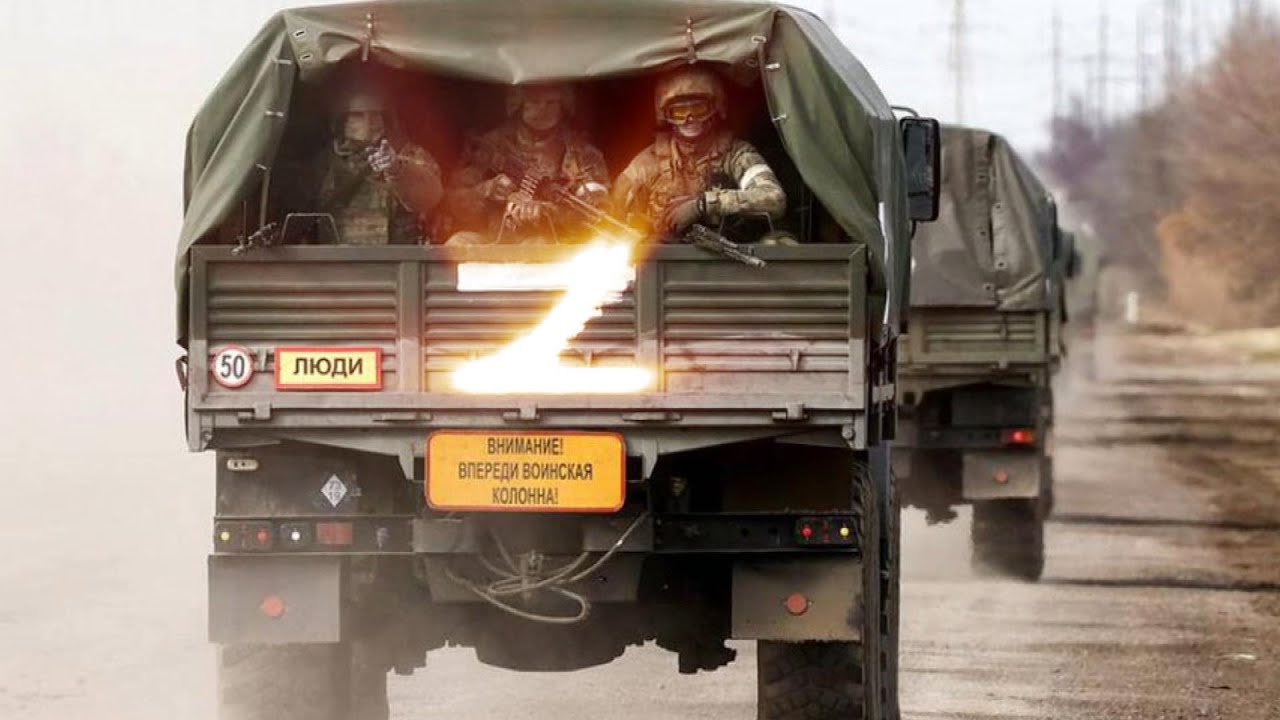
There were also apprehensions that, following the military agreement, the Taliban’s battle-hardened fighters could start turning up in Ukraine, where Russia has been waging a war since February 2022.
Notably, earlier, Russia had signed a mutual defense agreement with North Korea in 2024. The agreement included a NATO Article 5-style mutual defense clause, under which an attack on either country would be considered an attack on both.
Following the treaty’s ratification by both North Korea and Russia, thousands of North Korean soldiers started turning up in Kursk in Western Russia, which was temporarily occupied by Ukraine during the war. North Korea also provided Moscow with a large quantity of ammunition and long-range artillery guns.
According to the UK Ministry of Defense and other Western intelligence agencies, North Korea suffered more than 6,000 casualties (killed and wounded) during highly attritional infantry assaults in the region. They played a key role in the liberation of the Kursk region.
Latest Defence Intelligence update on the situation in Ukraine – June 15 2025.
Find out more about Defence Intelligence's use of language: https://t.co/1vB3QSA41N#StandWithUkraine 🇺🇦 pic.twitter.com/E8DnAa64eZ
— Ministry of Defence 🇬🇧 (@DefenceHQ) June 15, 2025
There are apprehensions that after North Korean soldiers in Kursk, Russia, could recruit Taliban fighters for asymmetric warfare in Ukraine.
However, experts believe that the chances of such an arrangement are extremely slim.
“Russia cannot expect any significant help from the Taliban, in terms of weapons or troops. In the absence of any detail on the agreement terms, it is actually hard to say what Russia can get from Afghanistan,” said Aleksei Zakhrov, a fellow at the New Delhi-based Observer Research Foundation think tank.
He pointed out the fundamental differences between Russia’s pact with North Korea, which included an explicit mutual defense clause, and Moscow’s agreement with the Taliban, which has not been publicly released.
Furthermore, North Korea sent its troops and weapons only when Russia agreed to share advanced missile technology with Pyongyang. Moscow, however, is unlikely to share such sensitive technologies with the Taliban.
The Taliban regime’s fragile and uncertain domestic position adds another dimension.
“The Taliban is currently struggling with rising instability in Afghan northern provinces and cannot fully protect the southern border with Pakistan. For this reason, Russia’s aid with repair of the military equipment or supplies of some outdated weapons would be quite timely. However, Russia would unlikely be keen to share sophisticated technologies for proliferation risks,” Zakhrov told The Independent.
Furthermore, Russia is neither in a position to supply a substantial amount of weapons to Afghanistan due to its war in Ukraine, nor is the Taliban in a position to buy a large amount of Russian weapons due to its precarious financial situation.
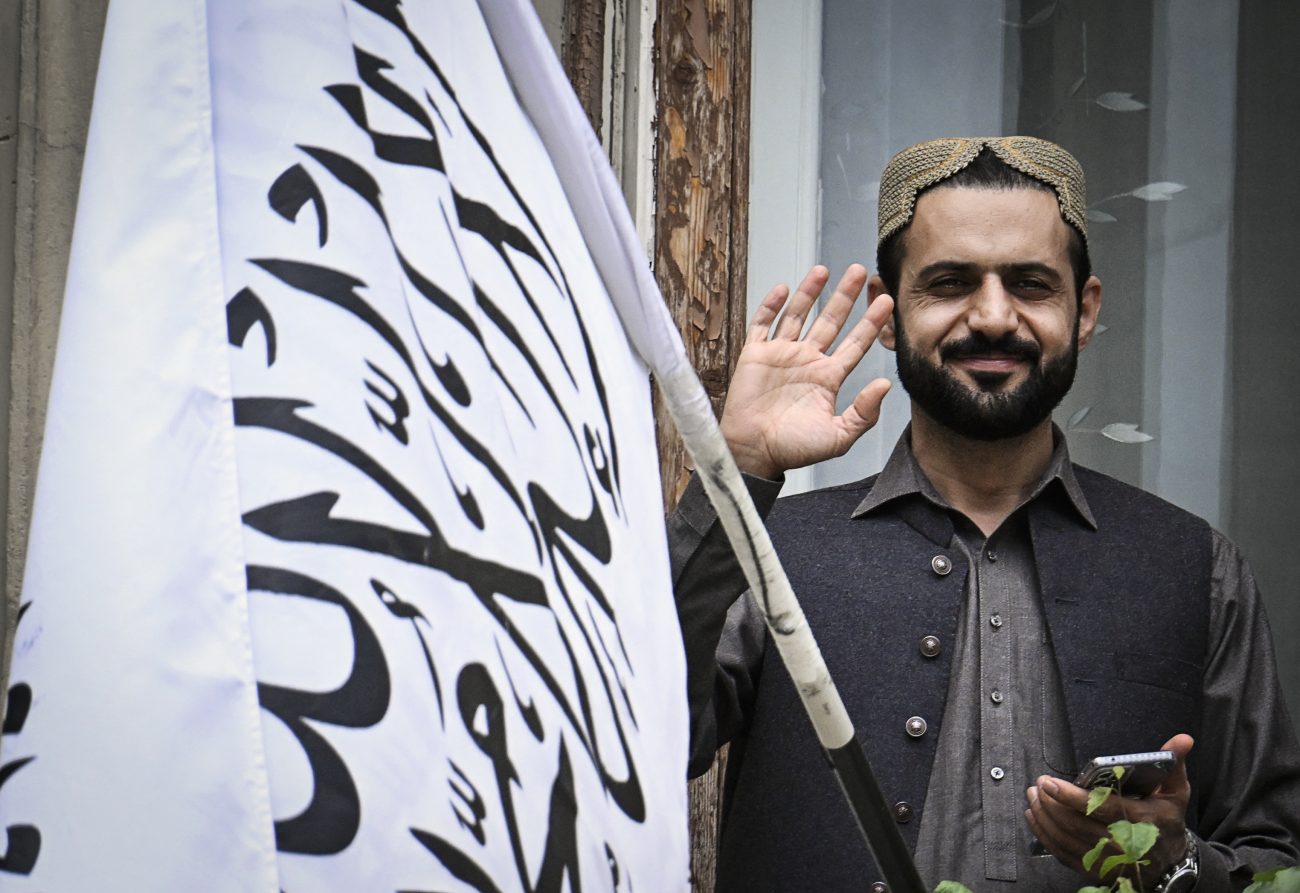
“Russia is too economically stretched to provide free military aid to the Taliban government,” said Hameed Hakimi, nonresident senior fellow at the Atlantic Council, a Washington-based think tank.
“Meanwhile, the Taliban government does not have deep coffers to purchase such a quantity of military equipment, which would make it a consequential military trading partner in Moscow’s eyes,” added Hakimi, who is also a senior research associate at ODI Global, a London-based think tank.
This raises the question as to what Moscow is expecting from the Taliban.
According to experts, Russia’s main concern is the rising footprint of IS-K (Islamic State in Khorasan) in the region. Apparently, both the Taliban and Russia see it as an existential threat.
IS-K has executed terror attacks in both Afghanistan and Russia, and has been trying to recruit from Uzbekistan, Tajikistan, Kazakhstan, and other Central Asian countries, which Russia considers its backyard.
Notably, the Afghanistan-based extremist group claimed responsibility for a March 2024 assault on a packed concert venue outside Moscow that killed nearly 150 people, the deadliest attack in Russia in two decades.
Aleksandr Bortnikov, head of Russia’s Federal Security Service (FSB), warned on May 26 that IS-K remains one of the most active and dangerous terrorist organizations operating in Afghanistan.
IS-K is “now actively recruiting from among citizens of Tajikistan, Uzbekistan, Kyrgyzstan, Kazakhstan, as well as labor migrants in Russia. Secret terrorist cells are being formed, and terrorist attacks are being planned,” Bortnikov said.
Besides, a military and security agreement with the Taliban will help the Kremlin extend its anti-Western alliance in Asia, which already includes countries like China, Iran, and North Korea.
Notably, both Russia and the US have been involved in Afghanistan for the last five decades. First, the Soviet Union invaded Afghanistan in 1978 and was militarily involved in the country until 1989.
Then, from 2001 to 2021, the US fought the Taliban and al-Qaeda in Afghanistan. Though the US withdrew from Afghanistan in 2021, Washington still wants to maintain influence in the region, and President Donald Trump has repeatedly expressed his desire to control the Bagram airbase.
Both Russia and the Taliban have made it clear that they are opposed to the US maintaining any military bases in Afghanistan.
“We consider unacceptable – both for our Afghan friends and for us – the return of military structures or facilities of the United States and NATO to Afghanistan or neighboring states under any pretext,” Shoigu said during the meeting.
Moscow is trying to frame itself as a counterweight to the West in the region.
During the security forum on May 27, Shoigu also reiterated Moscow’s calls on Western countries to unfreeze Afghan government assets held in foreign banks.
A military deal with the Taliban, however limited in scope, allows Russia to wean Afghanistan away from the Western camp and closer to Moscow.
On the other hand, the Taliban gets a powerful friend in Russia. A military agreement with Moscow will help the Taliban claim that its international isolation is ending.
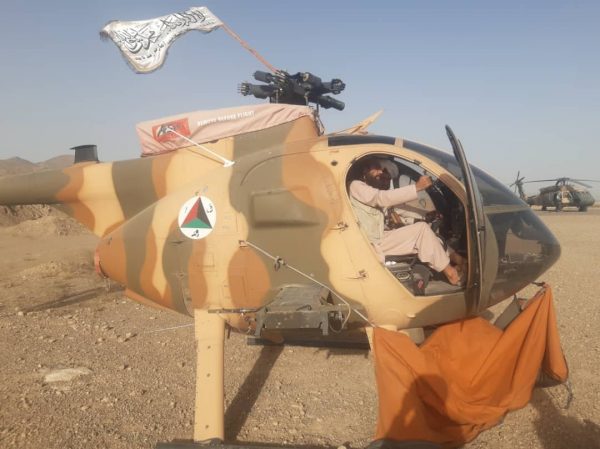
At the same time, Russia’s help in military training and in the maintenance work of weapons left behind by the US will be crucial for the Taliban at a time when it is in a regular state of war with its erstwhile backer, Pakistan.
Therefore, the agreement will help the Taliban project strength both at the domestic and international fronts.
- Sumit Ahlawat has over a decade of experience in news media. He has worked with Press Trust of India, Times Now, Zee News, Economic Times, and Microsoft News. He holds a Master’s Degree in International Media and Modern History from the University of Sheffield, UK.
- VIEWS PERSONAL OF THE AUTHOR.
- He can be reached at ahlawat.sumit85 (at) gmail.com