US military completes latest wave of strikes on Iran
The US military’s Central Command said it carried out a new wave of strikes on dozens of military targets in Iran.
“U.S. fighter aircraft, drones, and naval vessels launched precision munitions against Iranian missile and drone sites, naval capabilities, and coastal defense systems during the seven-hour wave to further degrade Iran’s ability to threaten commercial shipping and civilian crews,” CENTCOM said.
Earlier, CENTCOM said the strikes were aimed at “degrading Iranian capabilities used to attack commercial shipping in the Strait of Hormuz.”
Iran Guards say Hormuz will remain shut
Iran’s Revolutionary Guards said the Strait of Hormuz would remain closed until the United States ends its “acts of aggression” and warned that other regional oil export routes could also become targets.
“The enemy should know that now that its maritime raiders have blocked the Indian Ocean route for oil and gas exports to the world — thereby endangering the interests of America’s economic rivals — it should also expect the closure of other oil and gas export routes that serve the interests of the United States and its allies,” the statement said.
They did not elaborate on which routes could be affected.
“Oil and gas exports from the region will either be available for everyone or for no one,” they added.
Iran attacks US targets in Jordan, Kuwait, Bahrain
Iranian state-run television IRIB reported that Iran’s army and the Revolutionary Guards carried out separate attacks on US targets in Jordan, Kuwait, and Bahrain.
The army said it targeted the Al-Azraq base in Jordan with drones, IRIB reported. Separately, the Guards said they fired cruise missiles at a US military logistics center in Kuwait.
The Guards also said they struck facilities used by the US Fifth Fleet in Bahrain.
Kuwait and Jordan said they intercepted drones and missiles from Iran, while Bahrain’s interior ministry said sirens rang out.
Trump threatens Iranian power plants
US President Donald Trump said in an interview broadcast Tuesday that he would expand US strikes on Iran next week to target power plants and bridges if Tehran does not make a deal.
“Next week it gets really bad for them because next week comes the power plants. Next week comes the bridges,” Trump said in an interview with the US broadcaster Fox News.
“We’re going to knock out all their power plants. We’re going to knock out all their bridges unless they get to the table and negotiate.”
US naval blockade comes into effect
A renewed US blockade on Iranian ports came into effect at 2000 GMT Tuesday, preventing vessels from transiting to and from Iranian ports and coastal areas.
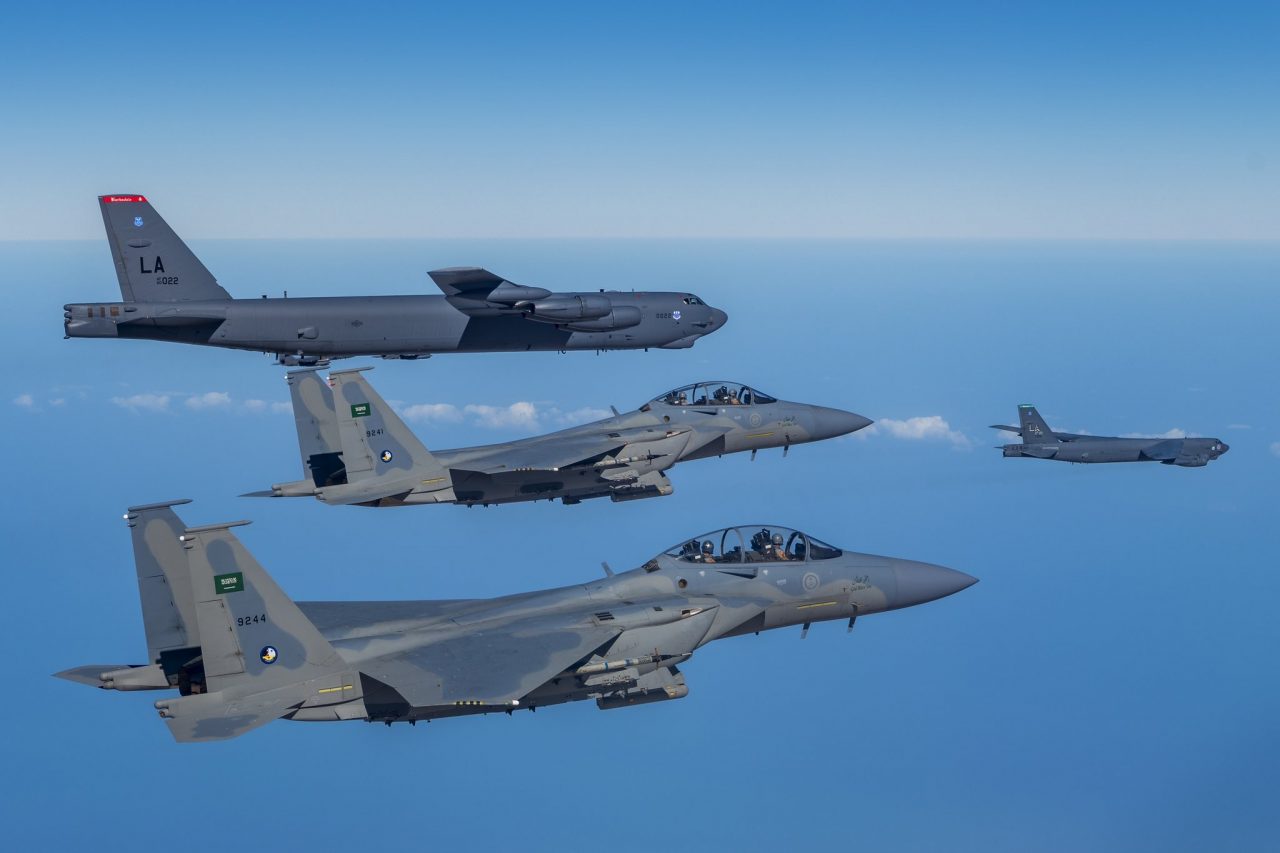
“There are currently more than 20 US Navy warships and hundreds of military aircraft operating across the Middle East,” US Central Command said in a statement. “American forces remain vigilant, lethal, and ready.”
Trump backs down on Hormuz ship levy
US President Donald Trump scrapped a planned 20 percent levy on ships transiting the Strait of Hormuz a day after he announced it, replacing the fee with trade deals with Gulf allies.
Iran says the US hit a nuclear plant city
US strikes on Tuesday hit the port city of Bushehr, which hosts Iran’s only civilian nuclear power plant, and an area near the border with Kuwait and Iraq, authorities said.
Abadan, which hosts the oldest oil refinery in the Middle East, and the port city of Mahshahr were also targeted, Khuzestan province deputy governor Valiollah Hayati said, according to state news agency IRNA.
Iranian state television reported explosions around the port city of Bandar Abbas and the Gulf island of Qeshm, both near the Strait of Hormuz.
Israel vows ‘decisive’ hit if Iran attacks
Israeli Prime Minister Benjamin Netanyahu vowed Tuesday to strike powerfully against Iran if it staged a new attack on his country.
“I will say it to the leaders of Iran: Do not count on things remaining quiet if you attack us,” Netanyahu said at a conference. “The days are over when someone strikes us and we don’t hit back with a decisive blow.”
US expands sanctions
Washington has expanded its sanctions targeting Iran’s oil sector, taking further aim at the network of petroleum shipping magnate Mohammad Hossein Shamkhani, the Treasury Department said.
Treasury Secretary Scott Bessent said the department had also frozen $130 million held in digital wallets linked to Iran’s central bank, hitting a sector that has seen increased activity since the start of the war.
The move came after US forces carried out a fourth straight day of strikes against Iran and reimposed a naval blockade, with Iran in turn hitting ships in the Strait of Hormuz, according to the International Maritime Organization.
“This action is part of Treasury’s ongoing efforts to ramp up economic pressure on the Iranian regime after it resumed destabilizing attacks in the Strait of Hormuz,” the Treasury Department said in a notice Tuesday.
It charged that the Shamkhani network remains a key force behind Iran’s oil exports and has expanded into global commodities trading.
The latest move targeted more than 50 individuals, entities and vessels that it said enabled Iranian authorities to profit.
The Treasury Department added that it has now imposed sanctions on over 200 individuals, entities and vessels operating under Shamkhani’s patronage.
Shamkhani is the son of security official Ali Shamkhani, an advisor to Iranian supreme leader Ali Khamenei. Both were killed on February 28, the first day of US-Israeli attacks and the start of the Middle East war.
Bessent said the department “sanctioned multiple wallets tied to the Central Bank of Iran, resulting in the freeze of over $130 million.”
“We will continue to aggressively follow the money and deny the Iranian regime access to the proceeds of its illicit revenue schemes,” he said in a post on X.
By Agence France-Presse