On the 10th anniversary of the failed July 15, 2016 coup attempt against President Recep Tayyip Erdoğan, Turkey’s foreign policy has come full circle. The coup, which left approximately 250 people dead and more than 2,000 injured, triggered a profound realignment.
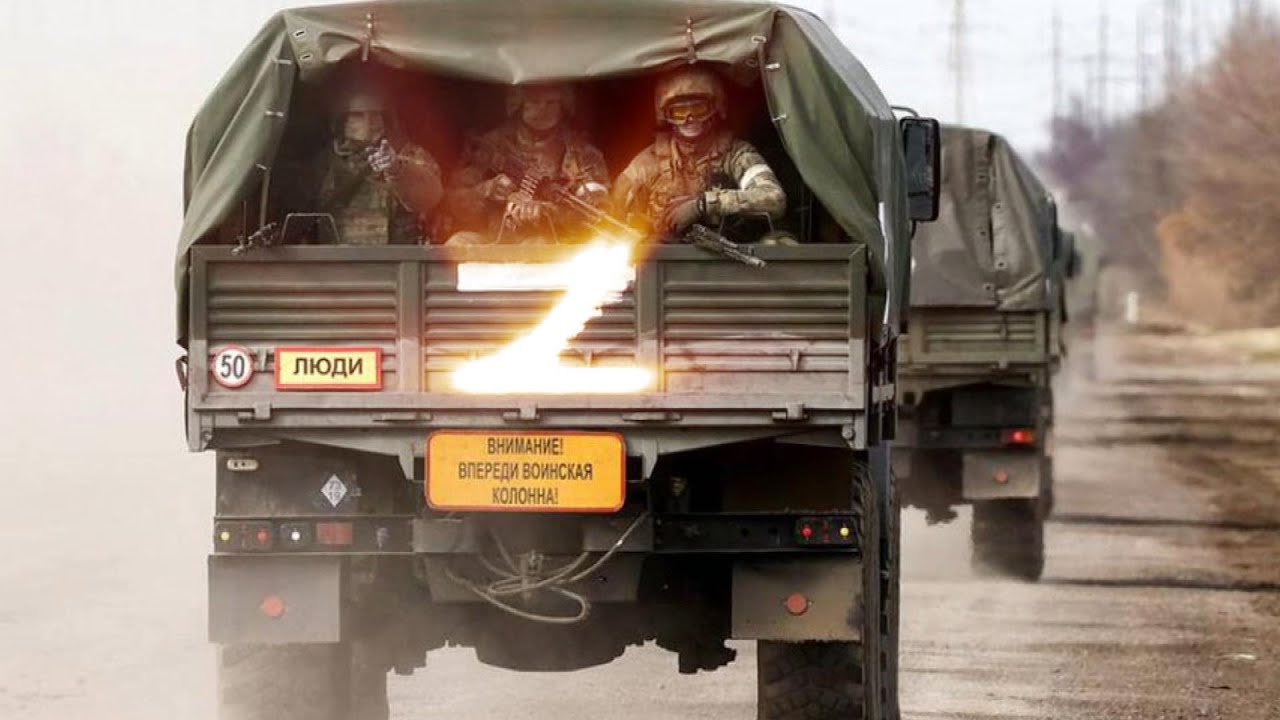
It accelerated Ankara’s drift away from its traditional allies, particularly the United States, and toward a closer relationship with Russia.
Turkey, a NATO member since 1952 and the alliance’s only Muslim-majority country besides Albania, had long been one of Washington’s key partners in the region. Yet the events of 2016 and the mutual suspicions that followed fundamentally altered that dynamic.
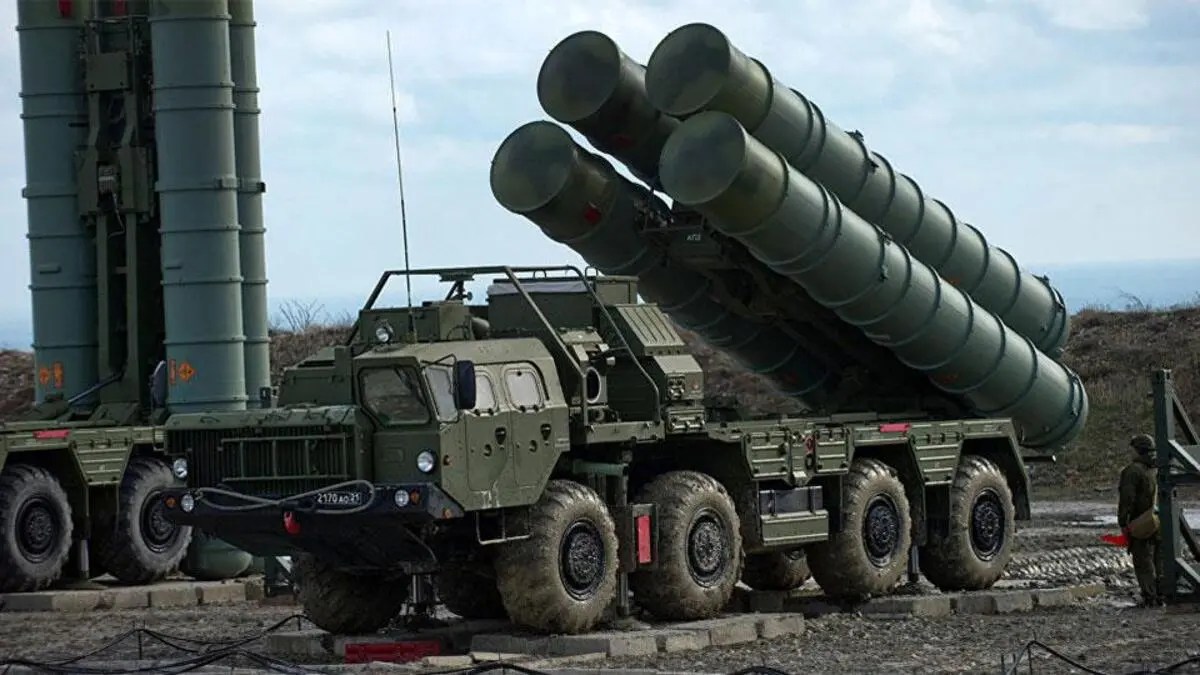
One of the clearest manifestations of this shift was Turkey’s landmark decision to purchase Russia’s S-400 air defense system, the first and only time a NATO member has acquired a major Russian air defense platform.
The S-400 deal, finalized in 2017 with deliveries beginning in 2019, was widely seen as a direct result of the post-coup environment.
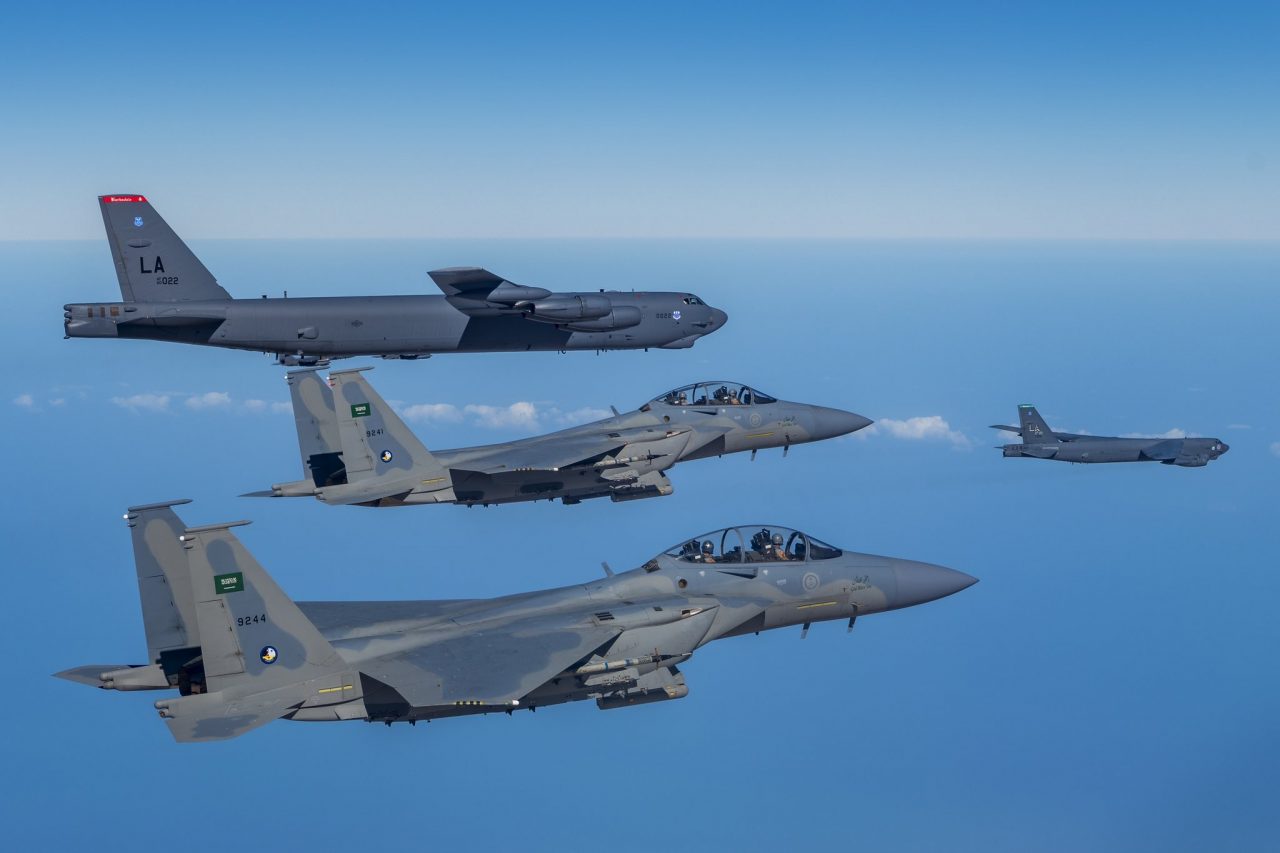
The consequences were immediate and severe: Turkey was removed from the F-35 Joint Strike Fighter (JSF) program, despite having been one of its foremost international partners and having already invested heavily in it.
Seven years later, the strategic costs of that decision remain stark. Turkey’s S-400 systems have never been integrated into its air defense network and remain in storage.
Meanwhile, regional rivals such as Israel and Greece have successfully integrated F-35s into their air forces, giving them a substantial qualitative edge over Ankara.
Ten years after the 2016 coup, in many ways, Turkey’s geopolitics has come full circle. During the recent NATO summit in Ankara earlier this month, U.S. President Donald Trump expressed a desire to sell F-35 jets to Turkey, after years of lobbying by Ankara.
Meanwhile, reports suggest that Turkey could sell its S-400 air defense system to a Gulf country, most likely the UAE or Qatar, to secure its reentry into the F-35 program.
As Turkey realigns its strategic positioning, the tenth anniversary of the 2016 coup is a good time to revisit the long-term consequences of the choices made by Ankara in the post-coup environment.
Connection Between the 2016 Coup & Ankara’s Decision to Buy S-400
In 2015, Turkey shot down a Russian jet near the Syrian-Turkish border, putting NATO country Turkey and Russia on a treacherous path. Russia immediately suspended all trade relations with Turkey and demanded an apology from none other than President Erdogan.
However, just two years later, Erdogan shocked everyone by signing a US$2.5 billion agreement to procure four S-400 batteries, not only realigning Ankara with Moscow but, in the process, becoming the first and the only NATO country to buy an advanced Russian air defense system.
While three more NATO countries, including Greece, Slovakia, and Bulgaria, operate the Russian S-300 AD system, none of them purchased it directly from Moscow. Bulgaria and Slovakia inherited S-300 batteries from the pre-Cold War era, when they received these AD systems as part of the Soviet Union-led Warsaw Pact.
Similarly, the Greek S-300 batteries were actually purchased by non-NATO member Cyprus in 1997.
However, Turkey objected to the deal and threatened military action if Cyprus deploys the S-300. This raised the possibility of direct confrontation between Greece and Turkey, both of which are NATO members.
Finally, a compromise was reached, and Cyprus agreed to transfer its already purchased S-300 AD system to Greece.
Therefore, when Erdogan signed the S-400 deal with Russia in 2017, it was the first NATO country in nearly seven decades to buy a Russian/Soviet AD system.
This was a dramatic turnaround from 2015, when Turkey had shot down a Russian jet.
What had changed in just two years? The only possible explanation is the 2016 coup against Erdogan, which many in Turkey believe was executed with direct knowledge or even assistance from the US.
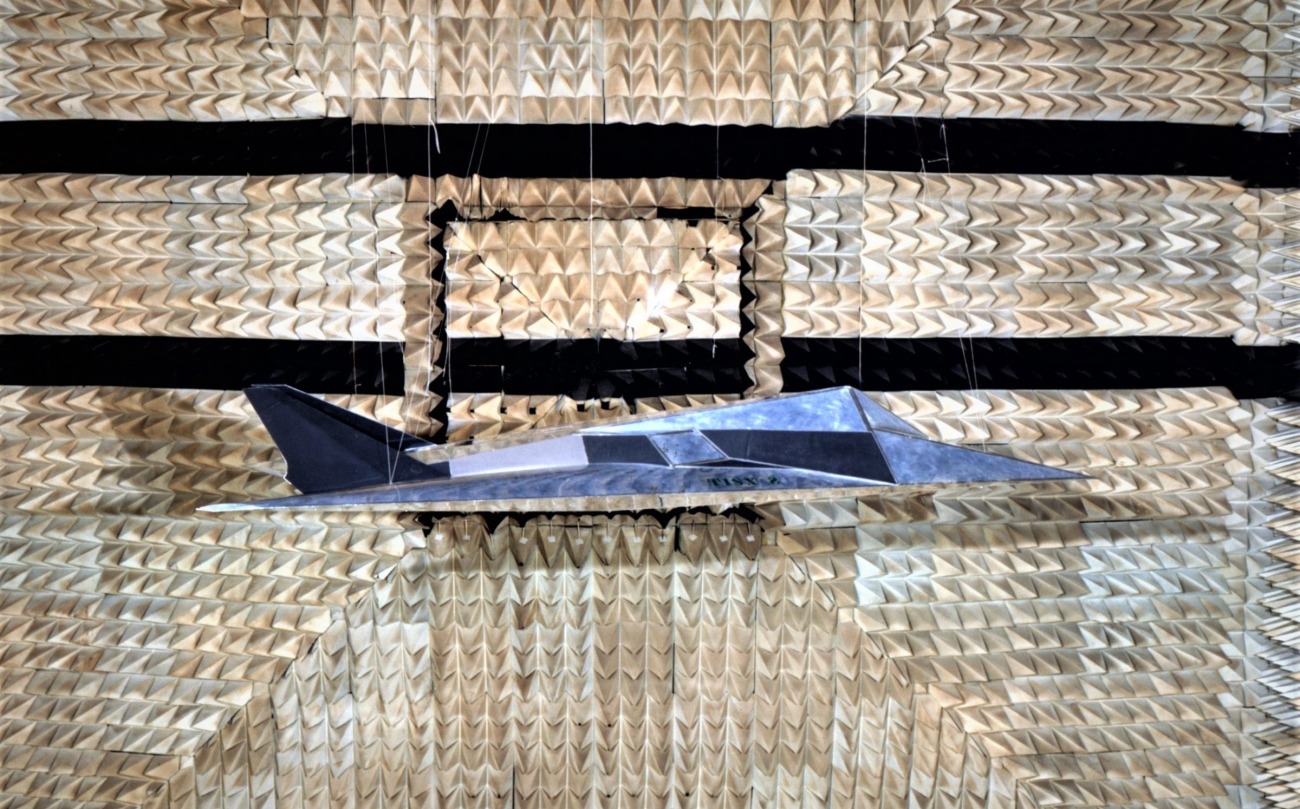
Meanwhile, Washington argued that the Turkish operation of the S-400 systems would allow it to acquire confidential knowledge of the F-35’s radar signature. Such insights would almost immediately find their way back to Russia, thereby degrading the capabilities of F-35s worldwide.
However, if some assessments are to be believed, Erdogan wanted the S-400 for precisely this ability – their ability to shoot down US-made fighter jets.
“Both political and military aspects of the S-400 decision made sense in as much as Erdogan’s top priority was his own political survival,” the Center for Strategic and International Studies (CSIS) said in its research paper.
During the 2016 coup, a rogue faction of the Turkish military rose against Erdogan.
Particularly, the Turkish Air Force played a major role in the coup.
The Turkish Air Force’s F-16 fighter jets bombed the country’s parliament and the President’s house in Ankara. The F-16 fighter jets even chased and threatened Erdogan’s own plane.
Erdogan managed to mobilize the crowd, who took to the streets, and the coup was eventually punctured.
In the months that followed, Erdogan tried to “coup-proof” the country through mass arrests and by reportedly purging some 2,600 military officers, including half of Turkey’s fighter pilots.
So, in the immediate aftermath of the coup, Erdogan had two concerns: the degraded capabilities of the Turkish Air Force that had lost half of its fighter pilots, and the need to “coup-proof” the system for any further mutiny by the Air Force, relying on US-made fighter jets, such as the F-16s.
“Acquiring the S-400 may, in short, be part of Erdogan’s hedge against another coup, both by deepening his strategic relationship with Russia and by acquiring specific air defenses meant to combat another attempt to overthrow him,” the CSIS said in its research paper.
“One reason Erdogan may have chosen to buy from Russia rather than from a fellow NATO member is that he might be wary of his own air force, which played a major role in the coup attempt on July 15, 2016,” US officials told Reuters in 2019.
Erdogan also wanted to convey a strategic message to the US that Turkey had other options.
Ankara accused the late U.S.-based cleric Fethullah Gulen, a former Erdogan ally, of masterminding the plot. The thinking in Turkey was that the coup had tactical US support.
By realigning Turkey with Russia, Erdogan wanted to impose strategic costs on Washington.
- Sumit Ahlawat has over a decade of experience in news media. He has worked with Press Trust of India, Times Now, Zee News, Economic Times, and Microsoft News. He holds a Master’s Degree in International Media and Modern History from the University of Sheffield, UK.
- He can be reached at ahlawat.sumit85 (at) gmail.com