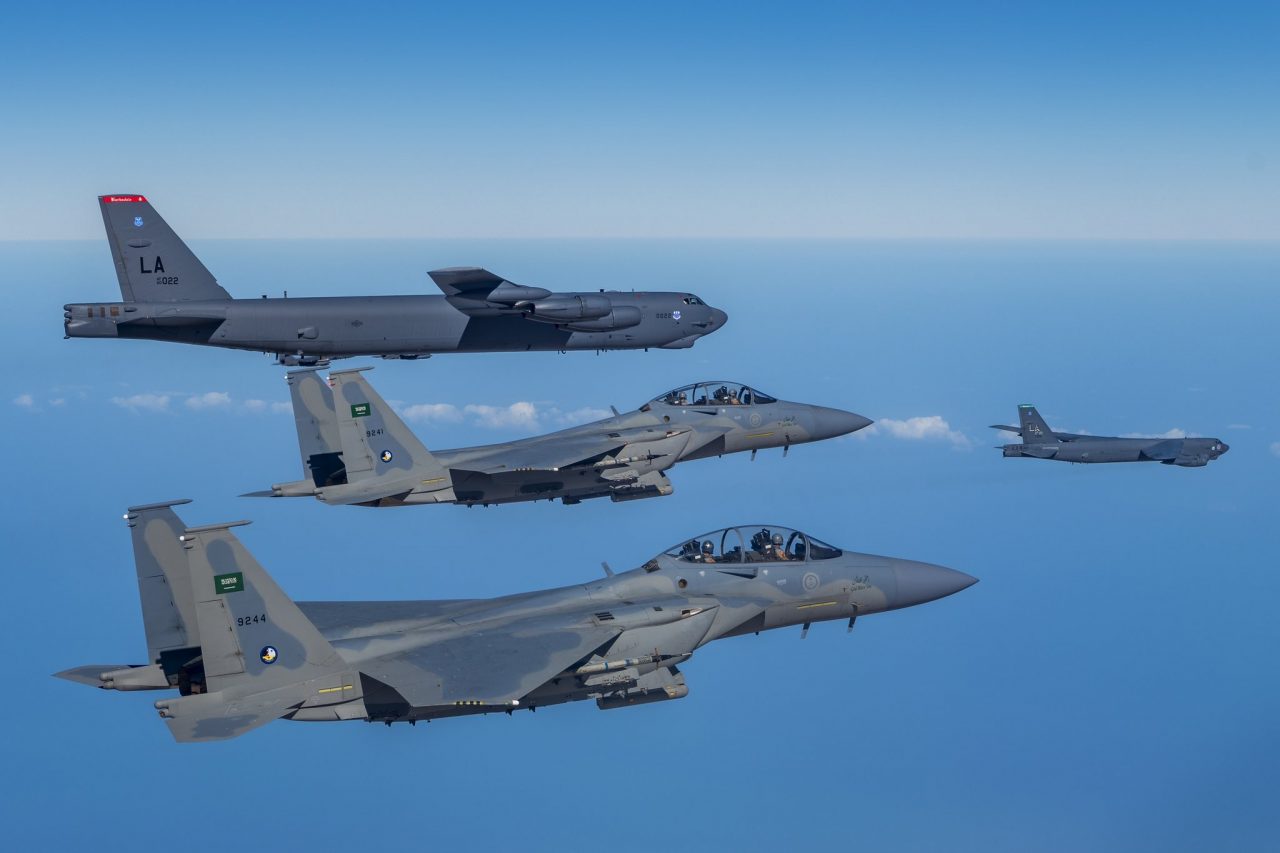
The US recently received an unexpected rebuff from its closest ally, Israel, as the Israeli Transport Ministry refused to let more American refueling tankers land at the Ben Gurion Airport amid fresh hostilities with Iran.
The Israeli government has become increasingly impatient because the presence of military planes has prevented Ben Gurion Airport from resuming regular commercial flight operations, and local airlines have warned that rising operating costs will be passed on to passengers, impacting the crucial summertime tourism.
“Hundreds of thousands of tickets were bought by Israelis to fly and enjoy their summer vacation,” the Transportation Minister Miri Regev stated this week. “We promised that we will enable commercial flights and we will not cancel a single ticket because of American refuelling planes.” “Therefore, I have given instructions that we will not allow any US refueling tankers to land at Ben Gurion Airport beyond the agreed number of 20 planes, and the remaining planes can land at Israeli Air Force bases,” Regev added.
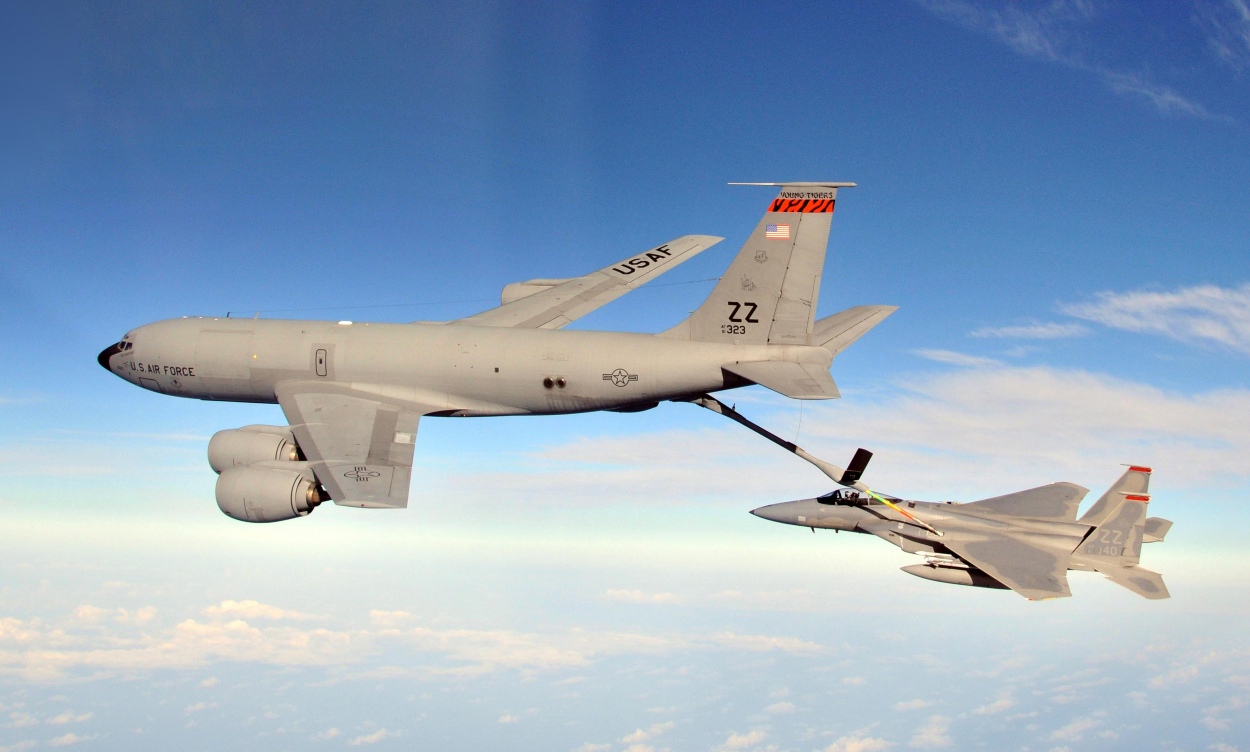
The Ben Gurion Airport has been a sprawling hub for US refuellers, including the KC-135 and KC-46. The US launched a massive military buildup in the region ahead of “Operation Epic Fury,” which began on February 28, 2026.
The US tanker fleet at the Israeli airport grew substantially as the conflict expanded over the next few months, and continued even after a ceasefire took effect in April. The number of refuellers and cargo aircraft at the Ben Gurion Airport reached 70-75 at one point, according to the Times of Israel.
American refuelers at Ben Gurion Airport. https://t.co/oaKKM6JHIj pic.twitter.com/QaedxZEJcx
— Open Source Intel (@Osint613) July 14, 2026
In May 2026, some open-source reporting suggested that the US officials had communicated plans to keep their tankers at the airport by the end of the calendar year. This reportedly frustrated Israeli officials, who had earlier expressed concerns about the tanker deployment’s impact on commercial flights during the peak travel season.
When the US began to draw down forces from the region after the June 17 Memorandum of Understanding (MoU) was signed with Iran, Israel requested the relocation of American tankers from the Ben Gurion Airport.
The US relocated some of the planes to other bases in the country and elsewhere across the Gulf region, leaving more than 30 at Ben Gurion. However, the drawdown was apparently halted when fresh tensions with Iran broke out, prompting Israel to cap the number of aircraft at the airport.
The decision reportedly riled the United States, with US military officials telling their Israeli counterparts that the deployment of tankers at the airport was necessary for operational reasons amid a fresh escalation. They emphasized that the tankers are the cornerstone of the US force projection and deterrence in the region.
Interestingly, the Israel Defense Forces (IDF) seem to agree on the critical need to base tankers at Ben Gurion Airport.
“The American request is justified,” a senior IDF official told Ynet News. “The refueling aircraft are a strategic asset for the United States in the region and an integral part of the joint preparations against Iran. From an operational standpoint, it is important that they be able to operate under the conditions set by the Americans.”
US President Donald Trump declared earlier this month that the ceasefire was officially over after Iran attacked tankers passing through the Strait of Hormuz. The US forces have since launched multiple strikes on targets across Iran and reimposed a naval blockade on Iran, whereas the Iranian forces have attacked US military bases across the region, including in Kuwait, Bahrain, and Jordan.
On his part, Israeli Transport Minister Miri Regev had offered the US the option of basing these tankers at other airfields across the country, but the US is believed to prefer Ben Gurion due to its well-equipped, civilian-grade infrastructure and central location, which reduces tanker transit times for supporting operations across the Middle East.
Moreover, Ben Gurion Airport holds the distinction of being the safest in the region, with a robust, multi-layered air defense system.
Meanwhile, a considerable portion of the fleet has already shifted to, or is planned to shift to, dedicated military airfields within Israel, including Nevatim and Hatzor.
Some tankers, specifically the KC-135s, have reportedly been redeployed to other sites in the Gulf. However, if there’s one thing that Washington may have learned from its conflict with Iran, it is that forward-deployed assets close to Iran are not safe from Iranian ballistic missile attacks.
The US Air Force had earlier lost five KC-135 tankers in a missile attack on Prince Sultan base in Saudi Arabia.
No Crisis
Despite the disagreement over tanker deployments, Israeli officials noted that there is “no crisis” between the two partners, claiming that the Defense Ministry had discussed the matter with US officials after receiving notification from the Transportation Ministry.
Prime Minister Benjamin Netanyahu also discussed the matter with US authorities, according to a separate Channel 12 report.
However, this comes at a time when the US-Israel relationship is fraught with tensions amid diverging priorities, as recently evident by the very public nature of frictions between US President Donald Trump and Israeli Prime Minister Benjamin Netanyahu.
Earlier, for instance, Israel voiced deep dissatisfaction as the United States pursued a Memorandum of Understanding with Iran to de-escalate the conflict. Israeli officials viewed the MoU as insufficient, arguing that it failed to meaningfully dismantle Iran’s nuclear program or degrade its network of proxy militias.
Benjamin Netanyahu, under pressure from the ruling coalition, resisted elements of the deal, especially the constraints it sought to impose on Israeli operations in Lebanon. In fact, the Israel Defense Forces continued strikes and ground invasion of Lebanon in violation of the ceasefire agreement and the MoU, and Iran’s repeated protests.
Trump publicly criticized the Israeli action in Lebanon, emphasizing that it undermined the US diplomacy aimed at ending hostilities and reopening the Strait of Hormuz.

At one point, the US President even called Netanyahu “fucking crazy” on a phone call and accused him of ingratitude.
As tensions rose between the two sides, US Vice President J.D. Vance took a dig at Israeli critics, saying, “Donald J Trump is the only head of state in the entire world who is sympathetic to the nation of Israel at this moment in time. If I were in the cabinet of the Israeli government, I might not be attacking the only powerful ally that I have anywhere left in the entire world.”
“The problem for Israel is not Donald J Trump, and anybody in Israel who thinks their biggest problem is the president of the United States needs to wake up and smell the reality of the situation that the country is in,” he emphasized, without mincing words.
In recent times, the US-Israel relationship has been described as at a “stark moment of divergence” on strategy, but both sides have affirmed that ties are resilient.
Netanyahu has downplayed rifts, saying ties with Trump are “fine” and that differences can be ironed out. However, experts believe that cracks persist as Trump has been unable to find an exit from West Asia, a war that allegedly began after intense lobbying from Israel.
It remains to be seen whether the tanker deployment issue will pass as a non-issue between the two countries or become yet another irritant in this age-old relationship.
- Contact the author at sakshi.tiwari13 (at) outlook.com
- Follow EurAsian Times on Google News