During the Indo-Pakistan conflict of May 2025, the Indian Armed Forces claimed to have achieved a major combat milestone during Operation Sindoor: the longest-ever kill of a Pakistani fighter jet scored by the Russian-supplied S-400 system.
On May 7, 2025, Pakistan awakened to destructive, precision attacks launched by the Indian Air Force (IAF) on terror camps housed deep inside the country. This marked the beginning of “Operation Sindoor”, launched by India to avenge the dastardly terror attack on Pahalgam, Kashmir, that killed 26 people, almost all Hindus.
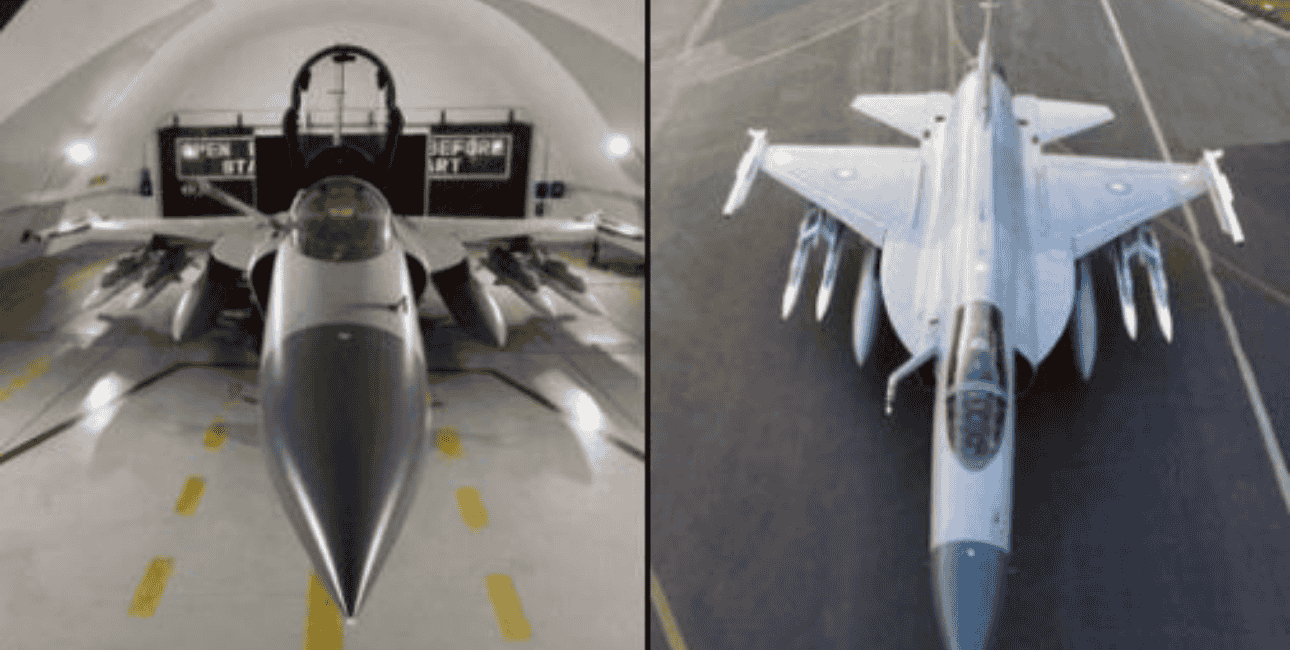
Jolted by the attacks, Pakistan immediately launched its counter-operation, “Operation Bunyan al-Marsus,” which it may have prepared in advance while anticipating an Indian response. In fact, ahead of the launch of Operation Sindoor, a photo of a Pakistan Air Force (PAF) JF-17 Block III armed with long-range PL-15 air-to-air missiles surfaced online, as EurAsian Times reported at the time.
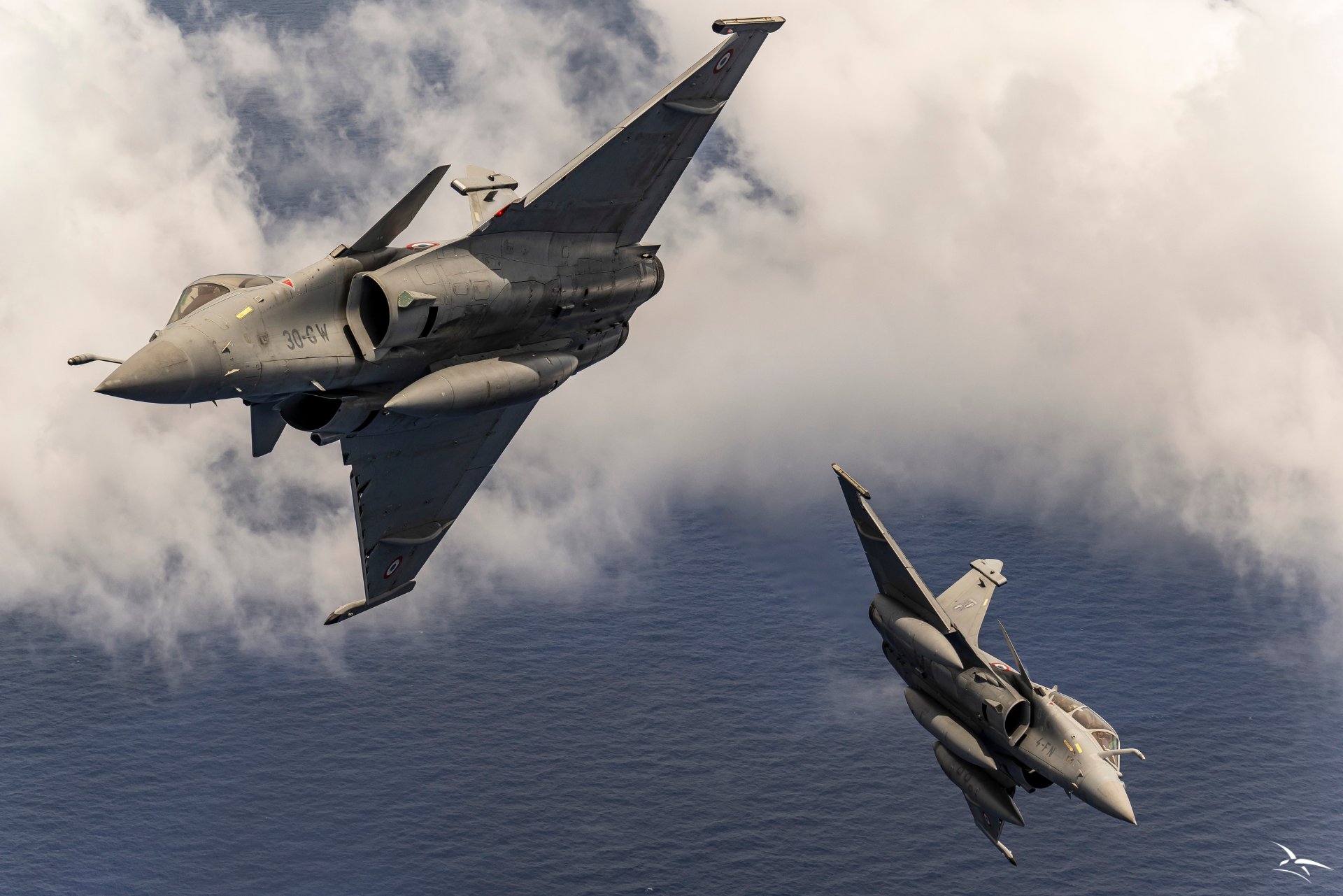
Subsequently, the two sides engaged in a major aerial duel while operating outside the other’s air defense envelope. Early on in the brief conflict, Pakistan claimed that it had used Chinese-origin J-10CE fighter jets armed with PL-15 long-range air-to-air missiles to down multiple Indian jets, including the Mirage-2000, Rafale, and the Su-30MKI.
The Indian side did not accept any combat losses, and a French media report quoted Dassault chief Eric Trappier as saying that one of the Rafales participating in the operation crashed due to a technical malfunction rather than a kinetic hit.
Reports in Pakistani media made another tall claim: a PAF JF-17 took out an S-400 battery at Adampur Air Base using a CM-400AKG hypersonic missile. India not only refuted the claim but exposed this fallacy when Indian Prime Minister Narendra Modi visited the Adampur Air Base—a frontline facility that bore the brunt of Pakistan’s attacks—after the ceasefire. The PM addressed the troops at the base, with the S-400 in the background, thereby debunking the claim.
India, on its part, also made some crucial claims, albeit months after the war had ended, and the fog of war had settled.
Speaking at his annual press conference on October 3, Indian Air Force chief, Air Chief Marshal A.P. Singh, said that the IAF destroyed 12 to 13 Pakistani aircraft, including 9-10 fighter jets. This included the US-made F-16s and Chinese co-produced JF-17s, with an additional four to five F-16s destroyed in the hangar, likely under maintenance, as reported by the EurAsian Times at the time.
Pakistan refuted all the claims, tooting its own horn about downing Indian jets instead.
The S-400, for one, emerged as one of the biggest stars of the conflict, thwarting all Pakistani advances and serving as the outermost layer of India’s air defense shield. As reported by a EurAsian Times correspondent who was in Adampur during the conflict, the S-400 forced the Pakistani pilots to fly low and kept them far inside the Pakistani territory.

The S-400 reportedly took out the Saab Erieye-2000 flying radar, PAF’s eye in the sky, delivering a major blow to the enemy, according to Indian officials. But more importantly, it downed a PAF JF-17 Thunder, in what some would call poetic justice, given that Pakistani state media had alleged that the Thunder destroyed the S-400.
The JF-17 Hunted By S-400
Animesh Patni, a Group Captain in the Indian Air Force, was in charge of the S-400 air defense system when India went to war across the border.
As the conflict began on May 7, 2025, and missiles started to fly across the international border, Group Captain Animesh Patni, stationed at Adampur Airbase, knew he would soon be called into action. And he was.
Group Captain Patni was in the command post, monitoring the integrated air picture via the Integrated Air Command and Control System (IACCS) network amid active cross-border missile and aircraft activity. On May 10, the last day of the conflict before the ceasefire, Patni was monitoring the surroundings, with a real-time view of the jets in the air, maneuvering, targeting, locking on, and launching.
Patni, a former MiG-29 fighter pilot with experience on the Su-30MKI and Mirage platforms and over 2,500 flying hours, had transitioned to command of an S-400 regiment. He trained to repeatedly shoot down targets, but the missiles would never leave their launchers because his powerful weapons system was always in safe mode. The incoming threats were simulated by the radars and systems, resulting in no actual kills.
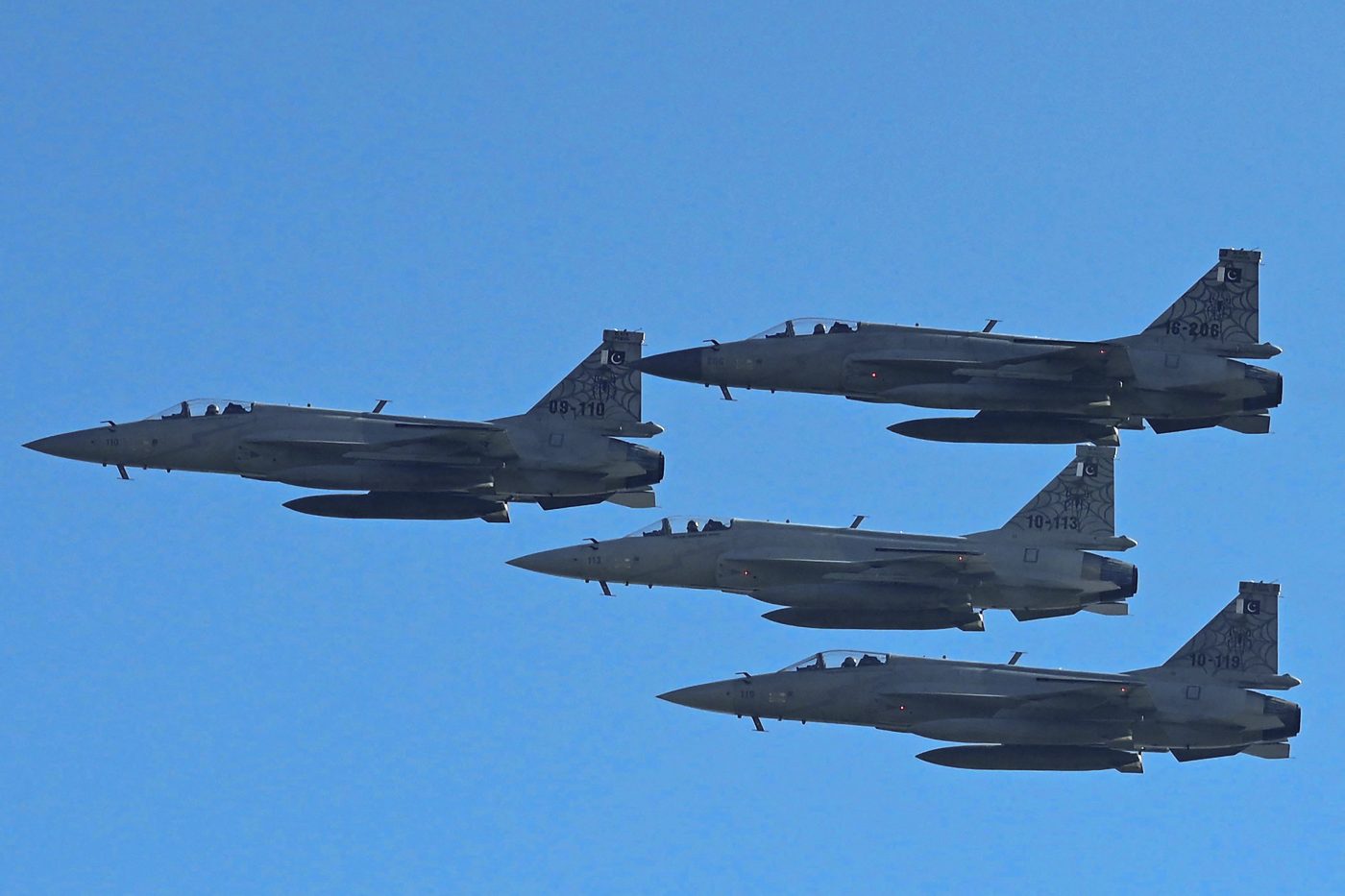
And then, Group Captain tracked a fighter jet some 200 kilometers away. It was a JF-17.
With the opportunity to hunt down JF-17 in front of him, Group Captain Patni wasted no time and activated the S-400’s primary long-range air-search radar. He quickly obtained a solid lock on a target more than 200 km away, deep in Pakistani territory, perhaps the first real lock by the Sudharshan in India.
Until now, the S-400 has not been used in combat in India.
“On the first night, we had butterflies in our stomachs because the system had not been combat tested, but it was now in a live operation. There are a lot of safeties which have to be removed before we carry out any kind of live operation, just to avoid any kind of accident,” Patni wrote in his book, The Sky Warriors: Operation Sindoor Unveiled.
Acting in pace, Patni methodically removed multiple layers of safety protocols to arm the system, prepping it to shoot.
“I took a deep breath before giving my final call – “Okay, launch”, and then it was the turn of my 2IC [second-in-command]. He asked me to confirm the launch because this was the first time we had ever launched a surface-to-air missile into enemy airspace. We were trying to shoot down the enemy over his own territory,” Group Captain Patni recounted.
A massive 25-foot missile, costing about $1.5 million, roared off, lighting up the sky with a loud thud and shaking the ground, and the crews shouting “Bharat Mata ki Jai!”
At that moment, time seemed to melt, and everything appeared to be hazy, as recounted by Patni himself. “It felt like an eternity.” “The button had been pressed – was there something wrong?”
The S-400’s missile reached speeds exceeding Mach 5. The JF-17 pilot now had a few seconds to try to outmaneuver the missile that was approaching, probably sounding an alert on his radar warning receiver. It’s possible that he was using decoys, such as chaff and flares, to trick the approaching missile. However, that attempt proved to be ineffective.
A few seconds later, Patni succinctly announced a successful strike with the global Air Force call-out, “Splash.”
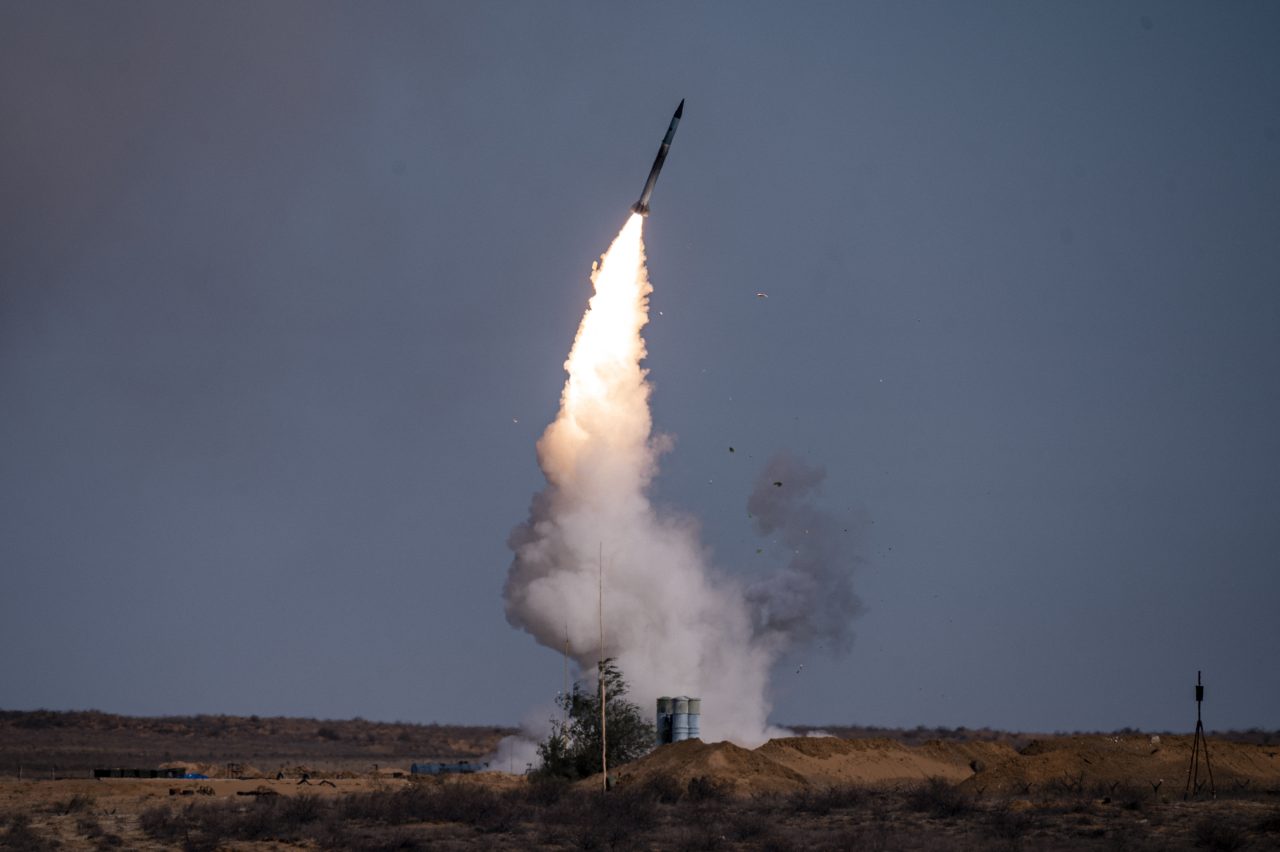
The Pakistani JF-17 was shot down, confirmed as the radar track of the aircraft went off the screens of the S-400’s radar and weapons controller.
“We were hoping like hell that it could have been a J-10 so as to give him an even bigger slap, if possible,’ Patni said earlier. After systematic verification, the IAF announced that the fighter Patni shot down was a Chinese-built JF-17 Thunder.”
IAF Chief A.P. Singh said in October 2025 that this was the longest-ever kill by India. “This was the largest ever recorded surface-to-air kill,” Singh said, adding that the S-400’s 40N6 missile, with a 380-km reach, kept Pakistani aircraft outside their weapons’ release range,” the IAF chief said. “Pakistan was unable to operate even within its own territory,” he added, indicating how the scale and surprise of the operation left the adversary blown away.
Group Captain Patni was awarded the Vir Chakra, the third-highest wartime gallantry medal in the country, for his bravery and judgment. Patni organized a ground-breaking offensive air defense operation with “exceptional gallantry and courage,” the citation stated.
The JF-17, produced jointly by China and Pakistan, could not thunder on the fateful day!
- Contact the author at sakshi.tiwari13 (at) outlook.com
- Follow EurAsian Times on Google News