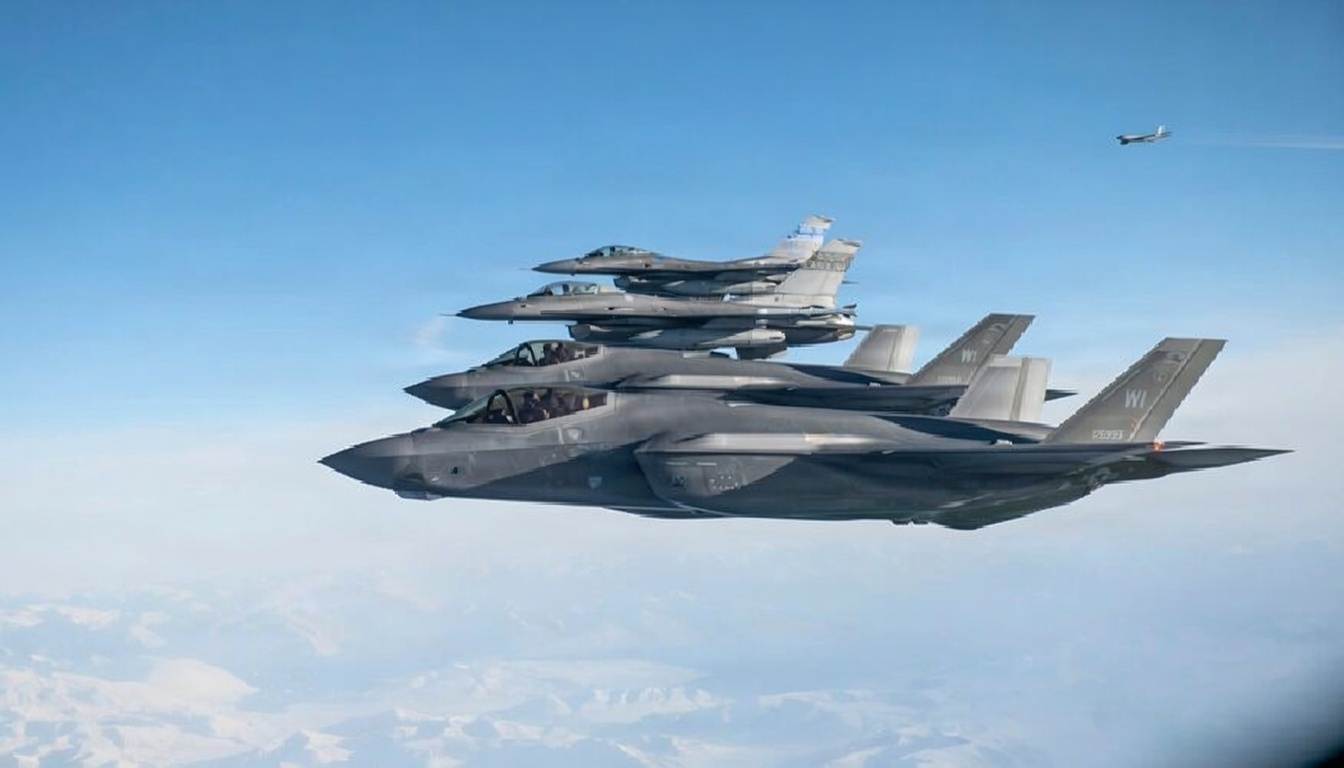
Pakistan carried out air and ground strikes overnight in eastern Afghanistan, targeting militants it blames for a deadly attack in Karachi, which killed at least three Pakistani troops. Is Islamabad inspired by the Indian playbook of cross-border strikes to punish terrorists?
Going back to 2015, the Indian military broke decades of strategic restraint by launching strikes across international borders against terrorist infrastructure in Myanmar, arguing that neighboring countries could no longer provide safe havens to terror groups.
Following an ambush by NSCN-K militants in Manipur, the remote northeast province, that killed 18 Indian soldiers, Indian commandos crossed the porous border and attacked insurgent camps inside Myanmar. The clandestine operation, reportedly involving around 70 para commandos, inflicted heavy casualties on the insurgents.
It was framed as a hot pursuit based on credible intelligence. This was India’s first major publicized cross-border raid in the modern era.
1st Surgical Strikes on Pakistan in 2016.
After the Uri, Jammu & Kashmir attack killed 19 Indian soldiers, the Indian Army special forces breached the Line of Control (LoC) into Pakistan-controlled Kashmir and struck multiple terrorist launch pads, reportedly eliminating scores of terrorists preparing to infiltrate India.
New Delhi acknowledged the operation, describing it as a preemptive, targeted strike against non-state actors. Pakistan, expectedly, disputed the scale and impact.
In 2019, India conducted Balakot Airstrikes.
Following the suicide bombing in Pulwama, Jammu and Kashmir, that killed 40 CRPF personnel, the Indian Air Force retaliated with airstrikes deep inside Pakistan’s Khyber Pakhtunkhwa province using Mirage 2000 jets.
It was the first Indian airstrike on Pakistani soil since the 1971 Bangladesh liberation war. Pakistan denied substantial damage or casualties and conducted retaliatory airstrikes the very next day.
India displayed that precision, cross-border strikes — whether ground attacks or airstrikes — could be used against terrorist infrastructure without triggering full-scale war.
The emphasis on “surgical” or “preemptive” action sent a clear message: borders would no longer shield terrorists, and Pakistan’s nuclear blackmail would not stop India from going after the terrorists.
Operation Sindoor, 2025
Then came India’s Operation Sindoor, an operation launched in direct retaliation for a deadly terrorist attack on April 22, 2025, in Pahalgam, Jammu and Kashmir.
Pakistan-backed militants, allegedly belonging to The Resistance Front (TRF)—an offshoot of Lashkar-e-Taiba—shot and killed 26 civilians, 25 of them Hindu tourists, visiting the beautiful Baisaran valley.
India launched Operation Sindoor on the night of 6–7 May 2025. The operation involved strikes on nine terrorist infrastructure sites linked to groups including Lashkar-e-Taiba and Jaish-e-Mohammed. The targets were located in Pakistan’s Punjab province and in Pakistan-controlled Kashmir.
Indian forces used a combination of air-launched weapons, including SCALP cruise missiles and Hammer AASM fired from Rafale fighter jets, as well as BrahMos cruise missiles, loitering munitions, and other stand-off weapons.
Indian officials stated that the strikes were limited to terrorist training camps and launchpads and did not target Pakistani military installations or civilian areas. Indians claimed that the operation destroyed the targeted camps and resulted in the deaths of over 100 militants.
It was arguably the most intense clash between India and Pakistan since the 1999 Kargil war. Pakistan claimed to have downed multiple Indian jets, including Rafale, while India said it destroyed a dozen Pakistani aircraft and bombed its 11 airbases.
Pakistan Applies India’s Playbook in Afghanistan
Since the Taliban’s return to power in August 2021, Pakistan has accused the Afghan Taliban of providing sanctuary to the Tehrik-i-Taliban Pakistan (TTP) and other terror organizations.
Islamabad claims these groups use Afghan territory to plan and launch attacks inside Pakistan. In response, Pakistan has conducted multiple cross-border airstrikes, drone strikes, and limited ground operations targeting militant hideouts, training camps, and leadership.
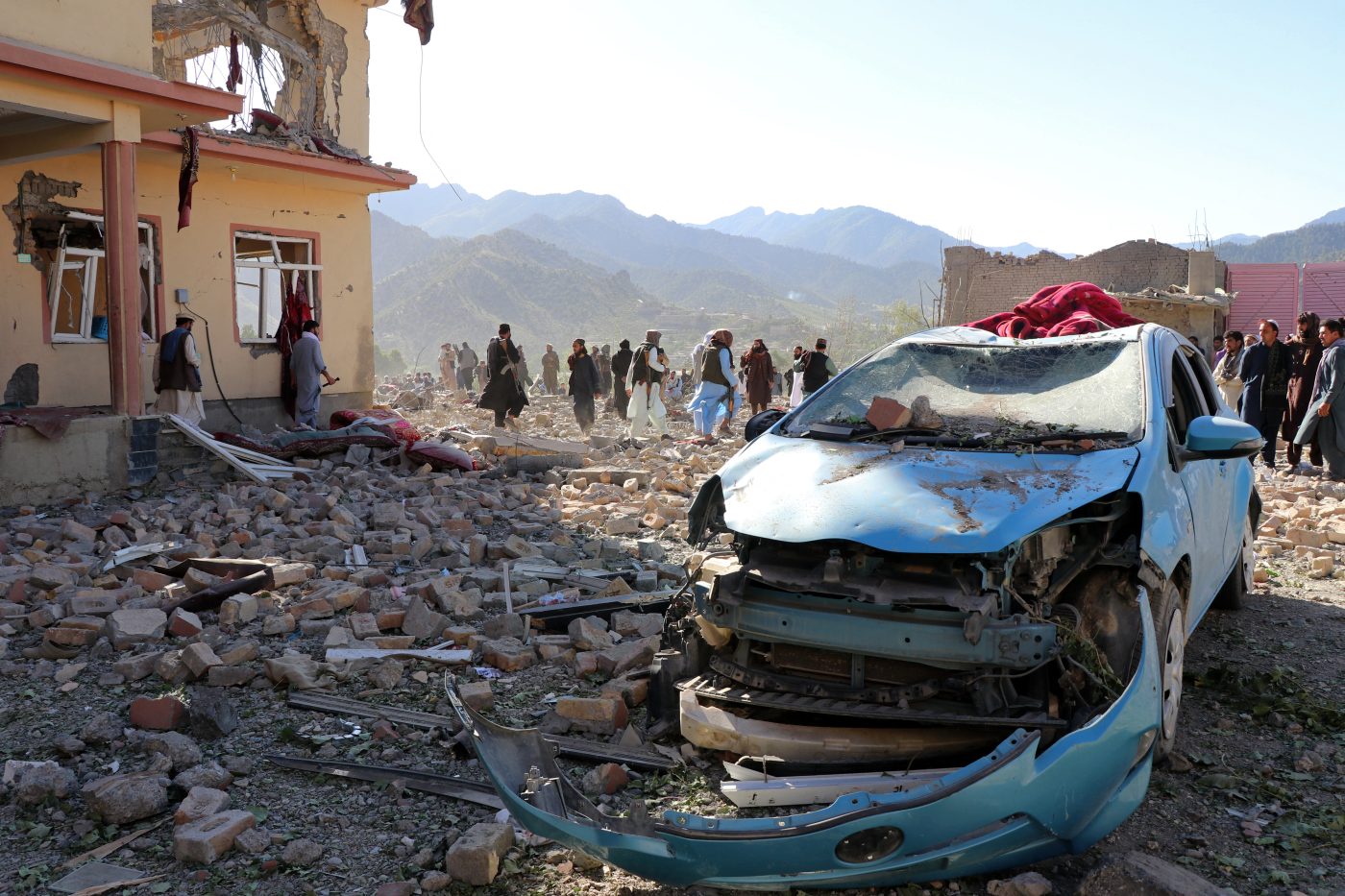
While smaller-scale actions occur periodically, the most noteworthy operations took place in 2025 and 2026, escalating into direct conflict with the Afghan Taliban.
In October 2025, Pakistan launched Operation Khyber Storm, conducting airstrikes against Tehrik-i-Taliban Pakistan (TTP) targets inside Afghanistan. The operation included a major strike in Kabul targeting TTP leader Noor Wali Mehsud, who survived.
Additional strikes hit militant infrastructure in Khost, Jalalabad, and Paktika provinces. The action, carried out in response to TTP attacks inside Pakistan, triggered Afghan Taliban retaliation along the border and marked a substantial escalation in cross-border tensions.
Afghan Taliban forces retaliated with heavy attacks on Pakistani military posts along the border, with a focus on Spin Boldak.
In February 2026, Pakistan launched Operation Ghazab lil Haq, a major military campaign against militant targets in Afghanistan. The operation began after Afghan Taliban forces attacked Pakistani border posts.
Pakistani officials declared “open war” with the Taliban and conducted airstrikes on the Taliban infrastructure and alleged militant hideouts. Strikes hit several locations, including Kabul and Kandahar, as well as areas in eastern Afghanistan. Pakistan claimed the operation targeted groups responsible for cross-border attacks on its territory.
The campaign constituted a sharp escalation in tensions between the two countries, resulting in significant casualties and further straining relations following the Taliban’s return to power.
Pakistan conducted airstrikes on alleged TTP and ISIS-K camps in Nangarhar, Paktika, and Khost provinces. The UN Assistance Mission in Afghanistan (UNAMA) confirmed strikes and reported at least 13 civilian deaths and several injuries.
In March 2026, Pakistan struck Afghanistan, targeting areas in Kabul and Nangarhar. One of the most controversial incidents took place around March 16, when Afghan authorities accused Pakistan of bombing a drug rehabilitation center in Kabul. They claimed the attack killed over 400 people.
UNAMA later reported that airstrikes were responsible for a large share of civilian casualties during the first quarter of 2026, with hundreds killed amid the escalating conflict between the two countries.
In the latest attack in June 2026, Pakistani strikes killed dozens of people in eastern Afghanistan, with Islamabad saying it targeted militants, but the Afghan government reported heavy civilian casualties.
Pakistan’s information minister said the operations killed 25 militants, but the Taliban said the airstrikes hit three eastern provinces, killing 36 civilians and wounding 163.
“When local residents gathered to conduct rescue operations, the area was bombed for a second time” in Paktia province, deputy government spokesman Hamdullah Fitrat said.
Pakistan says its forces use “precise targeting” to aim at militant hideouts and weapons stores, especially those of the TTP, which has waged a violent campaign against Pakistan for years. Afghan authorities have repeatedly denied that the country is used by militants and say Pakistani operations have caused a heavy civilian death toll.
The rivalry between India and Pakistan continues to be shaped by decades of mistrust and hostility. India has long been accusing Pakistan of providing training, funding, and safe havens to terror groups carrying out attacks in the country, while Pakistan has now been doing the exact same with Afghanistan.
With both India and Pakistan now employing cross-border strikes to target militant groups, it appears the genie is out of the bottle — raising questions about how this evolving approach will shape regional stability and security.
- Nitin J Ticku holds a double master’s degree in Journalism and Business Management from the University of Glasgow. He has over 20 years of global experience in MARCOM, Journalism, and Digital Marketing, and has worked & traveled widely across Europe, the Americas, and Asia. Nitin is the Editor of the EurAsian Times.
- He can be reached at editor (at) eurasiantimes.com