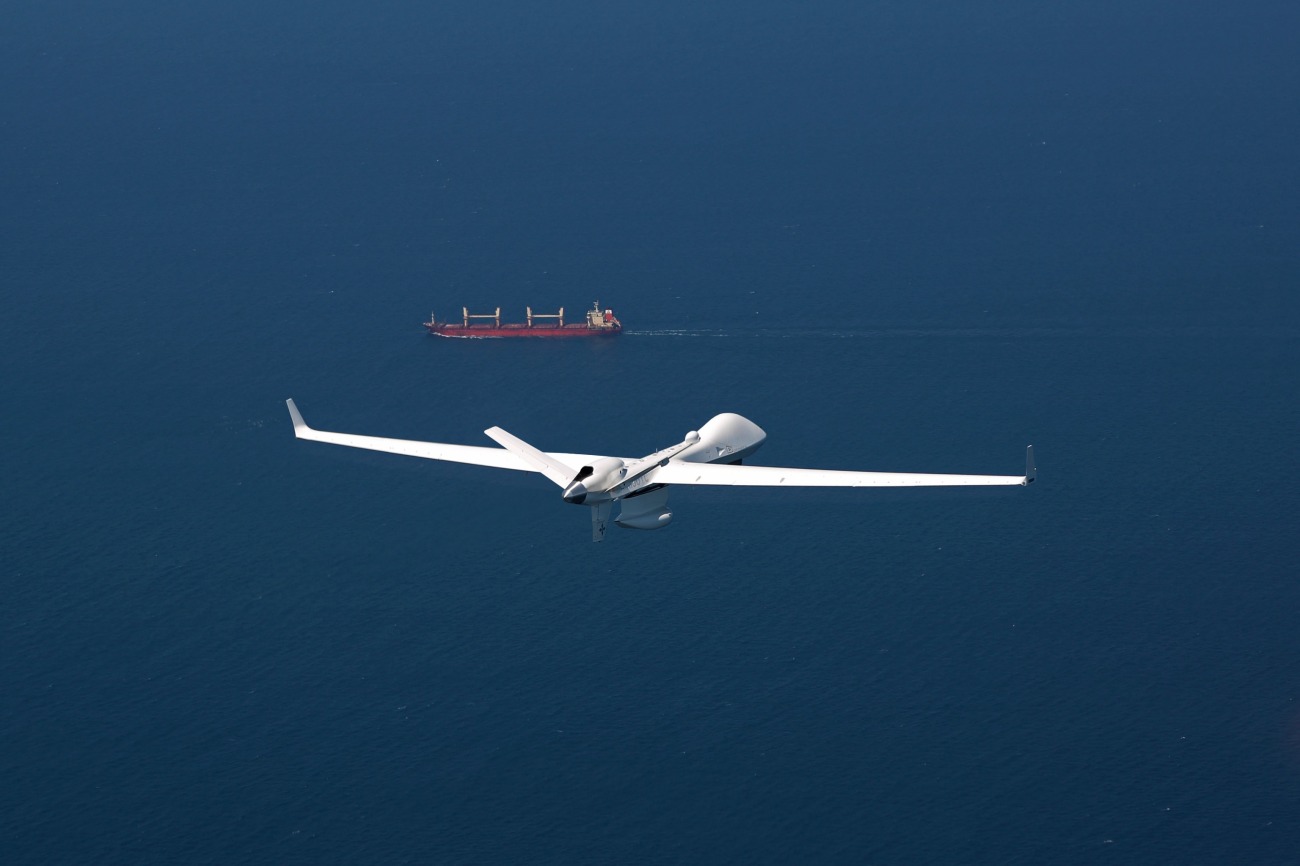
GA-ASI and SAAB are collaborating to develop a remotely piloted aircraft (RPA)-based airborne early warning (AEW) platform.
GA-ASI is equipping its MQ-9B Remotely Piloted Aircraft (RPA) with SAAB-developed LoyalEye radar sensors to create a low-cost platform that will complement manned AEW platforms.
On May 19, GA-ASI flew its MQ-9B for the first time with two Airborne Early Warning (AEW) pods that will eventually carry the fixed antennas of the LoyalEye radar, providing persistent and cost-effective air surveillance.
In the past, SAAB has developed two AEW&C platforms — the Saab 340 Erieye and its successor, the Saab GlobalEye. The Erieye is mounted on the Saab 340 twin-turboprop regional airliner, while the GlobalEye is mounted on the Bombardier Global 6000/6500 ultra-long-range business jet. Both feature AESA radars with fixed antennas.
This MQ-9B LoyalEyes’s maiden flight marks the start of a several-month test-and-evaluation phase, which will culminate in a full-capability demonstration later this year.
The joint AEW offering from SAAB and GA-ASI will support a wide range of applications, including early detection and warning, long-range detection and tracking, and the simultaneous tracking of multiple targets. The system will operate both beyond line of sight and via satellite communications (SATCOM).
The platform will facilitate defense against tactical air munitions, guided missiles, drones, fighter and bomber aircraft, and other threats.
RPA Advantages
Using an RPA instead of a manned platform for AEW has some unique advantages, including:
-High loiter time
-Aircrews are not put in harm’s way
-Lower acquisition costs
-Lower operating costs
With aerial refueling, loiter time for the MQ-9B could extend to nearly 40 hours, compared with approximately 12 hours for a manned platform.
Aircrew and radar operators would be positioned on the ground rather than on the airborne platform. The arrangement is not just safer; it is also cost-effective. Aircrew, radar consoles, and control systems do not remain platform-specific.
The estimated price of the MQ-9B LoyalEye will reportedly be in the $60–80 million range. In comparison, the Saab 340 AEW is estimated to cost approximately $170 million. US AEW&C platforms are even more expensive. The E-2D Hawkeye is estimated to cost $230 million, and the E-7 Wedgetail $725 million.
The operating cost of an RPA platform would be significantly lower than that of a manned platform. Assuming 400 hours of operations a year, the maintenance costs for an E-2D would be roughly $12 million, while those for the MQ-9B would be in the $3–3.5 million range.
China’s WZ-9 Divine Eagle
China has been actively pursuing a remotely piloted airborne early warning (AEW) capability.
Its Shenyang WZ-9 “Divine Eagle” is a high-altitude, long-endurance (HALE), jet-powered UAV designed specifically for AEW and counter-stealth roles.
The twin-boom platform, featuring high-aspect-ratio main wings and a forward canard-style horizontal stabilizer, is powered by a single WZ-9 turbofan engine.
The platform reportedly features up to seven AESA arrays embedded in its twin fuselages, including low-frequency L/S-band arrays for anti-stealth detection.
Conceptual Differences
The Divine Eagle differs conceptually from the MQ-9B AEW. The former is largely a dedicated AEW platform that can additionally perform electronic warfare missions. In contrast, the MQ-9B LoyalEye leverages a proven, affordable airframe with modular sensors. The platform can be configured for different roles, making it more versatile and cost-effective.
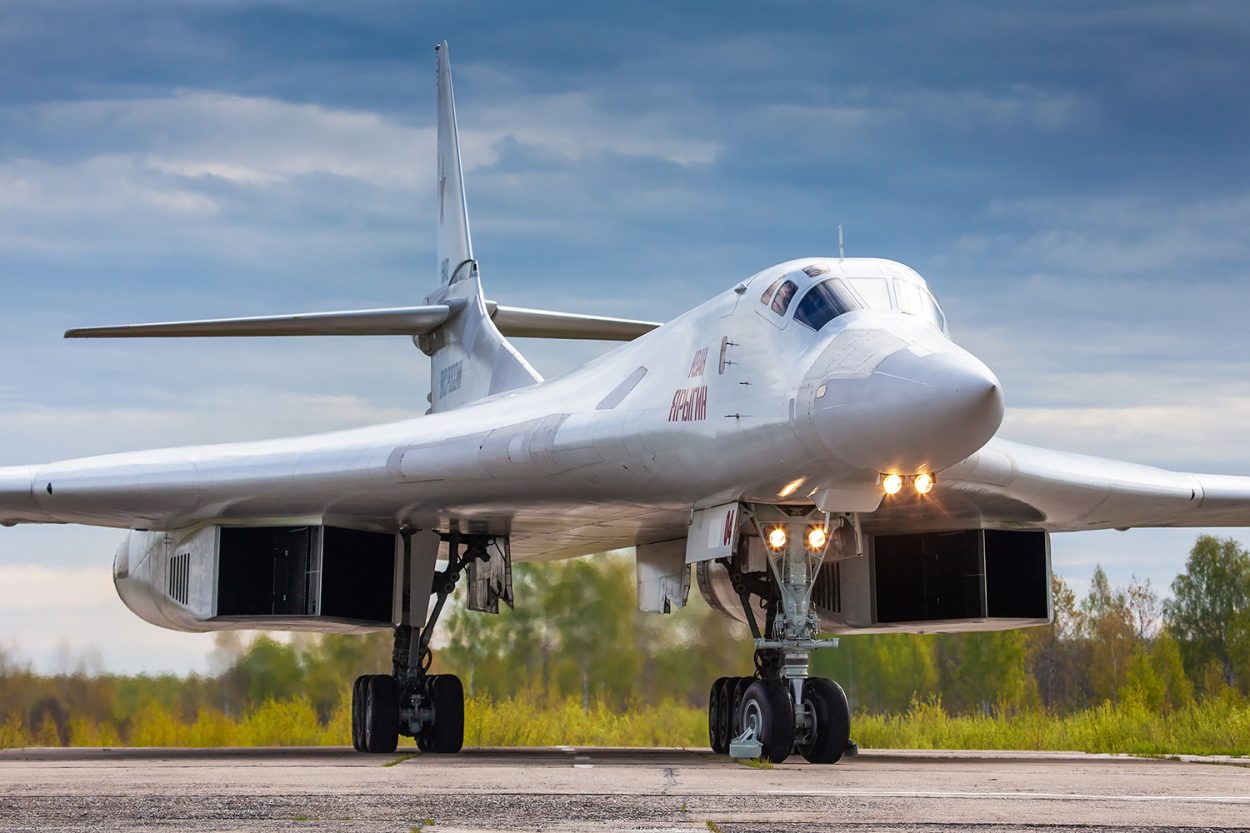
The Divine Eagle is a giant. With an all-up weight of 15 tonnes, it is believed to be the largest UAV ever built. It is estimated to be roughly 15 m long, with a 45 m wingspan, and has a service ceiling of about 82,000 ft.
The standard MQ-9B, which weighs 5.6 tonnes, is 11.7 m long, has a 20 m wingspan, and has a service ceiling of 40,000 ft.
The extreme altitude from which the Divine Eagle operates gives it a “God’s-eye” perch for maximum radar horizon and stealth penetration. (When illuminated from the top using RF, no aerial platform remains low observable.)
China developed the Divine Eagle primarily to detect US F-22 and F-35 stealth fighters over vast areas such as the South China Sea.
Most importantly, the MQ-9B is a low-cost, attritable platform compared with a manned fighter aircraft, and can be deployed in large numbers and occasionally lost to adversary defenses.
MQ-9B LoyalEye Enabling Technologies
The AEW capability of the MQ-9B LoyalEye is packed into two lightweight under-wing pods plus a centreline avionics pod.
The technological advances that have enabled a relatively small RPA to perform a task that previously required large business jets or regional airliners include the following:
-Gallium nitride (GaN) semiconductors in AESA T/R modules. Saab pioneered operational GaN-based AESA radars, which offer far higher power density, efficiency, and heat resistance than older GaAs technology.
-Extreme system integration and miniaturization.
-Optimized low-SWaP (Size, Weight, and Power) design combined with a network-centric architecture that facilitates the relay of compressed data via SATCOM to ground stations for processing.
Implications for India
The possibility of Pakistan acquiring an MQ-9B AEW analog in the future should worry Indian defense planners. The platform is relatively inexpensive but likely highly capable.
The Pakistan Air Force (PAF) already operates the Saab 2000 Erieye AEW&C (Airborne Early Warning and Control) platform. An export variant of the Saab 340 Erieye, the Saab 2000 Erieye uses the Saab 2000 twin-turboprop regional airliner.
The PAF is one of the largest operators of the platform, with nine aircraft in service as of mid-2026.
It is conceivable that Saab could supply the MQ-9B AEW platform itself or, if the US were unwilling to permit such a sale, fit the LoyalEye radar to an alternative MALE platform such as the Bayraktar Akinci.
The Akinci’s lighter payload capability (1,500 kg) compared with the MQ-9 B’s (2,500 kg) would make such an integration challenging once fuel, sensors, and weapons are factored in. However, the Akinci’s twin turboprops (up to 2 × 850 hp) likely offer comparable or greater electrical power-generation capacity and redundancy.
- Vijainder K Thakur is a retired IAF Jaguar pilot, author, software architect, entrepreneur, and military analyst.
- This is an Opinion Article. Views Personal of the Author
- Follow the author @vkthakur