US-Saudi strikes on Iraq killed at least 20 militants, including several Iranians, on Wednesday, according to the Hashed al-Shaabi, an armed Iraqi alliance that includes pro-Iran groups.
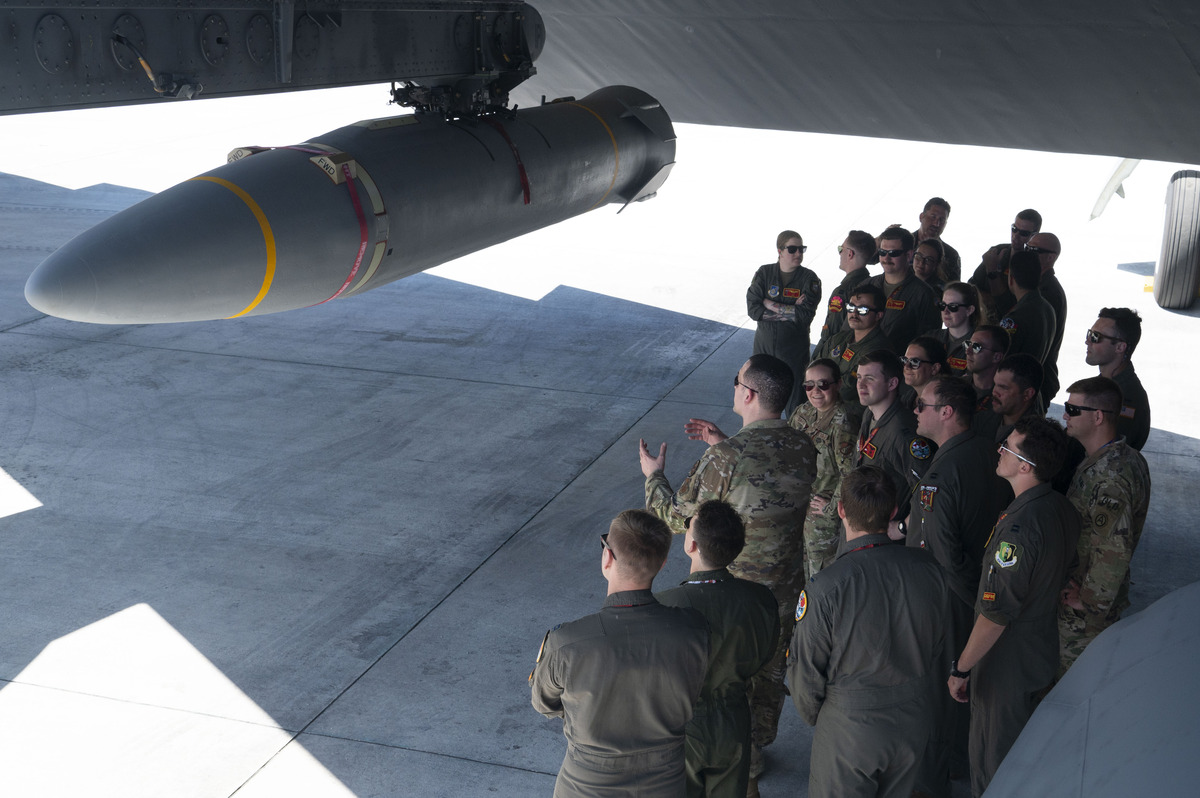
The United States and Saudi Arabia said they had struck Iran-backed armed militants in Iraq in response to attacks on US forces and Saudi oil facilities.
Washington and Tehran are Iraq’s main allies, but their enmity has long turned the country into a proxy battleground and left successive governments struggling to maintain a delicate balance between the foes.
The Hashed al-Shaabi, also known as the Popular Mobilization Forces (PMF), said that at least 20 fighters “were martyred and another 32 wounded according to a preliminary toll”.
Two Hashed officials told AFP that five Iranian advisors were among those killed in a strike in the central province of Diyala.
AFP correspondents saw coffins wrapped in Iranian flags during a funeral organised by the Hashed al-Shaabi in Baghdad for those killed.
The Hashed alliance was created in 2014 to fight jihadists before it was formally integrated into the Iraqi armed forces.
It now includes brigades belonging to Iran-backed groups reputed for acting unilaterally.
US President Donald Trump said the strikes were coordinated with the Iraqi government, according to Fox News.
They follow growing US pressure on Baghdad to disarm pro-Iran armed groups, which have frequently targeted US facilities in the country and have long called for the withdrawal of US troops.
Iraq’s new Prime Minister Ali al-Zaidi, who came to power this year with Washington’s blessing, vowed to ensure those groups would hand over their weapons, but has faced pushback from some powerful factions.
Earlier this month, Zaidi visited both the United States and Iran.
Inevitable Response
The strikes came after Riyadh said its forces had intercepted drones targeting oil facilities, blaming the Iran-backed groups in Iraq.
The most active pro-Iran armed groups are united under an alliance known as the Islamic Resistance in Iraq, which has acted in support of Tehran during the Middle East war, claiming hundreds of attacks against US bases in Iraq and across the region.
The Islamic Resistance in Iraq said, “our response to the American enemy is inevitable, and may target its tools in Saudi Arabia”.
But the group added that it would only retaliate after the Arbaeen day of pilgrimage, which falls on Tuesday.
The Arbaeen marks one of the most significant events in the Shia Muslim calendar, during which pilgrims, many from Iran, flock to Iraq to visit the holy shrines.
The pro-Iran groups denied attacking Saudi Arabia, and they haven’t claimed any attacks since the US-Iran war resumed earlier this month.
Violation
Iraq denounced the US-Saudi strikes and said it rejects “all acts of aggression, regardless of the party responsible or the justifications presented.”
The Ministerial Council for National Security said it would “confront any violation of Iraq’s sovereignty, and prevent any source from using Iraqi territory to threaten neighboring states”.
It reaffirmed its commitment to ensure the state’s monopoly over weapons.
Zaidi’s government has given those groups that Washington designates as terrorist organizations until September 30 to disarm.
Oil-rich Iraq has been trying to move past decades of war and unrest, but it remains vulnerable to regional and internal flare-ups.
Houthis attack Saudi tanker in Red Sea
Meanwhile, Houthi rebels said they targeted a Saudi oil tanker in the Red Sea with ballistic missiles for violating a blockade on the kingdom’s ports. Saudi Arabia had yet to comment on the Houthis’ claim, but reported having intercepted drones targeting oil facilities in its east, blaming pro-Iran militias in Iraq.
“The targeting of the Saudi vessel came after it ignored warnings,” a Houthi military spokesman said, identifying the ship as the NCC Ghazal and adding it had been “forced to turn back”.
The website MarineTraffic, owned by maritime tracking firm Kpler, listed the Ghazal as a Saudi-flagged tanker whose last known location was the port of Yanbu, the terminus of an important oil pipeline on the kingdom’s Red Sea coast.
Last week, the Iran-backed Houthis declared a maritime blockade of Saudi Arabia and have since claimed attacks targeting Saudi tankers and oil infrastructure.
The blockade has threatened Saudi Arabia’s ability to get its supplies to the world following Iran’s parallel blockade of the Strait of Hormuz after hostilities resumed in the Middle East war, cutting off the kingdom’s only other maritime route.
Riyadh last week struck Houthi targets in Yemen in response to the threats to Red Sea shipping.
A spokesman for the Saudi defense ministry said late Tuesday that “aerial defenses intercepted and destroyed several drones that attempted to target oil installations” in the country’s east.
The spokesman, Turki al-Maliki, added that “these new terrorist attacks were launched from Iraqi territory and carried out by militias linked to Iran”.
It was the second day in a row Riyadh had blamed Iran-backed groups in Iraq for launching attacks.
By Agence France-Presse