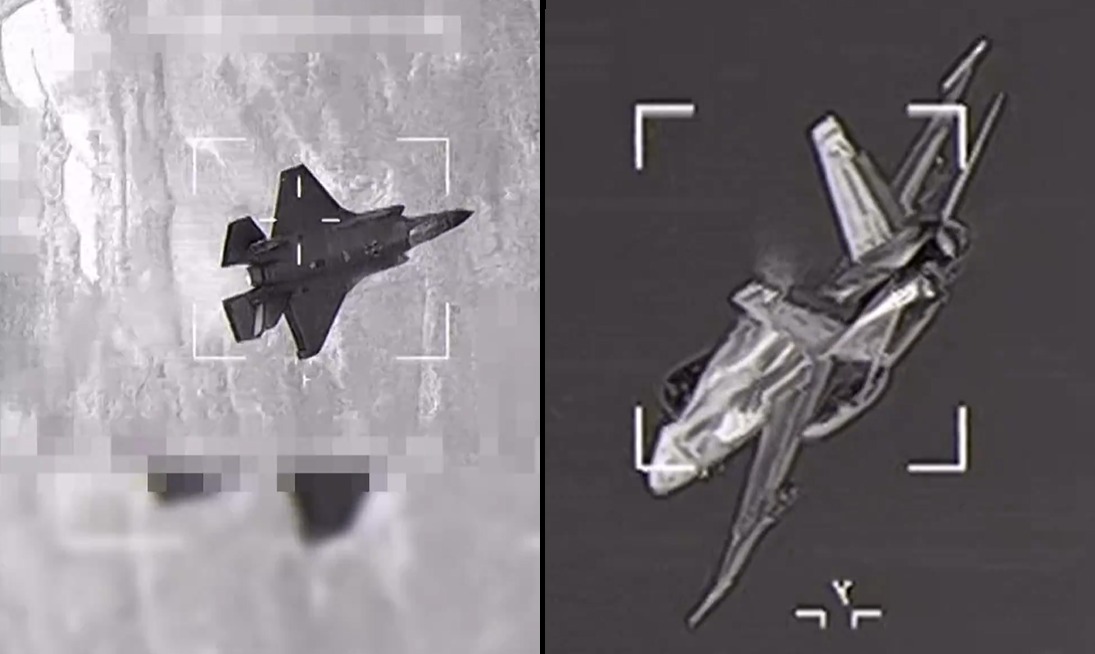
Is India waging a proxy war against Turkey?
This question is prominently appearing in the Turkish media these days. Though it has not been raised officially by Ankara, Turkish defense experts seem alarmed by India’s rapidly expanding security partnerships with Greece and Cyprus, which are at the center of some of Ankara’s most sensitive geopolitical disputes.
The theory doing the rounds in Turkey’s strategic circles is that India’s growing diplomatic and military alignment in the Eastern Mediterranean region, through arms sales and the conclusion of special strategic pacts with Greece and Cyprus, is a countermeasure to Turkey’s close alliance with Pakistan in South Asia.
It is said that for a country that has been Pakistan’s great supporter for decades, India, Pakistan’s “eternal enemy”, is returning the favor in its own backyard by “deliberately encircling” Ankara.
In strategic parlance, this theory is described as a “tit for tat” game theory, made famous by political scientist Robert Axelrod and mathematician Anatol Rapoport; it is widely used in business negotiations and international diplomacy (a player begins by cooperating and then simply mimics its opponent’s previous move in all subsequent interactions. If the opponent cooperates, the player cooperates; if the opponent acts selfishly, the player retaliates).
However, if one scans the India-centric strategic literature in recent months, then the predominant factor behind New Delhi’s expanding ties with Athens and Nicosia appears to be the growing consensus among the three capitals on the importance of the India-Middle East-Europe Economic Corridor (IMEC). It has less to do with Turkey.
The three share the vision of Greece and Cyprus serving as the geopolitical and military anchor for the European terminal of the IMEC. And that is because IMEC’s land route through the Middle East faces delays due to regional conflicts involving Iran and Israel. New Delhi and its Mediterranean partners, therefore, are actively planning to secure the corridor’s maritime entry points to Europe.
Turkish analysts’ argument that India is playing the tit-for-tat game is understandable, given their President Recep Tayyip Erdogan’s love for and support for Pakistan. As the EurAsian Times had once explained, since 2019, Erdogan has been speaking at the United Nations General Assembly about India’s “occupation” of Kashmir and “suppression of Muslims by Hindus in India”.
The Turkish President’s animosity towards India has been such that he even encouraged the “Diyanet”, the Turkish religious institution, to cultivate ties with the interim government led by Muhammad Yunus soon after the collapse of Sheikh Hasina’s government in Bangladesh and finance the Bangladesh’s rabidly anti-India radical Jamaat-e-Islami (JeI) party.
President Erdogan has been one of Pakistan’s most consistent diplomatic backers. He has supported Pakistan at the Financial Action Task Force when it was put under “the Grey list” for its terror-related activities. Under him, Turkey has sold Pakistan Milgem-class warships, T129 attack helicopters, and drones, and conducted regular joint military exercises.
During the 2025 India-Pakistan skirmishes, Turkish military cargo flights to Pakistan and Ankara’s public statements made Turkey, in New Delhi’s view, an openly partisan actor.
Against this background, Turkish media reports express deep anxiety over the possibility of Greece and Cyprus acquiring Indian-made BrahMos supersonic cruise missiles, which could compromise Turkish naval operations and shift the regional military balance.
They argue that because Greece’s NATO-standard warships and submarines are not structurally compatible with the large-caliber missiles, Greece can use the land-based BrahMos against Turkey very effectively.
Besides, they allege that the Greek Air Force is seeking operational intelligence from India to train for potential engagements with Turkish forces in disputed airspace.
Both Greece and Cyprus are indeed highly interested in acquiring BrahMos cruise missiles from India, along with Indian-made kamikaze drones to bolster their regional deterrence and upgrade their military capabilities.
It is also true that India has pursued an active Eastern Mediterranean policy in recent years, focusing on Greece and Cyprus.
It may be noted that Greece has consistently supported India on sensitive issues such as Jammu & Kashmir and India’s membership in a reformed and expanded UN Security Council.
Prime Minister Narendra Modi’s official visit to Greece on 25 August 2023 was considered very significant as it was the first visit by an Indian Prime Minister in more than 40 years. This visit saw the upgradation of bilateral ties to a Strategic Partnership with enhanced cooperation in the political, security, and economic fields.
To give it further substance, Greek Prime Minister Kyriakos Mitsotakis paid a state visit to India on 21-22 February 2024, the first visit by a Greek Prime Minister in 16 years.
Though India and Greece had signed a MoU on Defense Cooperation in 1998, it remained limited to occasional high-level military-to-military exchanges or limited-scope participation in each other’s military training exercises. However, in July 2024, an official-level JWG (Joint Working Group) mechanism was established to enhance the defense ties.
It led to the participation of the Greek Air Force within the IAF multinational exercise 4 “Tarang Shakti-2024’ with four fighter jets and the Indian Air Force’s participation in the multinational air “Exercise INIOCHOS-24” hosted by Greece in September 2024, with 4 SU-30 MKI, which represented a significant upgrade in the scope of military-to-military cooperation.
Importantly, Greece has now deployed an International Liaison Officer at the Information Fusion Center – Indian Ocean Region (IFC-IOR) in Gurugram. In India’s Haryana state. Said to be historic, this move aims to strengthen maritime cooperation between the two ancient seafaring nations.
It enhances global maritime domain awareness and real-time information sharing. It not only aligns with the broader India-Greece Strategic Partnership but also connects India’s Indo-Pacific security framework with European and Mediterranean maritime interests.
All this has relevance for Turkey, as it has a century-long contest with Greece over sovereignty in the Aegean Sea, airspace violations, maritime Exclusive Economic Zones, and militarization of islands. Though both are NATO members, they nearly went to war in 1996 and again in 2020.
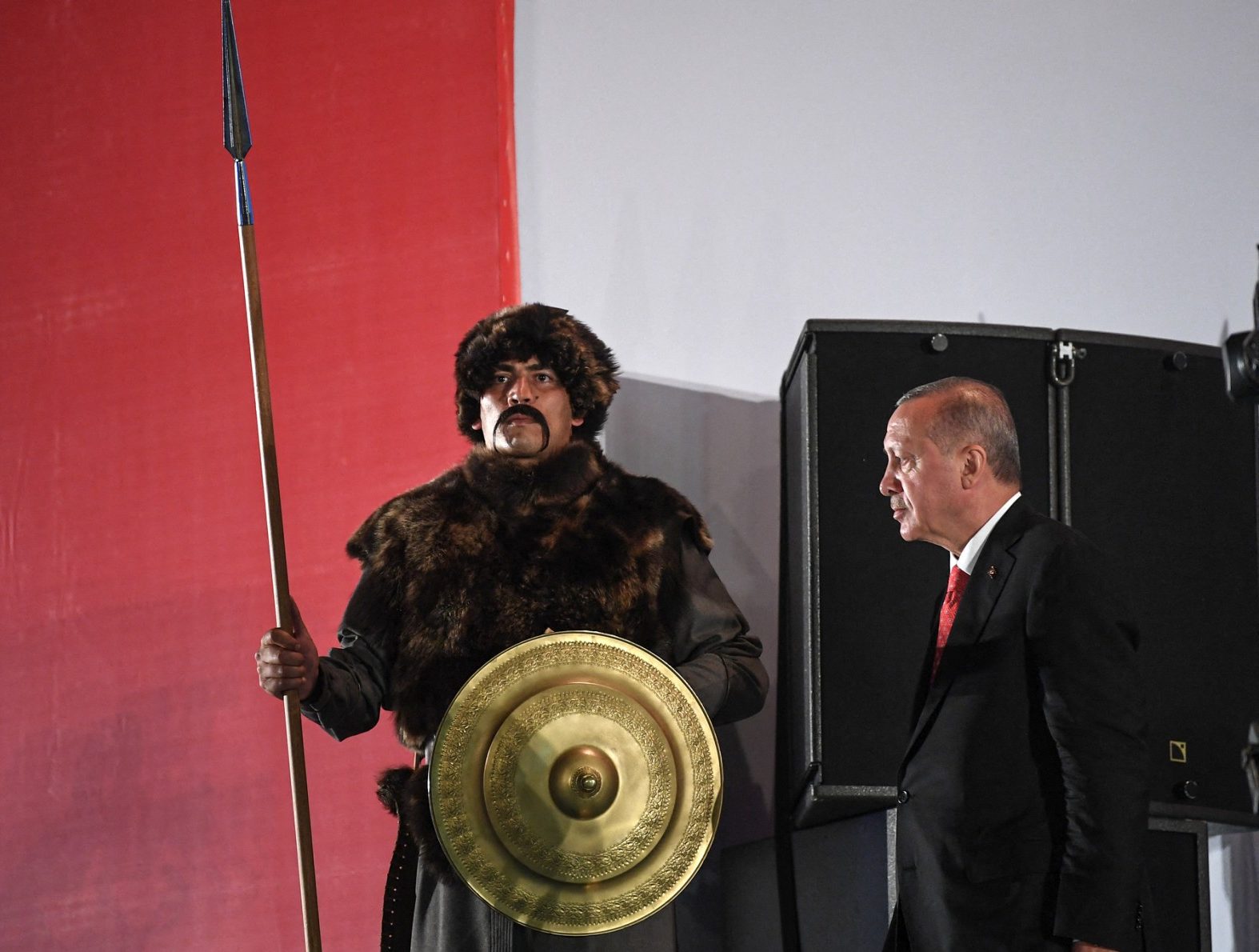
As regards Cyprus, its strategic location in the Eastern Mediterranean and its membership in the European Union (EU) enhance its geopolitical relevance for India. Cyprus provides India with an important maritime and economic gateway into Europe, particularly as New Delhi seeks to diversify connectivity routes, strengthen supply-chain resilience, and expand its engagement with the Mediterranean region.
How seriously the two countries are courting each other is evident from the fact that over the last year, Indian Foreign Minister Dr. S. Jayashankar and Cyprus’s counterpart, Dr. Constantinos Kombos, have met in person six times, in their respective capitals as well as other global capitals.
The most important milestone in the bilateral relations came with Prime Minister Narendra Modi’s visit to Cyprus in June 2025, the first by an Indian Prime Minister in over two decades. It closely followed the signing of the “Bilateral Defence Cooperation Programme” in January 2025. During Modi’s visit, security and connectivity emerged as central pillars of the partnership. India and Cyprus agreed to establish cyber and maritime security dialogues and mechanisms for real-time information exchange on terrorism, drugs, and arms trafficking.
Discussions on improving air connectivity and supporting the India–Middle East–Europe Economic Corridor (IMEC), which we will discuss later, further underscored the growing strategic and economic significance of the relationship.
The momentum was further built up with the visit of the Cyprus President Nikos Christodoulides to India from 20 May to 23 May 2026. During this visit, bilateral ties were elevated to Strategic Partnership status, and a Defense Cooperation Roadmap for 2026–2031 was adopted.
It may be noted that India has consistently endorsed a comprehensive, just and lasting resolution of the Cyprus Question based on a bi-zonal, bi-communal federation with political equality in accordance with the UN framework and relevant UN Security Council resolutions. India has consistently endorsed the solution to the Cyprus Issue based on UNSC resolutions and international law. India supports a bi-zonal, bi-communal federation based on UN Resolutions as a solution to the Cyprus question.
Turkey, which intervened militarily in 1974, has created a situation where the island nation has been divided between the internationally recognized Republic of Cyprus in the south and the Turkish Republic of Northern Cyprus in the north, which is recognized only by Turkey. Ankara keeps more than 35,000 troops there.
Understandably, Turkey will not like any addition to the military strength of Greek Cyprus by countries like India, as it could pose a direct threat to Turkish Cypriots.
Incidentally, India has contributed three Force Commanders to the UN Peacekeeping Force in Cyprus (UNFICYP) since its creation in 1964, namely Lieutenant General PS Gyani, General KS Thimayya, and Major General Diwan Prem Chand. General KS Thimayya died while on active duty in 1965 in Cyprus.
At present, one officer from the Indian Army is serving in the UNFICYP. India is the largest military contributor to UNFICYP, deploying 4,090 personnel as of 31 March 2026, reflecting its longstanding commitment to peace and stability in Cyprus. This engagement seems to have displeased Turkey, given its support for the Turkish Cypriot administration in northern Cyprus.
However, while strategic experts understand Turkish anguish, they argue that it should not be exaggerated because there is hardly any political or diplomatic evidence that India is interested in becoming an active participant in Eastern Mediterranean disputes.
India’s main interests here are said to center on the IMEC, which relies on secure sea lanes across the Eastern Mediterranean to move cargo from Israel’s Haifa port to Europe via Greece and Cyprus.
The India-Middle East-Europe Economic Corridor (IMEC) was announced at the G20 Summit in New Delhi on 9 September 2023 by India, the US, Saudi Arabia, the UAE, the EU, France, Germany, and Italy. It comprises an “Eastern Corridor” connecting India to the Gulf region and a “Northern Corridor” connecting the Gulf region to Europe. It envisages a railway and ship-rail transit network, as well as road transport routes.
With the Middle Eastern rail segments facing diplomatic and war hurdles, Cyprus has officially proposed a reverse blueprint: building IMEC from the Mediterranean backward. By linking India directly to an island hub network consisting of Cyprus, Greece, and Italy, this axis provides a stable, “pre-secured” western anchor for the corridor. This creates an operational maritime trading block ready to plug in as soon as the Middle Eastern land links fully open.
Incidentally, Cyprus has established a “Friends of IMEC” group within the European Union to advocate for funding and rapid implementation of the corridor. The informal coalition unites IMEC signatories and interested EU members. Its goal is to advance connectivity, economic cooperation, and regional stability. The initiative is said to have gained significant momentum during the current Cypriot Presidency of the Council of the European Union.
When IMEC was concluded, it was understood that Greece would give its main port entry to Europe. But Cyprus is now pitching itself as the workaround/building block. For Nicosia, IMEC is “the base for a new economic trade security architecture in the region”, so that “Cyprus becomes a strategic gateway for Indian industry and technological prowess into the European market”.
For India, this makes a lot of sense. The Gaza war, Red Sea / Houthis’ attacks on shipping, and Israel’s Haifa port being in range of rockets all paused the momentum of the IMEC in 2024-2025. Now, the Cyprus-Greece-Italy “start from the Mediterranean” proposal gives IMEC a European leg that does not depend entirely on Haifa.
Apparently, Turkey is also unhappy over this development. In any case, it has never liked the idea of IMEC. Because IMEC diverts Asia-Europe trade away from Turkey’s own “Middle Corridor” / Iraq Development Road, which is Ankara and Baghdad’s rival pitch. It locks Turkey out of a US/EU/India/Gulf/Israel/Greece/Cyprus alignment – essentially comprising countries, most of whom happen to be Turkey’s regional rivals.
And that being so, India’s growing bilateral defense diplomacy in Athens and Nicosia makes it harder for Turkey to appreciate the development.
- Author and veteran journalist Prakash Nanda is Chairman of the Editorial Board of the EurAsian Times and has been commenting on politics, foreign policy, and strategic affairs for nearly three decades. He is a former National Fellow of the Indian Council for Historical Research and a recipient of the Seoul Peace Prize Scholarship.
- CONTACT: prakash.nanda (at) hotmail.com