With the next-generation European FCAS (Future Combat Air System) program standing at the verge of collapse amid a sustained deadlock between Airbus Defense and Space, representing Germany and Spain, and Dassault Aviation, representing France — Airbus has given a firm signal that it could join forces with Swedish defense manufacturer SAAB to develop its sixth-generation fighter.
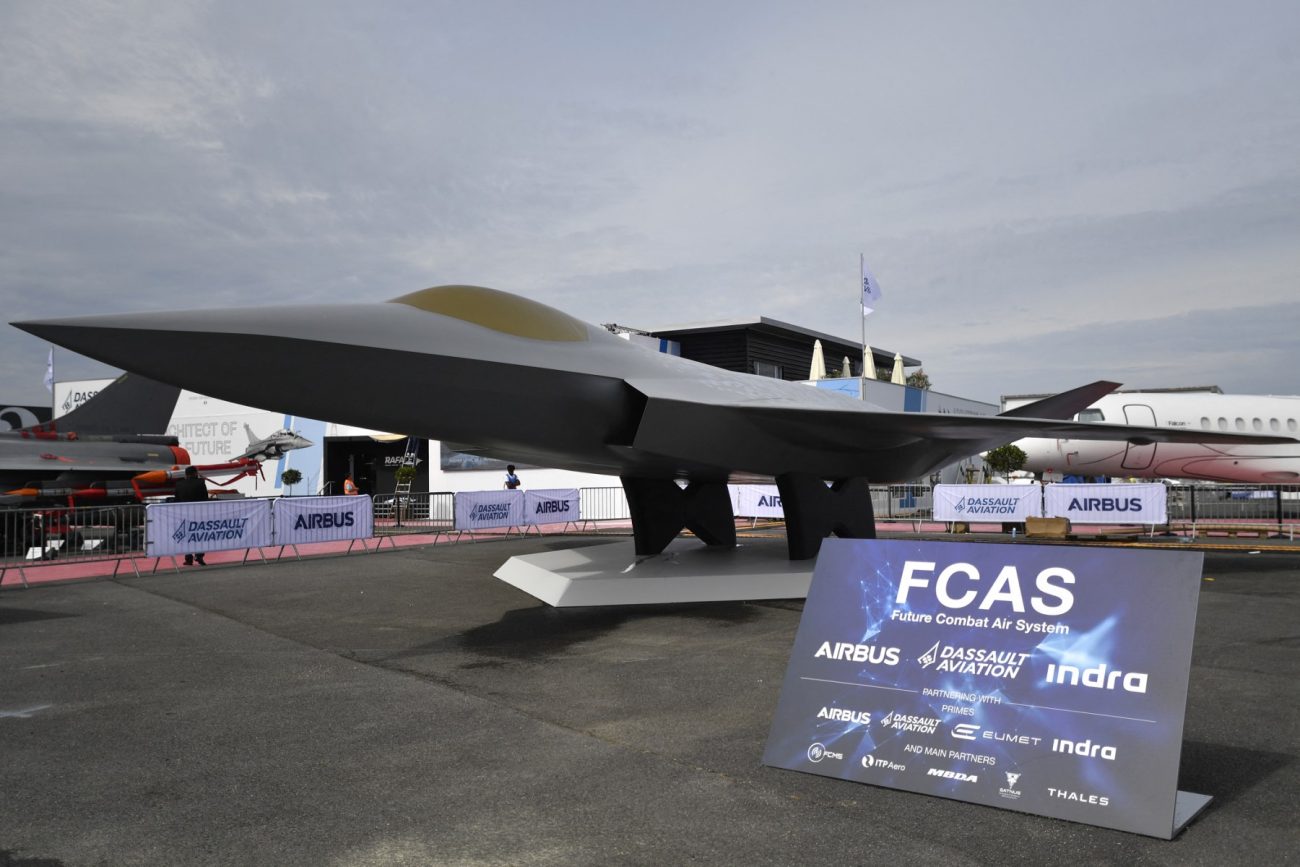
The FCAS is a €100 billion ‘system of systems’ program that includes a next-generation fighter (NGF), adjunct aircraft, and a combat cloud—a multi-domain capable, data-rich network enabling cross-platform information sharing.
The program got off to a decent start, with Dassault Aviation taking responsibility for the crewed NGF, Airbus developing the “loyal wingman” remote-carrier drone design, new cloud capabilities, and stealth technologies, Spain-based Indra taking on the job to build sensor systems, and Safran developing a new jet engine for the fighter.
However, the project has been moving at a sluggish pace for more than a year due to a deadlock between industry partners, Airbus and Dassault, over issues ranging from work-sharing to control of the aircraft’s design and supplier selection. In fact, the two sides have been unable to reach an amicable solution despite repeated reassurances, meetings, and diplomatic pressure from both sides.
Amid looming fears of a breakdown of the FCAS machinery, Michael Schoellhorn, the head of Airbus Defence, stated on May 27 that the crisis-affected FCAS was unlikely to be a total failure, despite certain irreconcilable differences between Airbus and Dassault at the moment. Instead, he reckoned that the two sides would likely work out a networking system for weapons and the drone program.
Notably, the Airbus Defence and Space chief expressed hope that France and Germany will decide on the future of the New Generation Fighter (NGF) by the time ILA Berlin begins next month, to avoid further delays.
At the same time, though, the company also seems to be working on a Plan B in case Dassault CEO Eric Trappier refuses to relent, and the NGF falls apart.
Is SAAB Plan B for Germany’s Next-Gen Fighter?
Airbus has raised the possibility of collaborating with Swedish defense and aerospace manufacturer SAAB to develop a next-generation fighter jet.
Michael Schoellhorn stated last week that he was eager to work with Sweden and Saab on a new next-generation fighter, while speaking at an exclusive interview with the Swedish Dagens Industri financial newspaper on the sidelines of the Airbus Defense Summit at Airbus Defense & Space’s Manching site near Munich.
Acknowledging the mounting troubles within the FCAS grouping, Airbus stated that it had had “productive but confidential” conversations with the governments of Sweden and Germany about the matter.
When asked if Airbus was looking to specifically develop a manned tactical next-generation fighter with SAAB, the CEO said, “We are open to a number of things. For Airbus, the crewed fighter aircraft is still an open question.”
In the same breath, the CEO emphasized that the company “will be involved in the development of a sixth-generation fighter aircraft.”
“We will be involved in the development of such an aircraft. The structure within FCAS could be improved. That could lead to two fighter aircraft within FCAS, or to another form of cooperation, and Sweden and Saab are candidates with extensive expertise in this field,” Airbus Defence and Space CEO Schoellhorn said in the interview. “If we are to have something that can be called sixth generation and that is airborne before the 2040s, we have to act now. We are waiting impatiently to see what the politicians will decide. If we are still in limbo at the end of the year, that would be very challenging,” he added.
Further, the Airbus chief, who recently visited Sweden, said, “Sweden and Saab are candidates with extensive expertise”. “Everyone is aware of the difficulties we face. He continued, referring to the FCAS program, “That is why it is time to actively explore other options, which is what we are now doing.”
These statements are the clearest indication that Airbus is officially seeking a reliable European partner amid what seems to be an irresolvable stalemate with Dassault.
Dassault CEO Eric Trappier has been reluctant to cede space to German and Spanish defense partners in the FCAS program, arguing that his company, with the required expertise and decades of experience in designing end-to-end fighter jets, has the necessary skills to develop the NGF. The CEO has, in fact, even dropped hints that the company would be willing to go solo on the project.
This has been a sticking point for Germany and Airbus Defence and Space, both of whom are unwilling to allow Dassault to take a larger share, benefiting the French contractor and leaving little for the German industry.
Disillusioned by Dassault’s reluctance, the German leadership and Airbus have been mulling a partnership with other potential stakeholders since last year. Airbus was allegedly informed by the German government in September 2025 that it is assessing two options: either going it alone with Spain, or pursuing a potential partnership with Sweden or the UK.
Since the UK is already pursuing the Global Combat Air Program (GCAP) with Japan and Italy, Sweden may be a preferable choice.
Interestingly, Sweden had previously held observer status in the GCAP grouping but withdrew from the initiative in 2023, citing a mismatch between expectations and requirements, as well as high costs.
Micael Johansson, President and CEO of Saab, announced that the nation is currently in a “hibernation period” for the global project. “We are on the margins, and our involvement has not been as intensive as we thought it would be at first. We are not out of the program, but Sweden has hibernated while we see how the UK, Italy, and potentially Japan set it up. I am not sure how this will play out,” he said at the time.
Sweden has since initiated work on its own next-generation fighter.
In October 2025, the Swedish Defence Materiel Administration (FMV) awarded Saab a $276 million contract for conceptual studies for the next-generation fighter aircraft, scheduled to take place from 2025 to 2027. The contract includes conceptual studies of manned and unmanned solutions in a system-of-systems perspective, as well as technology development and demonstrators, SAAB said in a statement at the time.
Although the program is in a very nascent stage, with few details publicly available, it emphasizes a “system of systems” approach, potentially including both crewed and uncrewed platforms.
Moreover, its design is expected to prioritize air dominance, incorporate advanced technologies such as Artificial Intelligence (AI) and autonomy, operate in collaboration with loyal wingman drones, and align with global trends in sixth-gen technology.
The design philosophy appears very similar to that of the FCAS, potentially opening a door for collaboration between the two sides.
Sweden could potentially contribute to the FCAS through Saab, which manufactures the Gripen and has experience with sensors, avionics, and lightweight airframes.
Furthermore, since Sweden has only just launched a study of the program, it can either develop its own next-generation fighter or contribute to an existing program as an equal partner.
As for the FCAS, Germany has repeatedly hinted that it would be willing to advance the program even if the two sides fail to reach a consensus on developing the NGF.
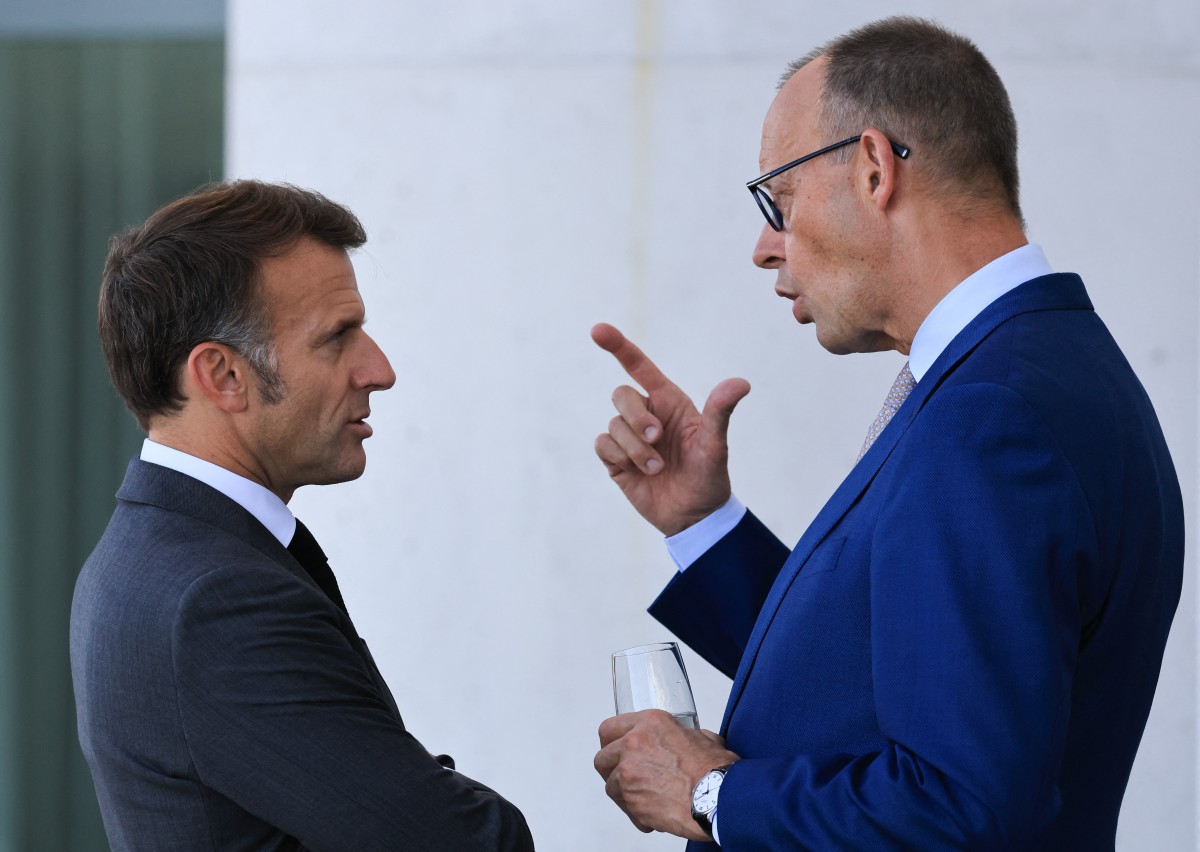
In late January 2026, for instance, German Chancellor Friedrich Merz stated that the FCAS collaboration was certain to produce combined defense systems, although it was unclear if the initiative would result in collaborative aircraft.
“There will definitely be joint systems,” Merz said. “We are currently in intensive talks with France about the extent to which we will continue to develop and build joint aircraft, and I expect that we will reach a joint decision on this within the next few weeks.”
Shortly after that, Airbus suggested that France and Germany could pursue separate fighter designs under a shared FCAS architecture to avoid the entire program collapsing. “If mandated by our customers, we would support a two-fighter solution and are committed to playing a leading role in such a reorganized FCAS delivered through European cooperation,” Airbus’ chief executive, Guillaume Faury, said at the time.
These statements indicate that there is little hope in Berlin for a possible resurrection of the FCAS. In fact, Airbus has changed course once again, floating the idea of developing only drones and other avionics within the FCAS framework, rather than speaking directly of a two-fighter solution.
Interestingly, some previous reports suggested that Germany was also considering joining the GCAP.
Speaking at his interview with Dagens Industri, Schoellhorn said, “GCAP is an existing alternative that could be considered. The defense industry submits proposals; the politicians decide what is to be done.”
However, this may be a challenging prospect, given that Japan has been very protective of the trilateral grouping and has so far opposed opening the program to potential collaborators, fearing it would lead to further delays due to the risks associated with multinational requirements.
It’s worth noting that they also suggested that Airbus and Sweden collaborate in the airborne early warning and control (AEW&C) sector, particularly with Saab’s GlobalEye aircraft. “If we were to join forces, we could be a very capable team that could contribute many future capabilities,” said Schöllhorn of this idea.
While these ideas seem palatable for Sweden, the country has a long history of producing its fighter jets locally—from the Viggen in the 1970s to the Gripen in the 1990s—which could eventually lead to a decision prioritizing self-reliance and full autonomy in the next-generation fighter.
For now, talks are ongoing, as noted by the Airbus CEO. It remains to be seen if Airbus and Dassault can come up with a solution to save the FCAS, which is almost painfully behind schedule and trailing contemporary programs, such as the GCAP and the American F-47.
- Contact the author at sakshi.tiwari13 (at) outlook.com
- Follow EurAsian Times on Google News