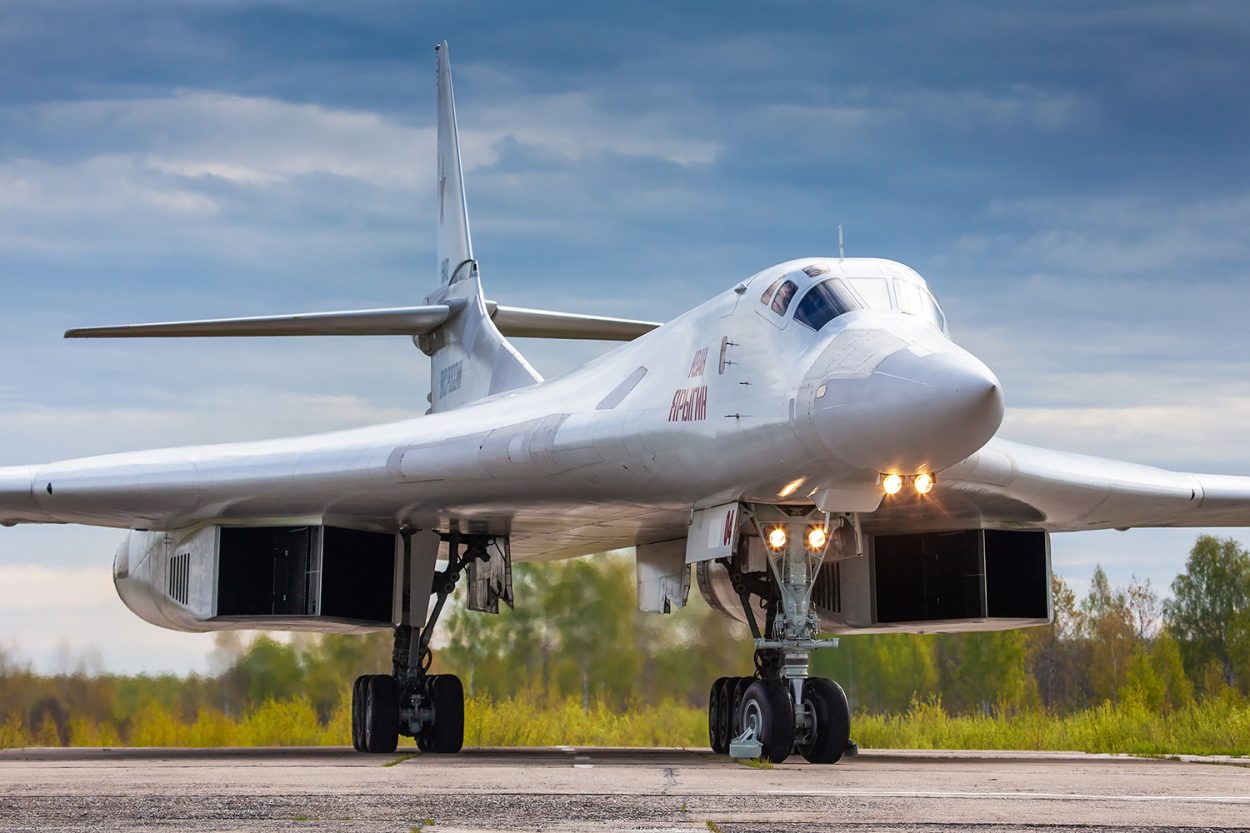
Iran, with a much inferior air force and highly depleted fighter aircraft assets, could force the world’s greatest air powers, the USA and Israel, with top-end warplanes, to the negotiating table within a little over a month. Iran primarily relied on ballistic missiles and kamikaze drones to fight the US and Israel.
Many senior military veterans argue, based on experiences in Ukraine, Op Sindoor (India-Pakistan clash), and the Iran War 2026, that it is time to invest more in missiles and cheaper drones, and much less in expensive fighter aircraft. The flawed logic applied to fighter aircraft was also applied to the Main Battle Tank (MBT) and large ships.
Some wrote the obituary of the Main Battle Tanks (MBTs) when cheap Ukrainian drones knocked out a few Russian tanks in the initial days of the Ukraine War.
Interestingly, the counter-drone systems have matured quickly and are delivering strong results. In the most recent cases, nearly 94% drones are getting neutralized. Iranian forces have reportedly destroyed at least 24 slow-moving U.S. MQ-9 Reaper drones and 18 Israeli drones.
Large Ships
The 2022 sinking of the Russian cruiser Moskva is often cited as a key example of a large vessel’s vulnerability to anti-ship weapons. Large ships are very expensive, are major targets, and modern sensors and precision-guided weapons can quickly neutralize them. Lack of agility and poor maneuverability compared to smaller counterparts make them easier targets to detect and engage.
The cost-ineffectiveness guys cite the “square cube law,” making constructing massive ships exponentially more expensive. Smaller, more numerous vessels offer a better return on investment and can be produced in greater numbers.
A single massive ship lacks operational flexibility. A single lucky hit, such as a torpedo damaging a propeller or rudder, can disable a major warship, rendering its immense cost and firepower irrelevant. As highlighted during World War II, a strategy focused on only a few high-quality ships can be overwhelmed by a larger number of smaller, faster vessels.
The counter-logic and contextual factors are that larger ships can carry better armor, more advanced countermeasures, and have redundant systems that allow them to absorb damage that would destroy a smaller ship. In a diplomatic or strategic context, large capital ships are considered a significant demonstration of power and resolve.
Navies around the world consider large ships as indispensable for long-distance missions, serving as carriers for smaller craft, supplies, and fuel. Large ships could house much bigger reactors, providing superior shields and energy.
Missiles Over Fighter Aircraft?
The logic of preferring missiles over fighter aircraft is driven by the advantages of cost, speed, and safety, enabling high-accuracy engagement without risking a pilot. While fighter jets provide versatility and reusability, modern air doctrine increasingly relies on Beyond Visual Range (BVR) missiles and standoff weapons to achieve “first-look, first-kill” capabilities, shaping outcomes before a dogfight occurs.
The core logic for those advocating missiles starts with cost-efficiency and production. Air-to-Surface or Surface-to-Surface Missiles are cheaper than modern fighter jets. A BrahMos costs between $2.75 million and $4 million ($12.5 million for BrahMos II). The Agni-IV class of Intermediate-Range Ballistic Missile (IRBM) costs approximately $5 million per unit. In comparison, a Su-30 MKI costs around $75 million.
Missiles are also simpler to mass-produce than fighter jets, which require more complex manufacturing. Modern missiles can reach speeds over Mach 3–5, often outmatching the max speed of fighter jets. They can sustain significantly higher G-forces (often 40-60 Gs) than a human pilot can (around 9 Gs), making them ideal for pursuing nimble targets.
Missiles can be launched from smaller, more versatile platforms, including trucks or small vessels, rather than requiring specialized, vulnerable runways or aircraft carriers. While missiles are preferred for their speed and single-use effectiveness, they are best suited for known, fixed, or high-value, pre-designated targets.
Why Fighter Aircraft?
Fighter aircraft are essential for air forces to establish air superiority, protect national airspace, and deliver precision strikes in modern combat. They are fast, agile, and equipped with advanced sensors to defeat enemy aircraft, destroy ground targets, and act as a crucial force multiplier in combined arms operations.
Fighter jets are primary weapons for gaining control of the skies and protecting friendly forces from aerial threats. They intercept enemy aircraft, ensuring that airspace is secured and that ground operations can proceed without threat from above.
Modern fighters (like the Rafale or F-35) are often “multi-role,” capable of performing a variety of missions, including air-to-air combat, deep-precision surface strike, ground support, and maritime strike.
Fighters can respond to airspace violations in minutes, intercepting threats far from civilian populations. They also operate in stealth for surveillance and combat, crucial for operating within enemy radar detection ranges.
With advancements in electronics, radar, and stealth (5th- and 6th-generation), fighters act as sophisticated command centers that can, in some cases, control drone swarms and process enormous amounts of battle data. Fighter aircraft remain the backbone of national defense strategies, enabling rapid deployment of force and dictating the pace of an aerial battle.
Nearly 50% of all defense budgets since WW II have gone to air power, and more than 50% of those funds have gone to fighter programs. The world’s largest defense companies, such as Lockheed, Boeing, British Aerospace, China’s AVIC, Russia’s UAC, and India’s HAL, are involved in military aviation.
Advantages of Fighter Aircraft over Missiles
Fighter aircraft offer significant advantages over Surface-to-Surface Missiles (SSMs), particularly in flexibility, reusability, and adaptability to real-time tactical changes. While SSMs are highly effective for rapid, deep strikes on known, static targets, manned and unmanned fighters provide a broader spectrum of operational capabilities.
Key advantages of fighter aircraft over SSMs include operational flexibility and versatility. Fighter aircraft are multi-role platforms capable of performing a variety of missions in a single sortie, including air superiority, suppression of enemy air defenses (SEAD), close air support (CAS), and reconnaissance. Unlike an SSM, which has a single purpose, a fighter can change targets or missions based on real-time data.
Fighter jets are reusable, allowing them to participate in numerous missions, making them more cost-effective in prolonged conflicts. While a missile is consumed after a single use, a fighter can return, rearm, and re-engage.
The presence of a pilot (human-in-the-loop) enables in-flight decision-making, including target identification (friend-or-foe), mission changes, and aborting a strike to avoid collateral damage.
Fighters can loiter over a battle area, providing persistent surveillance and immediate air support (CAP – Combat Air Patrol). They can also conduct real-time intelligence gathering, which is not possible with a single-use missile.
Advanced electronic warfare (EW) aboard modern fighters acts as an advanced EW platform, equipped to jam enemy radars and defend against threats, providing an “electronic umbrella” for friendly forces.
Fighter presence provides a visible, psychological advantage and, through strategic intimidation, acts as a deterrent to enemy actions. Fighters are superior for managing dynamic situations, defending airspace, and conducting sustained campaigns.
Fighters Add Range and Speed to Missile
Firstly, the fighter or Bomber aircraft goes much closer to the battle zone, which could be a few thousand kilometers away. Launching missiles from fighter jets significantly enhances their operational range and speed by imparting initial kinetic energy to the missiles, acting as a “first stage” of acceleration.
New ramjet-powered missiles maintain high speed throughout their flight, ensuring a “No Escape Zone” (NEZ) that is significantly larger than conventional rocket-propelled missiles. Ramjets need initial speed.
When the missile starts with significant kinetic energy, it can reach maximum velocity faster than a surface-launched counterpart.
A higher, faster-flying aircraft (sometimes supersonic) enables missiles to attain higher potential energy, resulting in increased range. Launching from a higher altitude allows a missile to glide in the thin upper atmosphere, reducing drag and increasing its range.
Fighters can fire missiles at a “lofted” trajectory, where the missile climbs to high altitudes to conserve energy before diving, maximizing the engagement range.
Because the fighter provides initial acceleration, the missile’s motor can operate for a shorter time, saving propellant for higher speeds during the terminal phase. Modern BVR missiles benefit greatly from the energy provided by fast fighter platforms, enabling them to maintain high average speeds throughout their flight.
India’s Astra Mk-2 features advanced propulsion (dual-pulse) for an extended range of over 200 kilometers, allowing for proactive aerial denial. Kinzhal/BrahMos high-speed, air-launched missiles utilize the parent aircraft’s speed to attain superior target penetration and evasion compared to land-launched versions.
Advantage Fighter & Missile Combination
Combining modern fighter jets with advanced missiles provides a significant military advantage by merging high-speed, adaptable aerial platforms with precision, long-range, and “fire-and-forget” effectors. This synergy allows for engaging targets from safe stand-off distances, reducing pilot risk while maintaining the flexibility to react to changing battlefield conditions that autonomous missiles cannot.
For high-value target engagement, fighter platforms enable targeting of heavily defended, time-sensitive, or mobile assets using precision-guided munitions (Bunker Busters Bombs, BrahMos, Scalp, HAMMER, JSOW) that stand off from enemy air defenses.
Fifth-generation fighters like the F-35 use internal weapon bays to carry missiles, reducing drag and radar signature, allowing them to penetrate contested airspace.
While cruise missiles cost a few million for a single use, fighters can deliver multiple precision-guided bombs at a much lower cost per target, providing a more economical solution for intensive bombing campaigns.
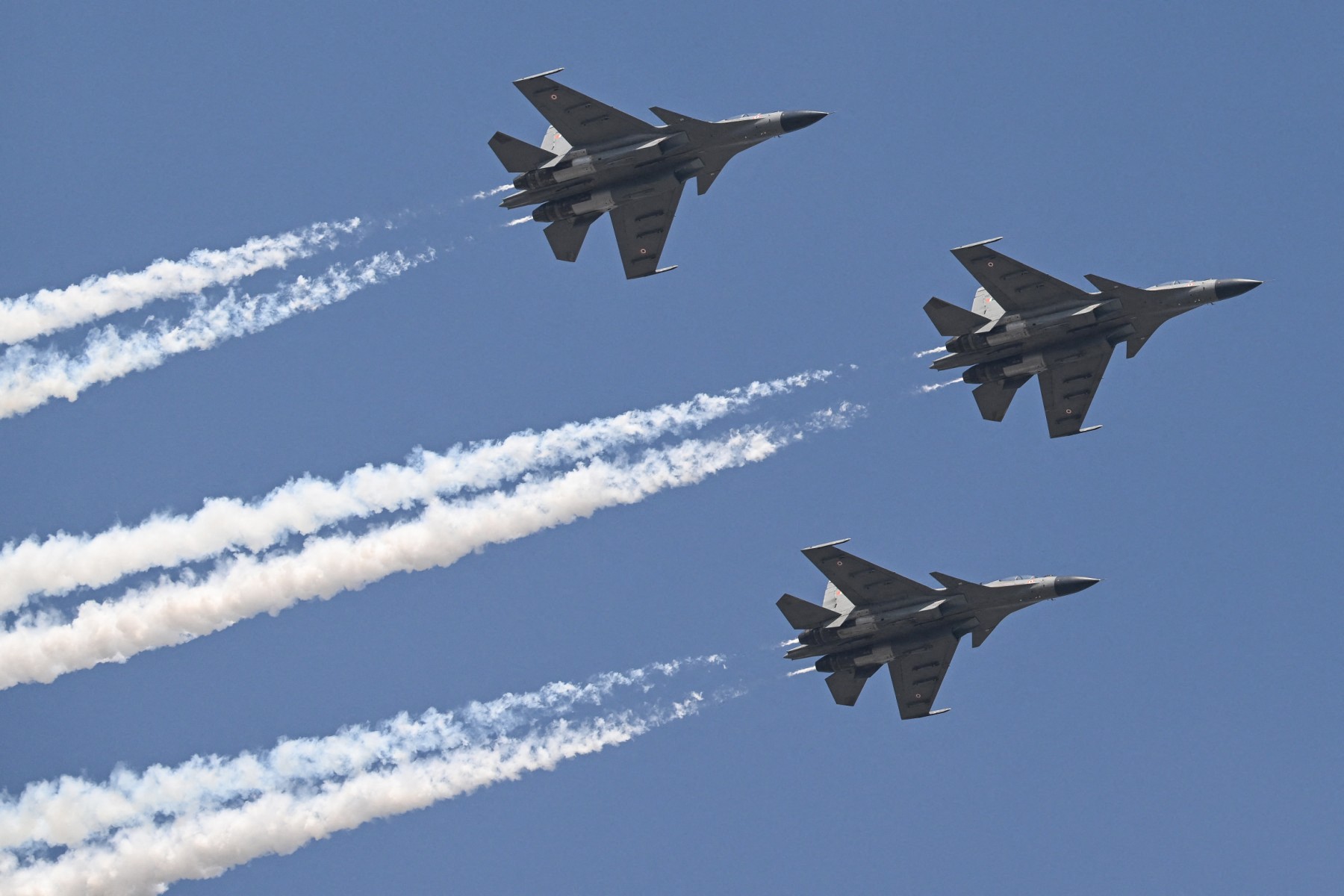
Combinations such as the Dassault Rafale with Meteor/SCALP offer immense versatility, pairing the long-range, active radar-guided Meteor for air superiority with the SCALP precision-guided weapon for air-to-ground strikes. Su-30MKI with Astra can carry BrahMos. These combinations are critical for achieving air dominance and ensuring successful tactical and strategic strikes in modern warfare.
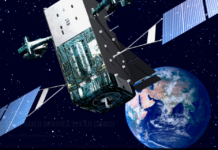
As near space becomes active, fighter aircraft could use a missile to neutralize satellites in low Earth orbit.
Analyzing Aircraft Losses in Iran War
The US lost nearly 54 aircraft in the Iran War 2026. 24 were MQ-9 UAVs. Many aircraft, including AEW&C and FRA, were destroyed on the ground in GCC countries. A total of 5 fighters were hit. These included 3 F-15Es lost to friendly fire. One F-35 was damaged in combat action. Israel lost 18 UAVs of the Hermes and Heron classes. Lost no fighters. Effectively, only one fighter jet was lost in combat.
To Summarise
Since most analysts cite Iran War 2026, Iran fired over 1,300 ballistic missiles. Initially, over 90% were intercepted, but the rate later dropped to 75%. The ballistic missiles’ success was mostly against targets in Gulf Countries.
The large number of ballistic missiles fired by Iran against Israel over the last three years hardly created any damage. Aircraft that fired missiles and dropped bombs/munitions had a very high success rate.
The Israeli Defense Forces announced an extraordinary 97% success rate in intercepting the Iranian missile and drone attack. The air defense systems operated in a coordinated manner and succeeded in thwarting most of the targets fired at Israel.
During Operation Sindoor in May 2025, Indian Counter-Unmanned Aerial Systems (C-UAS) and integrated air defense networks achieved an extremely high success rate, with some reports citing a near-100 % kill rate in neutralizing 400–600 Pakistani drones and loitering munitions.
Examination of fighter aircraft lost in combat shows insignificant losses, including from ground-based AD systems.
Trends in modern warfare indicate high-intensity conflicts, with the ability to destroy enemy infrastructure from afar with air-launched missiles taking priority over securing air superiority before aircraft are committed.
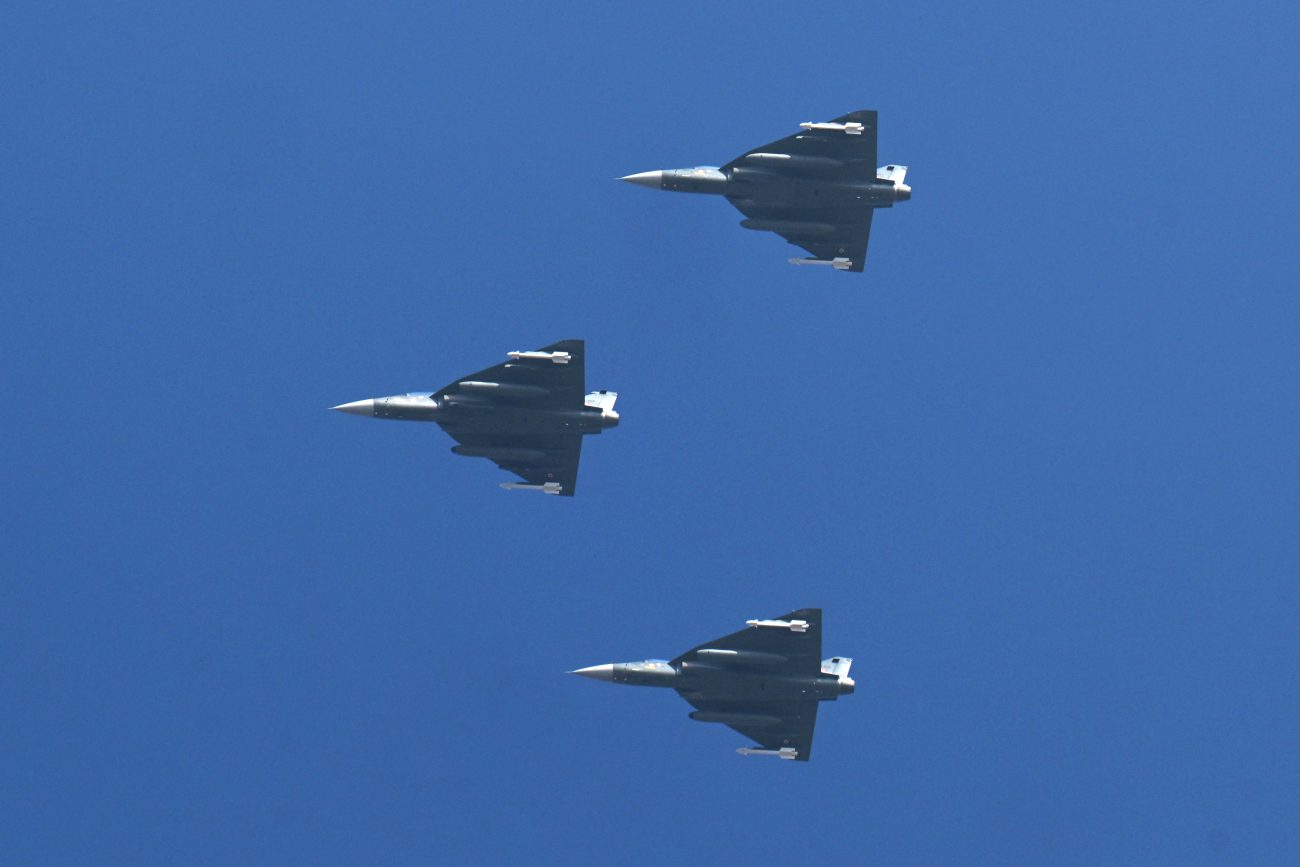
The combination of fighter aircraft and missiles is considered a superior military strategy because it merges the human decision-making, flexibility, and sensor power of a manned platform with the immense speed, precision, and destructive range of guided weapons. This synergy allows air forces to achieve air superiority, conduct deep strikes, and secure airspace far more efficiently than ground-based systems alone.
Modern fighters act as launch platforms for long-range missiles, enabling pilots to engage targets on the ground and in the air over many hundreds of kilometers away.
Fighter jets provide initial speed and altitude, boosting a missile’s kinematic performance and maximizing its kinetic energy upon impact, making it harder to evade.
Unlike surface-to-surface missiles, which are committed once launched, fighters can be recalled if negotiations or changes to the rules of engagement occur before weapon release. During the 1971 Indo-Pakistani War, India launched a daring air strike using Canberra bombers against the American USS Enterprise, which was deployed by the US to the Bay of Bengal as Task Force 74 to intimidate India. The strike was called off after getting airborne.
Manned fighters can loiter in an area, follow a target for hundreds of kilometers, and re-engage if a target evades the first missile. Manned fighters in manned-unmanned teaming (MUM-T) can control and coordinate with drones and swarms for greater combat effects.
Although fighters have high up-front costs, they are reusable platforms that can fire multiple rounds of cheaper, guided smart bombs rather than relying on a single-use, high-cost cruise missile. SSMs are very expensive, too. Sometimes, 5-6 SSMs are the cost of a modern fighter.
Fighter-launched missiles have a higher initial speed boost and need less fuel to reach their target (due to the airplane’s speed and range), they can carry a larger warhead, providing “more bang for the buck”.
Modern jets are equipped with advanced sensors (AESA radars) and electronic warfare suites (such as SPECTRA on the Rafale) that enable them to “deceive” enemy radars and confuse incoming missiles, increasing the survival rate of both the aircraft and its payload.
Fighters act as network-centric nodes, integrating data from radar, infrared sensors, and satellites to simultaneously target multiple opponents. A single fighter can carry different missile types in a single sortie for air-to-air, air-to-ground, and anti-ship missions, allowing it to adapt to changing mission objectives.
In essence, while missiles offer speed and safety, they lack the adaptability and persistent presence of a fighter aircraft. Combining them ensures a highly lethal, adaptable, and survivable force. Fighter aircraft relevance is intact. MUM-T (manned-unmanned teaming) is the future of fighter aircraft, as the Anchor.
- Air Marshal Anil Chopra (Retired) is an Indian Air Force veteran, fighter test pilot, and ex-director-general of the Center for Air Power Studies. He has been decorated with gallantry and distinguished service medals during his 40-year tenure in the IAF.
- THIS IS AN OPINION ARTICLE. VIEWS PERSONAL OF THE AUTHOR
- He tweets @Chopsyturvey
- Follow EurAsian Times on Google News