While the implementation of the recent 14-point Memorandum of Understanding (MoU) between the United States and Iran remains a work in progress, the fact that pledges of $300 billion for Iran’s reconstruction do not earmark funds for environmental remediation has not impressed ecologists and environmentalists worldwide.
There is a powerful school of thought that war or conflict should no longer be measured only by lives lost, populations displaced, and territories, such as cities and infrastructure, destroyed. It also causes long-lasting ecological damage or disruption through toxic pollution, mass greenhouse gas emissions, and physical habitat destruction. All this, in turn, adversely impacts the stability of societies or countries. Therefore, it is time to hold these parties accountable for the damages as well.
This is perhaps the reason why the UN Environment Program calls a war or conflict “sustained ecocide”. The rationale is that remediation often costs more than reconstruction.
Some of the ecological damages that Iran has suffered over the last year because of the US-Israeli attacks may be summarized below:
First, strikes on over 30 major oil facilities caused massive fires and dense toxic smog over densely populated areas like Tehran. Hydrocarbons and soot mixed with the atmosphere, resulting in hazardous “black rain” that coated cities and settled into soils.
The toxic smog is said to contain benzene, formaldehyde, polycyclic aromatic hydrocarbons, and other fine particulate matter. The latter can penetrate deep into the respiratory tract and aggravate pre-existing conditions, particularly respiratory and cardiovascular diseases. When exposure is prolonged, these impacts become long-lasting and may be accompanied by an increased risk of cancers, as well as certain neurological disorders.
Secondly, the explosion of munitions and military debris has also led to long-term soil contamination, with the presence in damaged zones of heavy metals such as lead, cadmium, nickel, or chromium in bombed areas. These contaminants can persist in soils and gradually enter food chains.
Thirdly, the environmental risks linked to the war in Iran also include water contamination. Explosions and fires have caused hydrocarbons to flow into urban drainage systems and certain waterways, potentially contaminating soils and groundwater.
Fourthly, Iran and the adjoining areas have witnessed marine and coastal contamination. Bombing and strikes on naval targets have damaged oil tankers and coastal infrastructure. Spilled oil has threatened fisheries, desalination plants, and fragile marine habitats, including mangroves and reefs.
It may be noted that during the previous Iraq-Iran war in the 1980s, oil spills were linked to a sharp decline in the populations of hawksbill and green turtles. Even 12 years after this war, traces of oil residue were still present along Saudi Arabia’s coasts, and full recovery is expected to take decades.
Fifthly, an analysis by the Climate and Community Institute found that the first 14 days of the US and Israel’s war on Iran released over 5 million tonnes of greenhouse gases. These emissions surpass Iceland’s total annual carbon footprint and are roughly equal to Kuwait’s annual output.
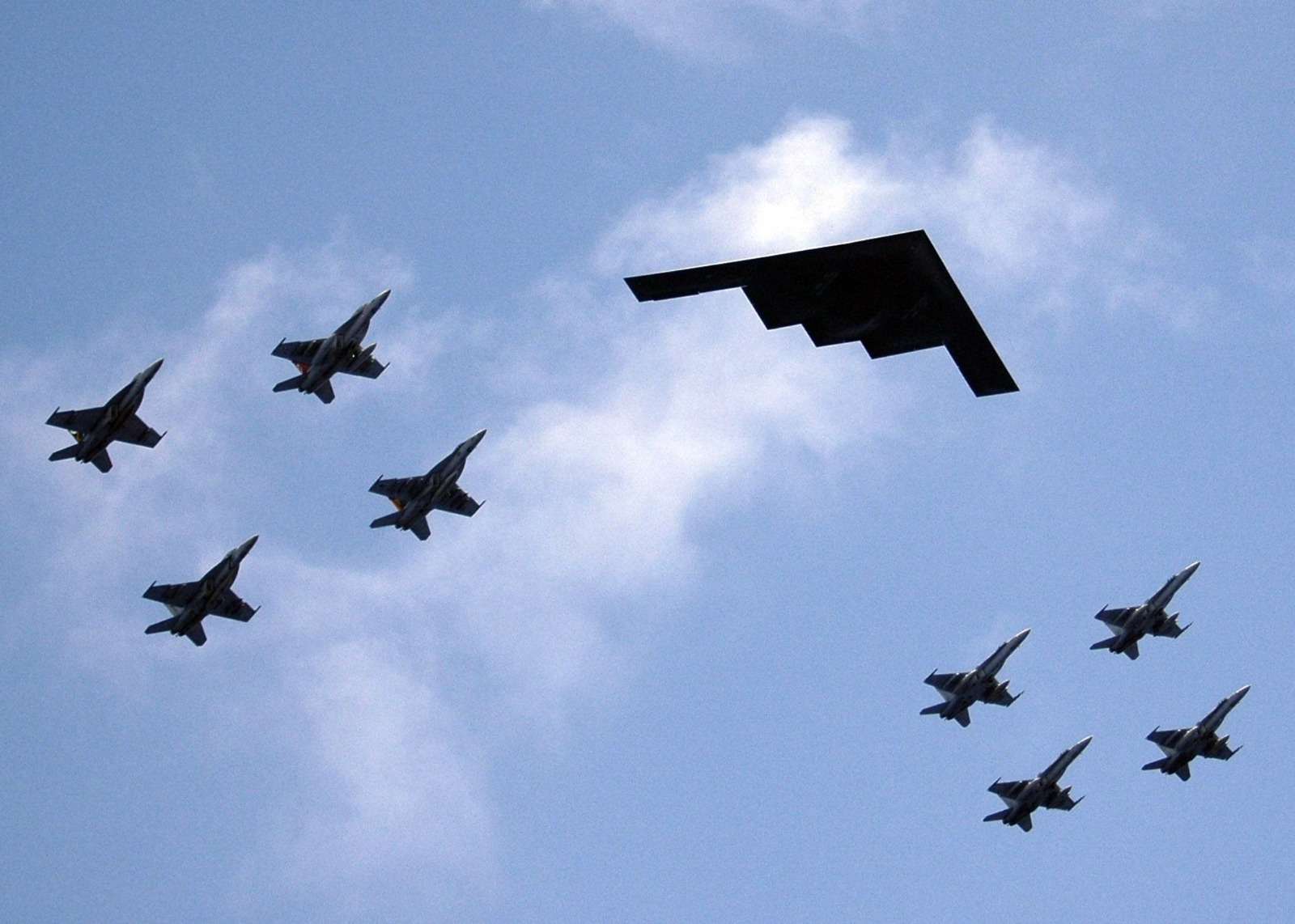
The intensive use of military equipment, bombers, and support vehicles released more than 5 million tonnes of greenhouse gases in just the first two weeks, accelerating the timeline of regional and global climate destabilization.
It may be noted here that in this war, Iran is not alone in suffering. As a participant, Iran has also caused ecological damage in other countries in the Middle East through its missile attacks. In that sense, Iran is not a saint.
In fact, what one has seen in Iran is part of a global trend. Recent conflicts elsewhere, whether in Ukraine or other parts of the Middle East like Gaza and Lebanon, or in the Red Sea, also carry the same features.
The conflicts in Ukraine since 2022 and across the Middle East since 2023 have poisoned rivers, burned forests, raised radioactive risks, and left carbon footprints that dwarf many countries’ annual emissions.
It is important to note that armed conflicts constitute a direct source of greenhouse gas emissions. According to a 2022 study, the armed forces and their supply chains accounted for 5.5% of global emissions. This is said to have risen much higher in the last five years.
According to a United Nations report, in 2019, the world’s militaries were responsible for 5.5 percent of global greenhouse gas emissions, with the US military identified as the largest contributor. If the world’s military were considered collectively as a single country, it would have the fourth-largest carbon footprint, behind China, the US, and India.
It is reported that emissions rise along with increased military spending, with estimates suggesting that every US$100 billion increase in spending generates roughly 32 million tons of carbon dioxide equivalent (tCO2e).
Apparently, climate researcher Lennard de Klerk has told Newsweek magazine that greenhouse gas emissions from four years of Russia’s war in Ukraine reached 311 million tonnes of CO2 equivalent—“comparable to the annual emissions of a country like France”.
This consists of emissions from factors including military fossil fuel consumption, forest fires, destruction of energy infrastructure, longer flight routes due to airspace closures, and postwar reconstruction.
The War in Ukraine has also resulted in severe damage to protected areas, waterways, and agricultural lands. Over 30% (more than 1.2 million hectares) of Ukraine’s protected areas have reportedly been adversely affected by fighting.
The 2023 destruction of the Kakhovka Dam remains a monumental ecological disaster, resulting in catastrophic downstream flooding, habitat alteration, and widespread toxic pollution. It caused massive flooding in the lower Dnieper basin, submerging vast natural and agricultural areas. The draining of the reservoir disrupted aquatic ecosystems and dispersed industrial pollutants as well as contaminated sediments, with environmental impacts likely to persist for many years.
Similarly, extensive shelling and military maneuvers have polluted groundwater and soils with heavy metals and unexploded ordnance. An estimated 30% of Ukraine’s territory is contaminated with landmines.
Clearing landmines and unexploded ordnance often takes decades and requires significant investment. In Ukraine, costs are expected to be around US$34.6 billion.

The story in Gaza also does not seem to be much different. The total emissions of the Israeli counter-attack in Gaza are estimated to amount to 33.2 million tCO2e, with the majority arising from the reconstruction of Gaza.
A UN study shows that in Gaza, there has been a complete degradation of the soil, water, land, and agriculture. Sewage, wastewater, and solid waste management systems and facilities have collapsed.
Around 78 percent of structures that had been damaged or destroyed have produced over 61 million tons of debris, much of it potentially contaminated with asbestos, heavy metals, and unexploded ordnance. Water and sanitation systems had collapsed, while the report said that 97 percent of tree crops, 95 percent of shrubland, and 82 percent of annual crops had been lost, effectively crippling food production.
The study reveals that Gaza’s coastal aquifer is already 97% undrinkable from over-pumping. Strikes on sewage plants and desalination facilities caused 280,000 m³/day of raw sewage discharge into the Mediterranean by late 2024.
These examples show that contemporary conflicts not only destroy infrastructure or territories; they can also generate long-lasting environmental disruptions.
However, there are analysts like Michael Rubin, director of policy analysis at the Middle East Forum and a former Pentagon official, who are sanguine that “Nature is far more resilient” than
what the ecologists/environmentalists fear. “Modern war can certainly damage the environment, but neither to the extent that activists suggest nor is the damage permanent”, he argues.
As he told Newsweek, “World War I battlefields like Verdun still show the scars of war, but nature is far more resilient than many environmentalists believe.” And, he said, nature sometimes offers “positive surprises” after conflict: “Sunken ships become the foundation for coral reefs. Decades of civil war in the Democratic Republic of Congo have led to its jungle slowly reclaiming roads, towns, and villages that had long ago been cut into it.”
But then, environmentalists and ecologists do not seem to be impressed by such logic. For them, rebuilding cities may take a decade or two, but recreating a living delta, a steppe, or a coral reef takes lifetimes. That is the ecological consequence of war, which, unfortunately, is hardly discussed at the negotiating table for any MoU or peace treaty.
- Author and veteran journalist Prakash Nanda is Chairman of the Editorial Board of the EurAsian Times and has been commenting on politics, foreign policy, and strategic affairs for nearly three decades. He is a former National Fellow of the Indian Council for Historical Research and a recipient of the Seoul Peace Prize Scholarship.
- CONTACT: prakash.nanda (at) hotmail.com