After months of uncertainty, the United Kingdom is preparing to allocate billions of pounds to the Global Air Combat Program (GCAP), the sixth-generation fighter development initiative it is pursuing in collaboration with Japan and Italy.
The UK is reportedly preparing to allocate around £6 billion in additional funding to GCAP. This boost would enable the three partner nations to move ahead with a long-term contract for the design and development of the next-gen aircraft.
The move comes at a precarious time for British Prime Minister Keir Starmer’s government, which has been dealing with a public spending deficit and a funding gap of about £28 billion in the UK defense budget. The FT report states that the GCAP financing decision will likely be part of a larger defense budget deal, although the specific proposal would have to be approved by the Treasury.
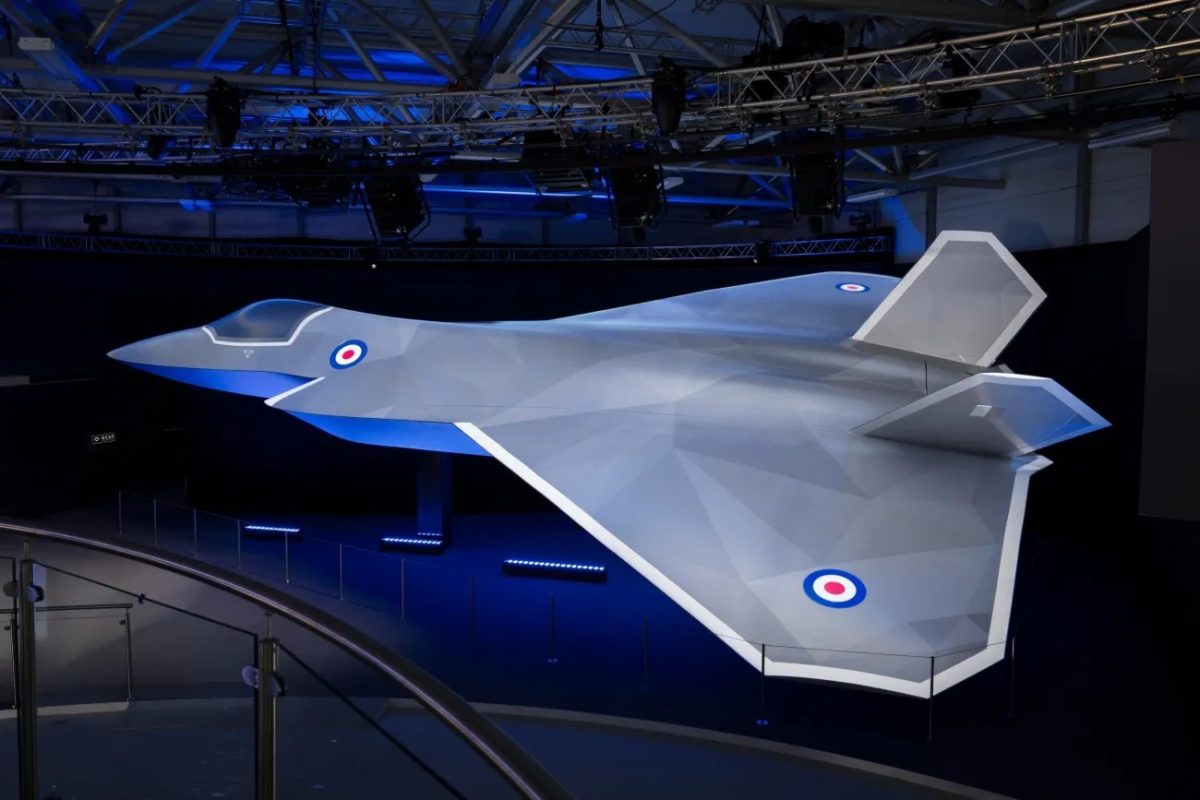
A collaborative initiative between the UK, Japan, and Italy, the GCAP aims to develop a sixth-generation fighter jet by combining the elements of the British Tempest and the Japanese F-X next-generation fighter programs. It is led by industry partners, including the UK-based BAE Systems, Leonardo of Italy, and Japan’s Mitsubishi Heavy Industries.
The GCAP grouping has set an aspirational target of flying its first demonstrator by 2027 and officially fielding the aircraft by 2035. The aircraft produced under the GCAP framework will replace the Japanese F-2 and the Eurofighter Typhoons operated by the UK and Italy.
Notably, the report comes amid brewing discontent within the GCAP grouping over delays in awarding the long-term contract to Edgewig, the GCAP’s industrial joint venture for the design and development of the next-gen fighter.
Edgewing was expected to secure its first major design and development contract from GIGO (the GCAP International Government Organization that represents the three participating countries) by the end of last year to fund early full-scale design phases, engineering work, and the program’s organizational setup.
However, the contract’s delivery has been delayed due to wrangling between the British Ministry of Defense (MoD) and the Treasury over funding for the government’s 10-year Defense Investment Plan (DIP), which is a prerequisite for providing funds to GCAP.
The DIP was originally due last fall, but high-level efforts to solve the UK’s fiscal problems delayed it, as previously explained by the EurAsian Times.
The GIGO signed a bridging contract with Edgewig in April 2026 to give momentum to the stalled program. The contract runs through June 2026 and was supposed to give the UK some more time to set aside funding for the long-term contract.
Unsurprisingly, the UK’s purported plans to inject £6 billion into the GCAP funding come as the stopgap contract nears its end next month.
Notably, the British industrial representative to the GCAP, BAE Industries, warned late last month that the project has ten weeks to obtain additional government financing or risk having its teams disbanded. “If there is no contract, if there’s no money flowing, then as industries we have no choice but to contain our cost and redeploy these people,” said Herman Claesen, managing director for future combat air systems at BAE.
Japan Frustrated With GCAP
Japan has been the most outspoken about its “growing frustration” and raised alarms at ministerial levels over UK budgetary delays and uncertainty about whether GCAP funding will be ringfenced in the UK’s defense plans.
The same source said Tokyo was also worried that the uncertainty surrounding Starmer’s political future may affect Japanese Prime Minister Sanae Takaichi’s scheduled visit to the UK next month. The British Prime Minister is currently under intense pressure to step down after a massive drubbing in recent elections.
For Japan, the unveiling of a next-generation fighter by the mid-2030s is non-negotiable because, if the GCAP is delayed, Japan will be left with a gaping hole in its air capability. It has been aggressively testing two prototypes of sixth-generation fighters, the J-36 and the J-50.
Notably, there is a significant mismatch between the priorities of the three countries.
While the UK and Italy are reportedly more interested in GCAP developing a state-of-the-art “system of systems,” a fighter that collaborates with a swarm of drones under a less strict timeframe, Japan’s objective is to develop a new fighter by the middle of the 2030s so that it can replace its Mitsubishi F-2 jets that are nearing the end of their service life.
If the GCAP is delayed, Japan will need to plan quickly to ensure it has sufficient fighters to combat the threat posed by Russian and Chinese aircraft that frequently test its air defenses. This, in turn, could leave Japan with no choice but to buy additional F-35s and modify its existing F-2s as a stopgap measure.
However, that will come with an additional financial burden.
Japan has actively opposed the inclusion of new partners, such as Saudi Arabia, citing concerns that additional members could slow the program’s momentum and contribute little to advanced technology. Interestingly, Tokyo has invited India to join the GCAP, and New Delhi is reportedly considering participation in a sixth-generation fighter initiative between GCAP and the Franco-German FCAS.
Additionally, GCAP marks the first time Japan has worked with nations other than the US to meet a significant defense need, making it a very high-stakes collaboration for Tokyo. Japan chose to collaborate with the UK and Italy for a range of reasons, including a desire for greater autonomy in defense technology, a reduced reliance on US combat aircraft, and the belief that working with other countries could provide a more cost-effective way to develop a next-generation fighter.
The GCAP’s goal is to “maximize and grow” each country’s industrial capacity by distributing design, development, manufacturing, and production components equally, which is of enhanced significance for Japan as it modernizes its military.
In fact, Japan has been actively seeking buyers for the aircraft since it eased the stringent regulations in March 2024. It has held discussions with countries such as India and Australia to sell the aircraft produced under the GCAP, as previously noted by the EurAsian Times.
- Contact the author at sakshi.tiwari13 (at) outlook.com
- Follow EurAsian Times on Google News