As it pursues a long-sought return to the US F-35 fighter jet program, Turkey appears to be quietly sidelining its Russian S-400 air defense system in favor of NATO alternatives.
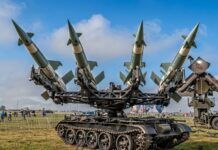
While Turkey has made significant strides in military aviation, drone technology, and even shipbuilding, it still lacks indigenous air defense. To fill the gaps, Turkey signed a deal with Russia in 2017 to acquire four batteries of S-400 air defense systems.
The US-led NATO vehemently opposed the acquisition amid concerns that it could jeopardize the F-35 stealth fighter and leak out its secrets.
Despite multiple warnings and reminders of the risks associated with the agreement, Turkey pressed on with the S-400 acquisition.
The reason: it urgently needed a long-range air defense system amid security threats in the region and the underlying risks exposed by an internal military coup in 2016.
Moreover, the equivalent NATO systems—the Patriots and SAMP/T—were either delayed, denied, or made nearly challenging to acquire.
Upon receiving the first delivery of the Russian S-400 in 2019, Turkey was slapped with sanctions by the former Trump Administration under the CAATSA (Countering America’s Adversaries Through Sanctions Act) and permanently expelled from the F-35 program.
This jolted the Recep Tayyip Erdogan administration, particularly as the country’s aging air force needed a replacement and the denial of F-35 derailed modernization efforts.
Interestingly, though, Turkey never activated the Russian S-400 despite paying a hefty price for losing access to the world’s most advanced fifth-generation fighter, the F-35.
US Army Tops China’s Air Force in WDMMA 2026 Air Power Rankings, Here’s Why it’s Placed Over PLAAF
Despite being sanctioned and shunned, Turkey never gave up on the prospect of acquiring the F-35—a possibility that would become obscure if it activated the S-400.
Most importantly, the S-400 finds no place in the “Steel Dome”, a multi-layered, AI-enhanced, network-centric shield that aims to provide comprehensive protection for Turkish airspace. Instead, Turkey is actively exploring the acquisition of NATO-sourced air defense systems.
Last week, Defense Minister Yasar Guler told Reuters that Turkey is evaluating all options to meet its air defense needs, including a potential purchase of either the coveted American Patriot missile defense system or its European (Franco-Italian) alternative, the SAMP/T.
“Our core approach on this issue is clear: we are open to all cooperation that meets our country’s security needs, that includes technology-sharing and joint production, and that is sustainable and in line with the spirit of alliance,” the Defense Minister stated.
The comments were made ahead of the NATO Summit, which began on July 7, and were seen as Ankara’s attempt to build closer ties with its partners within the security alliance.
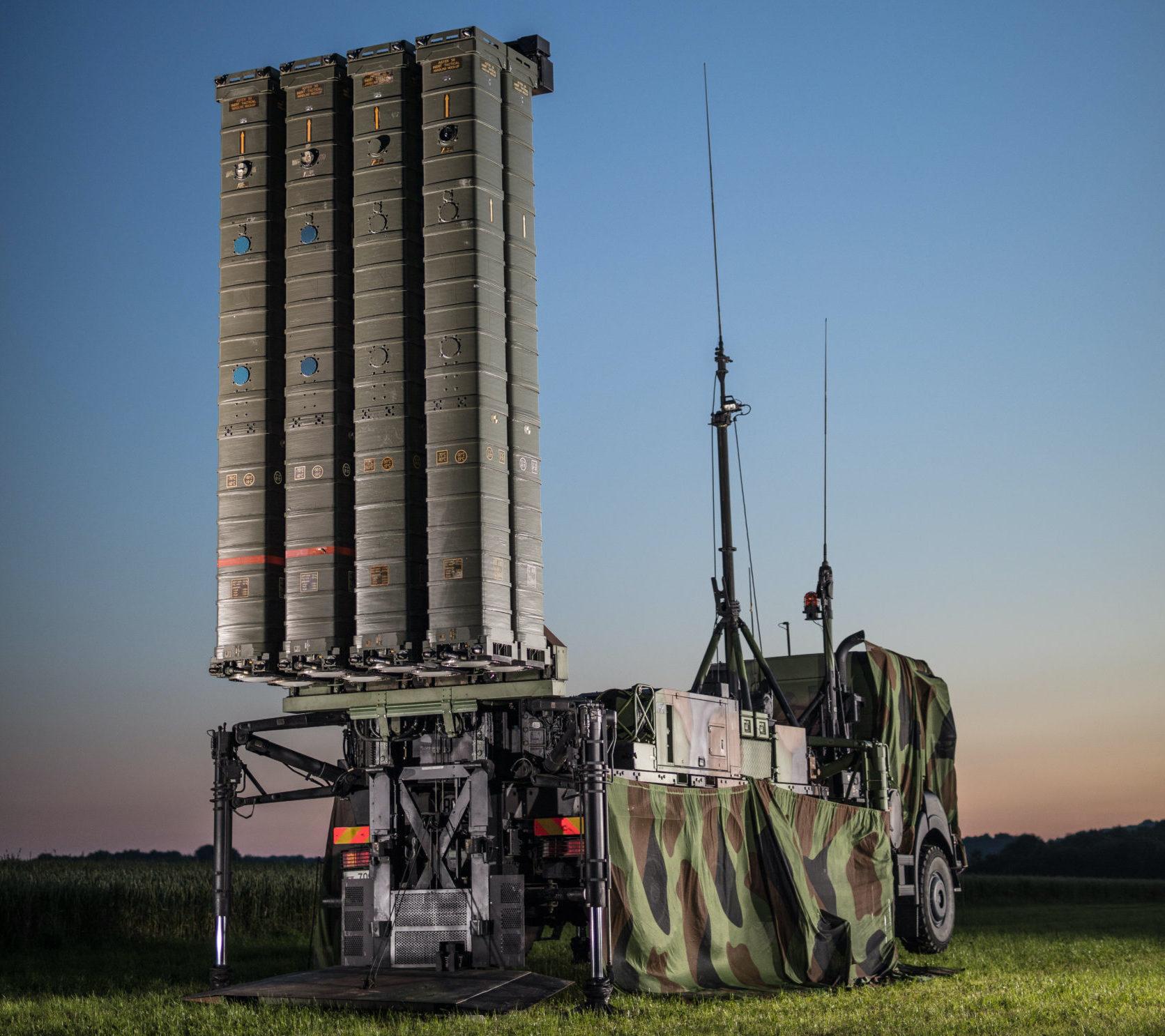
Citing sources, a separate Reuters report published earlier this week stated that France is considering selling the SAMP/T to Turkey after years of opposing the deal due to Turkey’s actions in Syria and Libya, as well as disputes in the Eastern Mediterranean involving Greece and Cyprus.
According to the report, Paris softened its stance after French President Emmanuel Macron and Italian Prime Minister Giorgia Meloni held talks last month.
Sri Lanka Accuses Former Spy Chief of Masterminding 2019 Easter Bombings That Killed 279 People
Earlier in November 2024, Guler stated that the US had agreed to keep the S-400 systems in an inactive state. However, observers believe the Trump administration will approve an F-35 sale only if Turkey agrees to dispose of the systems completely, ensuring they cannot be reactivated in the future.
US President Donald Trump said in March 2025 that he would consider selling the F-35 to Ankara if the two sides could “reach a consensus” that renders the S-400 system inoperable. Later that year, his close aide and ambassador to Turkey, Tom Barrack, said in December 2025 that Turkey is moving closer to removing the Russian missile defense system.
“My belief is that those issues will be resolved in the next four to six months,” the ambassador said when asked whether Turkey is going to dump the Russian-origin S-400.
Cavit Çağlar, a former Turkish minister, had earlier proposed selling the system to a third nation. The end-user certificate in the contract, however, forbids selling to third parties without Russian approval. So, that option is nullified by default.
Turkey has so far remained tight-lipped about what it plans to do with the S-400 in its inventory, but its exclusion from the Steel Dome and an active hunt for a Western air defense system suggest Ankara might abandon the S-400.
And, it might serve the Turkish administration well, given that the US President has recently hinted he might actually green-light an F-35 sale.
F-35 Deal For Turkey Closer Than Ever
Donald Trump has indicated that the US would consider selling F-35 fighter jets to Turkey.
“That’s a decision we’re going to make… It’s a great plane, the best plane by far, and it’s certainly something we will consider,” Trump said in Ankara after he arrived in the Turkish capital for the NATO Summit.
It is noteworthy that the US President has been rather open about his friendship with the Turkish President, even as he chastised NATO for not aiding the American war against Iran.
Saab’s GlobalEye Beats Boeing E-7 Wedgetail for NATO AWACS After String of Gripen Losses to F-35
“If not for the fact that it was being held in Turkey by President Erdogan, I don’t think I would’ve gone to it,” Trump said, referring to the summit.
When asked whether he would lift the CAATSA sanctions on Turkey, Trump said: “We’re going to be taking the sanctions off. We don’t want to sanction friends.”
Meanwhile, the Turkish President Erdogan said, “On this issue, Mr Trump always stands by his word. Here again, God willing, I believe a favorable decision on the F-35s will emerge from this leaders’ summit,” suggesting that fresh momentum is building in removing all the obstacles in Ankara’s procurement of the stealth fighter.
Israeli Prime Minister Benjamin Netanyahu urged the US not to sell the jets to Turkey earlier this week, emphasizing it would “upset the power balance” in the region. Turkey pushed back against these comments, as reported by the EurAsian Times.
Israel has long opposed the sale of F-35s to Turkey. For instance, claims in Israeli media in 2019 claimed that Israel took advantage of US dissatisfaction with Turkey’s purchase of S-400s and worked covertly to prevent the US from selling the F-35s to Ankara. The report said that Tel Aviv was looking to preserve its military superiority in the region.
- Contact the author at sakshi.tiwari13 (at) outlook.com
- Follow EurAsian Times on Google News