

As Ukraine battles near-daily Russian bombardment, Kyiv must be rueing the fateful decisions made by its leadership in the 1990s, which agreed to voluntarily degrade its military and nuclear capabilities.
Ironically, it was none other than the US and Russia that encouraged Kyiv to transfer/destroy its nuclear bombs, and other critical military assets like ballistic and surface-to-air missiles, and strategic bombers.
As fate would have it, some of the same nuclear-capable bombers that Kyiv transferred to Russia are believed to have been used by Moscow to attack Ukraine.
As the US pressures Ukraine to accept a ceasefire on Russia’s terms, including crippling limits on Ukrainian military size and power, Kyiv would think a million times before any commitment, which could degrade its military.
Ukraine’s Inheritance From The Soviet Union
On December 8, 1991, Boris Yeltsin – President of the Russian Federation in the Soviet Union, Leonid Kravchuk – President of Ukraine, and Stanislav Shushkevich – Chairman of the Supreme Soviet of Belarus, met at a hunting lodge in Belarus and signed an agreement declaring that the Soviet Union “as a subject of international law and a geopolitical reality” had ceased to exist and created the Commonwealth of Independent States (CIS) in its place.
Nearly two weeks later, on December 25, the Kremlin lowered the Soviet Sickle and Hammer flag for the last time, and the Soviet Union became history, fragmenting into 15 new independent states.
At that time, the Soviet Union (USSR) was one of the world’s two superpowers.
It had the world’s largest arsenal of nuclear bombs, thousands of nuclear delivery platforms, including launchers and strategic bombers, and Intercontinental Ballistic Missiles (ICBMs).
The 15 independent states did not divide these military assets orderly, and the country hosting the nuclear warheads and delivery platforms often became their de facto owner.
Ukraine, the second-most populous and economically powerful republic in the Soviet Union, inherited approximately 1900 strategic nuclear warheads, between 2,650 and 4,200 Soviet tactical nuclear weapons, 176 ICBMs (130 SS-19 and 46 SS-24) and associated launchers, nearly 600 nuclear-capable KH-55 cruise missiles, and approximately 102 strategic bombers: 23 Tu-95MS, 19 Tu-160, and more than 60 Tu-22M3.
This large nuclear arsenal would have made Ukraine the world’s third-largest nuclear power, after Russia and the US. Worryingly, Ukraine inherited not only nuclear warheads, but also delivery platforms, such as nuclear-capable missiles, launchers, and nuclear-capable strategic bombers.
The situation was a non-proliferation nightmare for the world, and the US and Russia, the long-time Cold War adversaries, soon found a common cause to come together and take away these new countries’ nuclear assets, in the process robbing them of their deterrence against external aggression.
However, the disarmament process forced Ukraine to transfer not only its nuclear assets but also its conventional military platforms, such as ICBMs, cruise missiles, and strategic bombers, assets that could have been crucial for Kyiv in defending its territory from Russian aggression.
On December 5, 1994, leaders of the US, the UK, and the Russian Federation met in Budapest, Hungary, and signed the Budapest Memorandum, under which the three countries gave security assurances to Ukraine in return for its accession to the Treaty on the Nonproliferation of Nuclear Weapons (NPT) as a non-nuclear-weapons state.
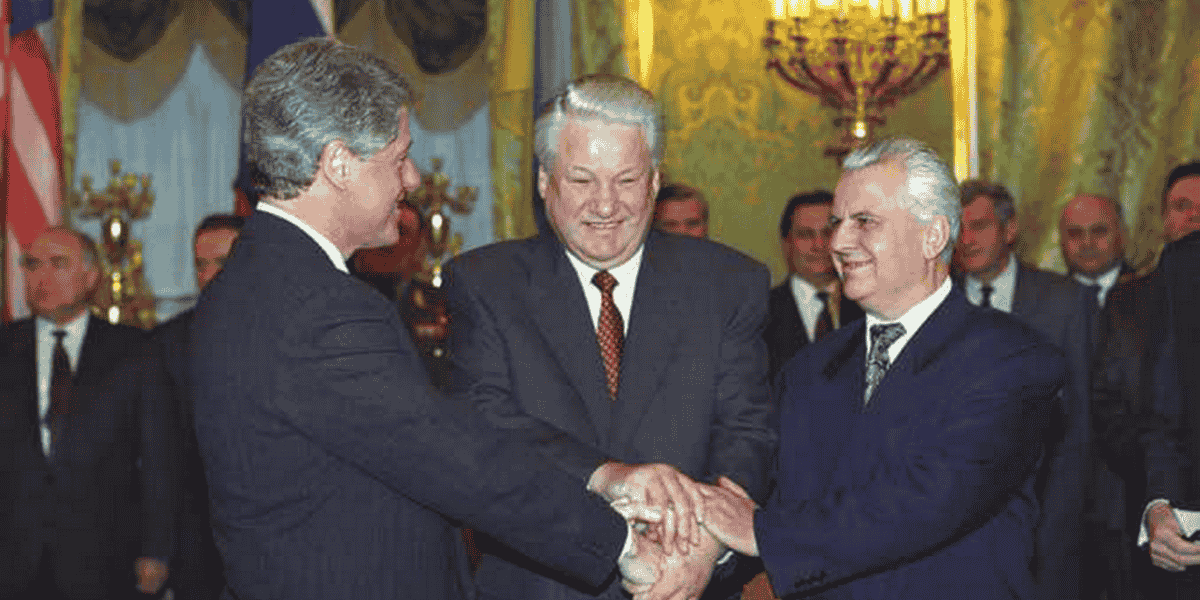
Under the agreement, Ukraine agreed to transfer its nuclear warheads to Russia.
Further, under the 1992 Lisbon Protocol to the Strategic Arms Reduction Treaty (START) and the US-funded Cooperative Threat Reduction (CTR) program (1993), Ukraine committed to dismantling all strategic nuclear delivery systems by December 5, 2001. This deadline was later extended to 2006.
The Degradation of the Ukrainian Air Force
Ever since the war in Ukraine started in February 2022, Russia has routinely used its strategic bombers to launch missiles at Ukraine.
In 1991, Ukraine inherited approximately 102 strategic bombers: 25 Tu-95MS, 19 Tu-160, and more than 60 Tu-22M3.
According to the Eurasian security think tank Jamestown Foundation, when the Soviet Union collapsed, Ukraine hosted two of its most important strategic air bases.
At Uzin, 70 kilometers south of Kyiv, the Soviets stationed 25 Tu-95MS turboprop nuclear missile carriers. At Pryluky, 130 kilometers east of the capital, the Soviet Union stationed its only operational unit of 19 new, supersonic Tu-160 Blackjack bombers.
In February 1992, the unit at Uzin declared allegiance to Ukraine. In May 1992, just one week after Russia announced it was forming its own national armed forces, Ukraine announced it was taking command of all long-range aviation units on its territory. This included the Tu-160 base at Pryluky.

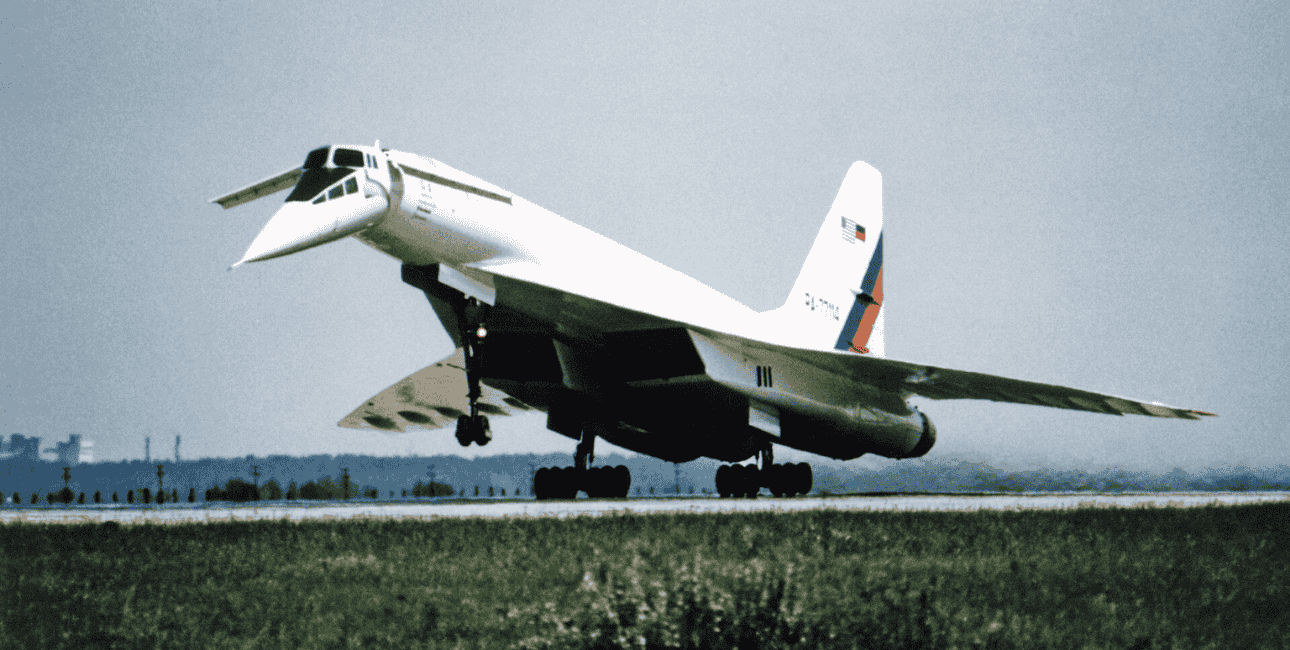
The Tu-160s were particularly lethal. It was designed to match the American B-1B bomber, but was significantly larger and faster.
It remains the largest combat aircraft in the world; it could carry 45,000 kg of ordnance across its two internal bays, or up to twelve nuclear-armed cruise missiles, and fly 14,000 km without refueling. Its supersonic speed of 2,300 km/h and variable-sweep wings made it a standout in aviation history.
However, under the START-1 treaty and CTR agreement, Ukraine agreed to dismantle all of these strategic bombers.
Thus began the consensual elimination of Ukraine’s strategic aviation.
Under the Nunn-Lugar Cooperative Threat Reduction program, the United States funded the destruction of some strategic bombers and missiles, including the extraction of valuable metals.
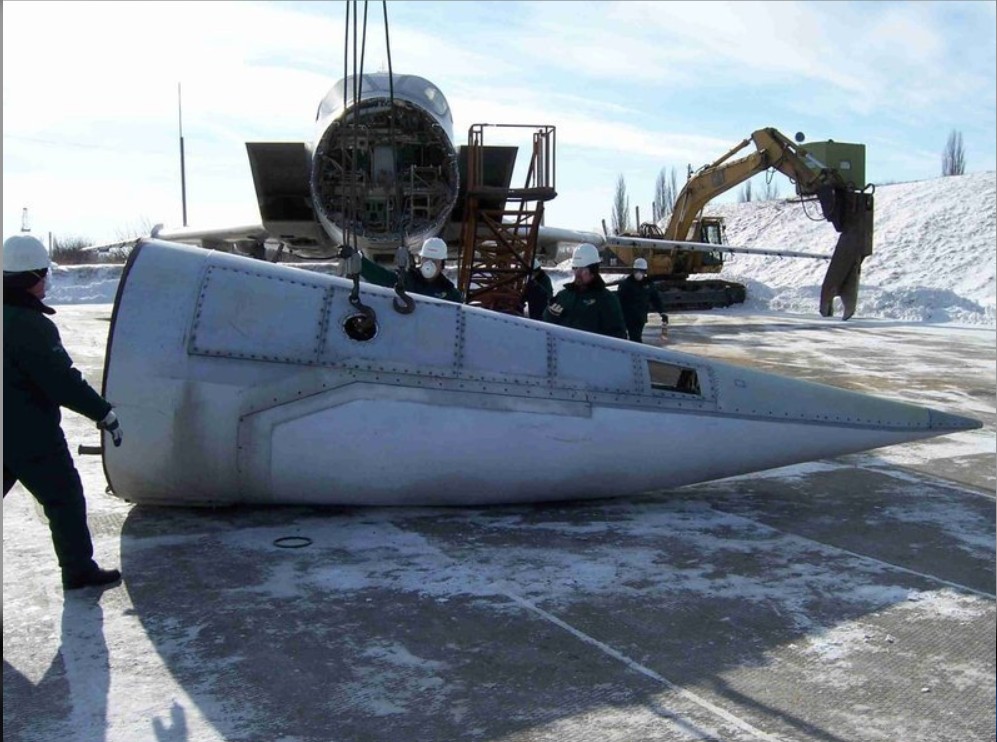
However, some bombers were not destroyed.
At the time, the newly independent Ukraine was struggling with debt. For decades, as part of the Soviet Union, Ukraine got access to heavily subsidized fuel and gas. When the Soviet Union dissolved abruptly in 1991, Moscow suddenly cut off this subsidized gas.
Struggling with mounting debt, Ukraine agreed to transfer eight Tu-160 and three Tu-95MS bombers to Moscow in exchange for US$285 million in debt relief. This decision remains controversial, as the estimated value of a single Tu-160 was between US$250 and US$300 million.
Between 1999 and 2000, Kyiv transferred Tu-95s and Tu-160s as partial payments on natural-gas debts, along with 575 Kh-55 missiles.
This fateful decision not only degraded Ukraine’s air power and deterrence, but it also multiplied Russia’s air power, creating a military imbalance that Moscow is exploiting in the current war.
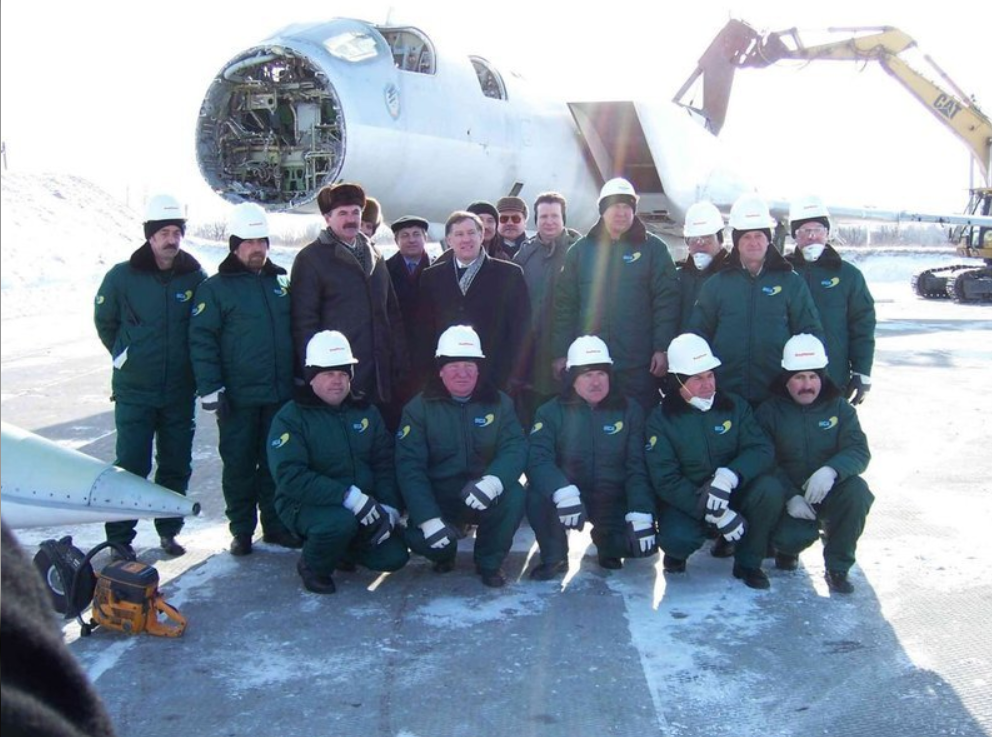
In 2024, an investigation by Ukrainian investigative news site Skhemy found that six of the eight Tu-160 bombers transferred to Russia were still active in military operations against Ukraine.
The remaining strategic bombers in Ukraine were dismantled, often with technical and financial assistance from the US.
In March 2007, the US State Department reported that Ukraine had dismantled 57 Tu-22 bombers, 27 Tu-95s, six Tu-142s, 11 Tu-160s, for bomber trainers, 346 Kh-22 ASMs, and 483 Kh-ALCMs (air-launched cruise missiles).
While these platforms were nuclear-capable and theoretically could have been used to launch nukes, they also had conventional military capabilities.
By dismantling and transferring these military assets to Russia, Kyiv delivered a double blow to itself – degrading its own capabilities while multiplying its adversary’s.
In the annals of military history, few decisions have proven as fateful – or as irreversible.
- Sumit Ahlawat has over a decade of experience in news media. He has worked with Press Trust of India, Times Now, Zee News, Economic Times, and Microsoft News. He holds a Master’s Degree in International Media and Modern History from The University of Sheffield, UK.
- He can be reached at ahlawat.sumit85 (at) gmail.com