The US honored six airmen who piloted F-16 Fighting Falcons during last year’s Operation Midnight Hammer with the “Distinguished Flying Cross” (DFC) award, officially recognizing and lauding their role in the attack on Iran.
The honor—a very prestigious military decoration of the United States Armed Forces and the highest award for valor displayed during aerial combat—was awarded to the six airmen of the 55th Fighter Squadron by the head of Air Combat Command, General Adrian Spain, on May 5, 2026. However, the award was officially announced only on May 8, 2026.
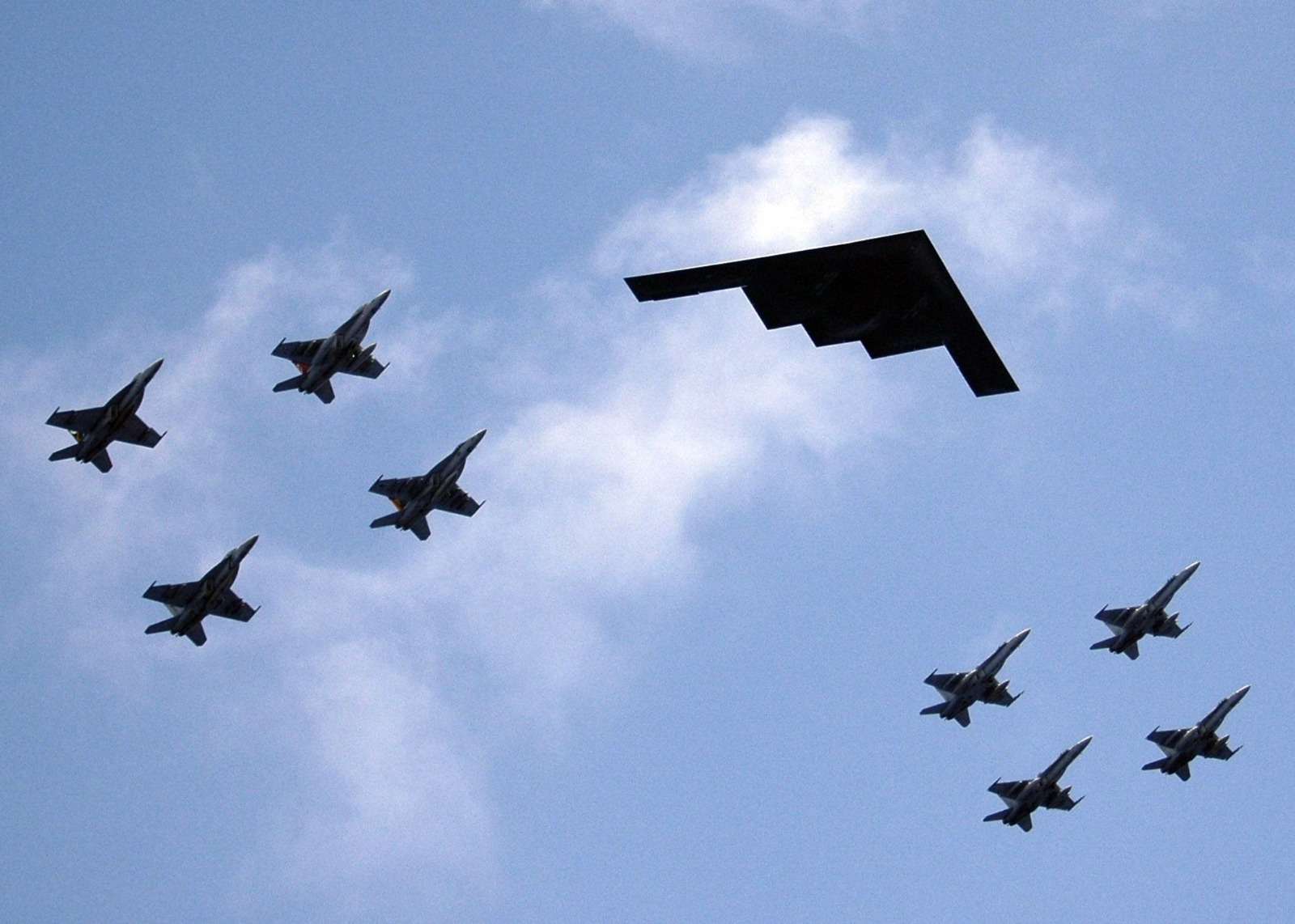
In June 2025, after almost 12 days of intense clashes between Iran and Israel, the US Air Force launched “Operation Midnight Hammer,” which included B-2 bombers, F-22 and F-35 stealth fighters, F-16 Fighting Falcons, F-15E Strike Eagles, and several aerial tankers for refueling.
While the role of the seven B-2 Spirit stealth bombers that dropped 14 bunker-buster GBU-57 MOP (Massive Ordnance Penetrator) bombs on Iran’s underground nuclear facilities has been widely recognized, this may be the first time that the USAF F-16 pilots have officially received accolades for the mission.
The Distinguished Flying Cross was bestowed upon Lt. Col. Christopher M. Beckett, the squadron’s commander, Maj. Matthew J. Croghan; Maj. Alexander J. Trembly; Capt. Abigail D. Maio; Capt. Megan C. Langas, and Capt. Daniel J. Dodson for “the heroism and bravery” they exemplified during the mission.
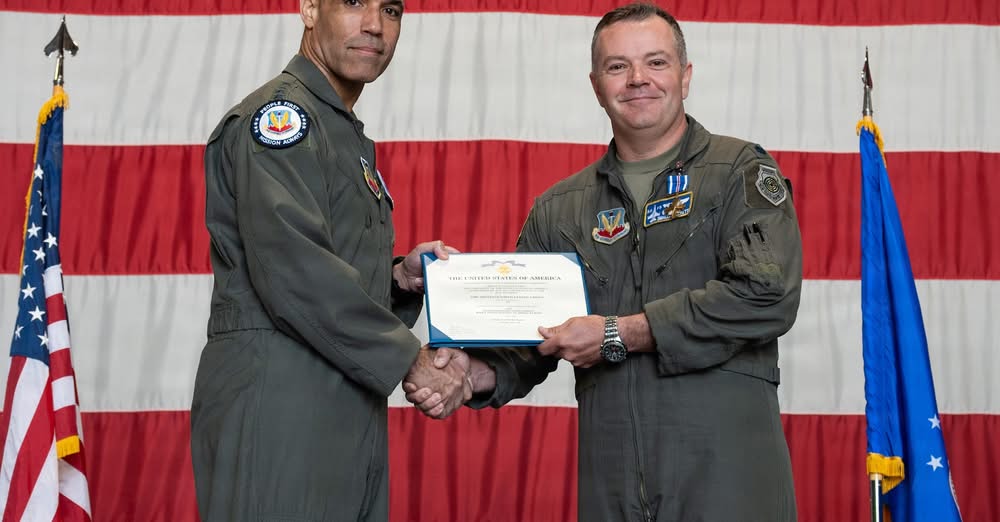
“Operation Midnight Hammer, the strike that helped end the 12-day war, doesn’t happen without these six Airmen,” Spain was quoted as saying in a press statement released by Shaw Air Force Base, South Carolina, which houses the 55th Fighter Squadron. “That mission reminded every adversary watching that American airpower can be delivered anywhere, anytime, and for better or worse, make it look easy. But we know it’s not easy.”
While the exact contributions of the six F-16 pilots remain partially classified, their Distinguished Flying Cross citations highlight “high-risk flights into heavily defended airspace” and “direct combat with adversaries.”
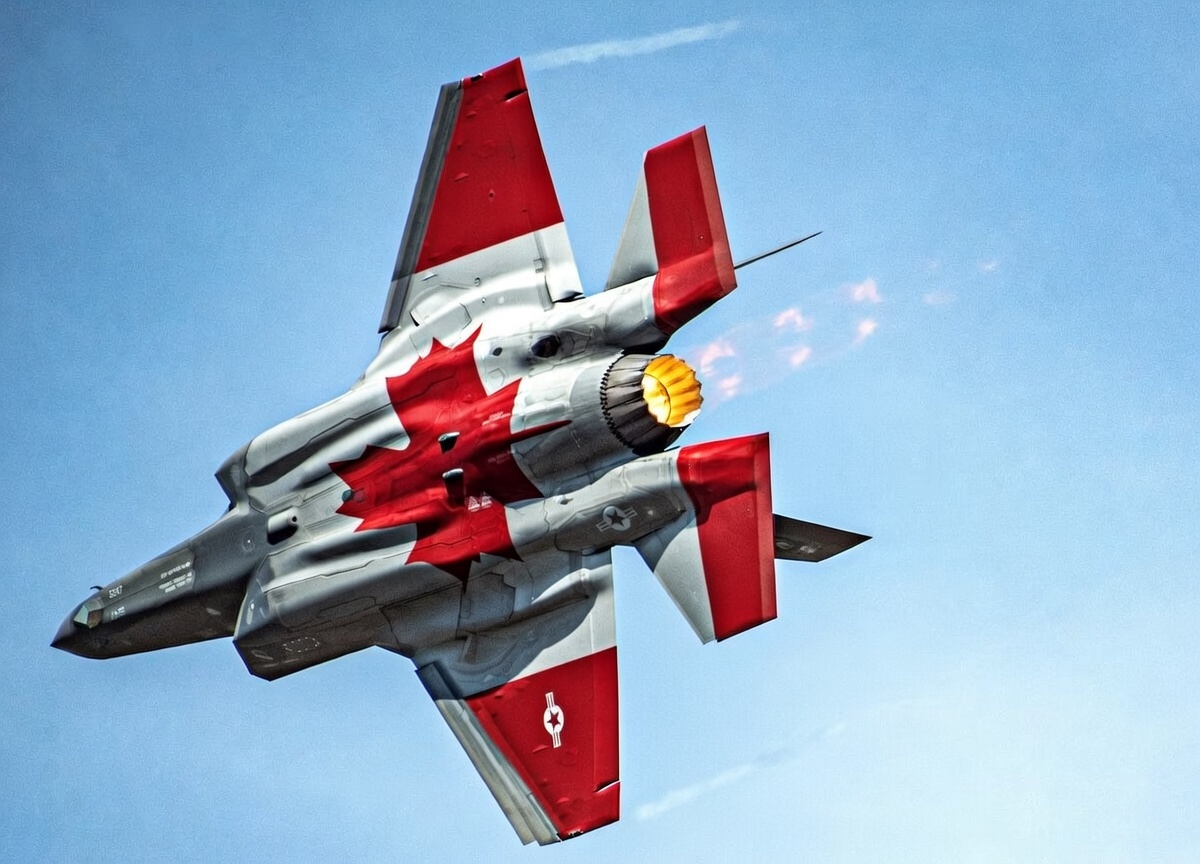
Interestingly, the Distinguished Flying Cross was awarded to the pilots of the F-16s, not to those who flew the fifth-generation F-35 Lightning II and F-22 Raptors during the mission, which was believed to have facilitated the breach of Iranian airspace.
F-16, F-35 Performed Admirably During
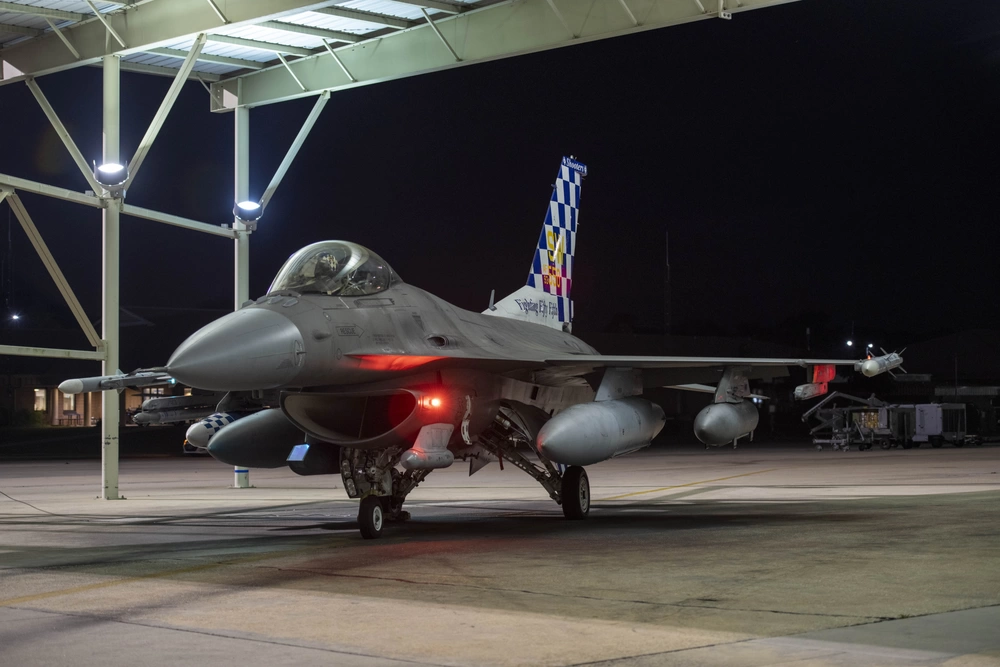
While the exact actions performed by the F-16’s winning pilots are unknown, we do know that the F-16 has, in general, demonstrated its effectiveness in air-to-air combat and air-to-surface attacks over the past decades.
The USAF states that, “in an air combat role, the F-16’s maneuverability and combat radius (distance it can fly to enter air combat, stay, fight, and return) exceed that of all potential threat aircraft. It can locate targets in all weather conditions and detect low-flying aircraft in radar ground clutter.” Meanwhile, in an air-to-surface role, “the F-16 can fly more than 500 miles, deliver its weapons with superior accuracy, defend itself against enemy aircraft, and return to its starting point. An all-weather capability allows it to deliver ordnance during non-visual bombing conditions accurately,” in the air-to-surface role.
The F-16 likely played a key supporting role in Operation Midnight Hammer, particularly by conducting SEAD (Suppression of Enemy Air Defenses) and DEAD (Destruction of Air Defenses) missions.
Equipped with HARM Targeting Systems and armed with AGM-88 HARM or AGM-88E AARGM missiles, the F-16s conducted both preemptive and reactive SEAD strikes, creating safer corridors for the B-2 bombers and the overall strike package. It probably flew ahead of or alongside the strike package, sweeping for enemy fighters and surface-to-air (SAM) threats, conducting high-risk penetrations into heavily defended airspace, employing deception tactics with its Electronic Warfare (EW) pods, and providing suppressive fire.
The official press statement notes “high-risk flights into heavily defended airspace” and “direct combat with adversaries”, which likely refer to combat with enemy air defenses, since no reports of aerial duels with Iranian fighter jets have been made. Their mission basically involved high-speed ingress under threat of interception, deception tactics using electronic warfare pods, and sustained presence to handle pop-up threats.
The pilots would have demonstrated exceptional coordination and courage while operating far from their bases during a complex night operation, which justifies the award of the Distinguished Flying Cross to the selected six airmen.
An analyst close to the USAF told EurAsian Times that, even though the role was undoubtedly crucial during the operation, it did not diminish the combat effectiveness of the F-35 or the F-22 Raptor at the time.
“F-16s are fourth-generation non-stealth fighters that often face more visible or direct threats, making them more vulnerable and emphasizing the heroism they display during missions. Meanwhile, stealth platforms, such as the F-35 and F-22s, excel at low-observability penetration and SEAD, reducing the number of detected engagements, which may be more of a success metric, not a failure,” he stated.
It must be noted that details on the performance of stealth platforms and tactics are more sensitive, and information about public awards may be limited or delayed for operational security. “Award decisions, especially for individual medals like the Distinguished Flying Cross (DFC), are nuanced and don’t directly rank platform performance or overall mission impact, so that it would be an unfair comparison,” the analyst added.
Notably, the “Rude Rams” of the 388th Fighter Wing’s 34th Fighter Squadron, which deploys the F-35A Lightning II, received the Raytheon Award in March this year, an honor that recognizes the top fighter squadron in the USAF.
During Operation Midnight Hammer on June 22, 2025, the 34th was called upon to accompany a strike package into Iran’s disputed airspace to attack subterranean nuclear complexes at Fordo, Natanz, and Isfahan. A formation of F-35s flown by 34th FS pilots was the first aircraft to penetrate Iranian airspace. They suppressed enemy air defenses and escorted the B-2s to their target areas, the squadron later stated.
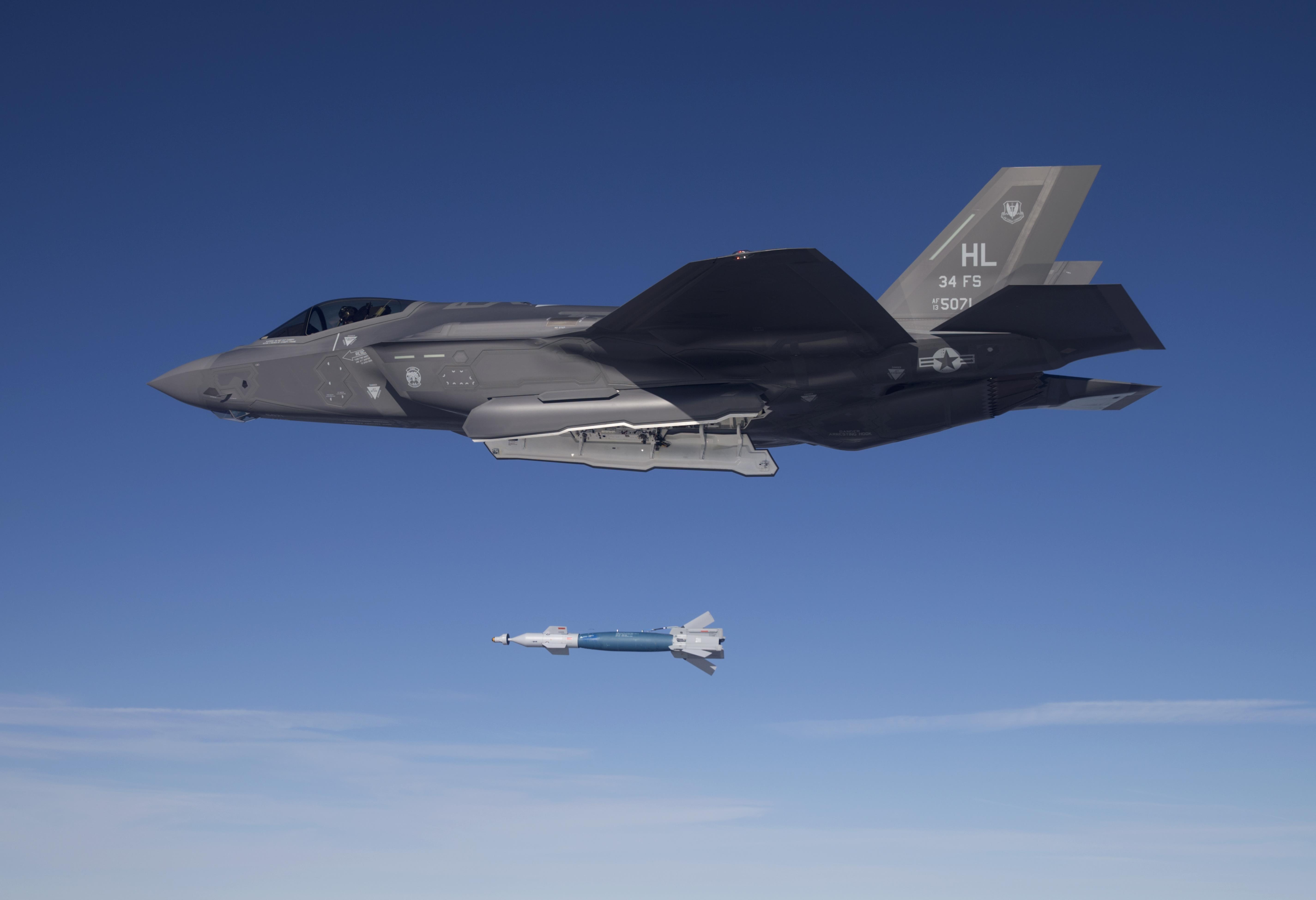
“This award recognizes more than just capability – it recognizes a warrior mindset,” Gen Spain was quoted as saying in the statement at the time. “The Airmen of the 34th have demonstrated an unwavering resolve to take the fight to the enemy, generating lethal effects under the most demanding conditions. That is the essence of readiness – not just being ready to deploy but being ready to win.”
The F-35As used their stealth, advanced sensors, and low-probability-of-intercept communications to map enemy defenses, suppress key threats with AGM-88E missiles and AGM-158 cruise missiles, and provide real-time targeting data to other platforms, as previously explained by the EurAsian Times. Their networked sensor suites enabled real-time battlefield awareness and coordinated with EA-18G Growlers to conduct electronic jamming that disrupted Iranian radar and communications.
The nuance is this: the operation succeeded because of a layered, team-based approach rather than any single platform outshining the others.
The F-35s made the first entry, cleared routes, and accompanied B-2s hundreds of miles into Iran’s airspace, and provided cover for the strike package’s departure, ensuring that there were no losses.
The F-16s and F-35s created a layered SEAD and DEAD approach. The F-35s used low-probability-of-intercept sensors to map threats without generating significant emissions, enabling stealthy, sensor-driven initial penetration and targeted suppression on Iran’s integrated air defense system (IADS). This weakened Iranian defenses, reducing the vulnerability of non-stealth assets, such as the F-16.
Following the F-35’s ingress, the F-16s then conducted kinetic SEAD operations to exploit gaps and to support follow-on suppression.
Both aircraft contributed to the fighter screen protecting B-2s and the overall package. The F-35s focused on deep escort and initial threat neutralization, whereas the F-16s added mass, speed, agility, and numbers for continuous coverage and reactive engagements.
Further, the F-35s acted as “quarterbacks,” passing targeting data to F-16s for efficient follow-up strikes. This “disaggregated collaborative” model maximized 5th-gen stealth and sensors, while leveraging 4th-gen payload and SEAD specialization.
The F-35s were great for contested ingress with very low detectability, while the F-16s enabled operations with their deep combat experience, higher sortie rates, and extra payload capacity, together ensuring that the strike package faced no enemy fire or losses.
- Contact the author at sakshi.tiwari13 (at) outlook.com
- Follow EurAsian Times on Google News