Amid a tenuous ceasefire with Iran and Lebanon, Israel celebrated its 78th Independence Day on April 22.
On the occasion, many countries congratulated Israel and stressed the warm relations between their countries.
However, the message from Russia, one of the fiercest critics of Israel’s multiple wars in the Middle East since the October 7, 2023, terror attacks, stood out for its warm tone and for underlining the fact that the Soviet Union was the first country to officially recognize the state of Israel.
“Moscow holds a special place in the history of the State of Israel. As it is known, in May 1948, the USSR was the first to recognize Israel de jure. One should not forget that the substantial assistance provided by the Soviet Union helped the young state to defend its sovereignty during the War of Independence,” Russian ambassador to Israel, Anatoly Viktorov, said in a congratulatory post on X.
Ambassador of Russia to Israel
Anatoly Viktorov`s Congratulatory message
on the occasion of Independence Day of the State of Israel:
I congratulate the citizens of the State of Israel, compatriots and friends on the 78th anniversary of the declaration of Israel’s independence.… pic.twitter.com/VSlloBjG6Y— Russia in Israel (@israel_mid_ru) April 22, 2026
For many, this was surprising as Israel is one of the US’s and the West’s staunchest allies in the Middle East.
Further, during the Cold War, Israel was firmly in the Western camp, whereas the Arab countries, such as Syria and Egypt, were firmly in the Soviet Union camp.
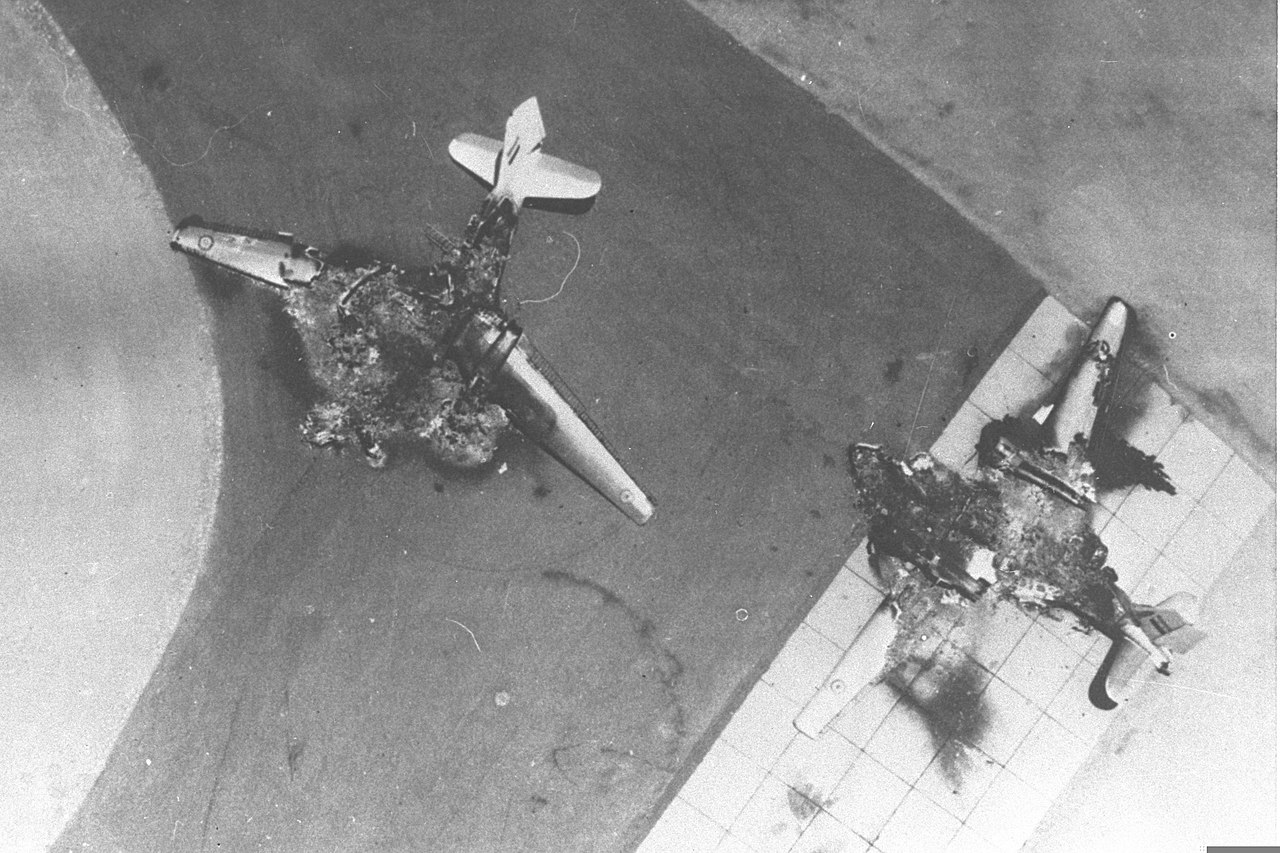
The Soviet Union not only supported Arab countries and their demands against Israel diplomatically at the United Nations, but also provided weapons and military support to them during the 1967 Arab-Israel War.
On the other hand, the United States has provided Israel with unmatched military, diplomatic, and financial support for decades, reflecting deep strategic ties and shared interests in the Middle East.
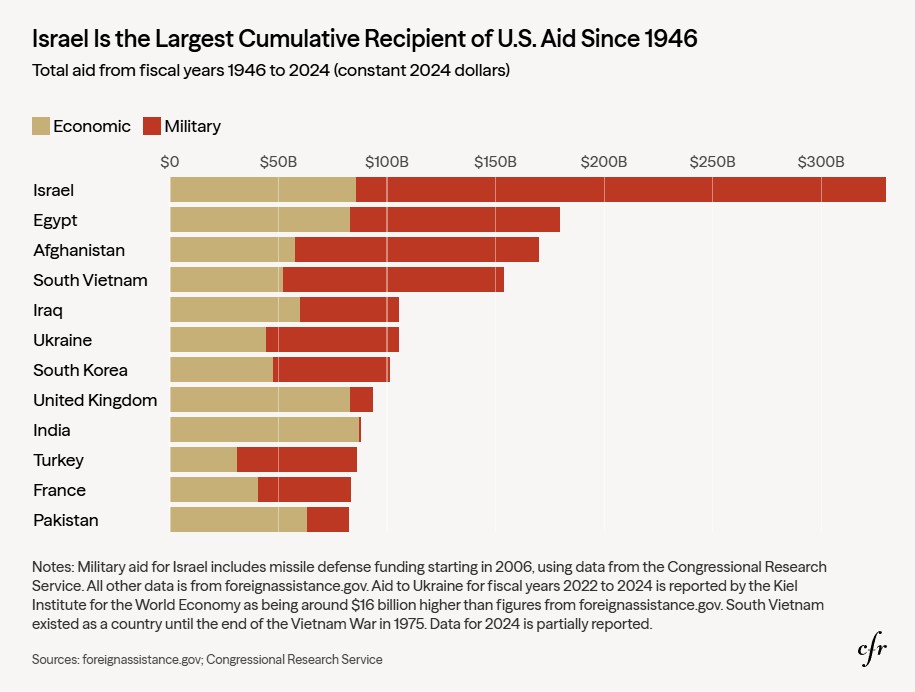
Israel is the largest recipient of US foreign and military aid. According to the Council on Foreign Relations (CFR), since 1948, Israel has received over US$300 billion in total US aid, making it the largest cumulative recipient of US foreign assistance since World War II.
Furthermore, the US has vetoed at least 49 UN Security Council resolutions critical of Israel.
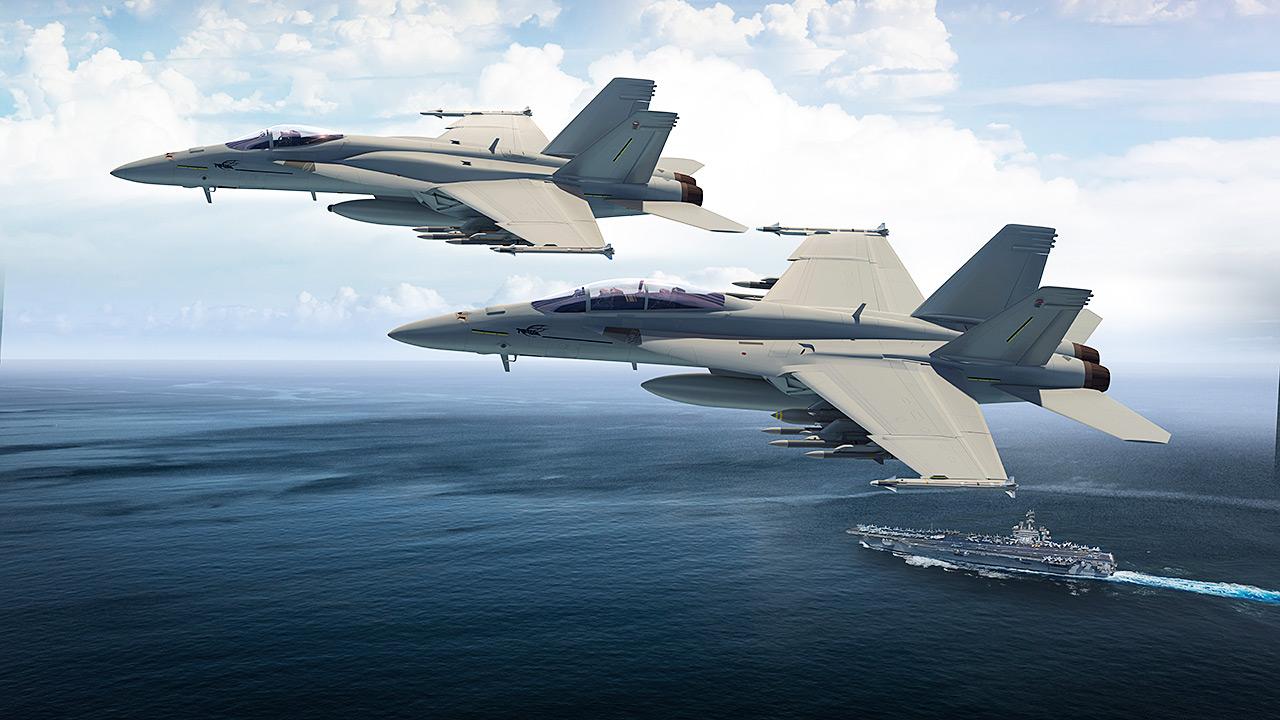
The US also supplies the majority of Israel’s weapons. According to SIPRI, between 2021 and 2025, the USA accounted for 68% of Israel’s major arms imports.
Given this history, it was surprising even for people familiar with Middle Eastern geopolitics that the first country to officially recognize the state of Israel was not the US, but the Soviet Union.
The Soviet Union and Israel
On May 14, 1948, David Ben-Gurion, the head of the Jewish Agency, proclaimed the establishment of the State of Israel in Tel Aviv. This happened just as the British Mandate over Palestine officially ended.
On the same day, just 11 minutes after David Ben-Gurion proclaimed Israel’s independence, U.S. President Harry Truman extended de facto recognition to the new state. However, it must be noted that it was only a de facto recognition, not an official recognition.
This marked the birth of modern Israel as an independent country. The very next day, on May 15, 1948, several Arab countries invaded Israel, leading to the 1948 Arab-Israeli War.
Three days later, on May 17, 1948, the Soviet Union became the first country to officially recognize the state of Israel.
On May 18, 1948, #USSR was de jure the 1st country to recognise #Israel.💬Sergey #Lavrov: We cooperate with the Israelis to uphold the historical truth & prevent the glorification of Nazism, manifestations of intolerance & similar misanthropic ideologies.🔗https://t.co/fMWzPcYG65 pic.twitter.com/C29NTwtWi9
— MFA Russia 🇷🇺 (@mfa_russia) May 18, 2020
With this, the Soviet Union, despite its official view of Zionism as, in Lenin’s words, “bourgeois nationalism,” became the first country in the world to give legal recognition to Israel.
In his book, ‘The Position of the Bund in the Party,’ Lenin said, “The idea of a Jewish nationality runs counter to the interests of the Jewish proletariat, for it fosters among them, directly or indirectly, a spirit hostile to assimilation, a ‘ghetto’ mood… Unfortunately, however, this Zionist idea is absolutely false and essentially reactionary.”
Lenin wrote this in 1903, well before the 1917 Bolshevik Revolution and the creation of Israel (1948), but his views heavily influenced later Soviet anti-Zionist policy.
However, the Second World War and the industrial-scale targeted persecution of Jews by Nazi Germany made the Soviet Union change its policy.
In fact, in 1947, just one year before Israel’s creation, Soviet Foreign Minister Andrei Gromyko had declared his country’s support for the UN Partition Plan for Palestine in recognition of the “exceptional sorrow and suffering” of the Jews in World War II and the fact that “no Western European State has been able to ensure the defense of the elementary rights of the Jewish people and to safeguard it against the violence of the fascist executioners.”
The Soviet Union not only supported Israel’s creation and became the first country to officially recognize Israel, but it also ensured that the new Jewish state survived in the face of persistent Arab opposition.
As mentioned earlier, just one day after Israel’s founding, it was attacked by Arab countries.
During this critical phase, the Soviet Union ensured Israel’s survival by providing it with weapons.
According to Jewish Currents, “the USSR made good on its recognition by prompting Czechoslovakia to provide armaments to Israel, which proved crucial to its defense against the invading Arab armies.”
Under ‘Operation Balak,’ Israel purchased arms in Europe to avoid various embargoes and boycotts and then smuggled them to Israel.
Czechoslovakia was a Soviet satellite state. It sold excess German weapons from the World War era to Israel; however, this sale of weapons to Israel was explicitly green-lighted by the Soviet Union.
Notably, while the US emerged as Israel’s primary weapons supplier in the later years, during the initial critical phase after 1948, when a newly created Israel was against the combined armies of five Arab countries, the US refused to supply any weapons to Israel, as Washington wanted to demonstrate strict neutrality in the Middle East.
According to Jewish History magazine Morasha, “the American State Department strictly enforced the Neutrality Law, which placed an arms embargo on any country that was engaged in an armed conflict, as was the case with Israel. The British government was even less friendly, refusing to sell military material to Israel while providing aircraft and training to the Arab air forces.”
Between 1947 and 1949, the Jewish Agency and, later, the Israeli government, made several purchases of weapons from Czechoslovakia, including rifles, machine guns, ammunition, and aeronautical equipment.
Purchases amounted to around 400 tons of mortars and other heavy equipment, aerial bombs, rifles, ammunition, machine guns, flamethrowers, explosives, tanks, and combat vehicles from the Czechs.
Besides, Czechoslovakia sold 86 combat aircraft: 25 Avia S-199 fighters, a version of the German Messerschmitt, and 61 Supermarine Spitfires.
The delivery of Czechoslovak military equipment proved crucial to the defense of Israel’s independence.
Within a few years, however, Israel had positioned itself as a staunch ally of the United States and its Western allies in the Cold War.
Israel fought alongside the UK and France and bombed Egypt during the 1956 Suez Canal Crisis.
This realignment also forced the Soviet Union to switch sides.
By the mid-1950s, the USSR became a major arms supplier to Egypt and Syria.
By the 1967 Arab-Israel War, the Soviet Union was firmly against Israel and a staunch supporter of Arab countries.
The Great Soviet Encyclopedia, 1967, describes Zionism in the following words: “The main posits of modern Zionism are militant chauvinism, racism, anti-Communism and anti-Sovietism . . . [and] overt and covert fight against freedom movements and the USSR.”
Even after the disintegration of the Soviet Union, the animosity between Israel and Russia continued.
Between 2015 and the present, Russia has voted against Israel at the UN on 162 occasions (88%), abstained on 23 (12%), and supported Israel on 0.
Even in the current war, the US and Israel are fighting together, whereas Russia is one of the primary backers of Iran.
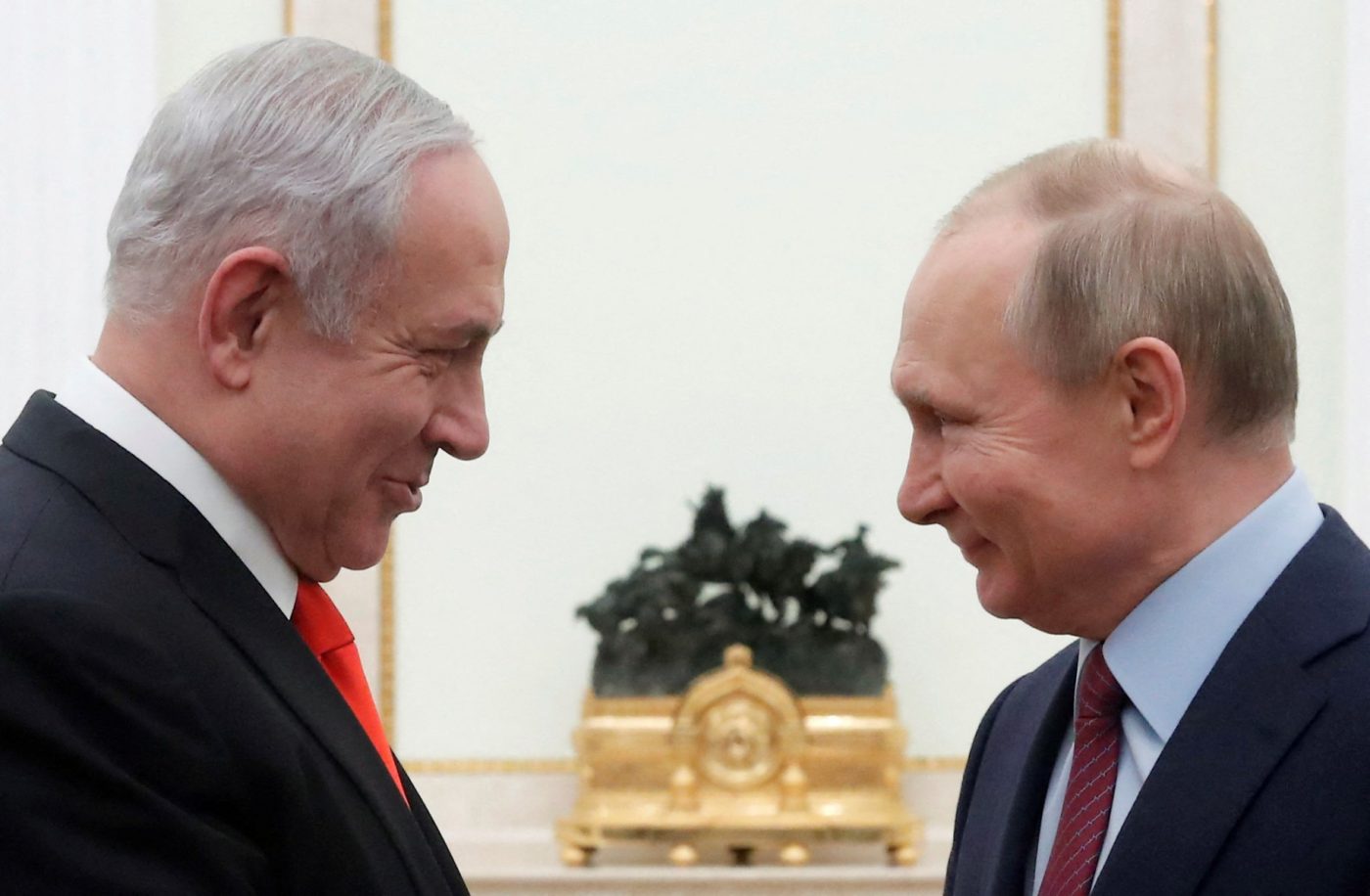
The history of Russia (Soviet Union)-Israel relations shows that, in geopolitics, there are no permanent friends or enemies, only permanent interests.
- Sumit Ahlawat has over a decade of experience in news media. He has worked with Press Trust of India, Times Now, Zee News, Economic Times, and Microsoft News. He holds a Master’s Degree in International Media and Modern History from the University of Sheffield, UK.
- VIEWS PERSONAL OF THE AUTHOR.
- He can be reached at ahlawat.sumit85 (at) gmail.com