A Colombian military C-130 Hercules aircraft that crashed last month, killing all 69 people, struck trees shortly after takeoff, the air force said in its preliminary investigations.
The aircraft went down on March 23 in Puerto Leguizamo, near Colombia’s border with Peru, just one kilometer from the runway it had departed, according to the air force statement.
A total of 126 people were on board the Hercules. 57 people were injured when the C-130 came down. Scores of people were pulled out of the burning wreckage and taken to the hospital by locals.
The preliminary report points to the aircraft hitting trees as the cause of the accident, though a full investigation is ongoing to determine additional factors, including weather conditions, mechanical issues, or human error, the statement added.
Colonel Luis Fernando Giraldo, safety director of the Colombian air force, told reporters the plane struck three trees just four seconds after takeoff. The investigation revealed “vegetation material” inside two of the engines, he said. That “would have affected the aerodynamic performance of the left wing and the control of the aircraft,” Giraldo said.
Giraldo said it is not yet possible to determine whether the crash was due to human or mechanical error, but ruled out excess weight or adverse weather conditions as factors.
The C-130 Hercules is a four-engine turboprop military transport aircraft widely used by armed forces around the world for troop and cargo transport. Colombian President Gustavo Petro had earlier described the crash as one of the country’s worst military aviation disasters in recent years. The air force has pledged a thorough probe into the incident.
Petro also wrote: “This piece of scrap metal (referring to Hercules) was bought in 2020 and came down, let’s ask why.” In an earlier post, he blamed “bureaucratic problems” for holding up his plans to modernize the armed forces’ equipment and their aircraft. “I will allow no further delays; the lives of our young people are at stake,” Petro wrote.
This reminds us of another incident involving a C-130.
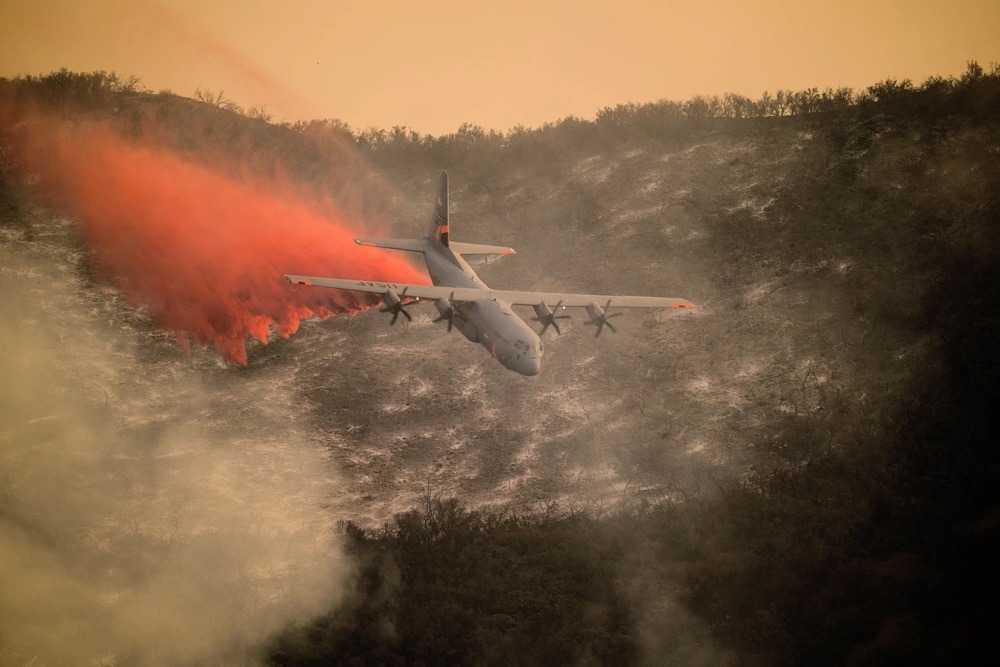
On January 23, 2020, Lockheed EC-130Q Hercules firefighting tanker crashed during Australia’s intense Black Summer bushfires, killing all three US crew members on board.
The Hercules struck a tree and then crashed into rising terrain after releasing part of its firefighting load. According to the final report by the Australian Transport Safety Bureau, the crew was conducting a low-altitude retardant drop when the aircraft experienced turbulence amplified by the intense blaze and mountainous terrain.
Witness video and flight data showed the left wing clipped a tree, causing an immediate loss of control. The aircraft crashed and burst into flames, destroying the Hercules. The report found multiple factors contributing to the crash, including a tricky operational environment and the continuation of firefighting operations despite deteriorating weather conditions that had grounded other aircraft.
In response to the findings, Coulson Aviation, the firm operating the aircraft, updated its procedures to include windshear-recovery training.
Collisions with trees remain a considerable threat in aviation, especially during low-altitude stages of flight such as takeoff, approach, and landing. Tree strikes frequently occur when aircraft descend below safe altitudes due to poor visibility, navigation errors, wind shear, or impaired obstacle awareness.
According to aviation safety analyses, tree impacts during forced landings or low approaches carry a relatively high risk of injury compared to impacts in open fields. Modern prevention relies on improved terrain awareness systems, better obstacle databases, stricter approach procedures, and crew training for low-level operations.
Despite technological advancements, tree strikes continue to appear in accident reports, underscoring the need for vigilance in areas with dense vegetation or complicated terrain.
By ET Online Desk