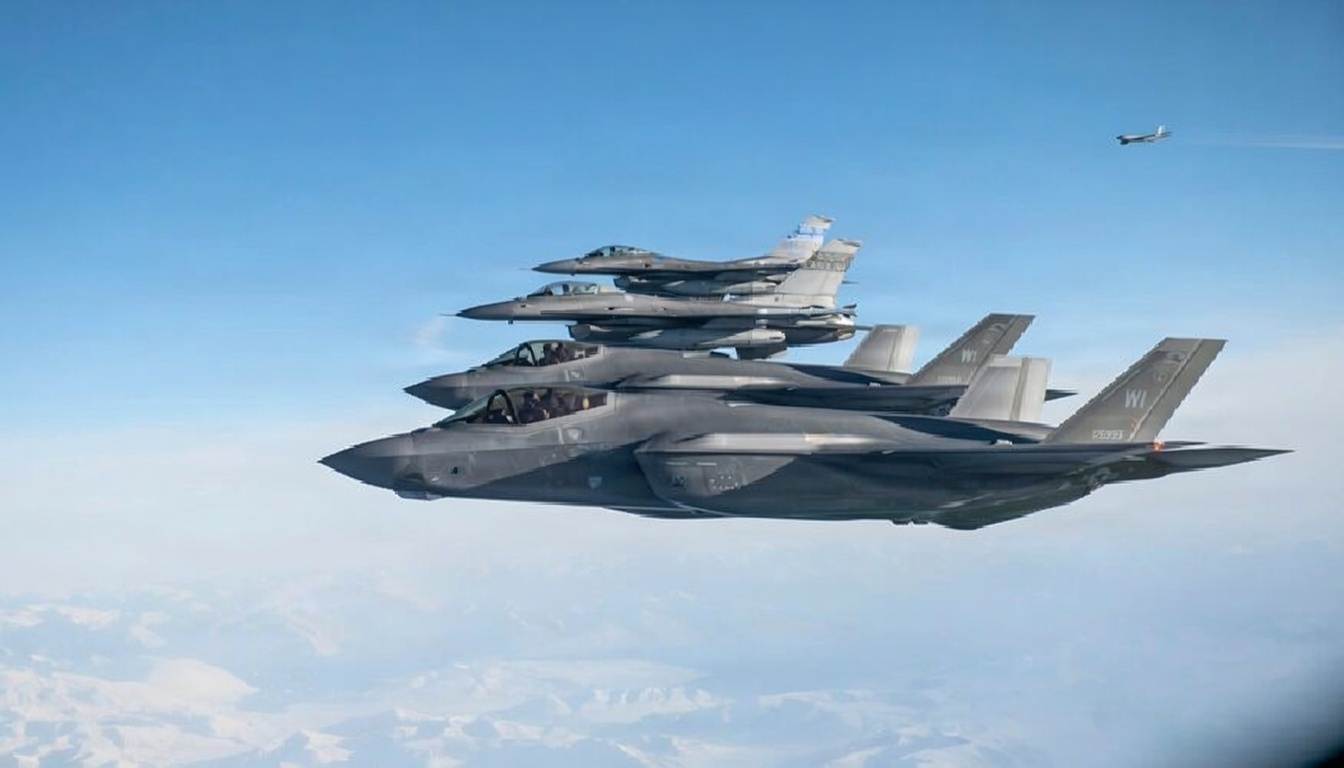
After reportedly coming under intense Indian attacks during Operation Sindoor, Pakistan’s Nur Khan Air Base is making headlines once again, allegedly for housing Iranian military aircraft even as the Pakistani establishment positioned itself as a non-partisan and reliable mediator, brokering a ceasefire and advancing peace talks between Washington and Tehran.
Pakistan allowed Iranian military aircraft to use its airfields, probably in an attempt to protect them from potential US attacks, CBS News claimed, citing unidentified US officials. Additionally, Islamabad arranged for Iran’s civilian aircraft to be housed in Afghanistan.
Notably, the CBS report claims that Iran sent multiple aircraft, including an Iranian Air Force RC-130 tactical transport aircraft, to Pakistan Air Force Base Nur Khan, days after the ceasefire came into effect on April 8.
The claims, though not officially vetted by the White House, suggest Pakistan was helping its neighbor and close partner, Iran, by providing a safe house for its assets in case the fragile ceasefire unravels, leading to fresh attacks on Iranian military facilities and airfields.
The United States and Israel pounded military bases across Iran for weeks, destroying several tactical aircraft of the Islamic Republic of Iran Air Force (IRIAF) as well as airfields, before agreeing to a ceasefire brokered by Pakistan.
Interestingly, an Afghan civil aviation officer told CBS News that Iran’s Mahan Air landed in Kabul ahead of the launch of Operation Epic Fury on February 28, 2026. The aircraft remained stationed in Afghanistan, with the Iranian airspace closed due to hostilities.

In fact, when Pakistan launched cross-border strikes on Afghanistan in March amid tensions with the Taliban government over the Tehreek-i-Taliban Pakistan (TTP), the Taliban’s civil aviation authorities moved the aircraft to Herat Airport (near the Iranian border) to protect it from a potential bombing of Kabul Airport by Pakistani jets, the report noted.
This was the only Iranian aircraft that was left behind in Afghanistan, according to the aviation officer. However, Taliban’s chief spokesman Zabihullah Mujahid denied the presence of any Iranian aircraft on Afghan soil, emphasizing, “Iran doesn’t need to do that.”
Notably, Pakistan has rejected all claims made by the report.
“Pakistan categorically rejects the CBS News report regarding the presence of Iranian aircraft at Nur Khan Airbase as misleading and sensationalized. Such speculative narratives appear aimed at undermining ongoing efforts for regional stability and peace, “Pakistan’s Ministry of Foreign Affairs (MoFA) said in an official statement. “The Iranian aircraft currently parked in Pakistan arrived during the ceasefire period and bears no linkage whatsoever to any military contingency or preservation arrangement.”
“Following the ceasefire and during the initial round of the Islamabad Talks, a number of aircraft from Iran and the United States arrived in Pakistan to facilitate the movement of diplomatic personnel, security teams, and administrative staff associated with the talks process. Some aircraft and support personnel remained temporarily in Pakistan in anticipation of subsequent rounds of engagement,” it added.
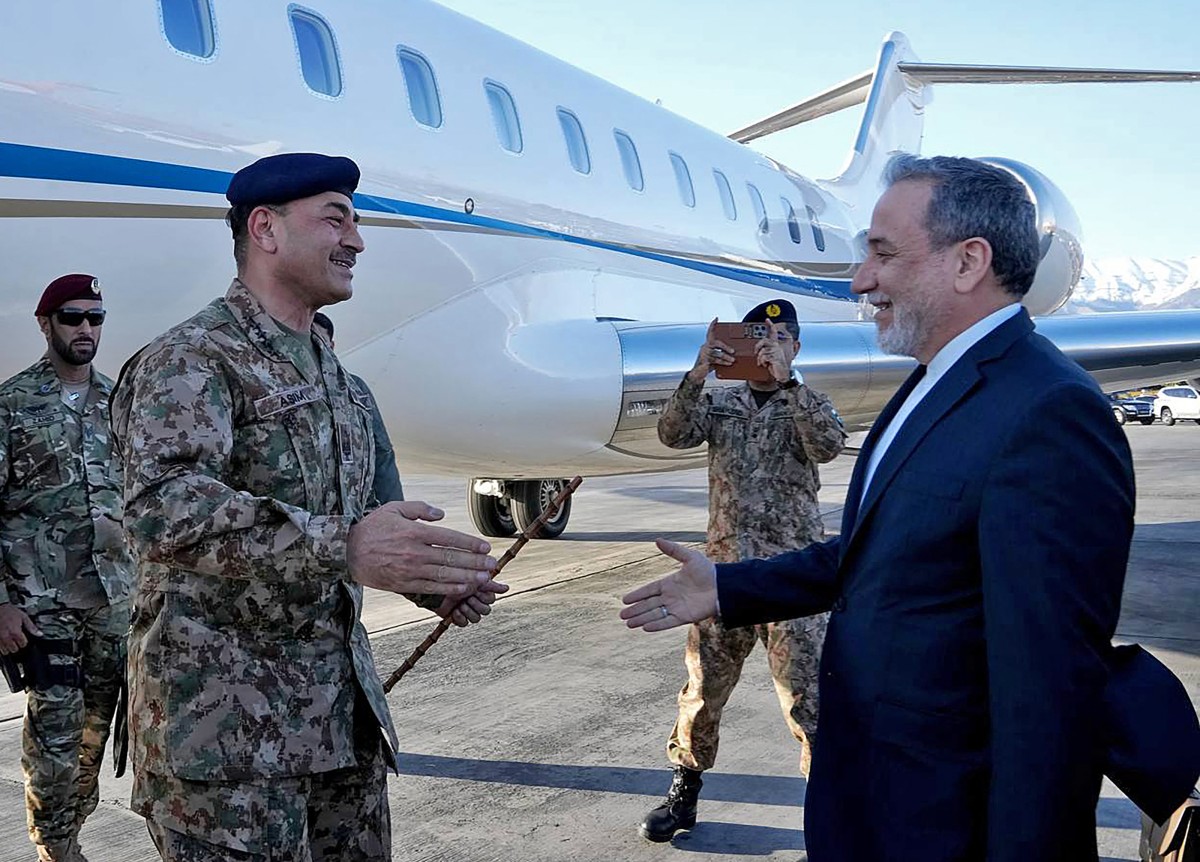
However, if the CBS claims are found to be true, they could make Pakistan look insolent or even deceitful in the eyes of US President Donald Trump, who has been heaping praise on Islamabad and the Pakistan Army chief, Field Marshal Asim Munir, for playing the peacemaker.
In fact, Trump recently announced that he suspended his “Operation Freedom” in the Strait of Hormuz upon Pakistan’s request.
US Republican Senator Lindsey Graham said, “If this reporting is accurate, it would require a complete reevaluation of the role Pakistan is playing as mediator between Iran, the United States, and other parties. Given some of the prior statements by Pakistani defense officials towards Israel, I would not be shocked if this were true.”
Moreover, the claims stoked concerns about the future of the ceasefire, which is already hanging by a thread amid a stalemate in peace talks. The US President rejected Iran’s recently unveiled counter-proposal, referring to it as “TOTALLY UNACCEPTABLE” in a post on his Truth Social.
The two sides remain embroiled in regular skirmishes, and some reports allege that the US and Israel may be conspiring to steal Iran’s uranium stockpiles.
With tensions escalating sharply between Washington and Tehran, suspicion surrounding Pakistan’s role and intentions could dampen the peace talks. Moreover, it could prove a major setback for Islamabad, which has been trying to build rapport with the US President since the May 2025 Indo-Pakistan war, in an attempt to lend legitimacy to its narratives.
Nevertheless, it is worth highlighting that the claims made by CBS News have once again put Pakistan’s Nur Khan Base in the spotlight, particularly as Islamabad is still coping with the major destruction caused at the facility during last year’s conflict.
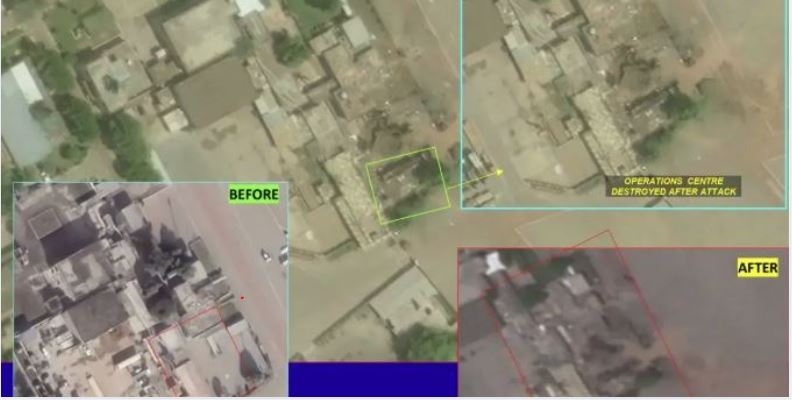
Nur Khan Base Hit By Indian Strikes
Nur Khan Base is a strategic facility in Chakala, Rawalpindi, that houses the Pakistan Army’s headquarters (GHQ) and serves as a major garrison city, just 25 kilometers from Islamabad. The base serves as a primary hub for Pakistan’s air mobility, transport, logistics, and aerial refueling.
On May 7, 2025, Pakistan was jolted as India launched “Operation Sindoor” to avenge the terror attack in Pahalgam, Kashmir, which was attributed to Pakistan-based terror groups.
The operation began with the Indian Air Force (IAF) launching devastating, precision strikes on terror camps housed deep inside Pakistan. Pakistan retaliated almost instantly, launching its counteroperation, “Operation Bunyan al-Marsus,” which would lead to a four-day intense conflict between the two sides.
On May 10, just hours before US President Donald Trump announced the surprise ceasefire between India and Pakistan, New Delhi attacked Pakistan’s major operational air bases in a series of audacious strikes, knocking out 20% of PAF’s infrastructure, as reported by the EurAsian Times in detail.
This included Nur Khan Base.
Imagery released by a Chinese satellite firm (MIZAZVISION) helps spotlight damage at Pakistan’s Nur Khan Airbase – the Indian Air Force precision strike appears to have focused on disabling infrastructure & ground support vehicles present on site at the time pic.twitter.com/f4q2OTinCp
— Damien Symon (@detresfa_) May 11, 2025
India reportedly launched a combination of lethal precision missiles and drones targeting assets like the airbase’s operations room, mobile command and control centers, aircraft hangars, fuel trucks, mobile mission control center, as well as TB-2 drone hangars. Additionally, an Il-78 tanker and a C-130 Hercules were allegedly damaged in the strikes.
Not just that, a large crater was created on the runway, forcing the airbase to be shut down for an extended period.
While Pakistan initially denied the attacks, the before-and-after satellite imagery published in the aftermath of the conflict gave a clearer picture.
New images from India's airstrikes in Pakistan show
1 – Demolition of a complex damaged at Nur Khan
2 – Structural damage to a C2 building at Murid
3 – Munition crater near a likely underground facility at MuridRead @VishnuNDTV's piece – https://t.co/rXZLnSlPdY pic.twitter.com/KlmKeCb8GH
— Damien Symon (@detresfa_) May 27, 2025
“India’s airstrikes on Pakistan’s airbases caused severe damage. At the Nur Khan airbase in Rawalpindi, satellite imagery revealed the destruction of a large complex and significant damage to hangars. Critical assets, including two NG-MMCCs jointly built with Türkiye and equipped with Artificial Intelligence (AI)‑based decision-support tools, were destroyed; these high‑tech systems are considered extremely costly,” Observer Research Foundation (ORF), a New Delhi-based think tank, states in a report.
“Hangars housing Turkish Bayraktar TB-2 drones were also hit, with Pakistan losing around 50 TB-2s, amounting to US$300 million in damages. An open-source intelligence report further confirmed that at least one IL-78 tanker was rendered inoperable, costing US$25–50 million, underscoring the large-scale destruction at one of Pakistan’s most secure bases,” it adds.
In December 2025, Pakistan’s Deputy Prime Minister Ishaq Dar finally confirmed the attacks on the Nur Khan Base.
“In 36 hours, at least 80 drones were sent,” Dar said, adding that Pakistan was “able to intercept 79 drones out of 80.” Furthermore, he said, “India then made the mistake of attacking the Nur Khan Airbase in the early hours of May 10, prompting Pakistan’s retaliatory operation.”
The attack on the base has been seen as a major embarrassment to the Pakistani military, with experts noting that it exposed the vulnerability of the country’s air defense systems, including the HQ-series of surface-to-air missiles procured from China.
Earlier this year, even as it was undergoing repairs, the Nur Khan Base was struck in another cross-border conflict when Afghanistan’s Taliban forces reportedly launched armed drone strikes targeting Pakistan’s Command and Control Center at Nur Khan Air Base amid escalating tensions between the two sides.
Bruised by these attacks, Pakistan has launched a major repair-and-overhaul effort at the strategic base. Last month, fresh satellite imagery published by geo-intelligence expert Damien Symon showed extensive construction was underway at the Nur Khan airbase.
Recent imagery collected over Nur Khan airbase, Pakistan, reveals fresh construction activity – new hangars are being developed on site, the upgrade while offering environmental protection to the PAF fleet, may also serve to limit ISR collection over the site pic.twitter.com/6Z4OY4wE84
— Damien Symon (@detresfa_) April 16, 2026
At the time, reports suggested that it wasn’t ordinary repair work but a fortification drive to protect the base from another attack, including hardened aircraft shelters meant to restrict visibility from aerial surveillance aircraft, primarily from India.
Now, with CBS News making explosive claims, the Nur Khan Base is back in the news again, and for the wrong reasons–yet again.
- Contact the author at sakshi.tiwari13 (at) outlook.com
- Follow EurAsian Times on Google News