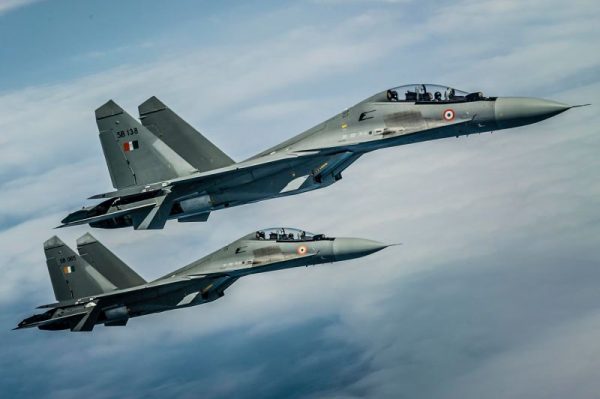
In the aftermath of the Second World War, a new world order began to take shape. From the ashes of the most devastating conflict in human history emerged new iron-clad security partners and military alliances, designed to prevent future catastrophe.
The Second World War did not just redraw the world map; it forged new alliances that defined geopolitics for the next eight decades.
Collective security was the buzzword in the aftermath of the Second World War. The US and the Western bloc created NATO in 1949, and the Soviet Union responded with its own Warsaw Pact. This locked the world in a bipolar Cold War contest for the next five decades.
While some of these alliances crumbled with the fall of the Berlin Wall, others, like NATO, not only survived but also expanded, becoming enduring pillars of international security.
Today, the world is once again going through a churning.
The post-Cold War era security and certainties have collapsed. War has returned to Europe after more than seven decades, and the Iran War is threatening to engulf the whole Middle Eastern region in military conflict.
These conflicts have exposed cracks in long-standing treaty alliances, such as in NATO. At the same time, it is forcing countries to rethink military alliances in a radically new world, where war is once again emerging as a legitimate tool to advance geopolitical interests and nuclear weapons have re-emerged as a credible deterrent.
From Europe to the Middle East, to the Indo-Pacific, the world is witnessing the rapid re-architecture of global power blocs.
While the post-Second World War era was defined by collective security and a bipolar contest, the new world order is fragmented and marked by a multipolar scramble, where, instead of two overarching military blocs, there are multiple regional alliances with varying degrees of security cooperation.
Europe is Emerging Out Of America’s Shadow
For nearly seven decades after the Second World War, the US was the net security provider in Europe.
The US has over 40 military bases in Europe, and nearly 70,000 US soldiers are permanently deployed there, with the number of active-duty US military personnel in Europe hovering between 80,000 and 100,000.
Besides, the US also pledged to defend NATO allies with nuclear weapons if necessary.
Under this agreement, the US has forward-deployed nearly 100 B61 gravity bombs at six bases in five European countries (Belgium, Germany, Italy, the Netherlands, and Turkey), with possible additions in the UK. These nuclear warheads remain under full US custody and control.
The arrangement has existed since the 1950s and remains a pillar of NATO’s deterrence strategy alongside conventional forces.
However, as the US commitment to NATO, or to defending Europe, wavers, France has proposed that it can provide a ‘nuclear umbrella’ to European states for their security.
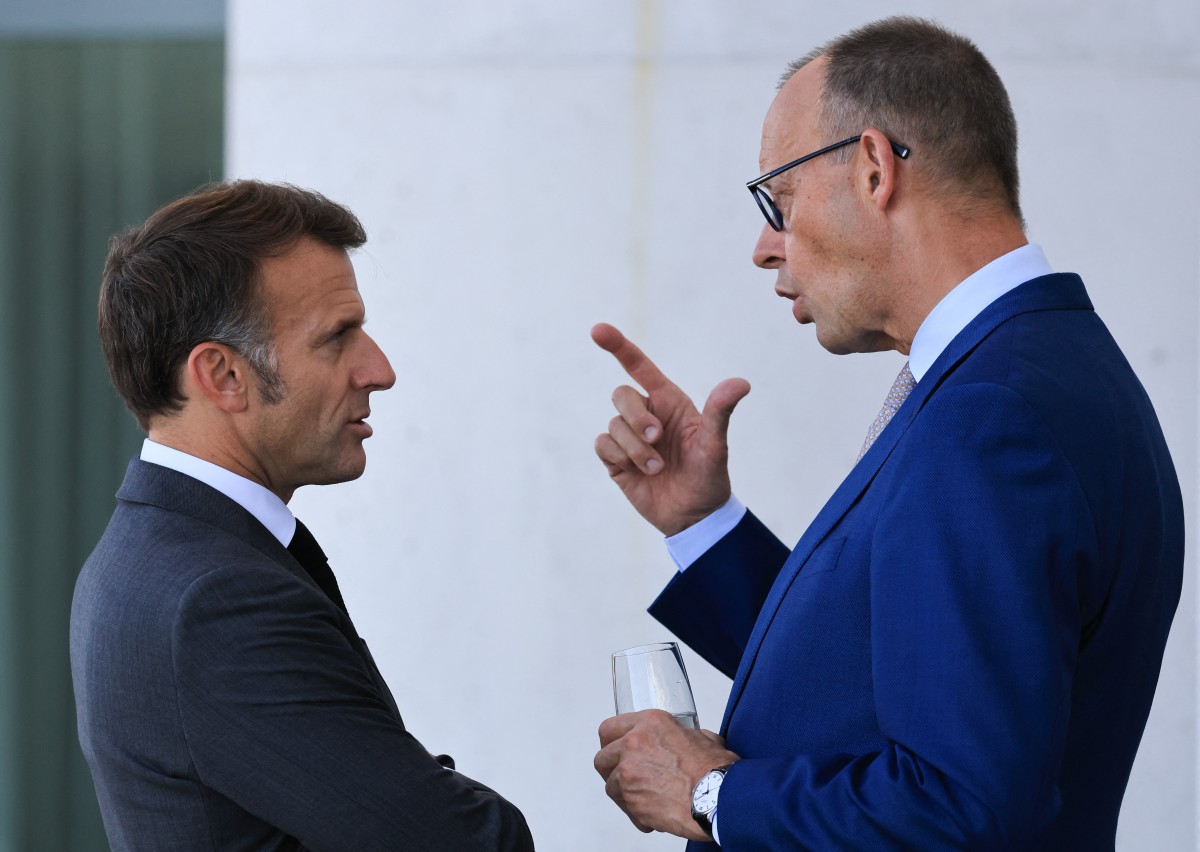
In a major speech at France’s nuclear submarine base in Île Longue on 2 March 2026, President Emmanuel Macron formally offered to extend French nuclear protection to European allies through a new doctrine called “forward deterrence”.
During the speech, Macron mentioned Belgium, Britain, Denmark, Germany, Greece, the Netherlands, Poland, and Sweden as European allies with which France was already in discussion.
Now, nearly three months after that speech, one Nordic country has formally joined France’s nuclear umbrella, underlining the most significant historic shift in Europe’s security architecture since the Second World War.
“Norway will come under France’s nuclear umbrella,” Prime Minister Jonas Gahr Stoere told news agency NTB on May 27.
The move is significant, as Norway was not only a founding member of NATO but has also frequently been described as an Atlanticist country, one that believed its security was best achieved through close alignment with Washington.
Stoere traveled to Paris on May 27 to meet President Emmanuel Macron and sign a new defense agreement with France, which includes Norway’s participation in a French-led nuclear weapons initiative.
“We are doing this in light of the security policy situation in Europe, including Russia’s massive rearmament, also in the nuclear domain, and that it is waging a full-scale war against another European country,” Stoere told Norwegian news agency NTB.
Earlier this month, Lithuania’s political leaders expressed willingness to launch discussions on amending the country’s constitution to allow the deployment of French nuclear weapons on its territory, citing the current geopolitical situation.
Article 137 of the Lithuanian Constitution currently stipulates that there may be no weapons of mass destruction or foreign military bases on Lithuanian territory.
Meanwhile, France has also signaled its willingness to deploy its nuclear-capable strategic aircraft to Eastern European countries, such as Poland, in a joint exercise. Poland is also considering allowing French nuclear weapons on its territory.
While France’s nuclear weapons are limited, nearly 290 as compared to the US’s stockpile of over 5,000 nuclear warheads, these moves suggest that Paris is aiming to extend its nuclear umbrella to the whole of Europe and replace the US as the primary guarantor of security against possible Russian aggression.
To safeguard Nordic security against potential Russian aggression, another alliance is taking shape in Europe, in which the 10 Nordic and Baltic countries join with the UK and France.
Touted as Plan B to NATO, it posits that if Russia invades another Eastern European country, the bulk of the fighting will take place in Northern Europe, comprising the Baltic and Nordic countries.
Incidentally, such an alliance already exists.
The British-led Joint Expeditionary Force (JEF), a rapid-reaction military coalition of the United Kingdom, Denmark, Estonia, Finland, Iceland, Latvia, Lithuania, the Netherlands, Sweden, and Norway, was established in 2014 as a complement to the larger body, which could provide high-readiness forces on short notice for circumstances that did not meet NATO’s Article 5 threshold.
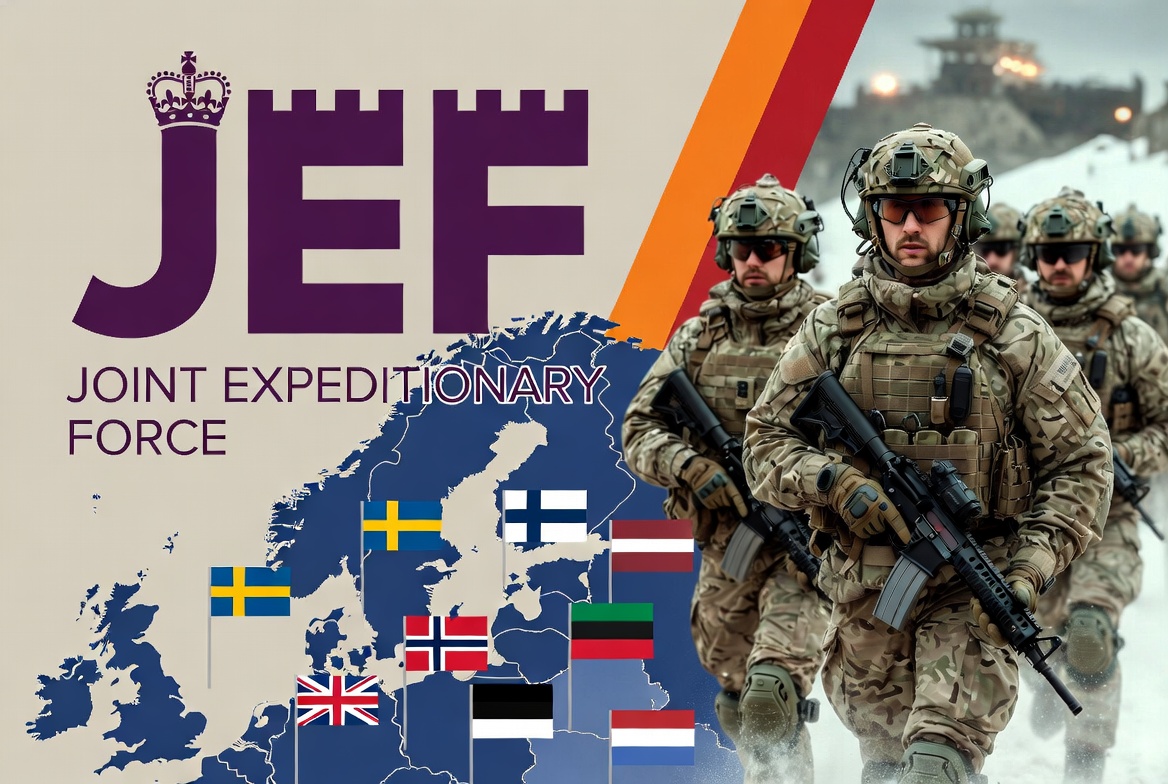
Sweden and Finland joined the coalition in 2017, years before they applied for NATO membership.
NATO’s Article 5 operates on a consensus or unanimity basis among its 32 members, meaning that any one member can block any NATO response to an attack on its members. But the JEF can react to situations on a non-consensus basis. The idea here is to respond instantly to crises in the High North, the North Atlantic, and the Baltic Sea.
However, Europe is not the only place where new alliances are taking shape.
Across the Mediterranean, in the Middle East, where another war is raging, new alliances are taking shape from the rubble of the old world order that has been shattered in the wake of the war.
New Middle Eastern Security Alliances
Just like in Europe, the US was the net security provider in the Middle East.
However, in the last two to three years, all old security calculations have collapsed. In the aftermath of the October 2023 terror attacks, Israel has attacked six countries in the region: Palestine, Syria, Lebanon, Iran, Yemen, and Qatar.
Especially, the Israeli air strikes in Qatar last year were deeply troubling for the US allies in the region, as Doha was not only a Major Non-NATO Ally (MNNA), but it also hosts the largest US base in the region.
The Israeli airstrikes made US allies, such as Saudi Arabia, question whether the US could be relied upon to provide security against Israeli aggression.
However, the real shock came this year during the US-Iran war. In response to US strikes, Iran targeted all those Gulf countries that host US bases.
The US, despite all its technological superiority, could not protect its Gulf allies from persistent Iranian attacks.
This has forced many Gulf countries to seek new security partners, while also bolstering their own security preparations to reduce outright reliance on the US.
While the US will remain the main security provider in the region, many Gulf countries have now started hedging their bets with other countries as well.
For instance, Pakistan and Saudi Arabia signed a mutual defense agreement last year. While not explicitly named, both Saudi and Pakistani leaders have suggested that the agreement covers nuclear weapons as well, in effect extending the Pakistani nuclear umbrella over Saudi Arabia.
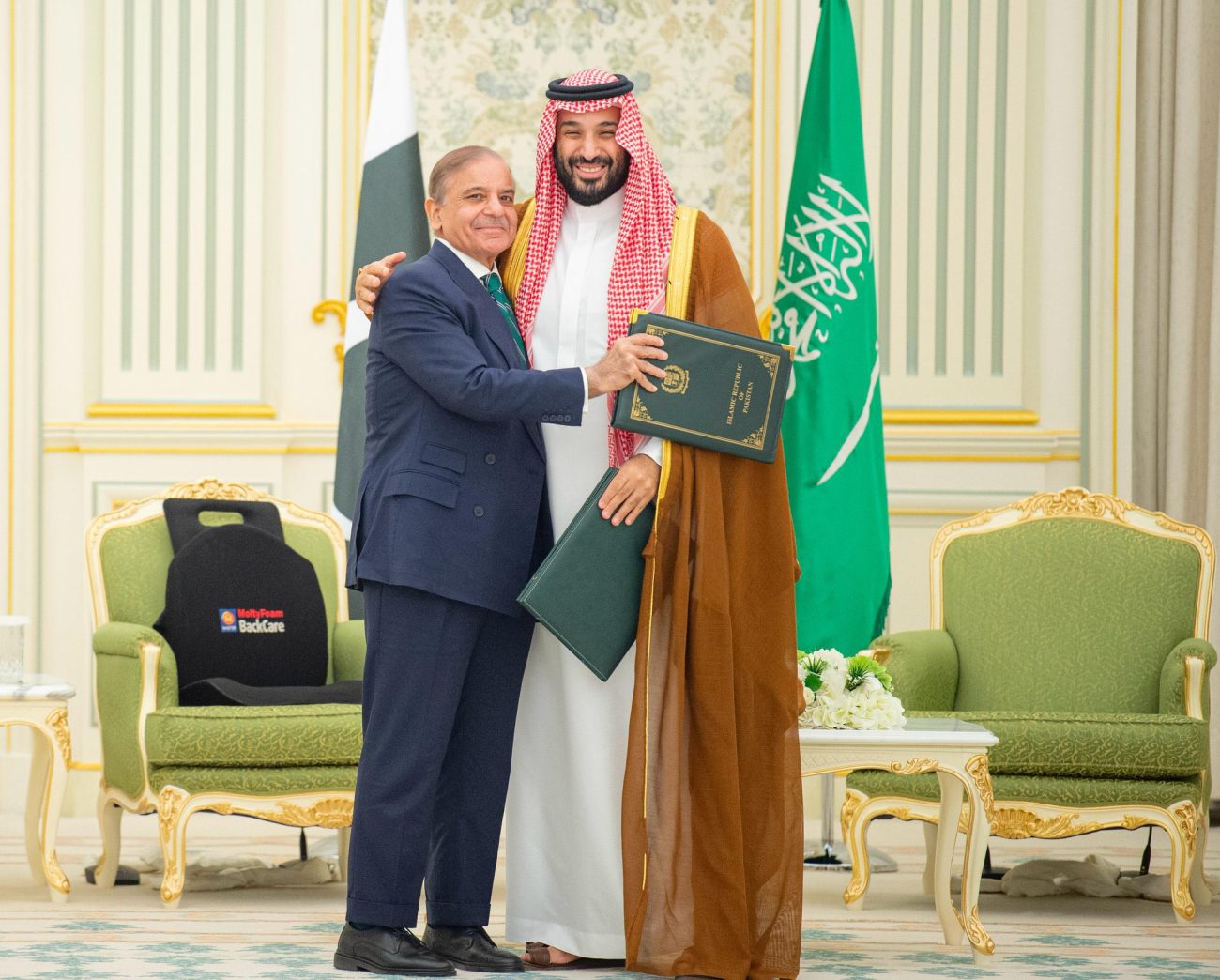
There was much talk about Turkey joining the alliance with Pakistan and Saudi Arabia, creating in effect an Islamic NATO; however, Ankara has not confirmed as yet.
Qatar, on the other hand, has further strengthened its security partnership with the US.
In September last year, Qatar and the US signed a defense deal that provides Doha with NATO Article 5-style security guarantees.
“The United States shall regard any armed attack on the territory, sovereignty, or critical infrastructure of the State of Qatar as a threat to the peace and security of the United States,” the agreement states.
Meanwhile, the UAE, which faced the largest number of drone and missile attacks from Iran, is charting a radically different, and somewhat risky, path.
In March, India and the UAE signed a strategic defense agreement. While much more limited in scope than the Pakistan-Saudi Arabia defense agreement, which includes an explicit mutual defense clause, this deal addresses joint production, investment in defense production, and capacity building.
Meanwhile, the UAE is also strengthening its defense partnership with Israel. This has led analysts to talk of a new troika of India, the UAE, and Israel.
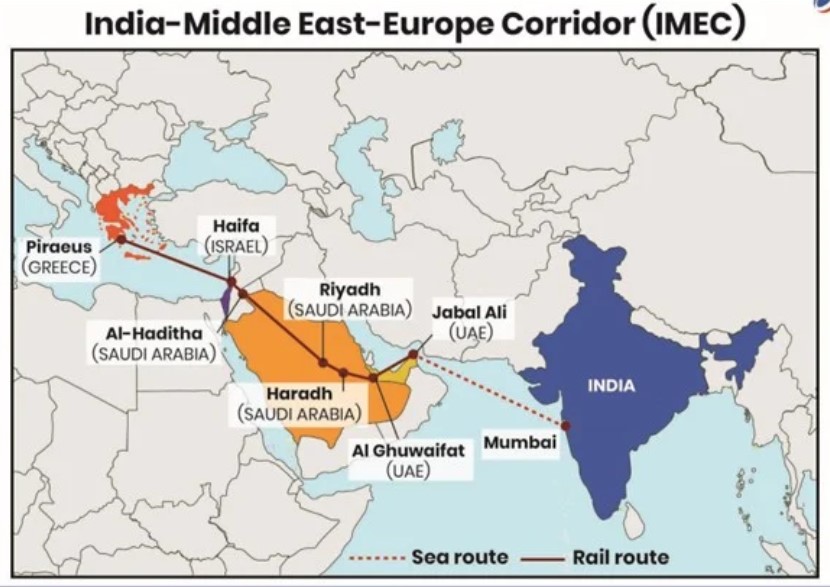
Incidentally, all three countries are also part of the I2U2 (India-Israel-UAE-US) and India-Middle East Economic Corridor (IMEC) trade routes.
In the coming months and years, we will see many such security alliances taking shape with varying degrees of security cooperation.
The old world of post-Cold War era certainties and rigid military alliances has collapsed. In the new world, military and security partnerships will be defined by flexibility, fluidity, and a transactional approach.
We will see more and more overlapping and fragmented regional alliances, hedging their bets by engaging multiple security partners rather than relying entirely on a superpower for their security.
The logic of these security alliances is immediate security threats, rather than historical or ideological loyalties.
However, only time will tell whether such a world will be more secure than the Cold War era world order.
- Sumit Ahlawat has over a decade of experience in news media. He has worked with Press Trust of India, Times Now, Zee News, Economic Times, and Microsoft News. He holds a Master’s Degree in International Media and Modern History from the University of Sheffield, UK.
- VIEWS PERSONAL OF THE AUTHOR.
- He can be reached at ahlawat.sumit85 (at) gmail.com