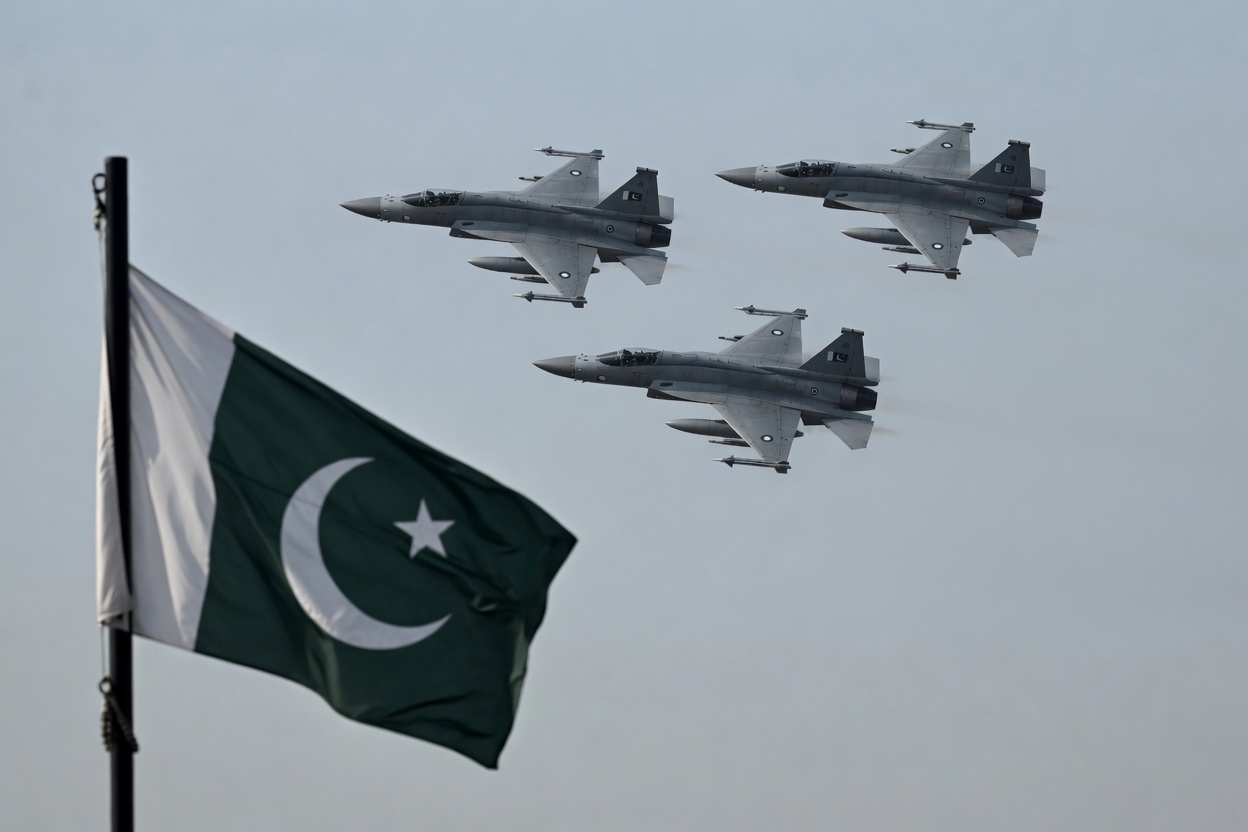
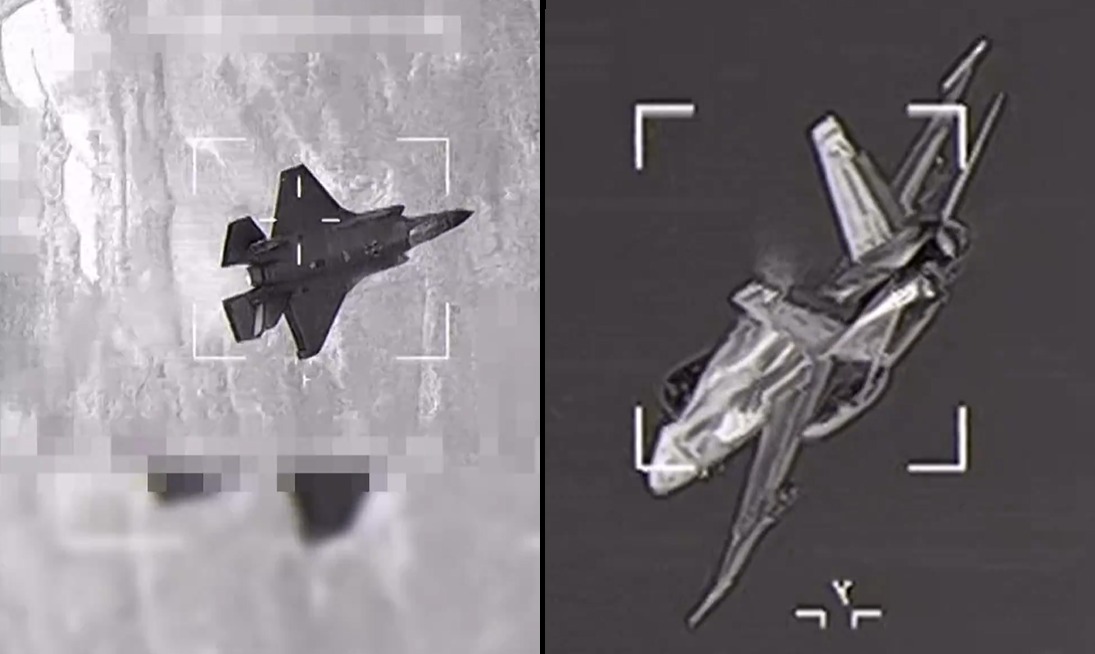
The United States and Israel have long enjoyed a uniquely close “special relationship.” Israel has been the largest cumulative recipient of US foreign aid since the end of the Second World War and remains one of the few countries granted access to America’s most advanced weaponry in the Middle East.
This exceptional partnership is so intimate that, in leftist and anti-imperialist circles, Israel is frequently described as America’s “imperial outpost in the Middle East.”
However, the shifting political attitudes in the US, especially in President Donald Trump’s MAGA support base, have put the American financial support to Israel under heightened scrutiny.
Currently, the funding is governed by a 10-year agreement covering the 2019–2028 period. Under the deal, the total aid is US$38 billion, equivalent to US$3.8 billion per year.
During the previous decade (2010–2018), Israel received about US$3 billion annually. These figures are documented in Congressional Research Service reports detailing trends in military spending.
Sensing the swifting political sands and realizing the criticality of US support amid Israel’s ongoing wars in the Middle East, Israeli Prime Minister Benjamin Netanyahu has announced plans to completely end US financial aid provided under military cooperation agreements.
Netanyahu made these comments in an interview with the American television network CBS News.
He also said that he plans to cut US foreign assistance to zero over the next 10 years.
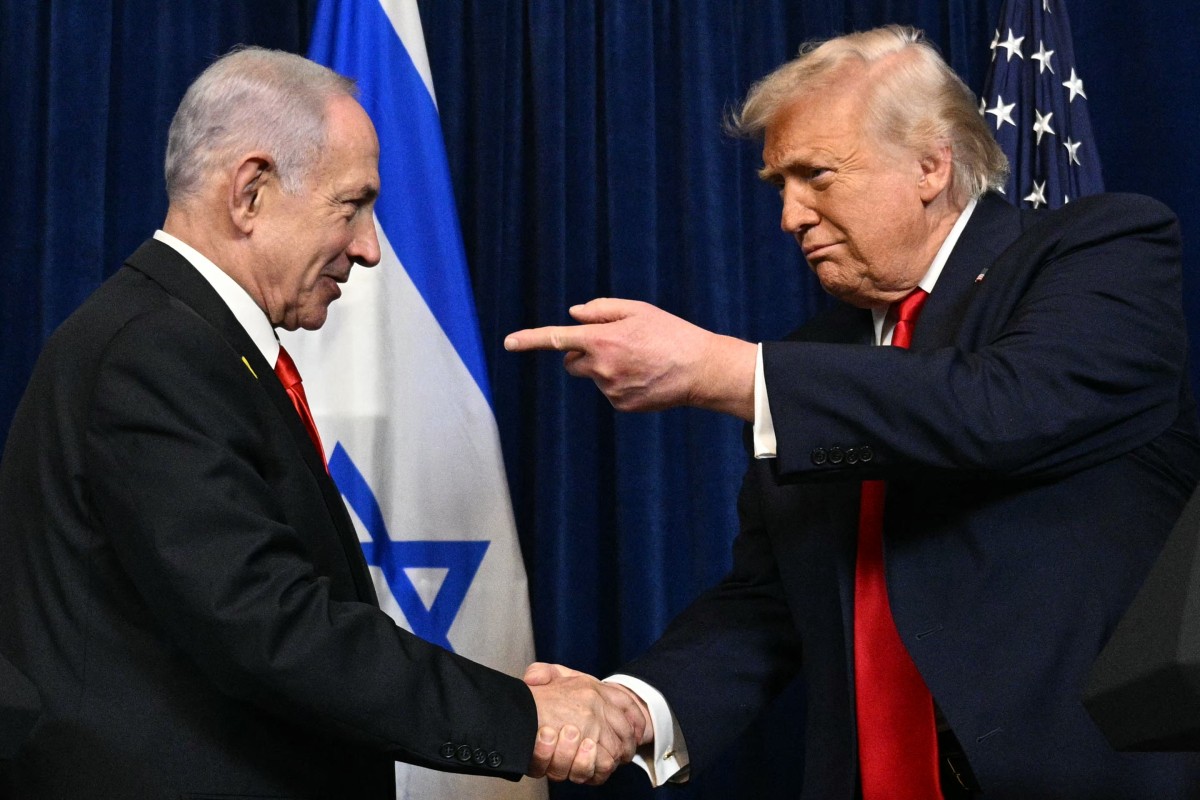
Netanyahu said Israel must gradually become independent from direct US financial support, and he is ready to begin the transition immediately.
He further said that he has already discussed the idea with President Trump.
Asked if it is time for Israel to reexamine its financial relationship with the US, Netanyahu said, “Absolutely. And I’ve said this to President Trump. I’ve said it in– to our own people…”
“I want to draw down to zero the American financial support, the financial component of the military cooperation that we have. Because we receive– we receive $3.8 billion a year. And I– I think that it’s time that we weaned ourselves from the remaining– military support.”
Asked to provide a timeline, Netanyahu said, “Let’s start now and do it over the next decade, over the next ten years, but I want to start now. I don’t want to wait for the next Congress. I want to start now.”
This is significant, as historically Israel has been the largest cumulative recipient of US foreign aid since the end of the Second World War.
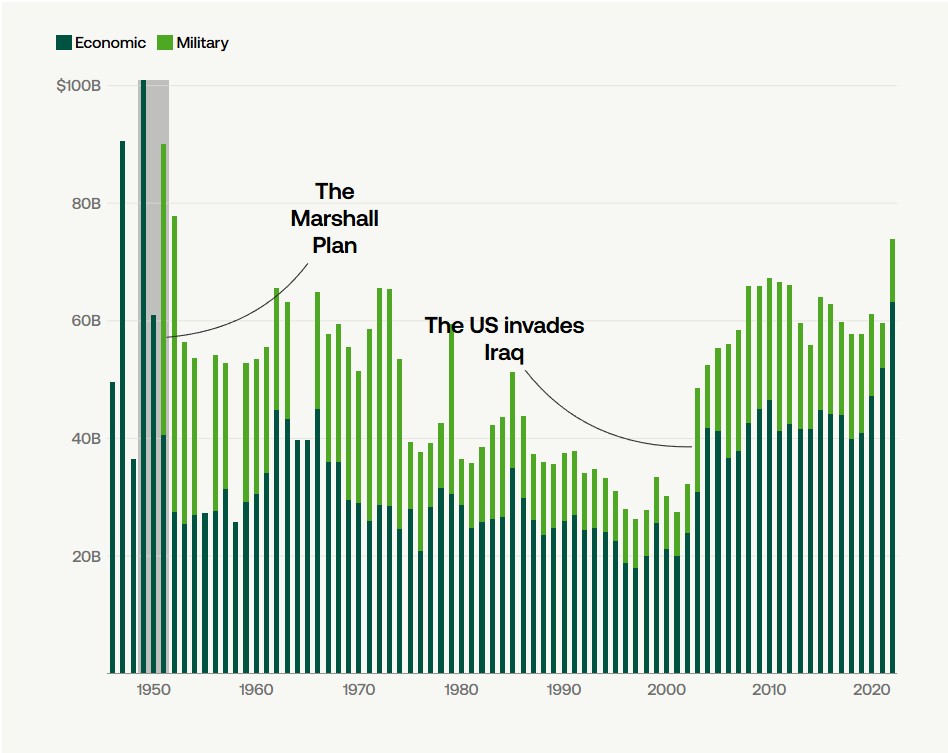
U.S. Foreign Aid Since 1946
Each year, Congress appropriates foreign assistance based on national security, commercial, and humanitarian interests.
This aid is then distributed to foreign governments, international agencies, such as the United Nations or World Health Organization, and non-governmental organizations (NGOs), such as Save the Children and the International Rescue Committee.
Globally, the US has provided the largest foreign aid to other countries.
According to USA Facts, Washington has given out over US$3.8 trillion in foreign aid (adjusted for inflation) since the end of World War II.
US foreign aid has varied over time due to various geopolitical circumstances, economic conditions, and national priorities.
For instance, after the Second World War, the US provided extensive economic aid to European countries under the Marshall Plan (1948-1951), which had the twin objectives of rebuilding Europe after the war’s devastation, which had leveled many of Europe’s historic cities, and of securing European countries against the expansion of Communism.
At its height in 1949, US foreign aid totaled nearly US$100 billion.
Similarly, after the disintegration of the Soviet Union and the end of the Cold War, when geopolitical tensions had considerably cooled, US foreign aid bottomed out at just under US$25 billion in 1997, both figures adjusted for inflation.
After the US invasion of Afghanistan (2001) and Iraq (2003), the US foreign aid started increasing again and crossed US$70 billion in 2022, when Russia invaded Ukraine.
Between 1946 and 2022, the US has spent an average of US$51.0 billion each year on foreign aid.
Since Russia’s invasion of Ukraine in 2022, Kyiv has been the largest recipient of U.S. Foreign Aid for two years in a row.
Ukraine received over US$12 billion in 2022 and over US$17 billion in 2023. However, in 2024, Israel was once again the largest recipient of U.S. foreign aid, receiving US$6.8 billion.
Historically, Israel has been the largest cumulative recipient of US foreign aid since the end of the Second World War.
Which Countries Receive The Most Foreign Aid?
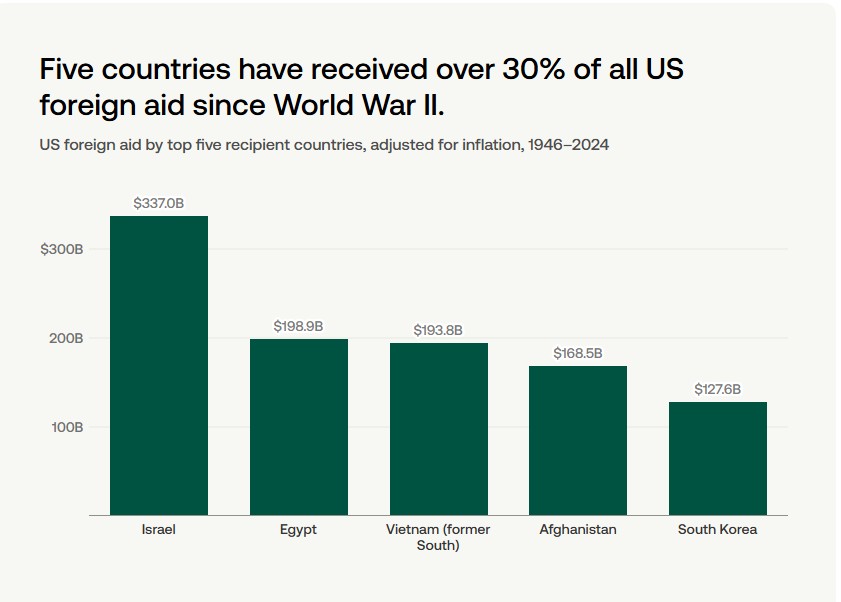
Between 1946 and 2024, over US$1 trillion, or roughly 30% of all US foreign aid, has gone to five countries: Israel, Egypt, former South Vietnam, Afghanistan, and South Korea, after adjusting for inflation.
Three of these countries, Israel, Egypt, and South Korea, are historical defense and security partners of the US, whereas two countries that feature on this list have seen two of the longest US wars – Vietnam and Afghanistan.
Between 1946 and 2024, Israel received US$337 billion in US foreign aid, Egypt received US$198.9 billion, former South Vietnam received US$193.8 billion, Afghanistan received US$168.5 billion, and South Korea received US$127.6 billion.
Most of America’s foreign aid to Israel has historically been for military purposes, helping the country develop a missile defense system, among other projects.
According to the Council on Foreign Relations (CFR), the United States provided Israel considerable economic assistance from 1971 to 2007, but nearly all U.S. aid today goes to support Israel’s military.
“The United States has provisionally agreed via a memorandum of understanding (MOU) to provide Israel with US$3.8 billion per year through 2028, including US$500 million per year for missile defense.”
Of the nearly US$300 billion Israel has received from the US since 1948, US$244 billion has been in military aid and US$86 billion in economic aid.
Notably, the second-largest recipient of US military aid is Afghanistan, which received less than half as much (US$113 billion) as Israel.
Egypt has received substantial foreign aid from the US since 1975, mainly as an extension of efforts to alleviate Arab-Israeli tensions. The US also supports Egypt through military assistance, though total contributions have declined year over year.
The US provided substantial foreign aid during the conflicts in South Vietnam and Afghanistan to bolster the nations’ economic infrastructure. Aid also helped enhance both nations’ defense capabilities to address instability and counterterrorism.
Lastly, South Korea received foreign aid from the US for a variety of reasons, from rebuilding the nation following World War II and the Korean War to developing the economy and improving infrastructure during the 1960s and 1970s, driven by geopolitical interests in the region.
The United States provides foreign aid to other countries for several reasons: it helps promote global stability, advance US national security interests, and address humanitarian needs.
According to a 2022 Congressional Research Service report, foreign aid can enhance the United States’ global influence, address global challenges, and promote shared values.
If Israel indeed cuts its foreign assistance from the US to zero, it will be significant not only for the US but also put tremendous pressure on other countries to substantially cut their dependence on US financial and military assistance.
- Sumit Ahlawat has over a decade of experience in news media. He has worked with Press Trust of India, Times Now, Zee News, Economic Times, and Microsoft News. He holds a Master’s Degree in International Media and Modern History from the University of Sheffield, UK.
- VIEWS PERSONAL OF THE AUTHOR.
- He can be reached at ahlawat.sumit85 (at) gmail.com