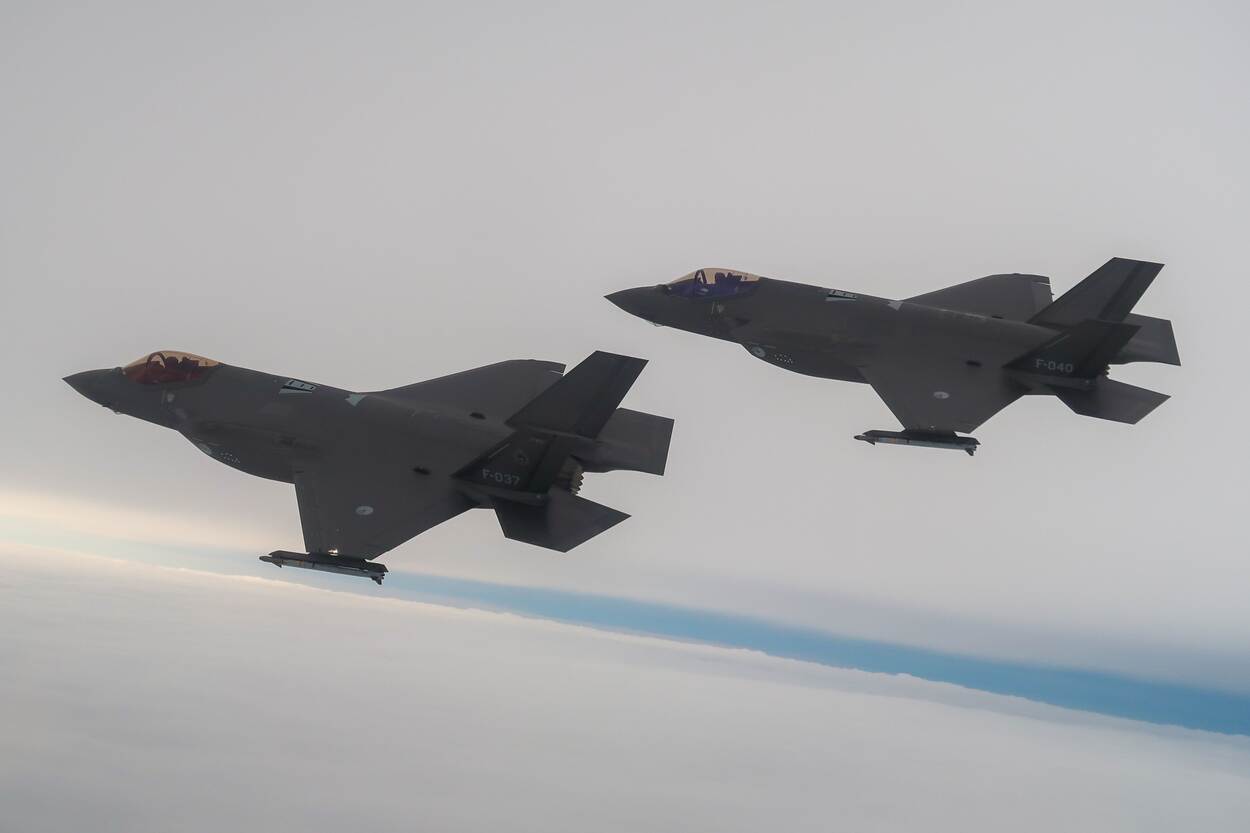
The Indian Air Force (IAF) conducted precision strikes against 11 Pakistani airbases, including Nur Khan (Chaklala), Rafiqui, and Sargodha, and damaged runways, hit command-and-control centers, and destroyed technical and operational infrastructure. The farthest being around 200 kilometers from the border. Nearly 10 Pakistan Air Force (PAF) airbases are less than 100 kilometers from the border or Line of Control (LoC).
More recently (April/May 2026), high-impact airbase strikes took place in the Middle East where Iran targeted multiple US military bases, hitting over 100 US-based targets across Qatar, Kuwait, Bahrain, the UAE, and Saudi Arabia. A significant strike at Prince Sultan Air Base in Saudi Arabia reportedly damaged a US E-3 Sentry AWACS aircraft. These retaliatory strikes followed a joint US-Israel operation against Iran.
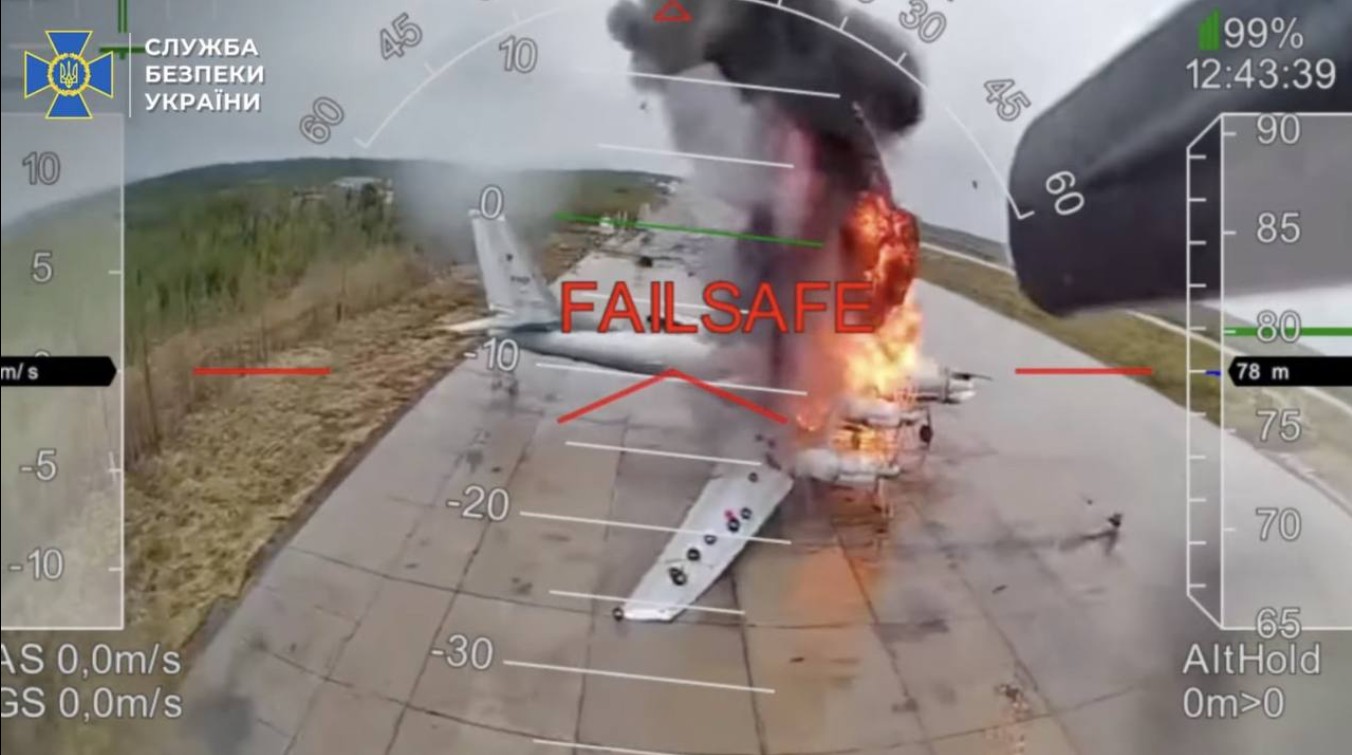
Both Ukraine and Russia targeted each other’s airbases using cruise missiles and drones with great impact. Airbase strikes are causing extensive, high-cost damage and forcing operational changes in regional military structures.
History of Airbase Strikes
Airbase strikes, aimed at destroying aircraft, infrastructure, and operational capacity, have been pivotal in military history, evolving from World War I raids to precision missile strikes in the 21st century.
Airbase strikes in World War I were a significant evolution in aerial warfare, marking a shift from early reconnaissance to strategic efforts to destroy enemy aircraft and airships on the ground. The first large-scale air raids began with German Zeppelin dirigibles bombing London. British air raids targeted both Zeppelin sheds, which were crucial for long-range bombing, and forward airfield infrastructure.
Strategic bombing targets throughout 1916–1918, often aimed at industrial sites, while significant effort was also directed towards coastal aerodromes. German counter-raids targeted British airfields in France and England as part of their broader strategic bombing campaigns.
All this led to the development of specialized bombers and long-range strike aircraft. These raids led to improvements in airfield defenses, including anti-aircraft guns, and to the development of organized, coordinated, and sometimes independent air forces to protect home territory and attack enemy bases.
Airbase strikes were a decisive strategy in WWII, aimed at achieving air supremacy by destroying aircraft on the ground, damaging infrastructure, and neutralizing air defense. During the Battle of Britain (1940), the Luftwaffe targeted RAF airfields in southern England. Major campaigns included the 1941 German invasion of the Soviet Union, the Japanese attack on Pearl Harbor, and Allied raids to destroy the Luftwaffe’s capacities before D-Day.
But airfields were notoriously hard to keep out of commission for long; engineers could repair runways, and planes were often replaced.
Some of the most successful strikes were the H-3 Air Base Strike (1981) during the Iran–Iraq War. Iran launched a daring, long-range surprise attack, destroying at least 48 Iraqi aircraft while losing none of their own. Operation Focus (1967), Israel’s opening move in the Six-Day War, destroyed the Egyptian Air Force on the ground within hours, securing air superiority.
Typical Targets on an Airbase
Military airbases are complex installations designed to support aviation operations and are composed of several critical infrastructure components. Runways and taxiways, aircraft tarmacs, Hardened Aircraft Shelters (HAS), and hangars housing aircraft for maintenance. Flight Line is the operational area where aircraft are prepared for flight, fuelled, and armed. Logistics and support areas such as fuel storage facilities, munitions storage areas.
Maintenance workshops. Command and Communications, including Air Traffic Control (ATC) Tower. Operational facilities that coordinate mission planning, communications, and base-wide logistics. Radar and sensor arrays for monitoring of the surrounding airspace. Modern airbases employ advanced systems, including the S-400 and Akash, to intercept incoming missiles and aircraft. Administrative and residential areas.
The design of an airbase prioritizes the protection of these assets through strategic placement and hardened construction to ensure operational continuity.
Vulnerabilities to Airbases
To begin with, satellite-based ISR allows clear mapping of all facilities at an airbase with very accurate coordinates.
Secondly, it is impossible to put everything under a hardened shelter. Airbases are therefore highly vulnerable to air attacks, particularly from precision-guided munitions, drones, and cruise missiles, which target parked aircraft, runways, and fuelling infrastructure to neutralize airpower.
Key vulnerabilities include the inability to fully protect critical infrastructure such as runways, dependence on fixed locations, and susceptibility to both high-tech precision strikes and low-cost swarm-drone attacks. Parked aircraft are most vulnerable. Runways are difficult to protect and can be quickly disabled, albeit temporarily, halting all operations. Technical infrastructure, electronic repair bays, radar, and electronic warfare repair centers are important operational targets.
Historically, roughly 75% of past airbase attacks utilized standoff weapons to destroy aircraft. The proliferation of long-range ballistic and cruise missiles and drones means bases can be attacked from vast distances, bypassing traditional perimeters. Sabotage by individuals with base access is another threat. Swarming or kamikaze drones can overwhelm base defenses.
Terrorist attacks and unexpected ground assaults can complement air strikes to destroy aircraft. Attacks targeting fuel storage and ammunition depots significantly restrict continued operations.
Defence from Airbase Attack
Passive air defense means include camouflage nets (visual/IR spectrum). Rapid Runway Repairs (RRR) are performed by specialized teams to quickly repair damage to landing surfaces. Utilizing fortified hardened shelters protects aircraft. Advanced surveillance technology helps detect drones and intrusions early. Aircraft and Ground-Based Air Defense (GBAD) deployed locally to intercept incoming missiles and drones.
Risks Closer Vs. Farther Airbases
Choosing between closer and farther airbases involves balancing rapid response capabilities against survivability. Modern, accurate, and long-range weapons have significantly increased the risks to forward-deployed (closer) airbases, while advances in range and refueling make distant bases more viable, albeit with reduced mission rates. Aircraft and operations at forward bases can be monitored and attacked immediately upon take-off. Closer bases face higher risks from behind-the-lines sabotage, Special Forces, and drone attacks. Short-range threats afford defenders less time to respond.
Longer distances increase flight times, significantly reducing the number of missions that aircraft can generate per day. Operating from farther bases may require aerial refueling and logistical support (e.g., tankers) to sustain combat power.
On the other hand, distance does not make them impervious to long-range strike weapons. Relying on far-off bases, particularly in foreign nations, poses geopolitical challenges, including permission for use or for overflights.
Closer airbases are highly efficient but risky; far bases are survivable but less efficient. Mid-distance airbases around 100 kilometers or beyond are perhaps desirable. To counter risks, military forces are investing in hardening airfields, improving missile defense systems (such as the S-400), and developing faster runway repair methods to maintain operational capacity. Overall, modern warfare demands a hybrid approach, using hardened forward locations for swift action while relying on deeper bases for long-term sustainability.
Agile Air Operations Concept
The ability to project power cannot be compromised. Major air forces of the world, especially those that have to plan for out-of-area contingencies, have thus begun to develop a new concept in which self-contained mobile air force units are created and will use specially designed highway stretches as operating surfaces. Such a concept has existed in the IAF mainly to take over an enemy or disused airfields during contingencies.
Highways exist in most major countries, including India. A forward arming and refueling point (FARP), or forward area refueling point, is a NATO term for an area where aircraft (typically helicopters) can be refueled and rearmed closer to their area of operations than to their main operating base. This was also used for Harrier vertical Take-off jet operations. The concept on a bigger scale is now being applied to fighter operations.
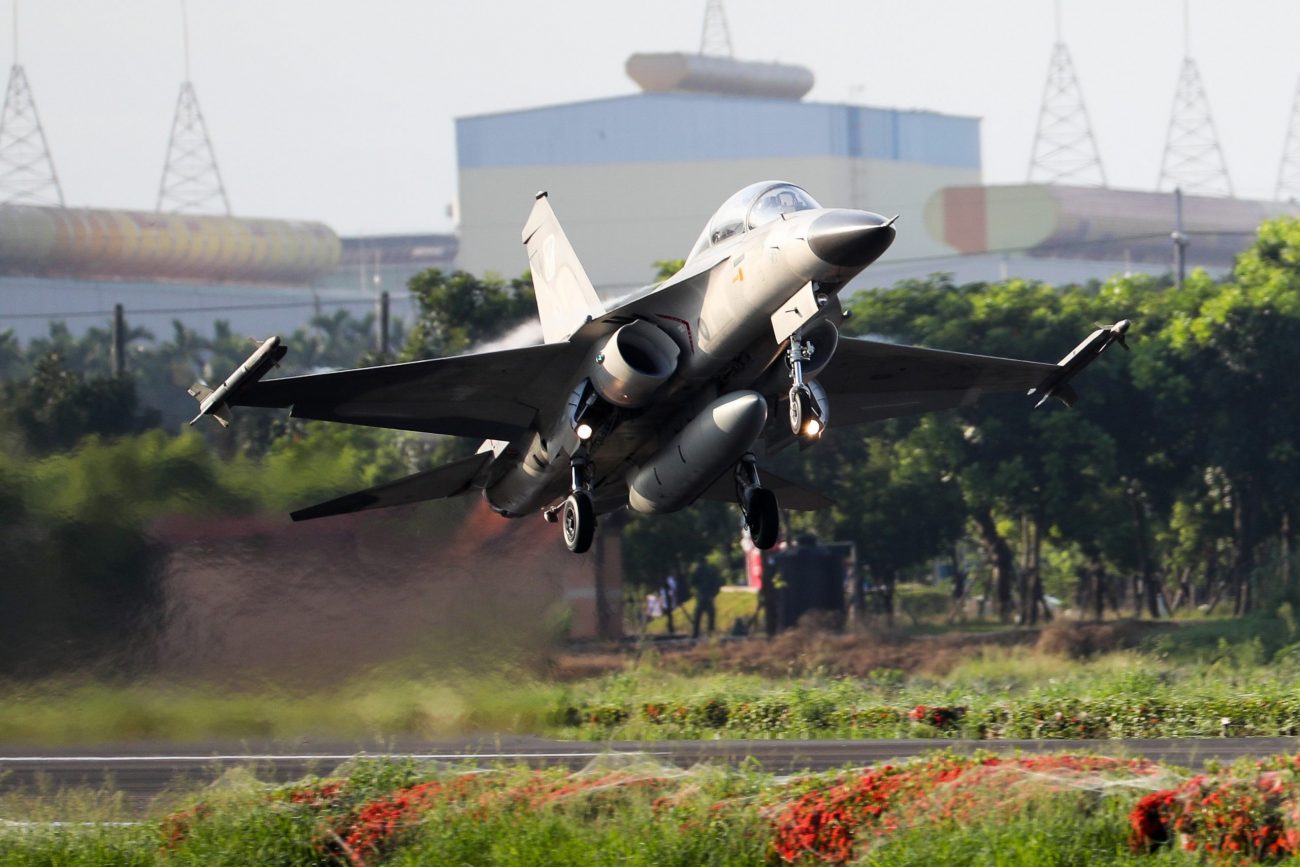
Agile Combat Employment (ACE) is a proactive approach to air power projection at short notice. The concept requires identification of road/highway stretches that have been prepared for possible air operations. These stretches are duly marked for air operations. There are no access roads crossing these stretches. Small aircraft parking and servicing aprons are created at either or both ends. Such aprons would be suitably camouflaged and may be set in forest-like surroundings.
The Command and Control (C2) will be through minimal secure satellite mobile communications. Each launch pad will have man-portable AD systems. It will have a counter-drone capability.
A mobile servicing cum replenishing unit is especially designed for the purpose. This includes vehicles for Fuel, Oils, and Lubricants (FOL), as well as dedicated armament-carrying and loading vehicles.
Normally, their requirement will be to only service around four aircraft at a time. There will be a universal power generation unit for both lighting and powering the aircraft. The storage and replenishment point for these vehicles could be a ubiquitous warehouse in the neighborhood.
It will require minimal manpower. In the event of a major technical problem on the aircraft, the modern fault diagnostic system will transmit information to the major repair base, which could be a few hundred kilometers away. A crack team of specialists would be heli-lifted for further repairs.
Modern fifth-generation aircraft that require conformal carriage would have limitations on the quantum of on-board fuel. They would invariably require aerial refueling. With very long-range aerial missiles, the Flight Refueling Aircraft (FRA) will be forced to maintain a greater distance from the frontline. The ACE concept will be advantageous in that context, too.
Leveraging local commercial markets can alleviate stress on the distribution system. It can thus be seen that the infrastructure requirement is minimal. A cluster of launch pads or contingency locations can be fed by a central logistics and maintenance support center, like a hub-and-spoke setup. Such launch and recovery pads can be built in larger numbers, often at short notice. ACE offers great flexibility. ACE will work well, especially since in a contested environment, air superiority may not be easy to achieve.
Complicate Enemy Targeting
The ACE will certainly complicate the enemy’s targeting process and create operational dilemmas for the adversary. The system will be highly mobile. After forward objectives are achieved, the launch pad can be deactivated. In case of advancing forces, fresh pads can be created ahead. All launch pad relocations will be proactive maneuvers that alter adversaries’ or enemies’ understanding of friendly intentions and capabilities. It will be an aggressive use of mobility and dispersion of forces and assets.
ACE positions the observe, orient, decide, and act (OODA) loop for all domains. It will increase survivability and support reposition forces for follow-on operations. It will also complicate the adversary’s Anti-access and area-denial capabilities. It will create a dilemma and complicate the adversary’s operational response and tempo. This will make targeting by adversaries much more complex and put a premium on timely intelligence.
India’s Highway Operational Landing Strips
All the new expressways being built in the country have 3-kilometer-or-longer straight stretches for IAF aircraft to operate. The stretches have approach paths clear from obstacles as per specifications. The stretches have runway markings exactly as they are at IAF airfields. The side berms have been kept clear of obstructions. The highway pole lights have been replaced with ground-mounted lighting to support aircraft operations.
At the ends of these highway-runway stretches is a larger area where aircraft can turn around. Securing these strips and the IAF assets is being managed by the IAF in close coordination with civil police or even paramilitary agencies. The IAF has been conducting landings and takeoffs on most of these stretches.
Such highway strips are created for use in emergencies and wartime situations, which may render air force bases inaccessible due to bombing or other calamities such as earthquakes, as happened in Bhuj in January 2001. The Indian government has recognized the operational importance of these strips and is now accelerating efforts to build many more. Various government departments could now explore the possibility of greater civil use during calamities.
As of date, India has 44 operational expressways. Most expressways are fit for fighter jet operations. The expressways connecting Jammu and Kashmir, Punjab, Haryana, U.P., Bihar, West Bengal, the northeastern states, Rajasthan, and Gujarat have immediate operational significance due to proximity to borders.
To Summarise
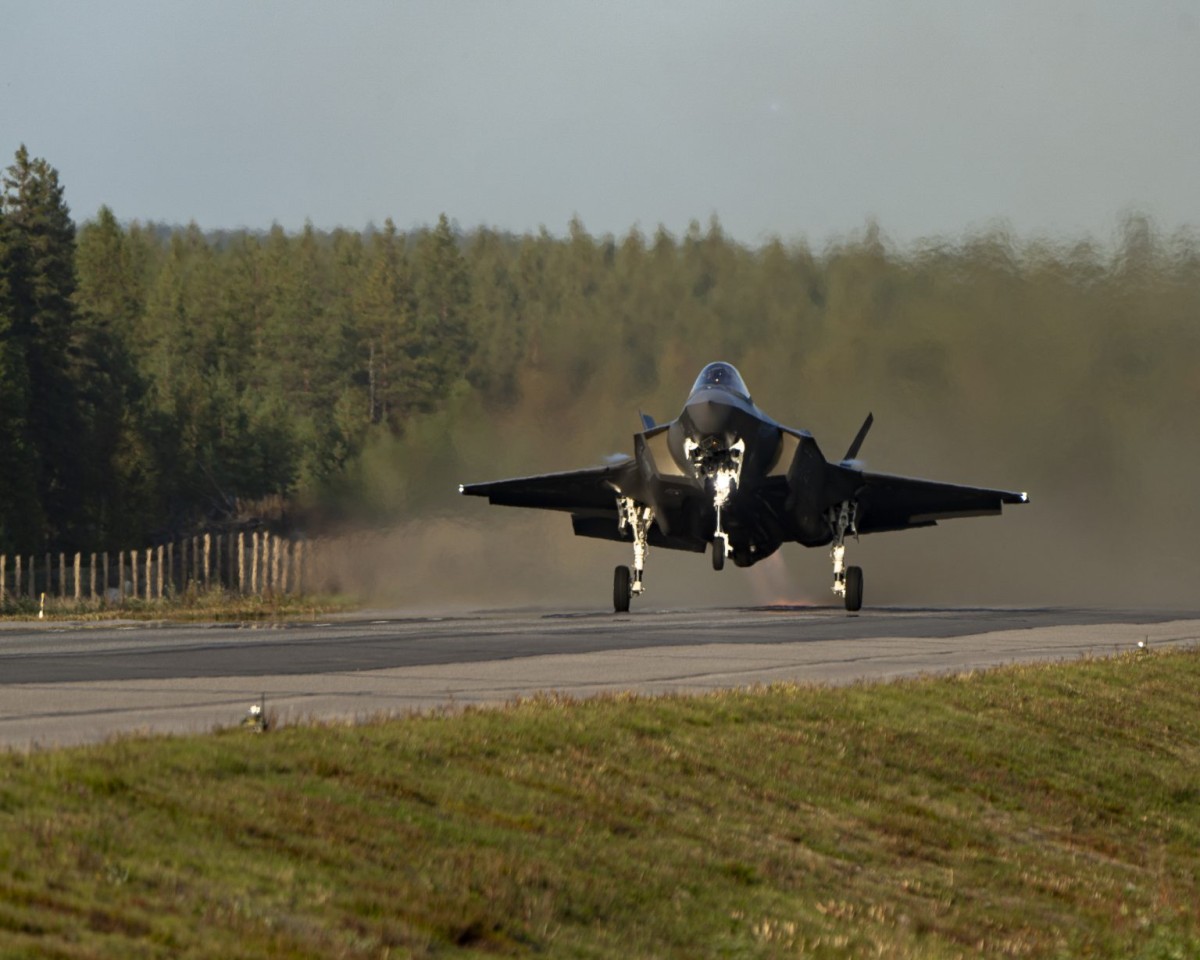
Forward airbases continue to remain relevant in 2026, but their role has shifted from safe, permanent power-projection platforms to highly vulnerable, contested, and fluid operational hubs. While long-range stand-off weapons allow for strikes from a distance, forward bases are essential for sustaining high-tempo operations, providing intelligence, and enabling close air support.
The consensus among military planners indicates that rather than becoming obsolete, forward bases must be adapted to survive in an era of precision-guided munitions (PGMs). Despite the vulnerability, forward bases offer advantages that long-range, rear-based assets cannot fully replicate.
Proximity enables faster turnaround times and more frequent sorties than distant bases, which require longer transit times and extensive aerial refueling.
Forward locations are essential for quick-reaction alerts, intercepting incoming cruise missiles, and protecting regional airspace. Forward bases enable forces to operate within enemy anti-access/area-denial (A2/AD) envelopes, which is crucial for strategy-of-denial scenarios.
They support local surveillance, forward-deployed “sensors and shooters,” unmanned aerial systems (UAS) operations, and ISR networks that feed high-fidelity data into multi-domain, networked kill webs. Vulnerabilities in the age of Long-Range weapons of modern warfare have to be handled.
Long-range precision weapons render geographical distance less protective, placing logistical infrastructure at risk. Defending against sophisticated missile threats is expensive and demands a mix of active defenses and passive resilience.
Basing doctrine is evolving quickly. To remain relevant, air forces are adopting new strategies to ensure that forward bases remain functional “under fire.” Dispersal and mobility are the buzzwords.
Moving away from reliance on one or two large bases toward distributing aircraft among many small, austere, and flexible operating sites. Forward bases are being integrated with rapid, expeditionary techniques for operating from temporary “non-traditional” surfaces. The concept of ACE operations must be put in place and deployed regularly.
Installing hardened shelters, developing rapid runway repair capabilities, using decoys, and creating underground infrastructure are important. Airbases in the sub-continent, like Pathankot, Lahore, Nyoma, and Amritsar, are very close to the border and well within artillery shelling range. But so is the Chinese Lhunze Airbase (Tibet), located approximately 40 km from the LAC, which has 36 hardened aircraft shelters for fighters and drones. Nyingchi Mainling Airport (Tibet) is located about 15 km from the border and serves as a key dual-use military node with rapid transit access for forces and nearby garrisons.
Large strategic assets such as AEW&C and FRA must be kept at airbases beyond 400 kilometers, and only selectively brought forward. Major fighter airbases must be at least 100 kilometers apart. Helicopters must be moved to FARPs or dispersed in hidden, camouflaged places.
Drones’ bases can be as forward as possible. Air Defense must be mobile and move fairly forward. Hardened shelters are a must. Aside from antennas, most radar assets must be moved underground or into hardened shelters.
Forward airbases are no longer “fortresses” but high-risk, high-reward assets. In 2026, they are crucial for providing rapid, persistent combat power that stand-off weapons cannot fully achieve alone, but they must be designed to survive in a highly contested, long-range weapon environment.
- Air Marshal Anil Chopra (Retired) is an Indian Air Force veteran, fighter test pilot, and ex-director-general of the Center for Air Power Studies. He has been decorated with gallantry and distinguished service medals during his 40-year tenure in the IAF.
- ARTICLE MODIFIED WITH LATEST DATA
- THIS IS AN OPINION ARTICLE. VIEWS PERSONAL OF THE AUTHOR
- Follow EurAsian Times on Google News