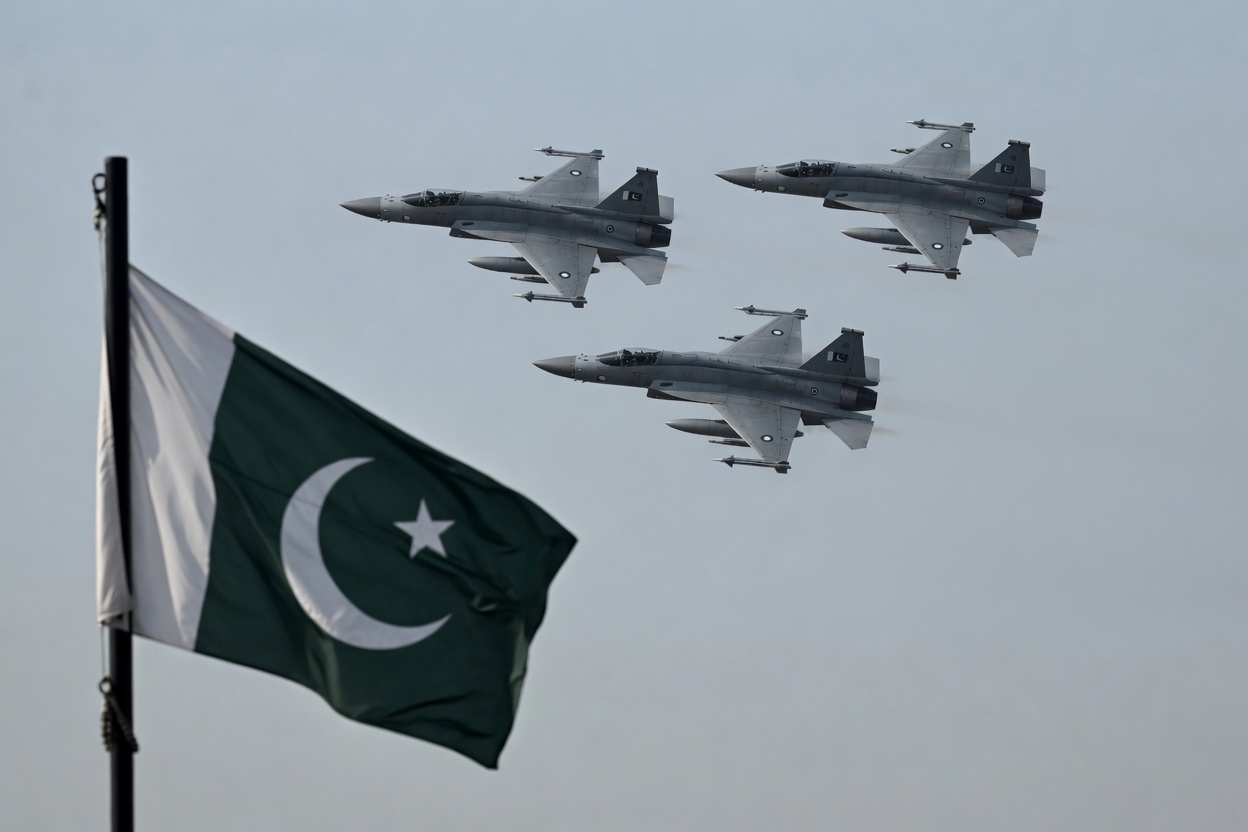
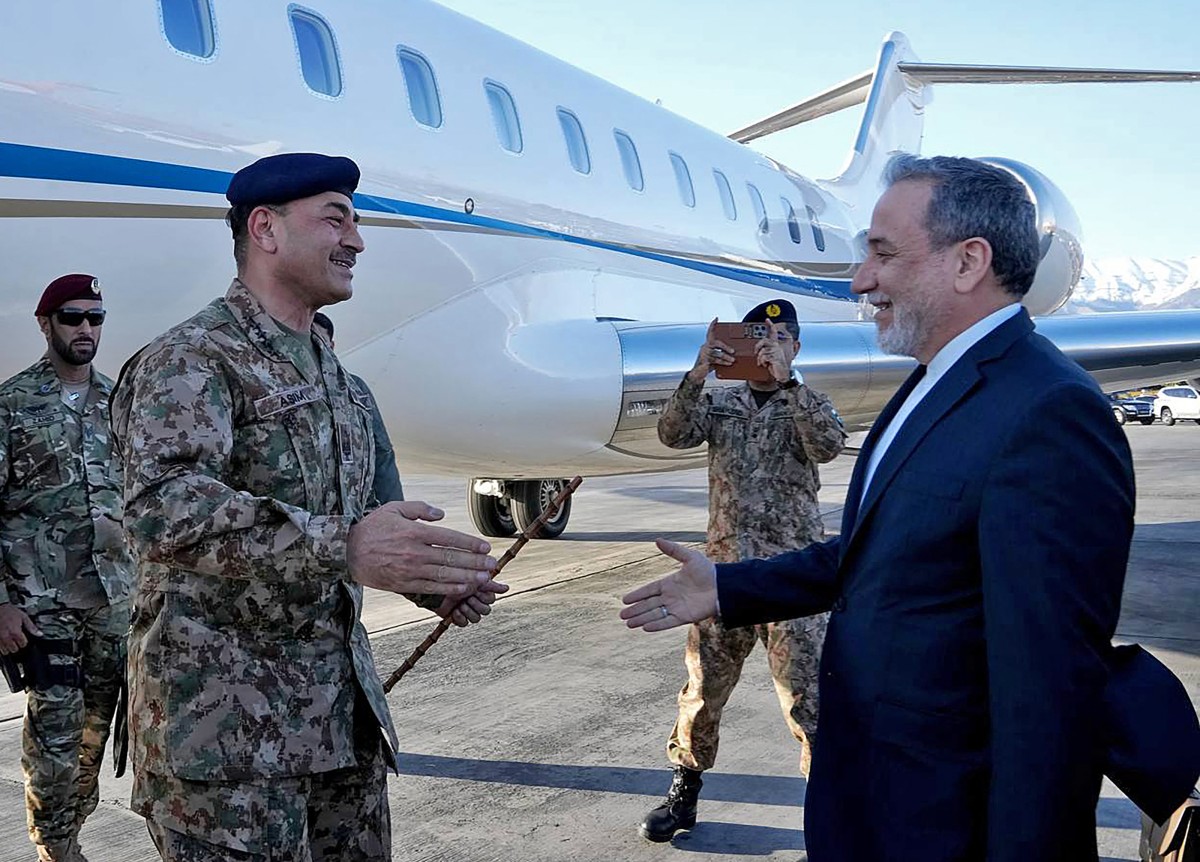
The Pakistan Army, with Field Marshal Asim Munir at the helm, has received unprecedented international media attention and global spotlight. So much so that a few Pakistani bloggers and social media enthusiasts started to flaunt their Pakistani passports, as Islamabad was hosting the US-Iran peace talks.
The global attention on a nuclear-armed but financially drained country appears to have overwhelmed many overseas citizens of the country. A British citizen of Pakistani origin living in Saudi Arabia told the author, “For the 1st time, I feel proud to be a Pakistani.”
From its smartly choreographed “victory” campaign after India’s Operation Sindoor in May 2025, backed not just by international media but also by President Trump, to its unexpected mediation role in the US-Iran ceasefire (despite Israeli opposition), and finally to the defense treaty with Saudi Arabia, it’s all happening for Pakistan.
Despite gaining tremendous international recognition and all the diplomatic photo-ops, the Munir-led Pakistan Army remains incapable of addressing its domestic turmoil, i.e., the relentless wave of terror attacks in the country.
As EurAsian Times reported, according to the Global Terrorism Index 2026, Pakistan has, for the first time, topped the list of countries most affected by terrorism. “Pakistan was the country most impacted by terrorism this year, the first time it has been ranked at number one on the Index. It has been ranked among the ten countries most impacted by terrorism every year since the inception of the Index,” the report said.
Khyber Pakhtunkhwa and Balochistan accounted for a staggering 74 percent of these attacks and 67 percent of the fatalities. The Tehreek-i-Taliban Pakistan (TTP) and the Balochistan Liberation Army (BLA) have wreaked havoc on the Pakistani military and have, in fact, grown bolder, more sophisticated, and more lethal.
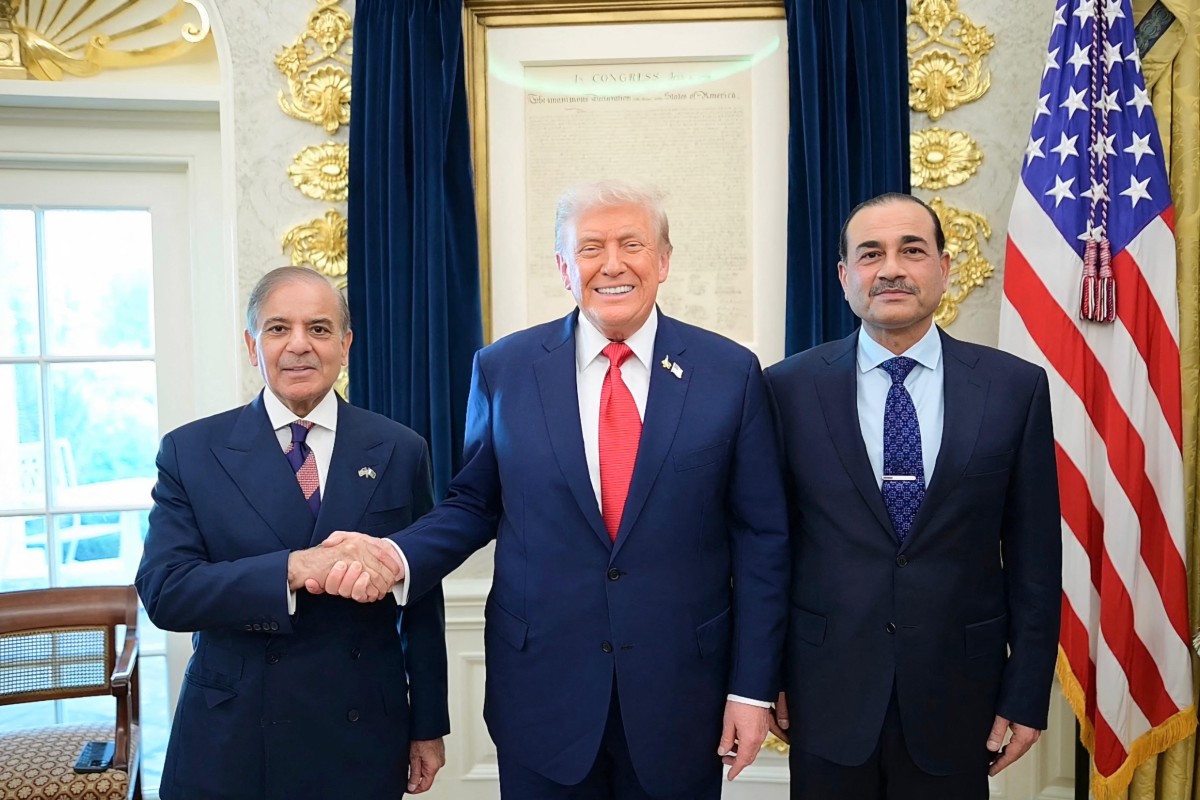
In Khyber Pakhtunkhwa, TTP suicide bombers and gunmen continue to strike army posts, police convoys, and even cadet colleges with near impunity. Even as Pakistani soldiers were being airlifted to Saudi Arabia to “defend” the Kingdom of Saudi Arabia, TTP militants were overrunning Pakistani military checkposts and butchering the soldiers.
While Asim Munir’s army was busy projecting power and hogging the media limelight — mediating between the US and Iran, dispatching fighter jets and troops to Riyadh — it was shockingly losing ground at home to the very militant groups it once nurtured.
Since the outbreak of the US-Iran conflict in late February 2026, terror attacks within Pakistan have not only continued but also intensified in several regions, especially the ones bordering Afghanistan.
Earlier this year, the Balochistan Liberation Army (BLA) carried out one of its most coordinated attacks in years, launching strikes across at least nine districts, including the capital Quetta and port city of Gwadar. The attacks targeted police stations, banks, markets, and security installations, killing dozens of civilians and soldiers.
In February 2026, a major suicide bombing struck a Shia mosque in Islamabad, killing at least 31 worshippers. The attack, one of the deadliest in the capital in recent years, was widely attributed to ISIS-Khorasan. In March–April, the TTP accelerated attacks in KP, with multiple suicide bombings and ambushes on army convoys and police posts. In one notable incident in April, a car bombing at a police post in Fateh Khel killed over 20 officers.
In a very rare incident, the Baloch insurgents also ambushed a Coast Guard patrol near Gwadar, killing three officials. It was the first recorded incident of the BLA attacking a Pakistani maritime vessel.
Mayhem in May
On May 7th, six people, including two children, were killed when mortar shells hit a market in northwestern Pakistan. The attack took place in the Thall area of Hangu district in the province of Khyber Pakhtunkhwa, which borders Afghanistan.
On May 10th, Militants detonated a car bomb at a checkpoint in Khyber Pakhtunkhwa and opened fire on police, killing at least 15 and wounding three. “Last night in the Fateh Khel area of Bannu, a suicide bomber rammed an explosives-laden vehicle into a police checkpoint, after which multiple militants entered the post,” Bannu police official Muhammad Sajjad Khan told AFP. Gunmen stormed the police checkpost after the car blast, opening fire, according to officials who said they also used small drones in the attack.
On May 12th, a suicide bomber in a three-wheel vehicle laden with explosives killed at least nine people and wounded 34 others in Khyber Pakhtunkhwa. According to reports, the suspected suicide attacker approached the two traffic police officers stationed at the checkpoint before blowing himself up,” senior police official Muhammad Sajjad Khan told AFP.
On May 14th, at least five soldiers and seven militants were killed in clashes in Balochistan. An improvised explosive device detonated near a convoy of paramilitary Frontier Corps troops and was followed by a clash with militants, they said. “Five soldiers were killed, and another was critically wounded,” a senior official told AFP.
On May 15th, militants attacked a security compound in northwest Pakistan with an explosives-laden truck and gunfire, killing at least nine paramilitary officers. “In the attack, nine paramilitary officers and 10 militants were killed,” a senior security official in Peshawar said, adding the attackers drove the explosives-loaded vehicle into the compound’s gate.
Clearly, while Field Marshal Asim Munir’s forces project strength abroad — be it in Riyadh or in brokering talks in Islamabad — they are struggling to secure their own cantonments and border regions.
- Nitin holds a double master’s degree in Journalism and Business Management from the University of Glasgow. He has over 20 years of global experience in Marketing & Communications, Journalism, and Digital Marketing, and has worked & traveled widely across Europe, the Americas, and Asia. Nitin is the Editor of the EurAsian Times.
- VIEWS PERSONAL OF THE AUTHOR.
- He can be reached at editor (at) eurasiantimes.com