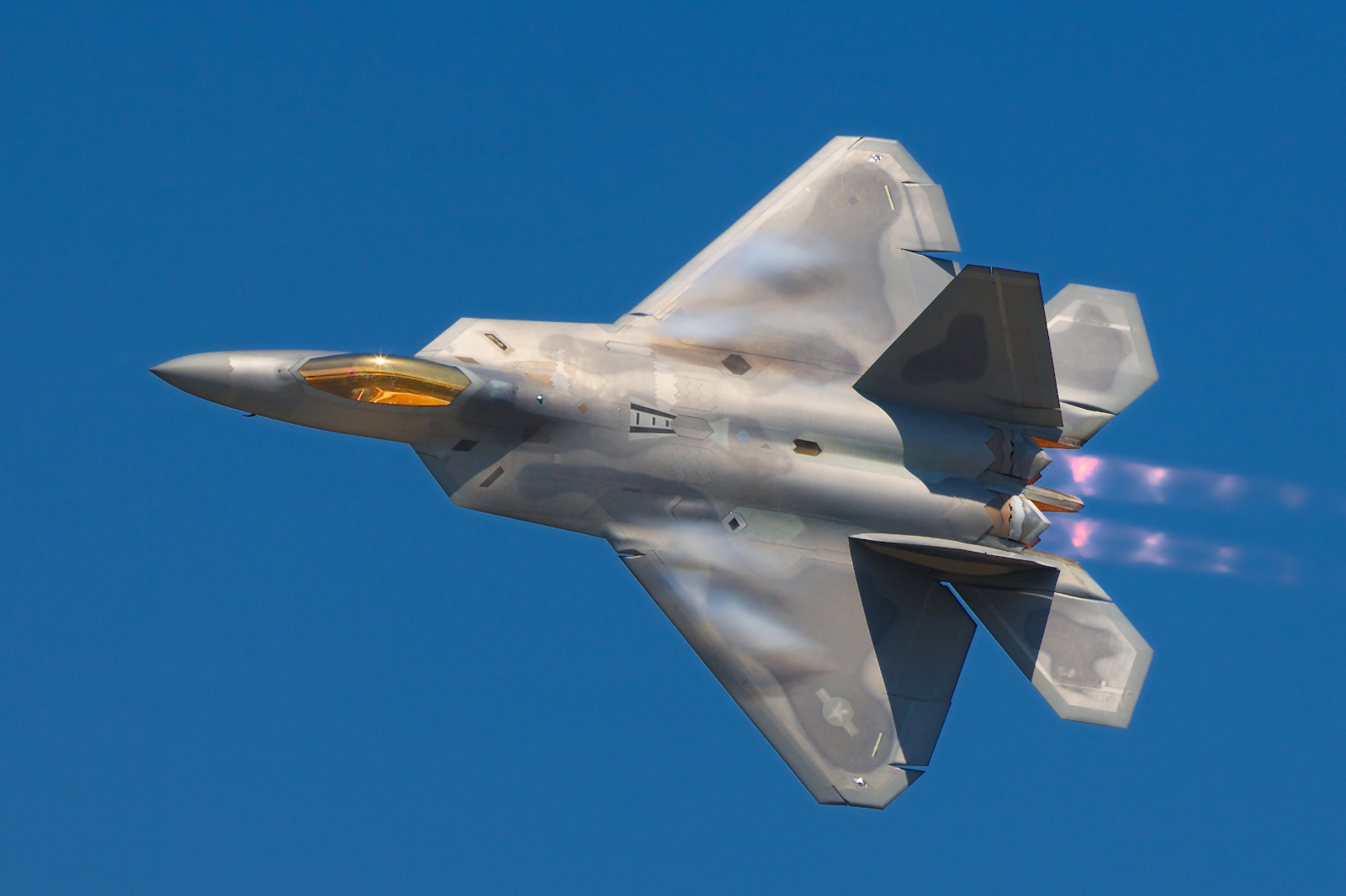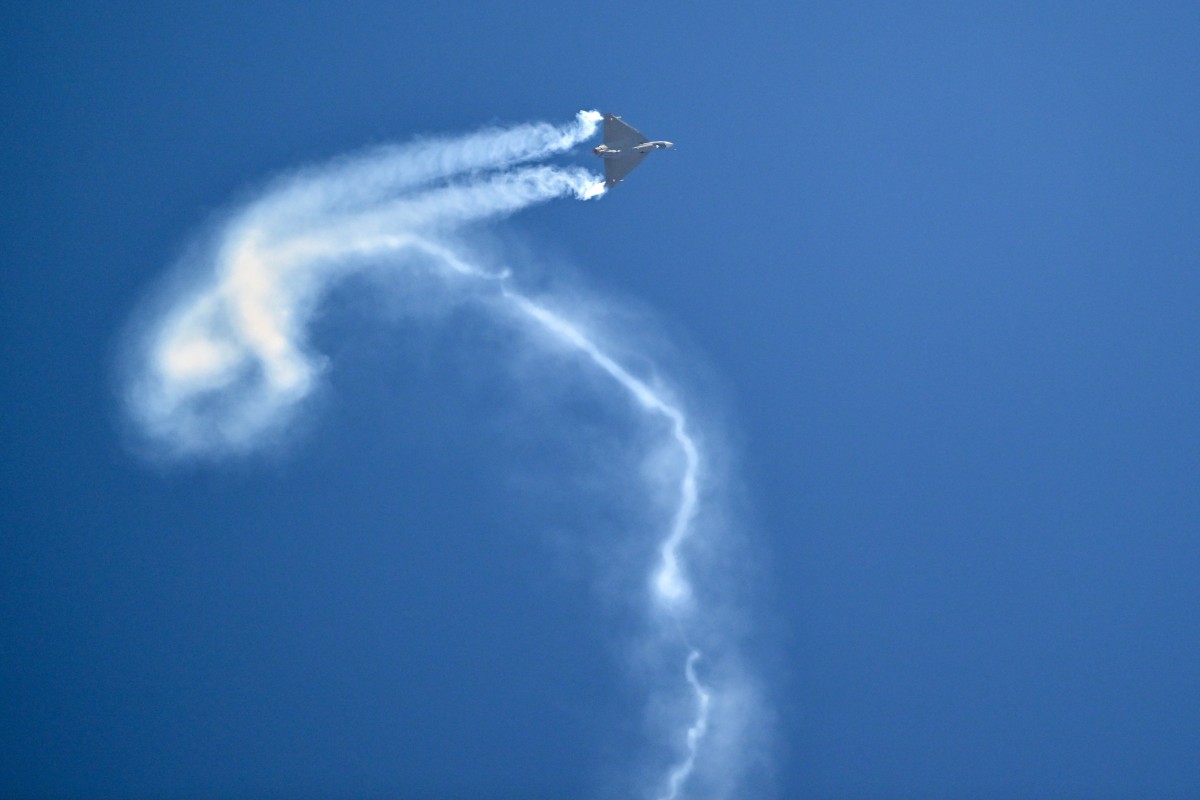


After outrightly rejecting interest in acquiring the S-400 Triumf AD system from Russia, new reports indicate Iran is keen to rebuild its air defense network with Russia’s system.
Iran and Russia are in talks over a deal to deliver advanced air defense systems to Tehran, The Telegraph reported, citing an Iranian official, who expressed “optimism” over obtaining a green light for the S-400 from Russian President Vladimir Putin. The official told the publication that Iran dispatched its security chief, Mohsen Rezaei, to the Kremlin this week, with a personal letter from Supreme Leader Mojtaba Khamenei.
After the meeting, Rezaei said they discussed important regional issues and “significant conversations… regarding the post-war period and regional security arrangements.” However, he did not disclose any discussions regarding potential arms transfers.
Nonetheless, a secret Iranian parliamentary committee had recommended strengthening military ties with Russia and China before the country was attacked by the United States and Israel in February this year, according to some confidential documents obtained by the Telegraph. The document emphasized building “strategic relations, especially military ones” with Moscow and Beijing, and bolstering Iran’s “air defense, missiles and drones.”
The timing of the alleged S-400 discussions is noteworthy, especially since it comes days after Brigadier General Mohammad Akraminia, spokesman for the Islamic Republic of Iran Army, said that Iran has completed the purchase of Russian Sukhoi Su-35 fighter jets and expects to receive them after the war with the US ends, as the EurAsian Times reported.
In the past few years, Iran has rapidly expanded military cooperation with Russia, recently driven by the supply and technology transfer of Shahed-class drones, which have been instrumental in Moscow’s sustained war against Ukraine.
This week, a leaked defense industry document revealed that Russia had arranged to supply Iran with 90 launchers for the LMUR, a guided missile fired from attack helicopters, which Russian forces have used extensively against Ukrainian targets, under an export contract designated “K-10,” The Guardian reported. The documents did not disclose whether the deliveries—originally slated for late 2024 and December 2025—were made.
Moreover, reports citing US intelligence earlier this year revealed that Russia was helping Tehran with intelligence and satellite imagery amid the peak of hostilities between Iran and the United States, which apparently enhanced Iranian targeting of US assets in the region.
In 2024, Davood Sheikhian, deputy for operations of the IRGC Aerospace Force, said Iran had not requested Russia’s S-400 air defense system, emphasizing the superior capabilities of Tehran’s domestically developed air defense systems.
“Our current systems offer far superior capabilities compared to the S-400,” Sheikhian told Iranian state media. He added that Iran is also actively using the Russian-made S-300 system and sees no need for the S-400.
In 2025, the Iranian ambassador to Russia rejected the possibility of acquiring Russian S-400 systems and said: “Someone needs to provide a document proving that the Islamic Republic of Iran requested to buy the S-400 from Russia.”
Meanwhile, Iranian Ambassador to Moscow Kazem Jalali emphasized that Iran has never requested Russia to deliver the S-400 air defense system. In an interview aired on Iranian local TV, Jalali referred to Russia’s stance during the 12-day war imposed by Israel and the United States, stating: “From day one, we saw Russia take strong and decisive positions against the Zionist regime. The country issued three statements and also took specific stances at the Security Council.”
Iran Wants S-400 For Defense & Deterrence
Iran already operates the Soviet-era S-300 air defense obtained in 2016, which makes the S-400 an obvious upgrade. An Iranian delegation reportedly visited a Russian defense plant in 2023, where it examined S-400 production.
The S-400 is widely combat-tested and has been widely deployed by Russia to protect strategic assets and civilian infrastructure. Additionally, the system performed well in India during the May 2025 Indo-Pakistan conflict, where it reportedly downed multiple Pakistani JF-17 fighter jets as well as an AWE&C or a similarly large aircraft.
The S-400’s exceptional mobility was a key element of its success in India, as a detailed EurAsian Times analysis previously explained. Even when Pakistan identified the system’s locations—likely using Chinese satellite intelligence—Indian crews were able to relocate them rapidly.
Iran’s pursuit of the S-400 suggests that it is rebuilding its long-range air defense network that was severely degraded in the initial days of the war launched by the US and Israel on February 28. These losses left Iran unable to effectively protect its leadership and high-value targets, and allowed enemy aircraft to operate in its airspace with full impunity.
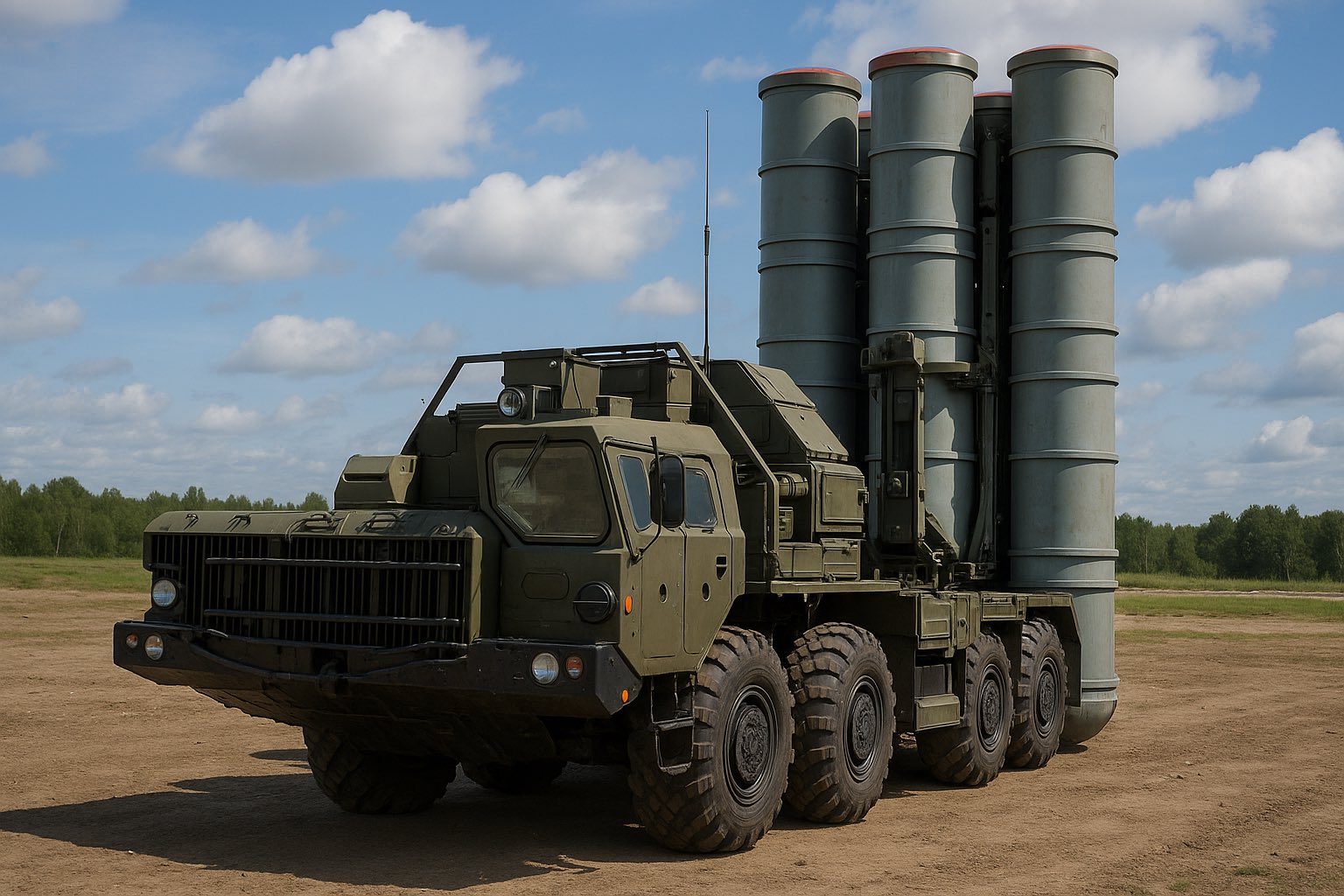
This is where the S-400 comes in. It can detect and engage aircraft, cruise missiles, and some ballistic missiles at ranges well beyond older Iranian systems. Thus, acquiring this system would restore a degree of long-range air denial that Iran currently lacks and likely deter enemies.
An S-400 capability would raise the cost of any renewed air campaign by forcing adversaries to devote more resources to electronic warfare, standoff munitions, and suppression of enemy air defenses (SEAD). In fact, even a limited number of batteries would complicate US planning for strikes on Iran.
Rezaei’s public comments after meeting Putin emphasized discussions of the “post-war period and regional security arrangements.” This essentially signals a dual purpose: the immediate reconstitution of defensive coverage, and longer-term deterrence against future US or Israeli operations.
S-400: Not Easy To Obtain
Russia has been fighting a war at home for nearly five years, with Ukrainian long-range drones and missiles heavily straining its air defenses and targeting refineries, airbases, and other critical infrastructure. Currently, it is believed to have limited surplus S-400 batteries, launchers, radars, and especially interceptors to spare for export.
In June this year, the Russian military started extracting these air defense systems from across the country and deploying them to strategic locations amid a sharp rise in long-range Ukrainian attacks, as the EurAsian Times reported. Not just that, Ukrainian sources indicated earlier this year that Moscow was drawing export-version missiles originally intended for foreign customers for its own operations amid shortages.
Although these reports could not be independently verified, the Russian air defense inventory has been under pressure amid relentless Ukrainian attacks.
With no end to the Ukrainian conflict in sight, supplying Iran with S-400 at this stage could be a zero-sum choice for Moscow, since every battery diverted to Iran would be one less available for Russia’s own defense.
Moreover, supplying S-400 systems to Iran could affect deliveries to other customers, most notably India, which ordered five S-400 regiments and has faced delivery delays due to disruptions caused by the war in Ukraine. In addition, India’s Defense Acquisition Council has granted Acceptance of Necessity (AoN) for five more S-400 systems, meaning the prospect of an additional order is on the table.
Against that background, a large or accelerated S-400 package for Iran could compete for the same production resources and potentially push back timelines for additional systems to India.
Russia may also exercise caution in committing to providing S-400s to Iran since the West Asian country has historically struggled to finance large, high-end procurements due to sanctions, budget constraints, and economic pressures. Moreover, sanctions, wartime damage, a US-imposed counter-blockade, and additional pressure under the Trump administration have significantly amplified Tehran’s economic woes, raising questions about its ability to finance multi-billion-dollar systems.
Another factor that could potentially hinder S-400 deliveries to Iran is the threat of upsetting the United States, especially when President Trump is trying to end the Ukraine war. Providing Iran with a high-end system capable of challenging US operations could escalate tensions or force Russia into unwanted regional confrontations.
Iran, on its part, would also face considerable challenges in turning the S-400s into a meaningful, survivable capability and would face major practical obstacles. Integrating the S-400 into Iran’s existing degraded network, training crews, ensuring radar and command compatibility, and protecting the systems themselves under continued threat from hostile stealth aircraft could prove challenging.
Furthermore, because attacks have already weakened the current air defense network, a small number of these units is unlikely to significantly improve Iran’s air defense capabilities.
The S-400s can protect particular industries or high-value locations. However, it cannot provide continuous, nationwide coverage against a dedicated, multi-axis campaign that employs stealth aircraft, electronic warfare, decoys, and stand-off weapons.
Succinctly, the S-400 is unlikely to be a silver bullet for Iran in the near term. It would, however, meaningfully strengthen Iranian defenses over the longer term and fit Tehran’s broader effort to rebuild military capacity and deter future operations. Whether Russia can or will supply the systems amid its own pressing needs remains to be seen.
- Contact the author at sakshi.tiwari13 (at) outlook.com
- Follow EurAsian Times on Google News