Amid the Iran War and a record US$1.5 trillion defense budget, a host of legacy US Air Force (USAF) aircraft are ‘cheating death’ to return to active service.
The USAF has changed its plans regarding the future fate of the Rockwell B-1B Lancer, B-2 Spirit bomber, and A-10 Warthog fleets, even as it runs an extensive modernization program to keep its B-52 Stratofortress fleet in service until the 2050s or 2060s.
The USAF had earlier planned to retire the B-1 Lancer and the B-2 Spirit bomber fleet by the early 2030s, and the A-10 Warthog by around 2026–2029.
However, the service now wants to keep these legacy aircraft in service longer, at least till late 2030s.
In fact, the USAF has even regained a B-1 Lancer bomber it had previously retired.
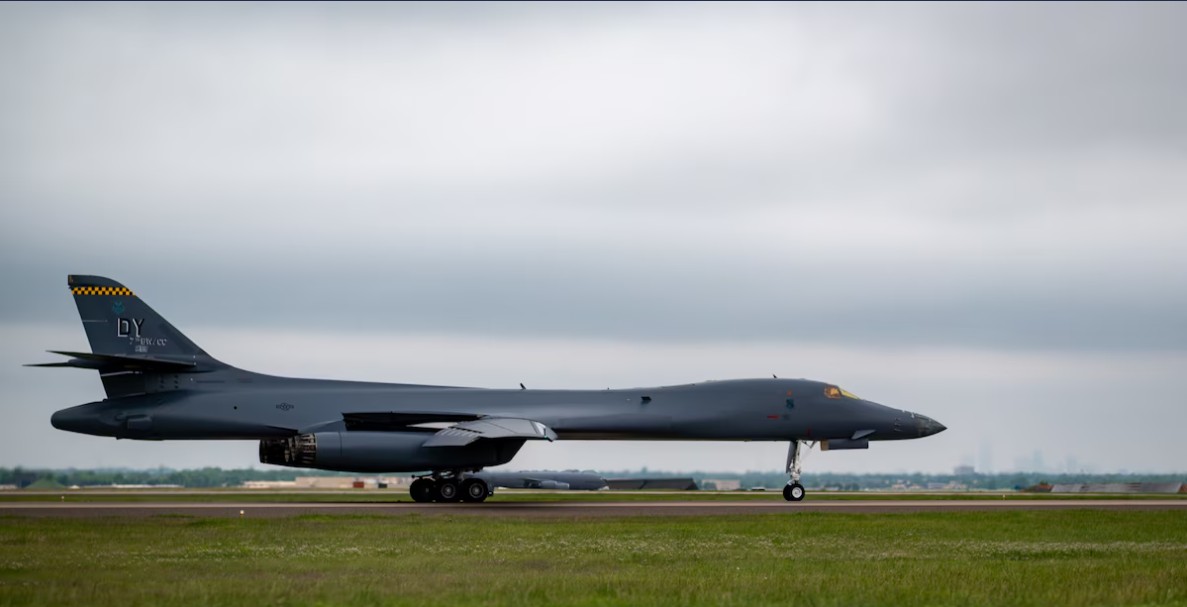
On May 6, the USAF announced that a B-1B Lancer, once parked in the Arizona desert, is back in the air after an intensive regeneration and depot maintenance effort led by the Oklahoma City Air Logistics Complex at Tinker Air Force Base.
The aircraft departed Tinker Air Force Base on April 22, following nearly two years of work to return it to combat-capable status after time in Type 2000 storage at the 309th Aerospace Maintenance and Regeneration Group at Davis-Monthan Air Force Base—commonly known as the “boneyard.”
A retired aircraft is sent to Type 2000 storage when it must be maintained in a way that makes it easier to return to active service should a need arise due to combat losses or accidents.
The B-1B Lancer that returned to service, serial number 86-0115, formerly known as ‘rage,’ was one of the four B-1Bs placed into this storage.
The B-1B Lancer originally arrived at the boneyard in 2021. It was one of the 17 B-1Bs, which were retired in 2021 and sent there.
Four of these B-1Bs were placed in Type 2000 storage.
The 17 B-1Bs were retired in 2021 to consolidate the B-1 fleet from 62 to 45 aircraft to help improve overall readiness rates and direct funds toward its replacement program, the sixth-generation stealth bomber, the B-21 Raider.
Jason “JJ” Justice, a technical analyst with Tinker’s B-1 Systems Program Office, said that the aircraft’s return marks a rare full-circle moment.
“I’ve been on this jet for 32 years,” Justice said. “To see it come back and still support the warfighter is a great feeling.”
More than 200 Airmen and civilians from the 567th Aircraft Maintenance Squadron worked extended shifts completing system overhauls and structural repairs to return the bomber to active service.
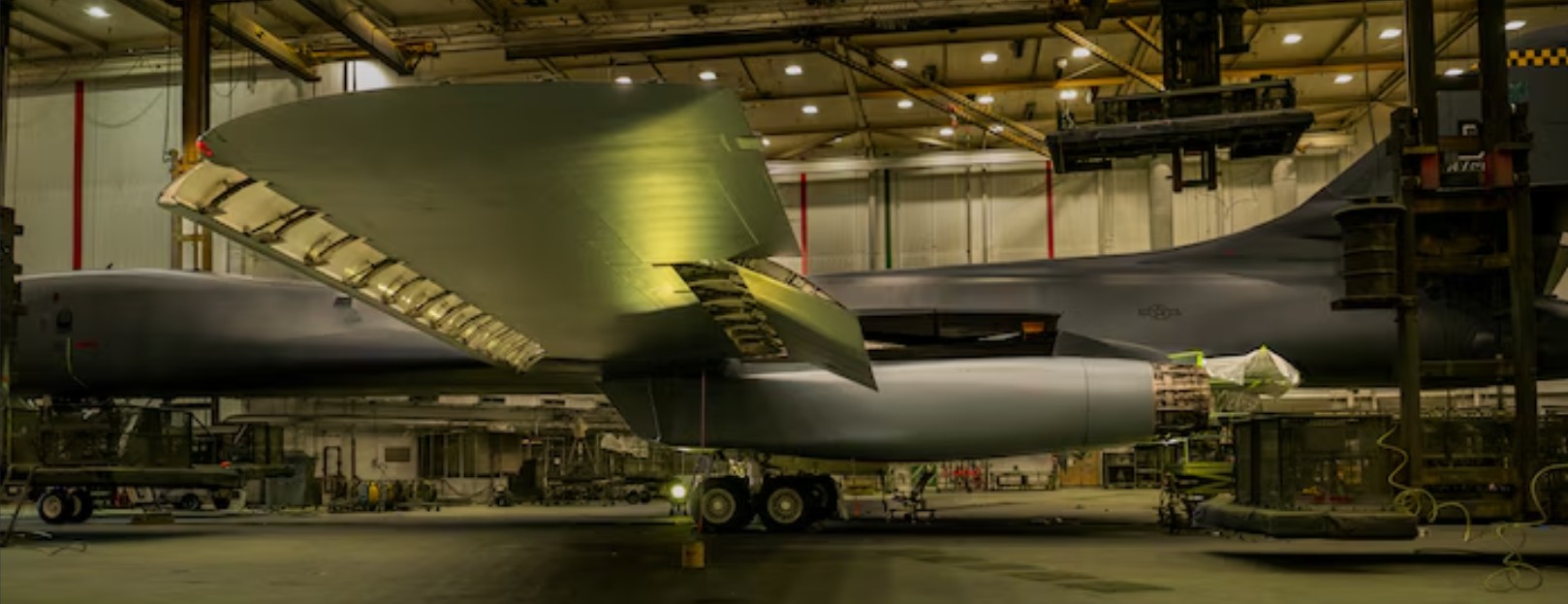
In total, they replaced more than 500 components.
Before returning the bomber to active service, pilots from Tinker’s 10th Flight Test Squadron flew the aircraft in a stripped, bare-metal configuration over Oklahoma and conducted functional check flights to validate systems and performance.
Once the aircraft passed these flights and was deemed Fully Mission Capable, it moved to the final phase of the regeneration process: the paint facility.
The aircraft has since returned to Dyess Air Force Base, where it rejoined the fleet with a new name – Apocalypse – and nose art marking its restoration.
The regeneration effort comes as the Air Force continues modernizing its bomber fleet while sustaining legacy platforms critical to current operations.
The B-1A was initially developed in the 1970s as a replacement for the B-52. Four prototypes of this long-range, high-speed (Mach 2.2) strategic bomber were developed and tested in the mid-1970s.
The B-1B is an improved variant initiated by the Reagan administration in 1981.
The first production B-1 flew in October 1984, and the first B-1B was delivered to Dyess Air Force Base, Texas, in June 1985. Initial operational capability was achieved on Oct. 1, 1986. The final B-1B was delivered on May 2, 1988.
The USAF retired 17 B-1B Lancers in 2021, reducing the bomber fleet to 45. The service intended to retire the fleet by the 2030s; however, the aircraft will now remain in service till at least 2037.
The service extension was necessitated by delays in the B-21 Raider program and by the impressive performance of the B-1B Lancer in the recent Operation Epic Fury. The bomber’s unmatched capacity to ferry large payloads is particularly important to the USAF.
At the same time, the USAF is also envisioning new roles for the nearly five-decade-old bomber. Earlier this week, a B-1B Lancer was pictured armed with an AGM-183 Air-launched Rapid Response Weapon hypersonic missile, or ARRW.
The Air Force now also wants to develop an improved version of the ARRW and a separate air-launched ballistic missile (ALBM). The B-1B Lancer could be associated with both these efforts.
The US Congress has mandated that the USAF maintain a fleet of at least 45 B-1B Lancers.
The fiscal 2027 documents have allocated US$342 million to maintain operations and modernize the B-1 bomber fleet over five years starting in 2027.
However, the B-1B Lancer is not the only legacy bomber whose service life the USAF is actively extending.
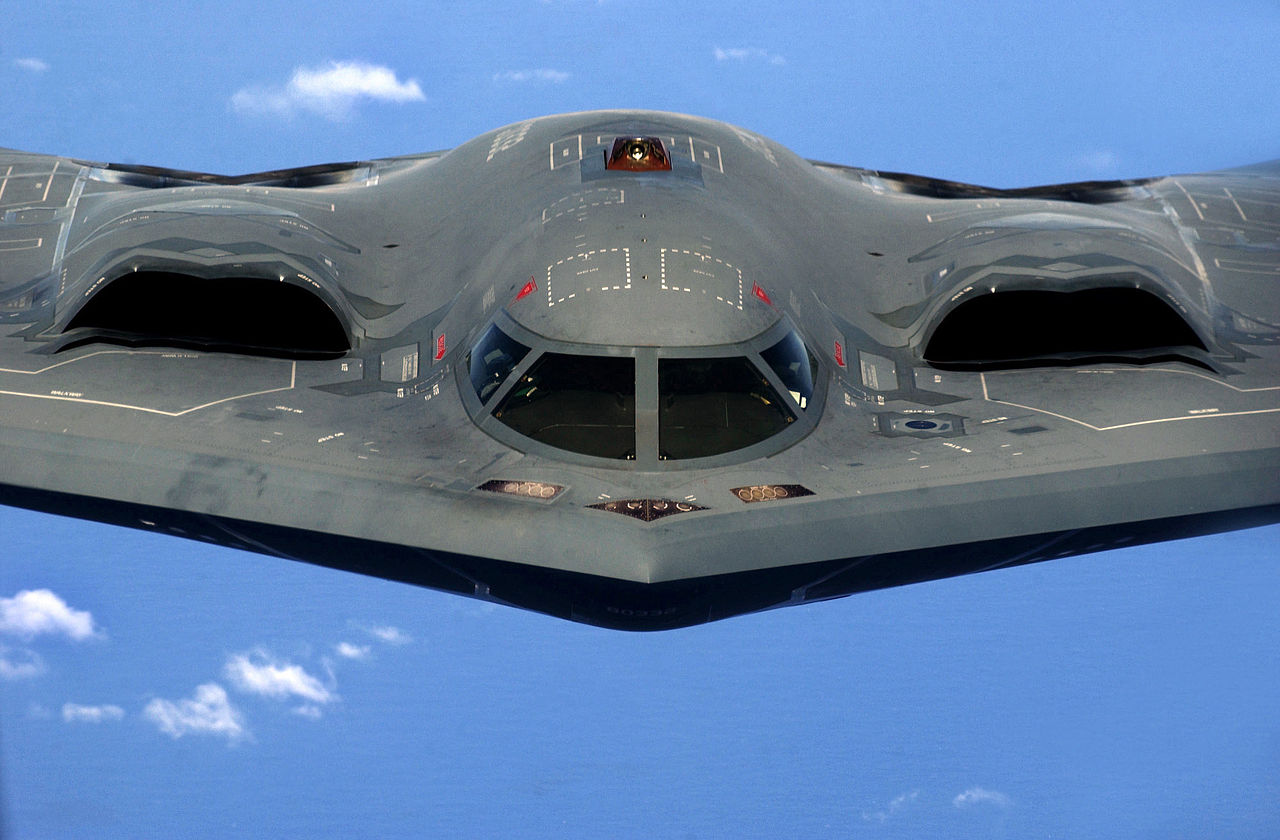
B-2 Spirit Fleet Lifespan Extended
The budget document has also allocated US$1.35 billion to maintain the B-2 Spirit fleet over the next five years.
U.S. Air Force Global Strike Command has emphasized that B-2s will be operated as long as there’s a need for these bombers, even after the newest B-21 Raiders are adopted.
According to the Air and Space Forces Magazine, these decisions are connected with two factors. First, the B-1B Lancer and B-2 Spirit bombers proved themselves effective during Operation Epic Fury in Iran.
Second, the largest defense budget in U.S. history in 2027 (US$1.5 trillion) allows the service to be more flexible and to support various fleets simultaneously, rather than being forced to prioritize one.
Furthermore, according to the 2027 budget documents, obsolete F-22 Block 20 versions, previously slated for retirement, will be maintained longer.
Similarly, plans to retire several dozen F-15C/Ds and three A-10 Warthog squadrons have been dropped.
Simultaneously, the USAF is also running an ambitious engine modernization plan for the B-52 Stratofortress fleet.
The USAF To Fly B-52s For Over 100 Years
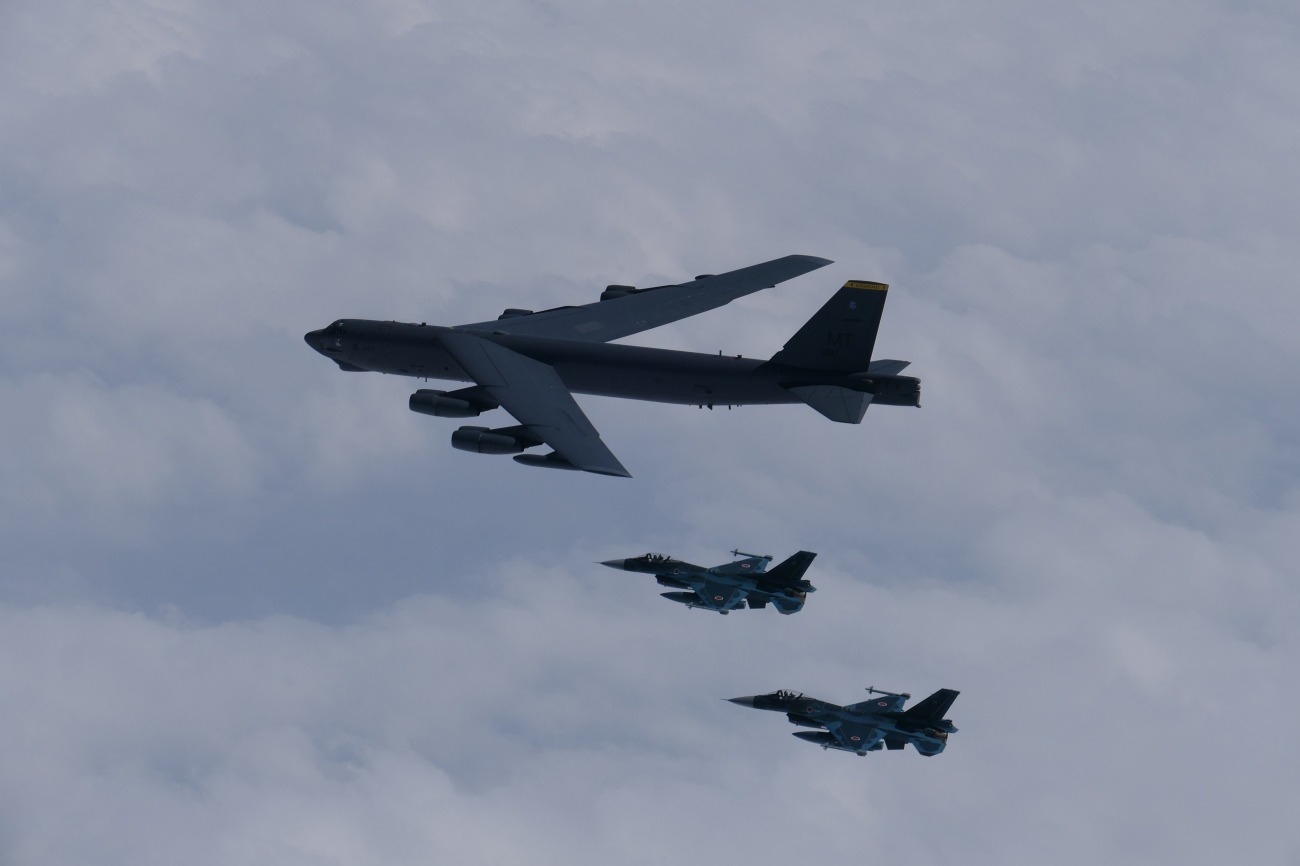
The USAF currently maintains a fleet of 76 B-52H bombers. These bombers will be upgraded to the B-52J variant, with new Rolls-Royce F130 engines, to extend their service life to nearly 100 years.
The long-awaited engine upgrade effort for the bombers is also known as the Commercial Engine Replacement Program (CERP).
Earlier this week, the USAF announced that the first B-52 to receive new F130 engines is set to be delivered to Boeing’s facility in San Antonio, Texas, to begin the modification process later this year.
“This CERP critical design review is the culmination of an enormous amount of engineering and integration work from Boeing, Rolls-Royce, and the Air Force that will enable the B-52J to remain in the fight for future generations,” Air Force Lt. Col. Tim Cleaver, the CERP Program Manager within the Bombers Directorate at AFLCMC, said in a statement.
“It’s that point that you go from having a concept turned into a design, to then turning that design into something physical – something that we will test and field for Air Force Global Strike Command.”
“The review marks the conclusion of years of detailed design work and a series of ‘dry runs’ between the Air Force and its industry partners to ensure all issues were addressed ahead of the formal review,” according to an AFLCMC release.
“The upgrade also includes new subsystems, such as a modern generator for each engine, which will significantly increase the aircraft’s electrical power capacity to support future capabilities.”
“Following this initial work, the two modified B-52J test aircraft will undergo extensive testing at Edwards AFB, California to validate the new systems. Once testing is complete, the program will move toward modifying the remainder of the B-52H fleet.”
After the engine upgrade program, the USAF will maintain the B-52 fleet until the 2050s to 2060s.
Notably, the B-52s entered USAF service in 1955, and they will remain in service even after the USAF’s sixth-generation stealth bomber, the B-21 Raider, enters service.
It seems that even as new sixth-generation jets enter service and drone warfare changes the very nature of aerial warfare, the USAF has still not found replacements for its legacy long-range bomber fleet.
- Sumit Ahlawat has over a decade of experience in news media. He has worked with Press Trust of India, Times Now, Zee News, Economic Times, and Microsoft News. He holds a Master’s Degree in International Media and Modern History from the University of Sheffield, UK.
- VIEWS PERSONAL OF THE AUTHOR.
- He can be reached at ahlawat.sumit85 (at) gmail.com