The participation of the Japanese combat troops for the first time in a multinational military exercise called “Balikatan 2026”, which concluded today (May 8), seems to have revived a debate among the Indo-Pacific strategic elites on whether “ Middle Powers” of the region should revive the idea of an “Asian NATO” or pursue what is termed “ Pragmatic Multi-Alignment”.
It is said that the Indo-Pacific is currently a battleground between two competing strategic visions: the formal, high-commitment “Asian NATO” and the flexible, autonomous “Pragmatic Multi-Alignment”.
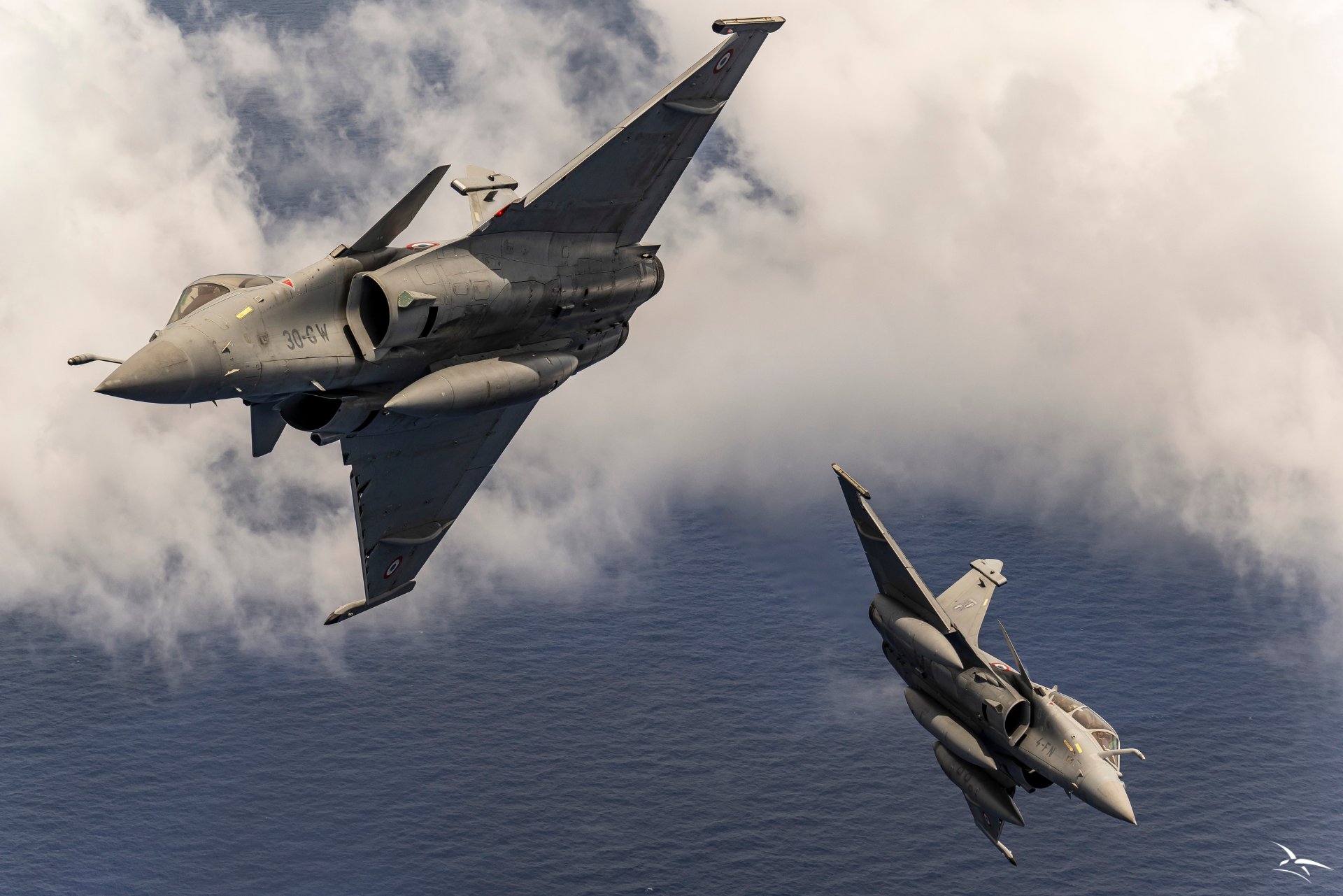
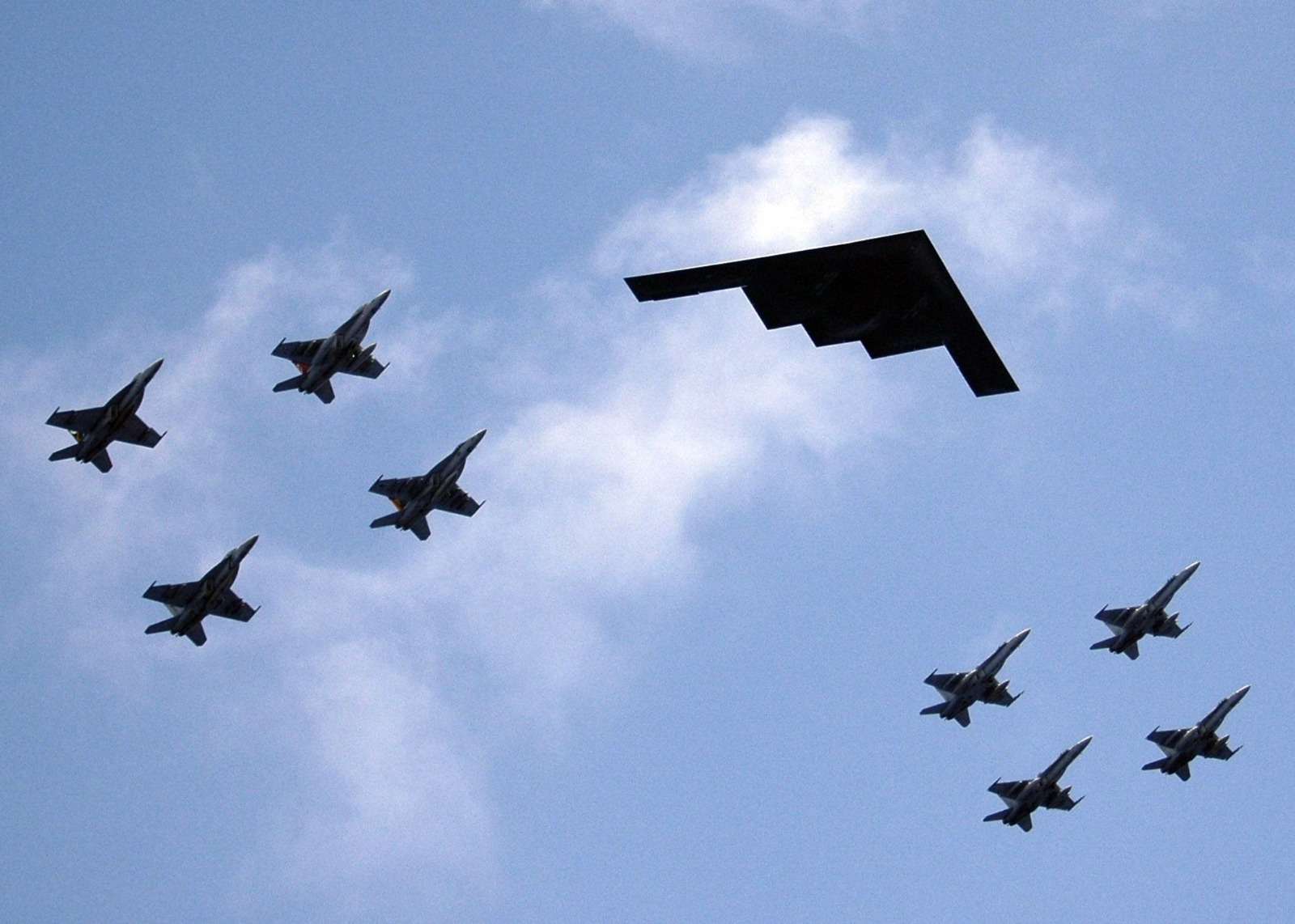
In what was the 41st iteration, the 19-day (April 20-May 8) Balikatan 2026, the joint military exercise between the Philippines and the United States, was the largest ever, involving five other participating nations, including Australia, Japan, Canada, France, and New Zealand; and 17 observer countries from all over the world.
It is said to have marked a decisive shift from bilateral training to “a multilateral deterrence architecture”, with a focus on comprehensive, multi-domain training.
The exercise saw 17,000 personnel deployed from seven participating nations. The U.S. sent about 10,000 servicemembers. France also participated with a small contingent, while Canada and New Zealand joined as new active participants.
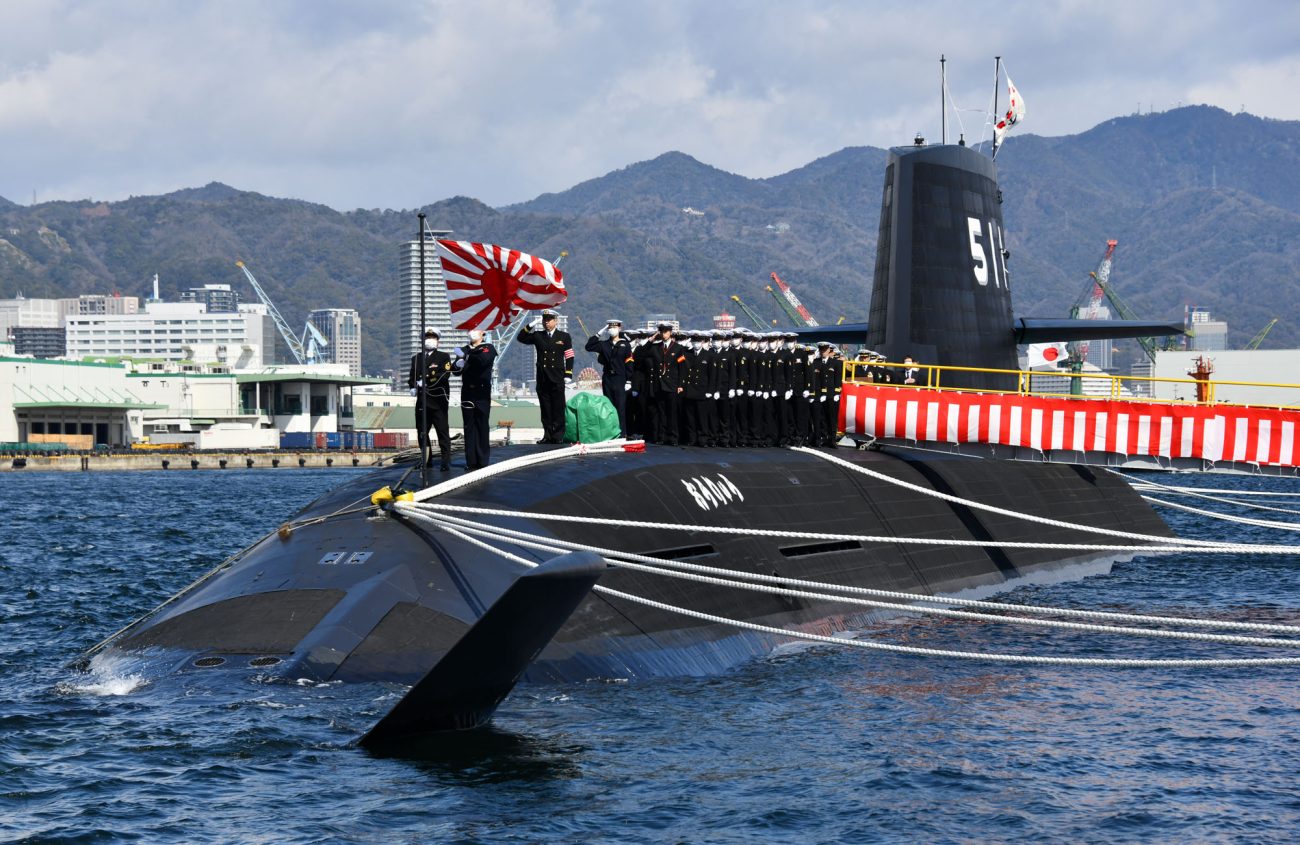
What was most noteworthy was that Japan sent 1,400 personnel for the Balikatan exercise, its first deployment of combat troops since World War II.
It may be noted that Japan has been slowly and steadily emerging as a consequential hard-power player, expanding its deterrence and defence-industrial capabilities, as well as its regional and global defence networks, since the Japanese government led by late Prime Minister Shinzo Abe approved in 2014 reinterpretation of the country’s constitution permitting the participation of the Japan Self-Defence Force (JSDF) in collective self-defence missions when an ally is under attack.
The government led by Fumio Kishida brought out in 2022 documents of “National Security Strategy” (NSS) and “National Defence Strategy” that stated unambiguously that “Japan’s security environment is as severe and complex as it has ever been since the end of World War II (WWII)”, while asserting that Japan “will not tolerate unilateral changes to the status quo by force”, and must “fundamentally reinforce its defence capabilities”.
Obviously, Tokyo was very apprehensive of the rise of “Chinese hegemony” and Russia’s resurgence. Kishida pursued an increase in defense spending from the long-held cap of approximately 1% of GDP to 2% by 2027.
The current Sanae Takaichi government accelerated this timeline by two years, with the 2% target for fiscal year 2025. Widely believed to be Abe’s ideological heir, Takaichi is expected to further accelerate Japan’s security evolution by establishing a national intelligence agency, removing restrictions on the export of lethal weapons, and expanding domestic weapons manufacturing, potentially enabling Japanese firms to become significant global arms players.
In between was the government led by Shigeru Ishiba, who promoted the idea of an “Asian NATO” (which was discussed in the think tanks for years), transforming the US-led bilateral security alliances in the region ( with South Korea, Japan, Australia, New Zealand, and the Philippines) into a NATO-like multilateral collective defense organization. It was proposed to expand this alliance by including many “ASEAN partners” and possibly India.
In a commentary published by the Hudson Institute, a Washington, D.C.-based think tank, Ishiba wrote: “Ukraine today is Asia tomorrow,” adding that “the absence of a collective self-defense system like NATO in Asia means that wars are likely to break out because there is no obligation for mutual defense. Under these circumstances, the creation of an Asian version of NATO is essential to deter China by its Western allies.”
Essentially, the idea here was to create a treaty-based alliance to deter regional aggression, primarily targeting the rising assertiveness of China, the North Korean nuclear threat, and defense collaboration among Russia, China, and North Korea.
The proposal for an Asian NATO is said to have gained fresh momentum with US President Donald Trump’s unpredictability as a reliable security partner and his seemingly confusing love and hate policy towards China. As a result, nearly all US allies across the Indo-Pacific, even Europe) are reassessing their reliance on Washington’s security guarantee and recalibrating their alignment.
In this context, some experts are also pointing to the progress already made through the linking of Euro-Atlantic and Indo-Pacific security. After all, NATO is deepening its formal dialogue with four key partners (The “IP4”) —Japan, South Korea, Australia, and New Zealand.
However, in parallel with this school of thought runs another, which is perhaps more dominant among the “middle powers” in the Indo-Pacific. Seeking strategic autonomy between US-China competition, this school of thought seeks “strategic autonomy” and “pragmatic multi-alignment”.
It is said that middle powers like Canada, South Korea, many Southeast Asian countries such as Indonesia, Singapore, Malaysia, and Thailand, and South Asian nations like India are realigning and stepping up efforts to explore collective or convergent self-help mechanisms, to pool resources, multiply capabilities, and manage shared challenges amid an increasingly volatile global environment.
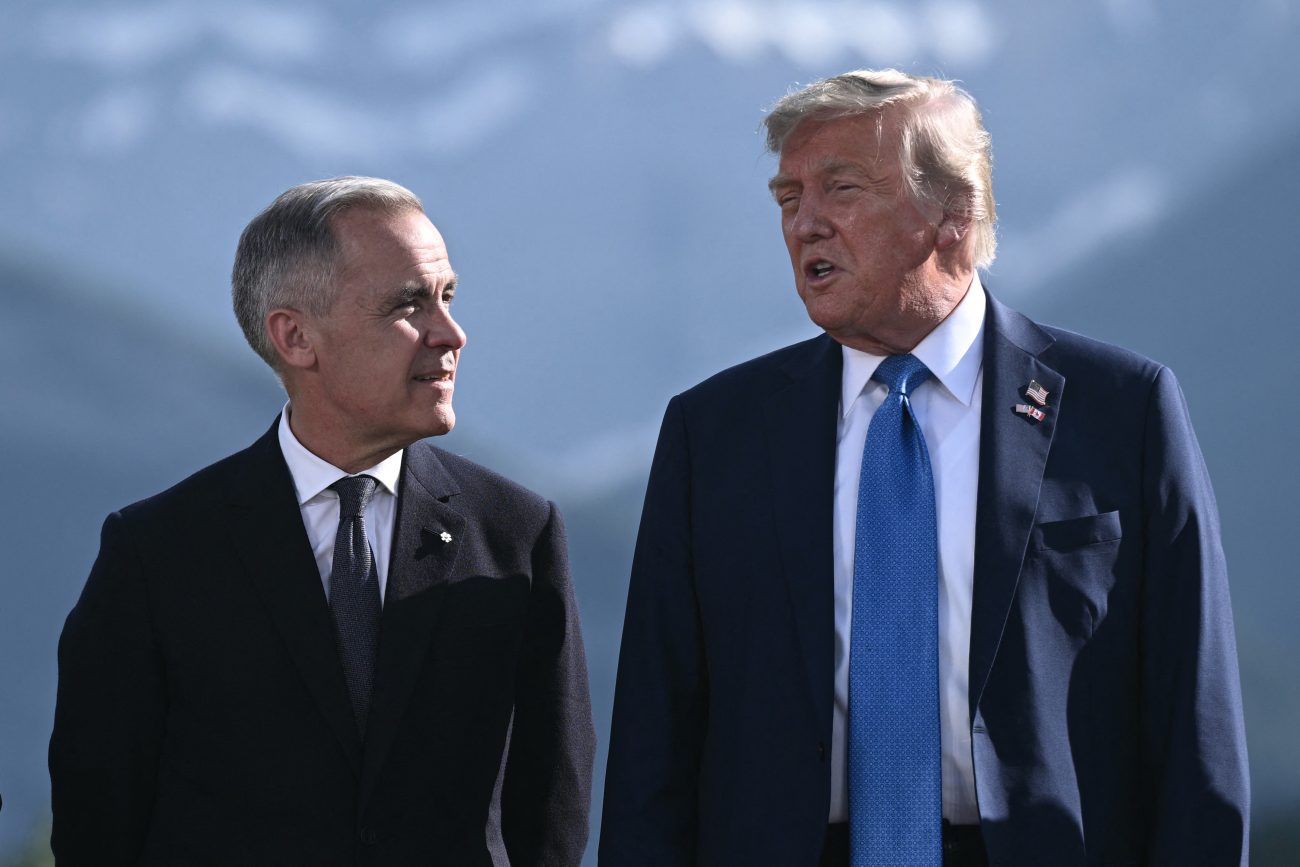
The momentum for such middle-power realignment is said to have got a big impetus from Canadian Prime Minister Mark Carney’s rousing speech at the January 2026 World Economic Forum, in which he called on middle powers to assert themselves and act together amid a ruptured world order.
Though there is no consensus among experts on the definition, it broadly refers to states that are not considered great powers but have considerable human capital, economic resources, and military capabilities.
In the Indo-Pacific, some middle powers are considered part of the Global South, such as India and Indonesia. Though South Korea, Japan, and Australia fit more firmly into the wealthy countries category, with highly developed militaries and market power, they are also often considered middle powers. In the present rivalry of the US and China, supposedly the world’s most powerful powers, these middle powers are neither passive balancers nor quiet bystanders.
They are, in fact, constructing a dense network of partnerships, pursuing selective alignments, and diversifying strategic dependencies. To secure their national interests, many of them are deepening security ties with Washington while sustaining economic engagement with Beijing, expanding mini-lateral frameworks, and strengthening cross-regional linkages that reduce overreliance on any single pole of power. They are looking both inside and outside the region, courting some European powers and the Gulf states for cooperative diplomacy, while leaning into their existing groupings.
In a just-released monograph, Kuik Cheng-Chwee, a Non-Resident Senior Fellow at the Seoul-based Asan Institute for Policy Studies, argued that pragmatic multialignments are a better path than an Asian NATO.
According to him, although an Asian NATO might appear to be the more appealing pathway because of the potentially more coherent structure of a typical alliance, as well as the convergent values and interests among US allies, such a collective defense pact is likely to drive away a good number of actual and potential partners that South Korea and other middle powers need in pursuing their broader interests, especially at a time when all countries face growing uncertainties and mounting challenges on both military and non-military fronts.
By contrast, as a form of inclusive statecraft, pragmatic multi-alignment enables middle powers to continue to embrace their existing patrons and/or partners while adaptively exploring additional mutually beneficial partnerships. Such statecraft is pragmatic in that it entails a survival-driven readiness to engage in dialogue and cooperation with other countries despite differences, disagreements, or mutual dislike. It is multi-alignment in that it involves multiple sets of alignments and partnerships, he argues.
For Cheng-Chwee, amid “growing uncertainties during Trump 2.0”, American allies have gradually recalibrated their decades-long “alliance-first” approach toward an “alliance-plus” posture, in which the alliance remains a core element but is complemented by additional circles of alignment and partnership.
“Such recalibration is opening up space and creating opportunities for middle powers and secondary states to pursue pragmatic multi-alignment bilaterally, trilaterally, and minilaterally”, he points out.
Cheng-Chwee’s essay focuses mainly on South Korea-ASEAN partnerships as an exemplary case of what he calls “alliance-plus middlepowership”. But he says his argument applies to similar relationships among other middle powers.
In that sense, he may be happy that South Korean President Lee Jae-myung’s recent state visit to India (April 19–21, 2026) yielded a “Joint Strategic Vision (2026–2030), aligning India’s “Act East Policy” with South Korea’s “New Southern Policy” toward a multialigned, multipolar world. The partnership focus includes deep defense/tech collaboration, supply chain resilience, and a push to double bilateral trade to $54 billion by 2030.
In fact, it could be argued that, if India’s External Affairs Minister S. Jaishankar’s speeches on various global platforms over the years are any indication, India under the Modi government has been a pioneer not only in popularizing but also in experimenting with the policy of multialignment.
India’s, perhaps, is the primary model of balancing geostrategic ties with the US against geo-economic stability with China and energy/defense ties with Russia.
- Author and veteran journalist Prakash Nanda is Chairman of the Editorial Board of the EurAsian Times and has been commenting on politics, foreign policy, and strategic affairs for nearly three decades. He is a former National Fellow of the Indian Council for Historical Research and a recipient of the Seoul Peace Prize Scholarship.
- CONTACT: prakash.nanda (at) hotmail.com