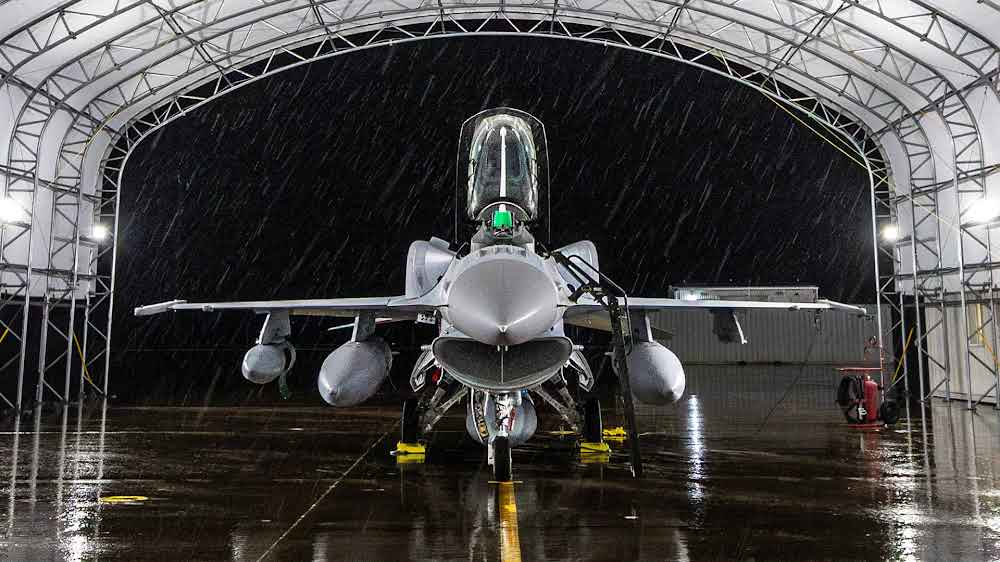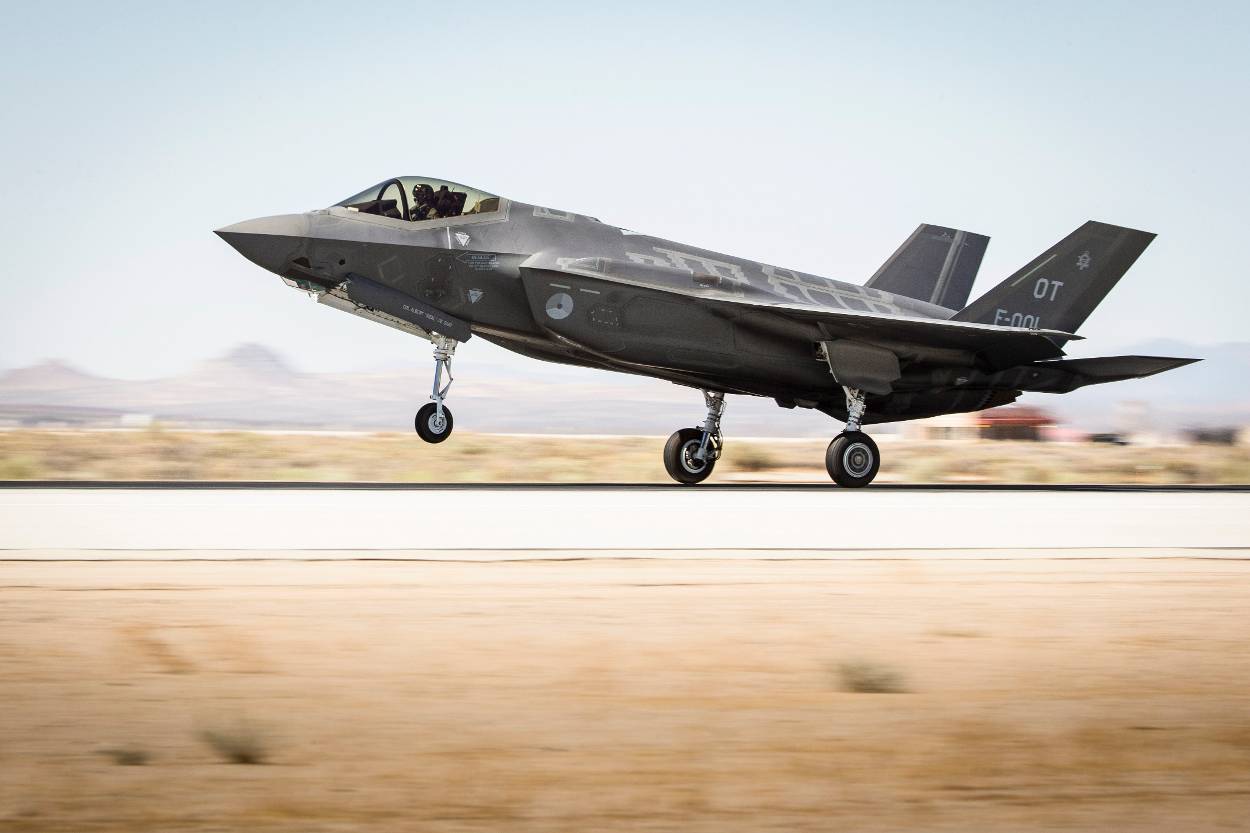
Unlike the F-35, India has received a formal offer from Russia for the Sukhoi Su-57 fifth-generation fighter but has not yet decided whether to evaluate it, the head of the Indian Air Force said.
Air Chief Marshal A.P. Singh told reporters on the sidelines of the Exercise Tarang Shakti in Jodhpur that the Indian Air Force was aware of Moscow’s proposal.
“As far as the Su-57 is concerned, we have received information that an offer has been made, but no decision has been taken on whether to evaluate it,” he said.
“Once a decision is made, we will assess how well it meets our requirements.”
Russia has repeatedly pitched the Su-57 to India.
Earlier, as EurAsian Times reported, Russian President Vladimir Putin personally renewed the Su-57 offer to India.
Speaking on the sidelines of the St. Petersburg Economic Forum, Putin reaffirmed Russia’s readiness to cooperate with India on the Su-57, including exporting and jointly producing the aircraft.
“It’s fifth-generation technology — I think it’s the best in the world as of now,” the Russian President said at the forum.
President Putin recalled Indo-Russian 5th-gen aircraft collaboration and said: “As far as the Su-57 goes, at one point we proposed to our Indian friends to work together on this technology. “But back then, our Indian friends said: ‘Go ahead on your own, and then we will see – maybe we’ll join’…The aircraft could have been our joint project. We built it independently, but we are ready to work with India in this field – to supply this aircraft and to keep developing it,” the Russian President told the reporters. “We don’t have any issues with it or any limitations. The same goes for air defense systems,” he added.
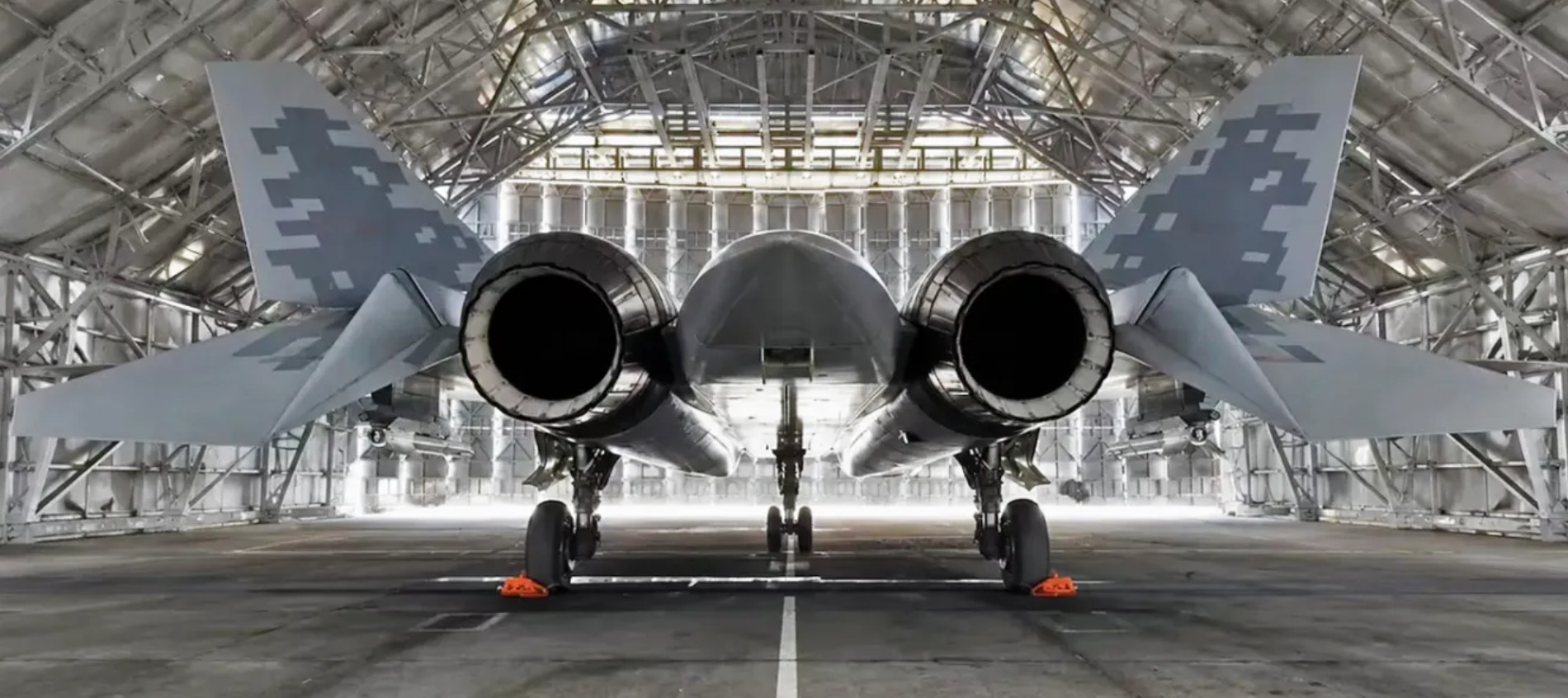
The Su-57 is a supersonic, twin-engine fifth-generation aircraft designed to destroy air, ground, and naval targets. Developed to compete with the F-22 and F-35, the ‘Felon’ jet features enhanced stealth through composite materials and can cruise supersonically.
It is a multi-role fighter jet capable of air superiority missions, ground attacks, reconnaissance, and electronic warfare. Russia is integrating a range of lethal weapon systems on the Su-57 platform, including the long-range R-37M missile and hypersonic missiles, as reported by the EurAsian Times.
Additionally, the aircraft is being integrated with Artificial Intelligence (AI) to enhance threat detection, decision-making, and pilot support. However, these features have failed to attract buyers, especially India.
If India proceeds with the Su-57 deal and Moscow meets all Indian prerequisites, including technology transfer, it could inject billions into Russia’s sanctions-hit economy. India would also get an interim fifth-gen fighter till the indigenous AMCA arrives.
Russia’s defense exports have historically benefited through high-profile deals with India. An excellent example is the Su-30MKI, India’s customized variant of the Su-30.
India’s acquisition of the Su-30MKI in the early 2000s influenced other nations, such as Malaysia, which modeled its Su-30MKM on the Indian version. Its versatility—including thrust-vectoring engines, canards, and integrated avionics from multiple countries—made it a flagship for Russian technology.
Another bigger success story is the BrahMos supersonic missile.
India’s DRDO and Russia’s NPO Mashinostroyeniya launched the joint venture in 1998 to develop and produce the BrahMos, one of the world’s fastest supersonic cruise missiles.
The Philippines was the first customer of the BrahMos, signing a contract worth approximately $375 million with BrahMos Aerospace in January 2022 for three shore-based anti-ship missile batteries.
The package, intended for the Philippine Marine Corps, includes mobile launchers, missiles, operator and maintainer training, and integrated logistics support. Deliveries began in April 2024 with the first battery and continued through 2025 and into 2026, with the third and final battery nearing completion.
Philippine Defense Secretary Gilberto Teodoro has indicated interest in further adapting or expanding the capability to suit the country’s geography and operational needs.
The two countries also reached an agreement on air-to-air missile cooperation that “enhances technology collaboration and defense capabilities”, he said.
Indian PM Modi hailed the “growing trust” between Jakarta and New Delhi after meeting Prabowo, which he said underpinned cooperation in “defense, security and maritime affairs”.
“Today, we reached an agreement to enhance defense exchanges, disaster management, and industrial cooperation,” Modi told reporters.
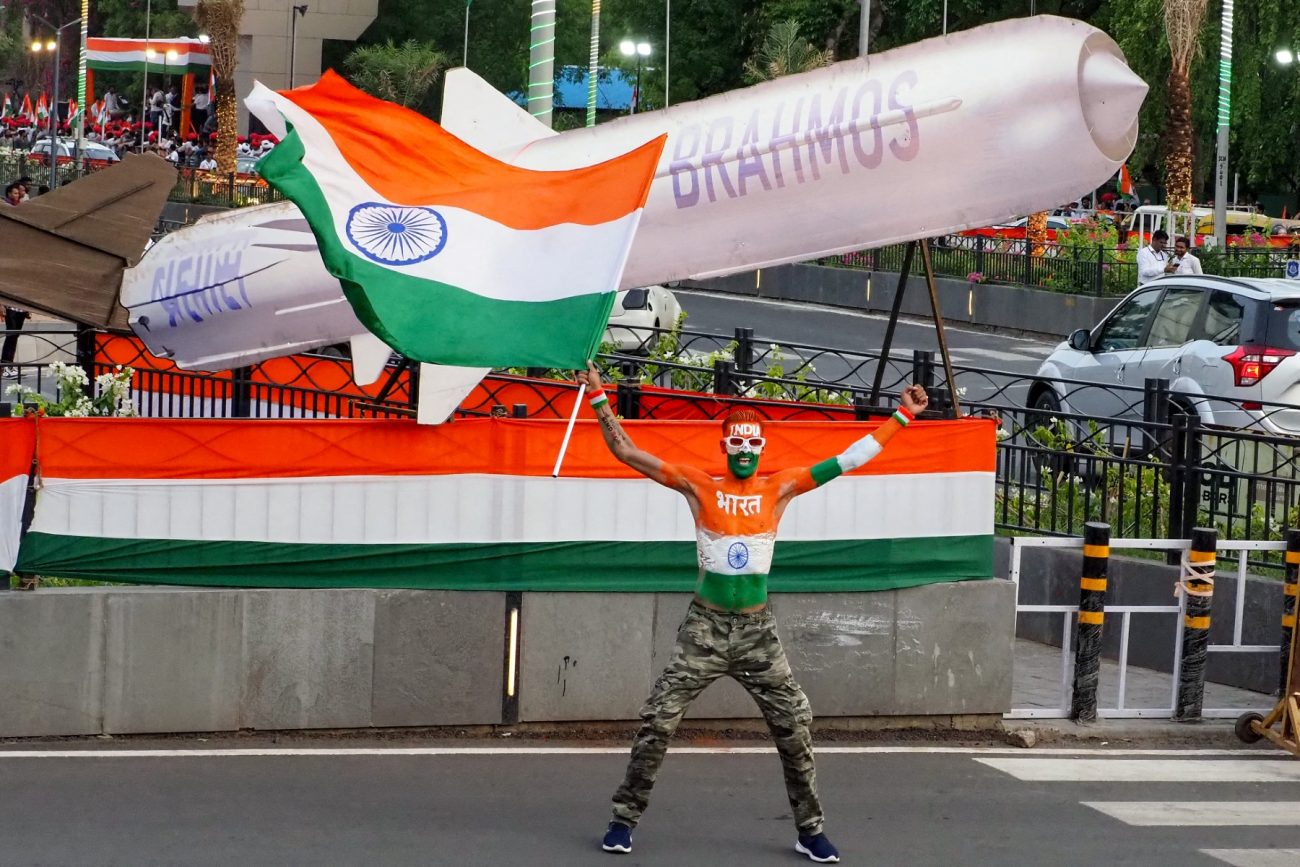
Earlier, Indonesia’s Ministry of Defense (MoD) spokesperson, Rico Ricardo Sirait, told Reuters on March 9 that Jakarta has agreed to buy the BrahMos missile system from India.
The Indian Navy inducted its first BrahMos system in 2005 aboard INS Rajput. The Indian Army followed in 2007 with its own regiments, and the Air Force later introduced an air-launched version from the Su-30MKI in 2019.
The BrahMos missile saw combat use during Operation Sindoor in May 2025, when Indian forces employed air-launched variants from the Su-30MKI. IAF reportedly fired 15-19 BrahMos missiles.
The Indo-Russian missile could have more export customers.
India sketched a list of “friendly nations” it deemed potential buyers, including the Philippines, Vietnam, Saudi Arabia, the UAE, and South Africa. The list has since changed, with several countries dropping interest and others queuing up to assess the combat-tested missile system.
India reportedly started talks with Vietnam to sell off the supersonic cruise missile in 2023. An official with BrahMos Aerospace Ltd told the EurAsian Times at the time: “Vietnam had shown interest in the system. But the negotiations have just started.”
Further evidence of BrahMos’s widespread appeal in Southeast Asia is Malaysia’s sustained interest in the missile system, particularly the air-launched variant, which could be integrated with the Royal Malaysian Air Force’s Su-30MKM fighter jets.
By 2025, Malaysia appeared in lists of countries “queuing up” or actively negotiating for BrahMos. In fact, in August that year, reports suggested Malaysia had begun preliminary negotiations with Russia and India for the missile, aiming to revolutionize its Indo-Pacific airpower projection.
Besides Southeast Asia, the Middle East could be a potential market for the BrahMos missile.
Alexander Maksichev, Co-Director of BrahMos Aerospace, explicitly emphasized the UAE as a potential customer. Additionally, India has repeatedly listed the UAE among “friendly nations” eligible for BrahMos exports.
Other countries that have reportedly shown interest in the missile include Saudi Arabia, Qatar, Oman, and Egypt. BrahMos has also gained traction in South America, with countries such as Brazil, Chile, Argentina, and Venezuela showing interest.
The Indo-Russian BrahMos is a major export success, and Putin may want to replicate that success with the Su-57, using Russian tech and Indian co-production and marketing.
Whether India will bite the bullet remains to be seen.
- Contact us at editor (at) eurasiantimes.com
- Follow EurAsian Times on Google News