Seven Pakistani soldiers were killed in a suicide attack near the Afghanistan border on Friday, Reuters reported, citing Pakistani security officials.
The soldiers were killed in an attack by militants on a Pakistani military camp in north Waziristan, which also left 13 injured, Reuters reported. While one militant rammed an explosive-laden vehicle into the boundary wall of a fort that served as a military camp, two others tried to get into the facility and were shot dead, they said.
There is no acknowledgement in the Pakistani media. They claim that the suicide attack was foiled.
Afghanistan-Pakistan Ceasefire Nears End
A 48-hour ceasefire between Afghanistan and Pakistan expired on Friday evening, with no clear indication of what comes next.
Dozens of soldiers and civilians on both sides have been killed since the clashes began nearly a week ago, with explosions also heard in the Afghan capital, Kabul.
The truce came into effect at 6:00 pm Islamabad time (1300 GMT) on Wednesday, with Pakistan indicating that it would end on Friday evening.
On Wednesday, Afghanistan said the ceasefire would endure unless Pakistan violated it, without confirming that the deal had a 48-hour limit.
Officials on both sides have not commented since the deadline expired.
Pakistan Prime Minister Shehbaz Sharif said Thursday that for the truce to continue, the ball was “in the court” of the Taliban government.
“If in 48 hours they want to resolve the issues and address our genuine demands, then we are ready for them,” Sharif told his cabinet.
As the ceasefire deadline approached, Pakistan’s foreign office described the situation as “delicate”.
“We are in a temporary ceasefire, we are trying to work towards a diplomatic track to make it sustainable and to the long-term stability of the relationship — that is a larger objective to us,” spokesman Shafqat Ali Khan said at a weekly press briefing.
“But beyond that, I am not in a position to share any information with you.”
Taliban authorities did not immediately respond to AFP’s request for comment on what would happen next once the deadline passed.
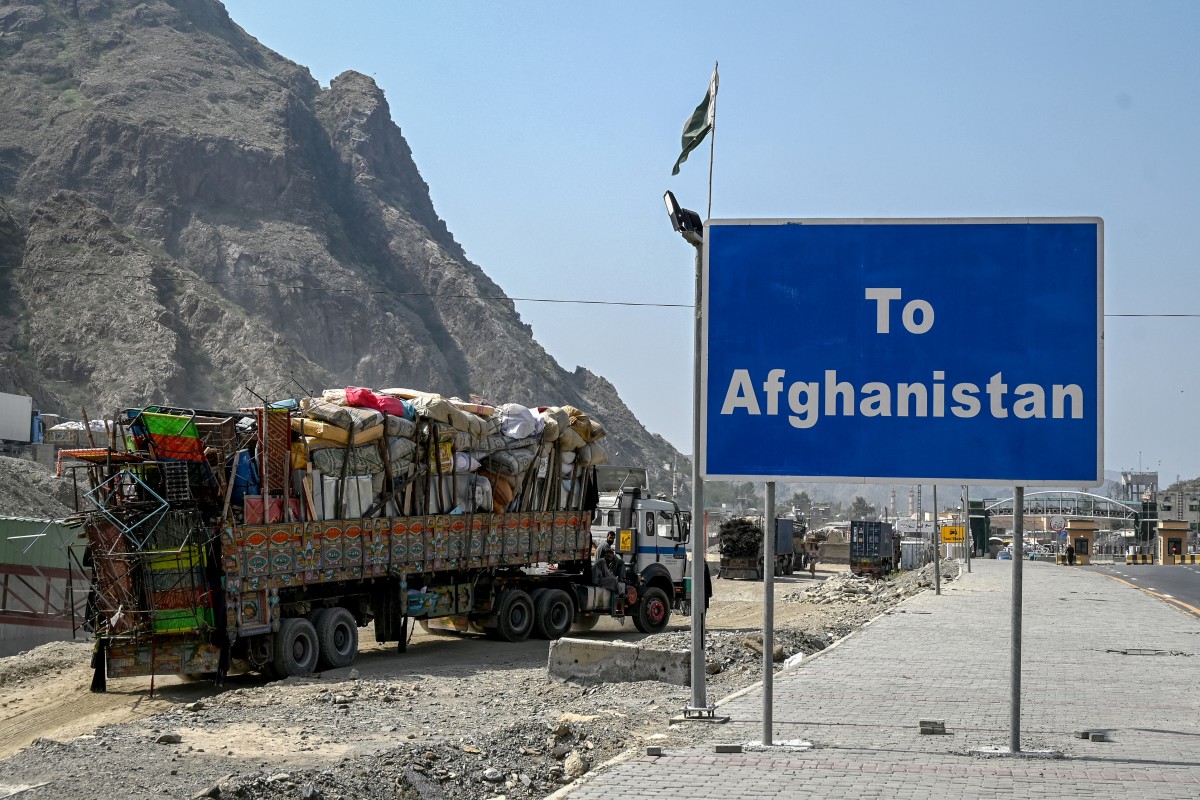
Afghans in the frontier town of Spin Boldak — where the fighting had been particularly intense — described scenes of normalcy early Friday.
“Everything is fine, everything is open,” said Nani, 35, told AFP.
“I’m not afraid, but everyone sees things differently. Some say they’re going to send their children elsewhere as the situation isn’t good, but I don’t think anything will happen,” said Nani, who did not give a surname.
Mixed Feelings
Initial explosions, which the Taliban blamed on Pakistan, struck Kabul last week.
Taliban authorities then launched an offensive along the border, prompting a deadly response from Islamabad in the days before the ceasefire.
The United Nations Assistance Mission in Afghanistan said 37 people were killed and 425 wounded on the Afghan side of the border, calling on both sides to bring a lasting end to hostilities.
An AFP correspondent in Spin Boldak said they saw hundreds of people attending funerals on Thursday, including for children whose bodies were wrapped in white shrouds.
“People have mixed feelings,” Nematullah, 42, told AFP. “They fear that the fighting will resume, but they still leave their homes and go about their business.”
Calm has also returned to Kabul, where new explosions rang out shortly before the ceasefire announcement on Wednesday.
Nobody claimed responsibility for the blasts, but Pakistani security sources said they had undertaken “precision strikes” against an armed group in the Afghan capital.
Sources in Afghanistan suggested that Pakistan was behind at least one of the blasts and that they were air strikes, but the government has not formally accused Islamabad.
The initial explosions took place as the Taliban’s foreign minister was beginning an unprecedented visit to India, Pakistan’s historic foe.
On Thursday, Sharif suggested that New Delhi was involved in the confrontation, without giving details.
Security issues have been at the heart of resurgent tensions between Afghanistan and Pakistan.
Pakistan, facing a rise in attacks on its security forces, has accused Afghanistan of harbouring terrorist groups, a claim that Kabul denies.
Via: Agence France-Presse