

Afghanistan’s Civil Aviation Authority (ACAA) said that two alternative new air routes have been introduced post the closure of Pakistani airspace.
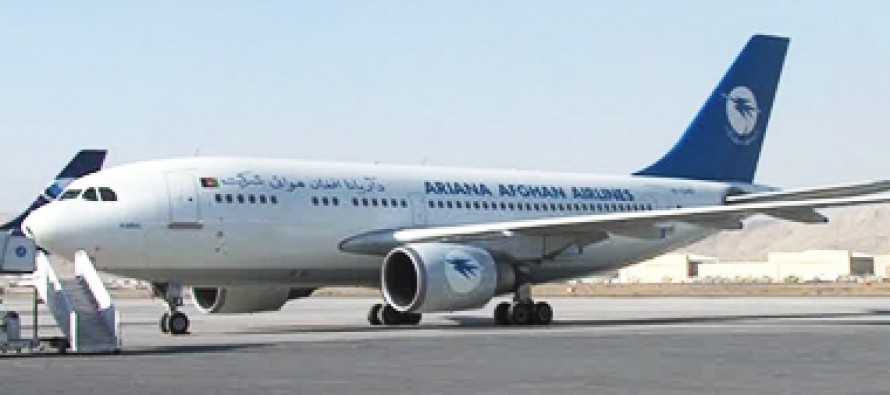
The newly launched airways would facilitate flights from Afghanistan and connect eastern and western Asia, ACAA said in a statement, adding the routes passed through the airspace of Tajikistan to travel to China and East Asia.
The decision has been made as Pakistan’s airspace remains closed to commercial flights since February.
“First, the new air routes will provide the context for further regional connectivity. And second, it is a very short route for airlines such as Fly Dubai, Qatar Airways, Emirate Airways,” he said. “Considering the limitations and problems which we experienced with the closure of Pakistan’s airspace, the new routes will be alternative airways for flights crossing over Afghanistan space and will increase the civil aviation revenues.”
Statistics by the Afghan Civil Aviation Authority show that the number of flights crossing Afghanistan’s airspace has decreased by 95% post the closure of Pakistan’s airspace. The data also intimates that Afghanistan lost about $27 million in civil aviation revenues since February.
At least 300 to 500 planes were crossing Afghanistan’s airspace when Pakistan’s airspace was open but the number has reduced to 20 flights, according to statistics by the Civil Aviation Authority. Afghanistan receives $700 from every flight which crosses its airspace, officials said.
Afghan Civil Aviation Authority’s officials said they are in talks with Indian and Chinese authorities to address the problem.