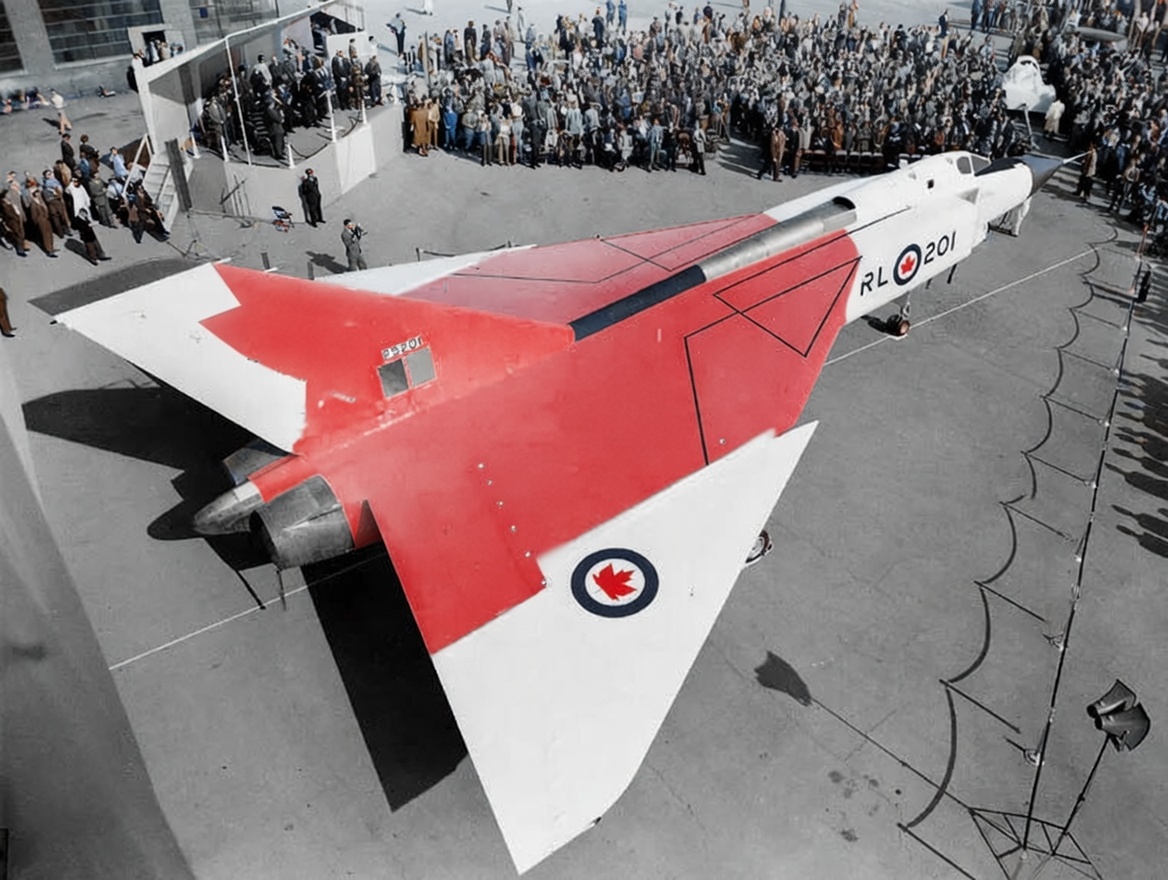
From the India-Pakistan to the Iran-Israel War, and from the Russia-Ukraine War to the US’s Operation Absolute Resolve in Venezuela, the last year witnessed conflicts across many parts of the world.
These wars varied substantially in intensity, scope, and objectives; however, one thing was common to all of them: the importance of air power.
Establishing air superiority is key to decisively and swiftly winning conflicts. For that purpose, a large and modern air force is central.
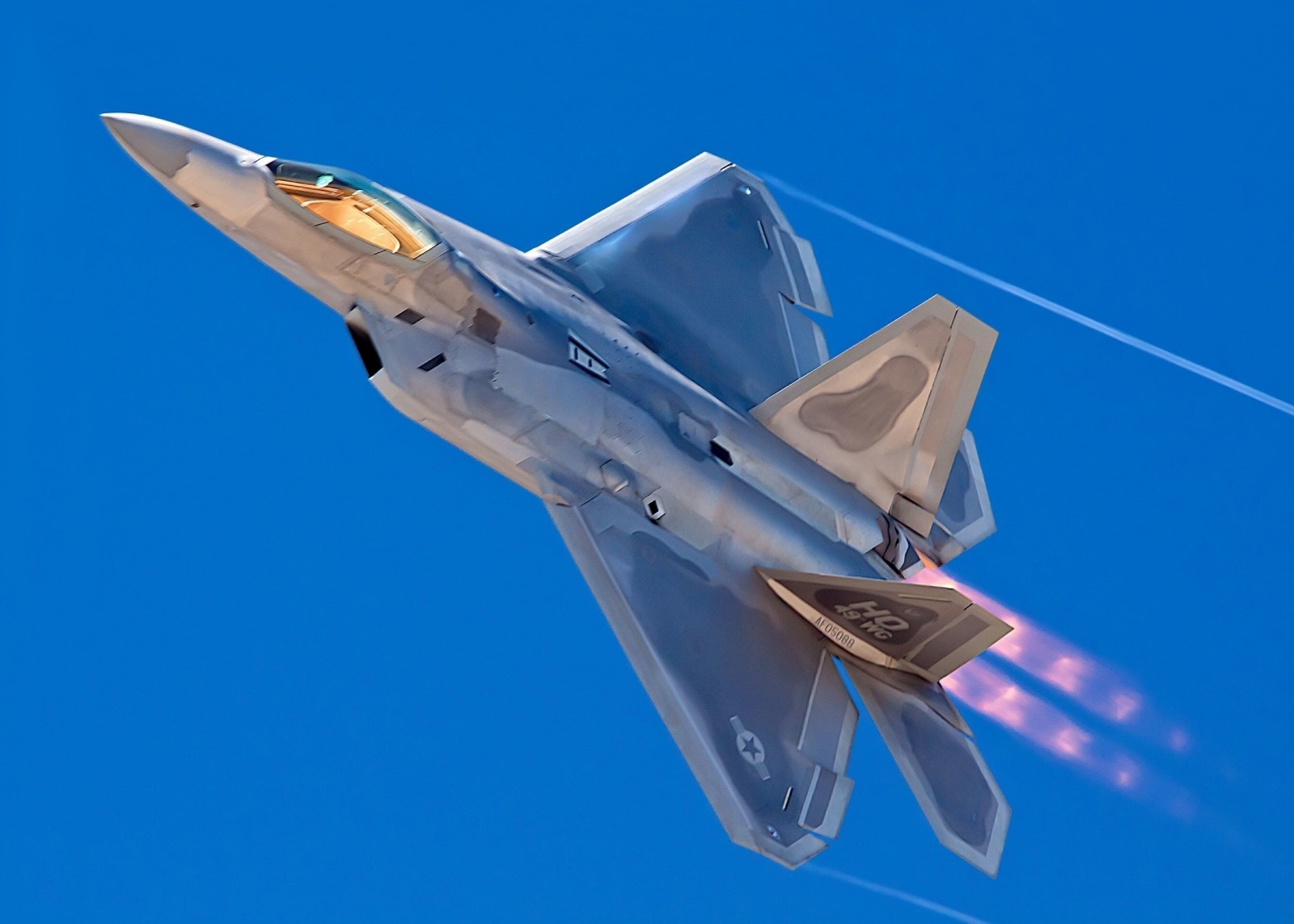
The US is widely recognised as having the world’s largest and most advanced air force. Not only does the US Air Force (USAF) have nearly 2,800 combat aircraft, but it also maintains nearly 650 fifth-generation stealth fighter jets, including the F-35 and F-22 Raptors, as well as F-16s, F-15s, F/A-18s, and bombers such as the B-2 Spirit, B-52, and B-1 Lancer.
China comes second with a fleet of nearly 2,000 fighter aircraft, including over 300 fifth-generation J-20 Mighty Dragons and the new J-35As.
Russia is a close third with a fleet of nearly 1,600 fighter jets, including two to three squadrons of its fifth-generation fighter jet, the Su-57 Felon.
India is in fourth position, with a fleet of approximately 600 fighter jets.
However, all four of these countries have large populations and extremely large areas to defend.
In fact, India, China, and the US are the world’s three most populous countries, respectively.
Similarly, Russia is the world’s largest country in geographical area. China is the third-largest, followed by the US at fourth position, and India is the seventh-largest.
However, some small countries, both in terms of population and land area, maintain an outsized fleet of fighter jets. These countries are far ahead of countries like the US, China, and Russia, in terms of maintaining the highest number of fighter jets “per capita”.
In economics, both GDP size and GDP per capita are important data points for studying a country and its economic potential; unfortunately, in defense studies, fighter jets per capita are rarely discussed.
This is even more surprising, as these numbers could tell us a great deal about a country’s military spending and its defense priorities.
Which Countries Have the Highest Combat Aircraft Per Capita?
In terms of fighter jets per capita, Israel consistently ranks at the top.
With a population of roughly 10 million and a combat fleet of approximately 340–400 fighter jets, Israel maintains about one fighter jet for every 25,000-30,000 people.
Furthermore, Israel also maintains a very modern fleet of combat aircraft, including 48 F-35I Adirs (a highly customized version of the F-35), nearly 175 F-16s, 80 F-15s, and 25 F-15I “Ra’am”.
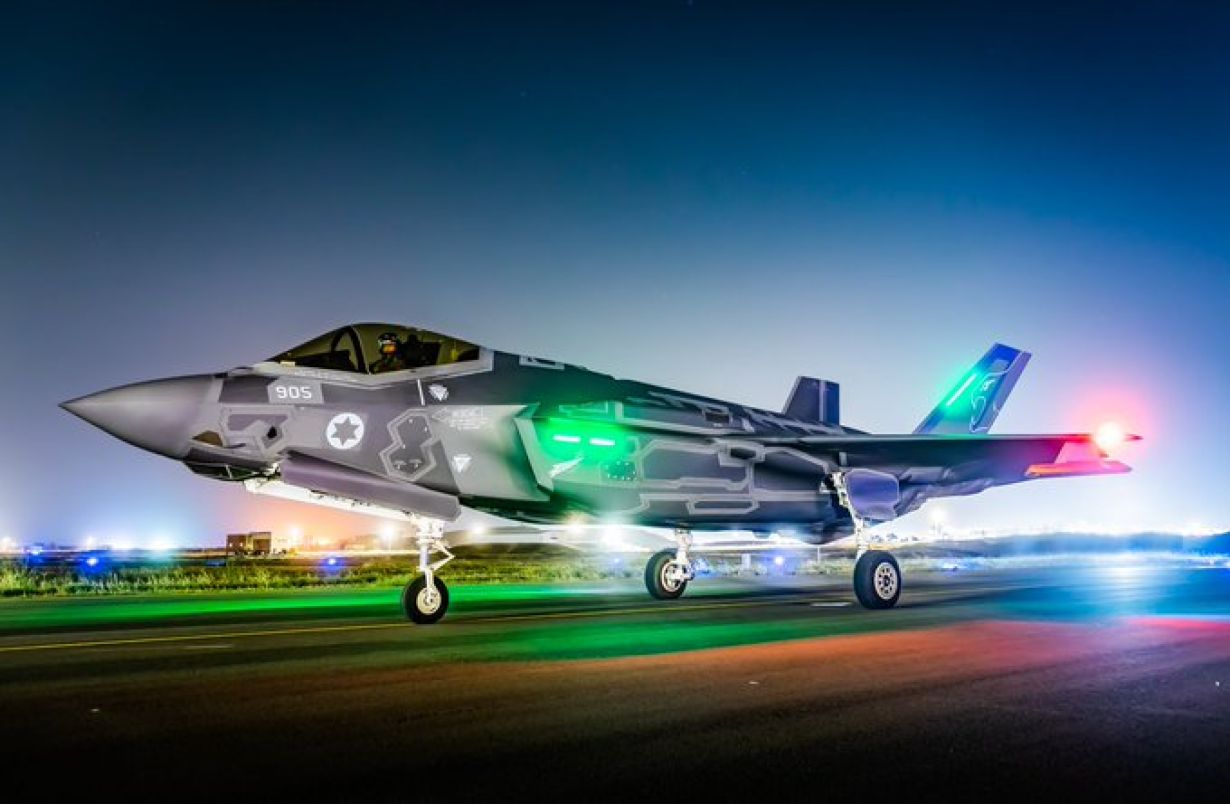
Due to this large and highly advanced combat jet fleet, Israel is by far the strongest air power in the Middle East.
This decisive edge in air power means that Israel is swiftly able to establish air superiority over its Middle Eastern adversaries, such as Syria, Lebanon, Yemen, and Iran, in any conflict.
This edge in Israeli air power over its regional adversaries was repeatedly demonstrated during the last two-and-a-half years, following the deadly Hamas attack on Israel in October 2023.
In fact, the US also plays a critical role in maintaining Israeli air superiority in the region.
The US has a longstanding policy commitment to maintaining Israel’s Qualitative Military Edge (QME), which is defined as Israel’s ability to counter and defeat any credible conventional military threat from individual states, coalitions, or non-state actors while sustaining minimal damage and casualties.
This policy, a cornerstone of U.S. foreign policy in the Middle East since the late 1960s, was formalized into law in 2008 through legislation requiring the president to preserve Israel’s QME, including by ensuring that U.S. arms transfers to other regional countries do not adversely affect it.
Israel is followed by Greece, another Mediterranean power. Greece has a population of nearly 10.4 million people, and it maintains a robust fleet of nearly 230 aircraft.
Greece is a member of the European Union and NATO; however, it has long-running tensions with its larger neighbor and historical adversary, Turkey.
Since 1974, when Turkey seized part of northern Cyprus, Athens has focused on maintaining a superior air force to counterbalance Ankara’s advantages in military size.
Greece also maintains a modern, highly diverse fleet of American and European fighter jets, including nearly 160 F-16s, with an ongoing plan to upgrade over 80 of them to the latest Viper standard.
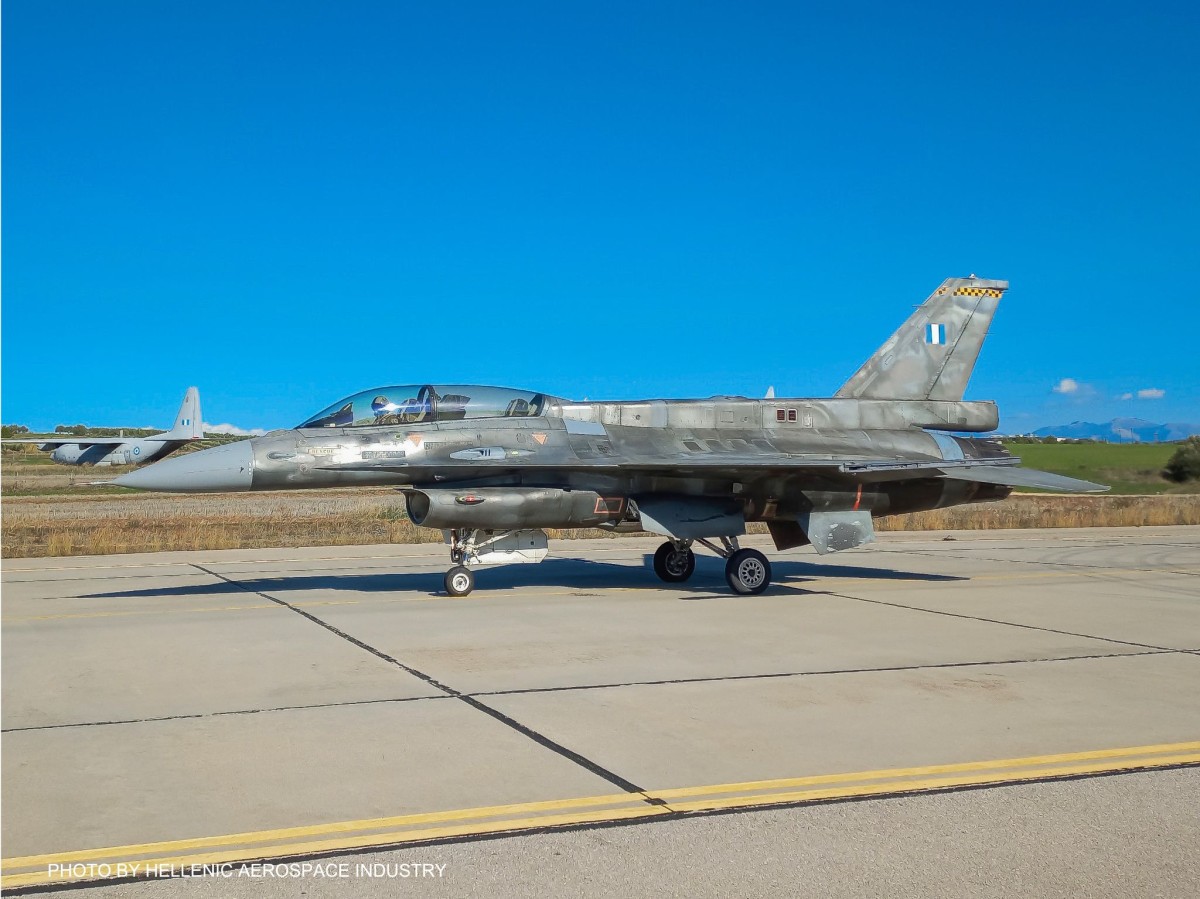
Besides, Greece also has 24 Rafales, 24 Mirage 2000-5 Mk II, and nearly 30 McDonnell Douglas F-4E Phantom II fighter jets.
Notably, Athens has also ordered 20 F-35 fighter jets, with an option to buy 20 more.
Greece is followed by Singapore, a city-state with an extremely small population of approximately six million people but a highly advanced air force.
It operates roughly 100 combat aircraft (F-15SG and F-16), resulting in a density of approximately one fighter per 60,000 people.
Furthermore, the Republic of Singapore Air Force (RSAF) has formally acquired 20 F-35 aircraft as part of its long-term modernization strategy to replace aging F-16s and maintain a strong, diversified fighter fleet alongside its F-15SGs.
The first F-35s are expected to be delivered to Singapore by the end of this year.
In fourth position is Taiwan, which maintains a high density of aircraft (around 300+ fighters) relative to its population of 23.9 million to counter threats from China, resulting in one fighter per 80,000 people.
Just as Greece did, Taiwan recognized it could not compete with China in military strength and, from the beginning, focused on maintaining an edge in air power.
Taiwan has nearly 140 F-16A/B upgraded to F-16V/Block 70/72 standard. In 2019, it also ordered 66 new F-16C/D Block 70 aircraft, which are awaiting delivery.
Taiwan also has nearly 54 Dassault Mirage 2000-5 fighter jets and around 130 AIDC F-CK-1 Ching-kuo IDFs (Indigenous Defense Fighter).
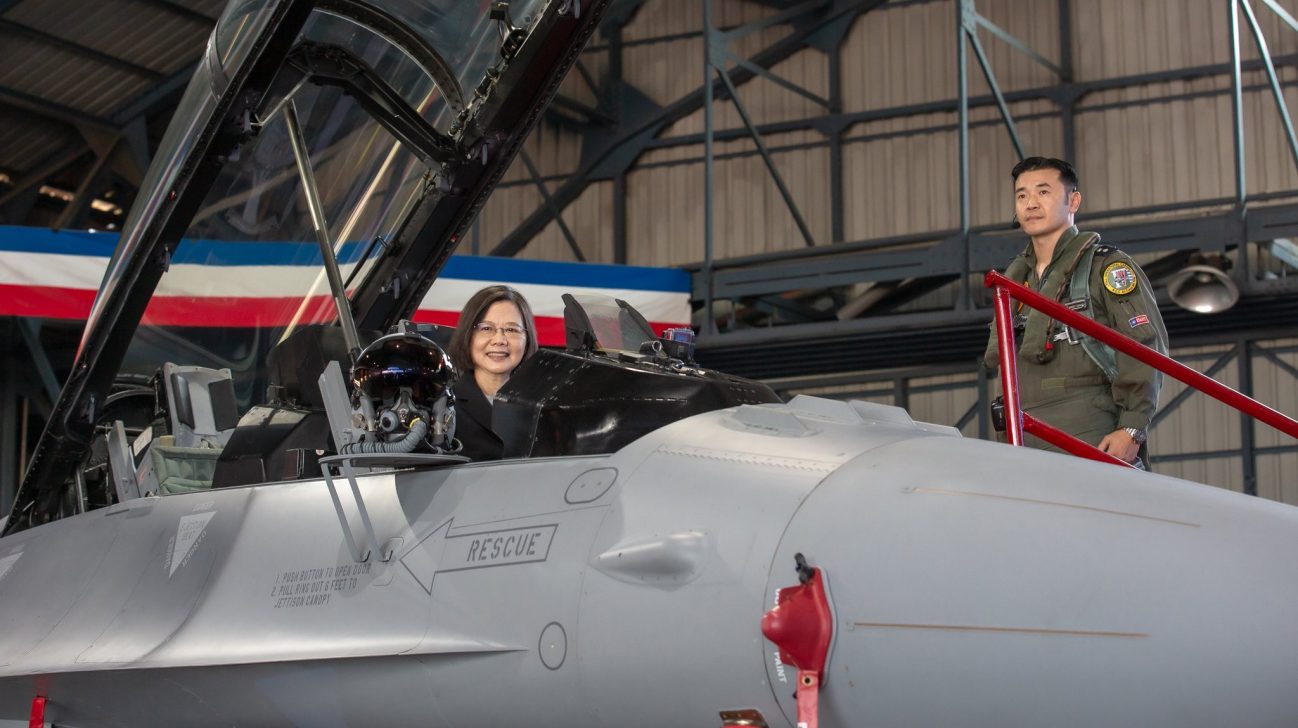
Taiwan is also considering ordering a large fleet of Rafale fighter jets.
However, it must be noted that, despite maintaining a large and modern fleet of fighter jets, Taiwan has lost its edge in air power against China in recent years, which has fielded over 300 stealth fighter jets and is also testing two sixth-generation fighter jets.
In comparison, the US, which boasts the world’s largest combat fleet, has one fighter jet for every 135,135 people.
Similarly, China, which has the second-largest combat fleet, has only one fighter jet per million people.
Overall, small countries with strong economies but long-standing border tensions have more fighter jets per capita.
- Sumit Ahlawat has over a decade of experience in news media. He has worked with Press Trust of India, Times Now, Zee News, Economic Times, and Microsoft News. He holds a Master’s Degree in International Media and Modern History from the University of Sheffield, UK.
- VIEWS PERSONAL OF THE AUTHOR
- He can be reached at ahlawat.sumit85 (at) gmail.com